
Theme from the Planty Park in Krakow — History & Facts
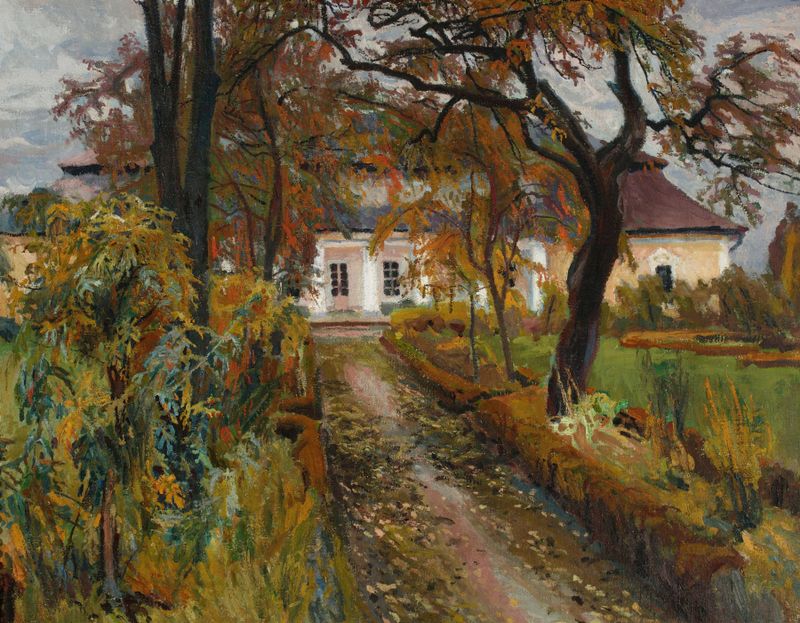
Can beauty exist without sorrow? Amidst the vibrant foliage and elegant paths of Theme from the Planty Park in Krakow, a haunting beauty emerges from the gentle decay of nature, whispering stories of transience. Look to the left where a soft cascade of autumn leaves clings to worn stones, their colors a rich tapestry of ochres and rusts. Notice how the dappled light filters through the branches overhead, casting fleeting shadows that dance upon the cobblestone path. The careful brushstrokes create an illusion of depth and movement, inviting the viewer to wander, to feel the briskness of the air, and to experience the ebb and flow of life as it intertwines with the park’s tranquil beauty. In this scene, contrasts abound; the vibrancy of the leaves speaks of life, yet they are suspended in their inevitable decline.
The juxtaposition of the lively colors against the somber stone evokes a bittersweet tension, a reminder that beauty often coexists with impermanence. Each element — the fading petals, the lingering shadows — suggests that decay is not merely an end but a poetic reminder of the cycles that define existence. Stanisław Kamocki created this evocative piece in 1934, a period marked by significant changes in Polish society and the arts. Living in Krakow, he experienced a city transitioning between its rich historical past and the uncertain future of a looming war.
This context likely influenced his ability to capture both the beauty and the underlying melancholy of nature, allowing for a profound reflection on the essence of life itself.
More Artworks by Stanisław Kamocki
Browse all →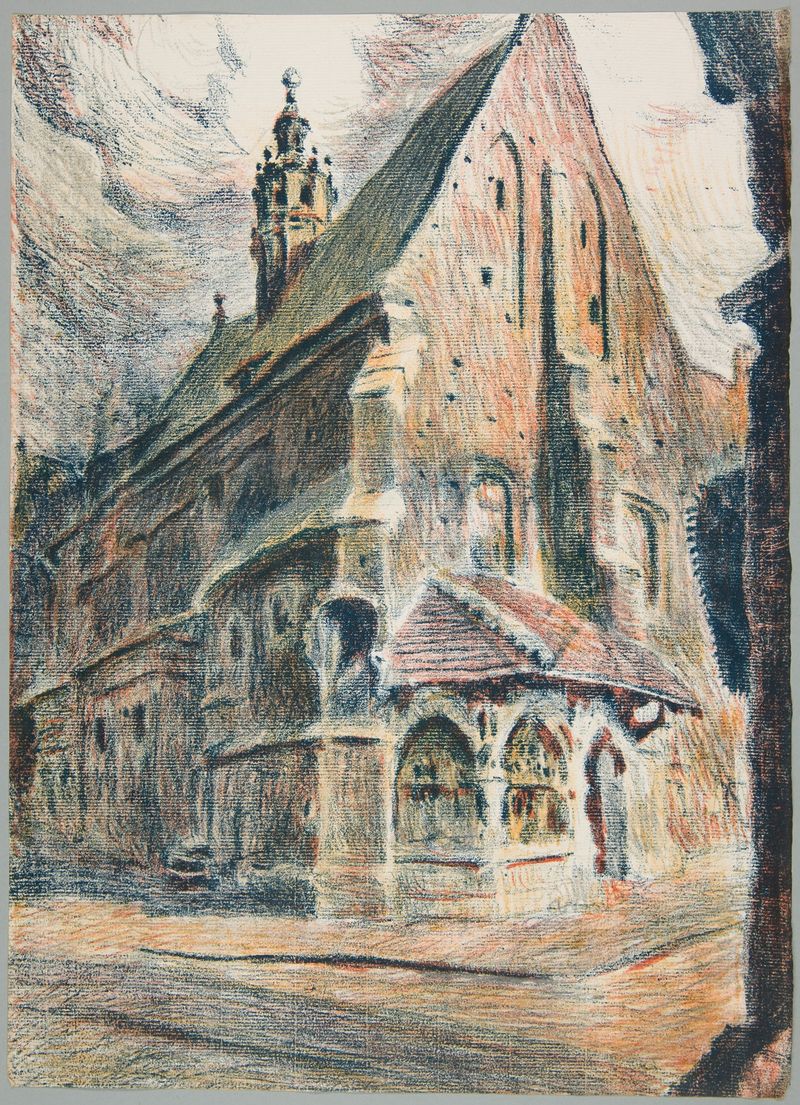
Church of St. Barbara
Stanisław Kamocki
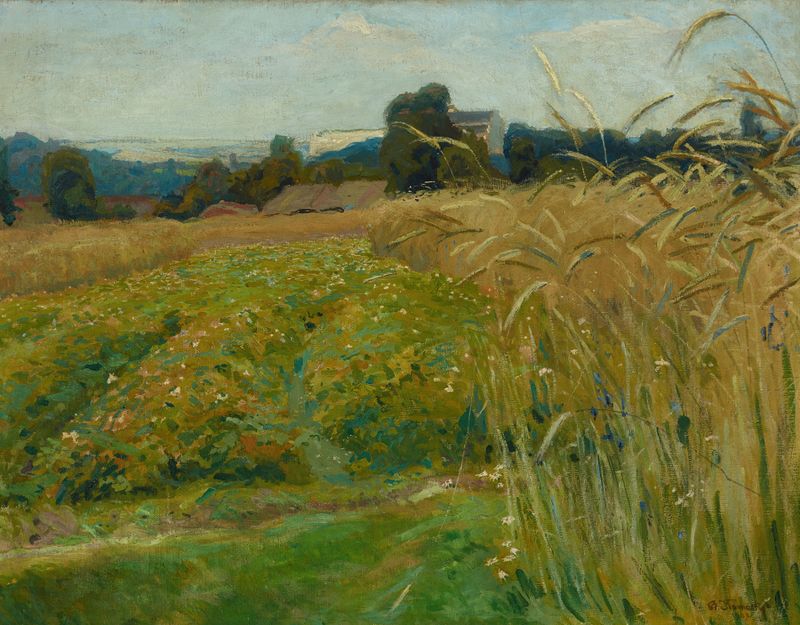
Landscape from the Vincity of Krakow
Stanisław Kamocki
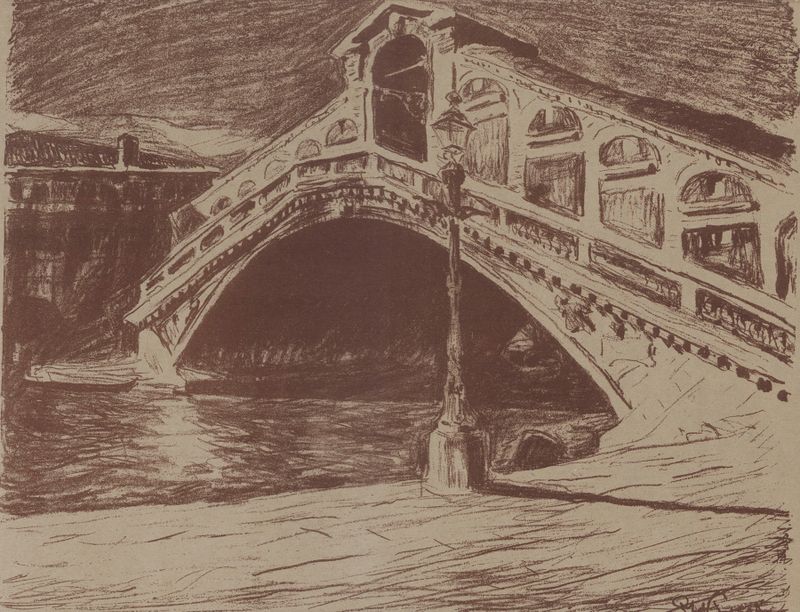
Rialto Bridge in Venice
Stanisław Kamocki
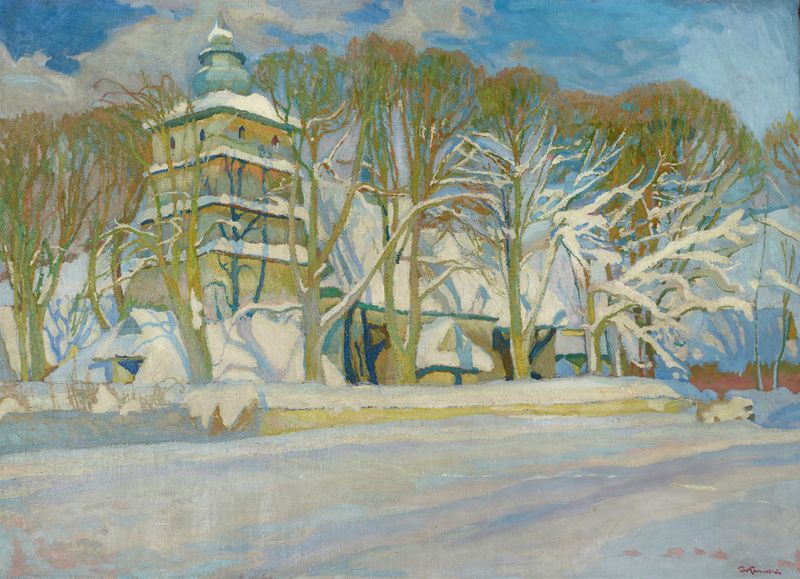
Church in Poronin
Stanisław Kamocki
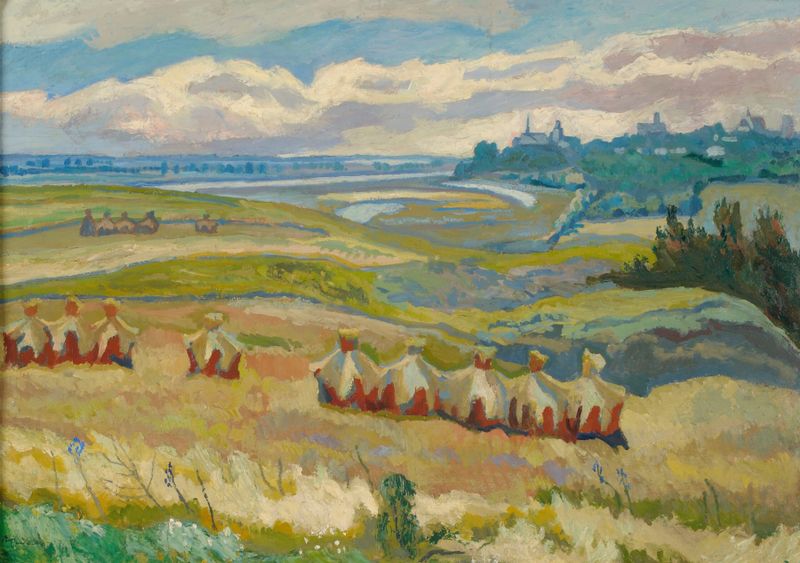
View of Sandomierz
Stanisław Kamocki
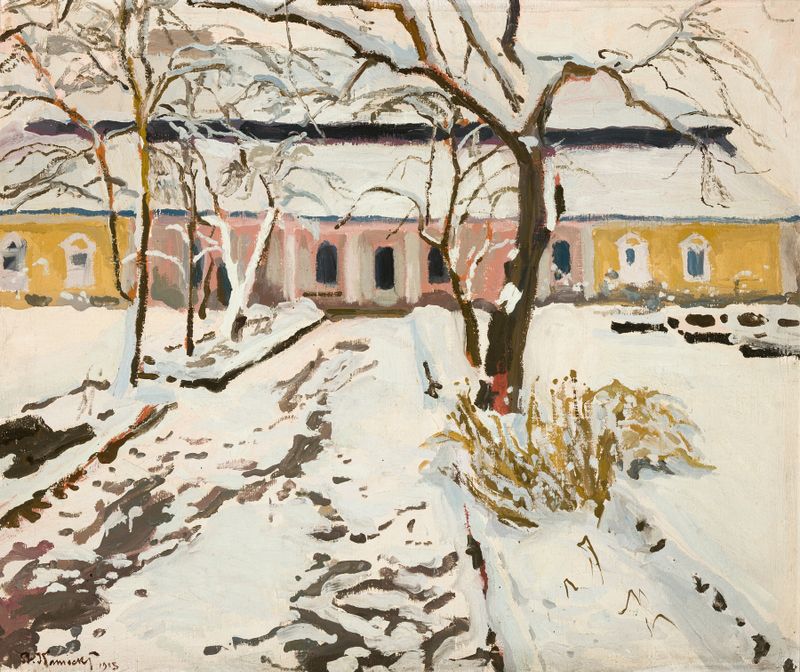
Manor-House at Modlnica in Winter
Stanisław Kamocki

Church in Libusza
Stanisław Kamocki
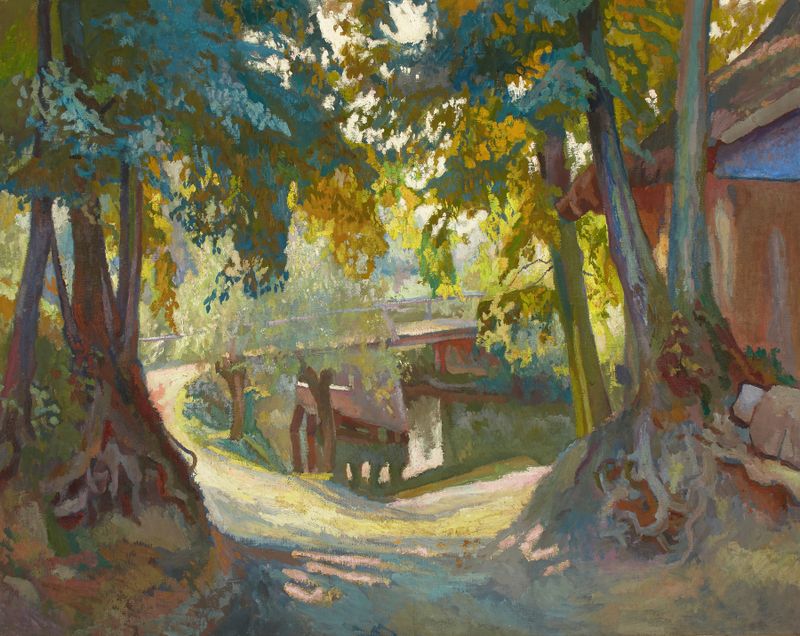
Day in Autumn
Stanisław Kamocki
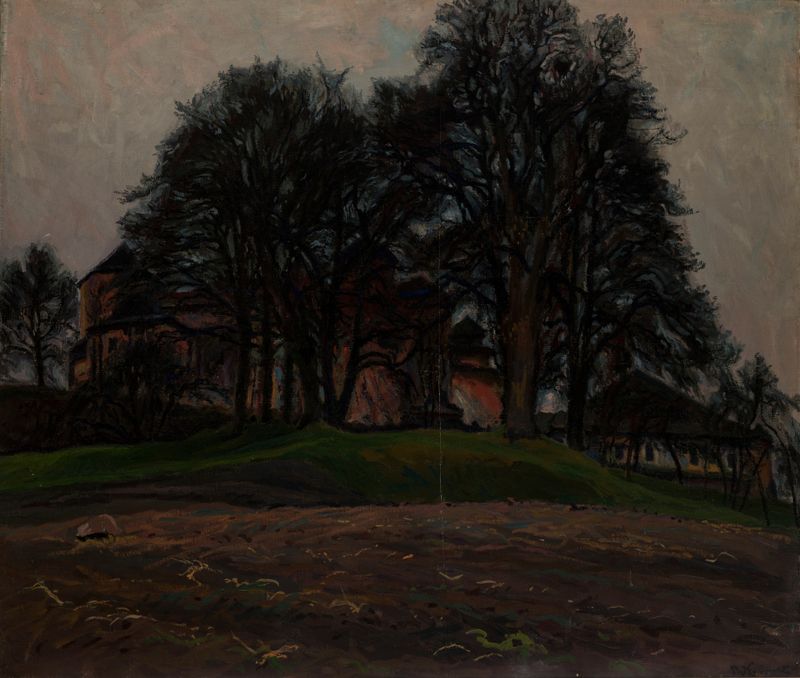
Late Autumn
Stanisław Kamocki
Manor house in autumn
Stanisław Kamocki





