Théodule-Augustin Ribot - Le Bon Samaritain étude préparatoire — History & Facts
A single, pale figure sprawls across the darkness, the body’s awkward twist and outstretched arm pulling the viewer into a moment of utter vulnerability. The brushwork is raw, almost sculptural, with thick, urgent strokes that seem to record not just the form but the very weight of the body against the ground. Light pools on the exposed flesh, while the rest of the scene dissolves into shadow, heightening the sense of isolation and drama.
The greenish cloth at the waist is the only hint of color, a quiet signal of humanity amid the gloom. Every detail here is in service of the story: the figure’s collapse, the darkness pressing in, and the viewer’s own uneasy proximity. Created in the 19th century by Théodule-Augustin Ribot, this preparatory study for Le Bon Samaritain belongs to a period when artists were drawn to powerful, moral narratives and the stark realities of the human condition. Such works were often commissioned for churches or civic spaces, intended to move viewers to empathy or reflection.
Ribot’s generation was shaped by a France in transition, where Realism’s earthy tones and unvarnished truths challenged the polished surfaces of academic art. Though history has kept few traces of this specific study, its presence in a modern collection invites us to look again at the drama of compassion and suffering, distilled to its essence on a darkened stage.
More Artworks by Augustin Théodule Ribot

The Scullion
Augustin Théodule Ribot

The Artist's Daughter
Augustin Théodule Ribot
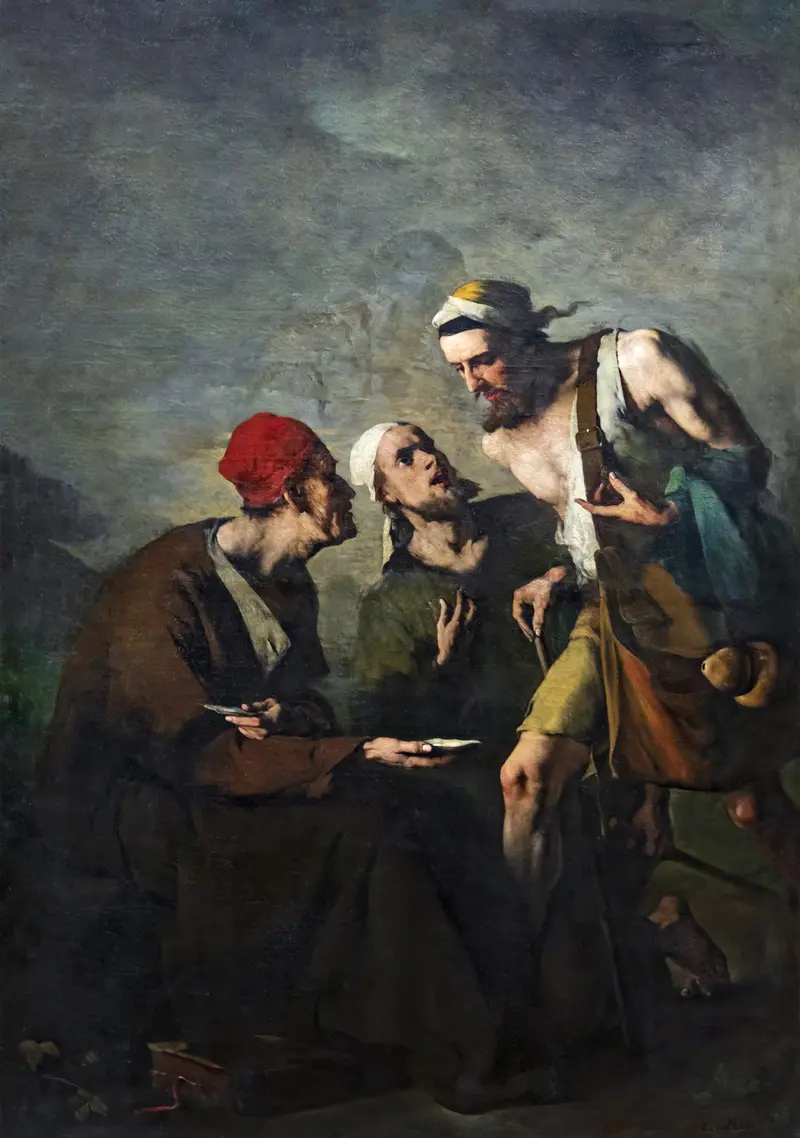
The oyster and the Litigant's
Augustin Théodule Ribot

The philosophers
Augustin Théodule Ribot

Singers
Augustin Théodule Ribot

Oyster and timbale
Augustin Théodule Ribot
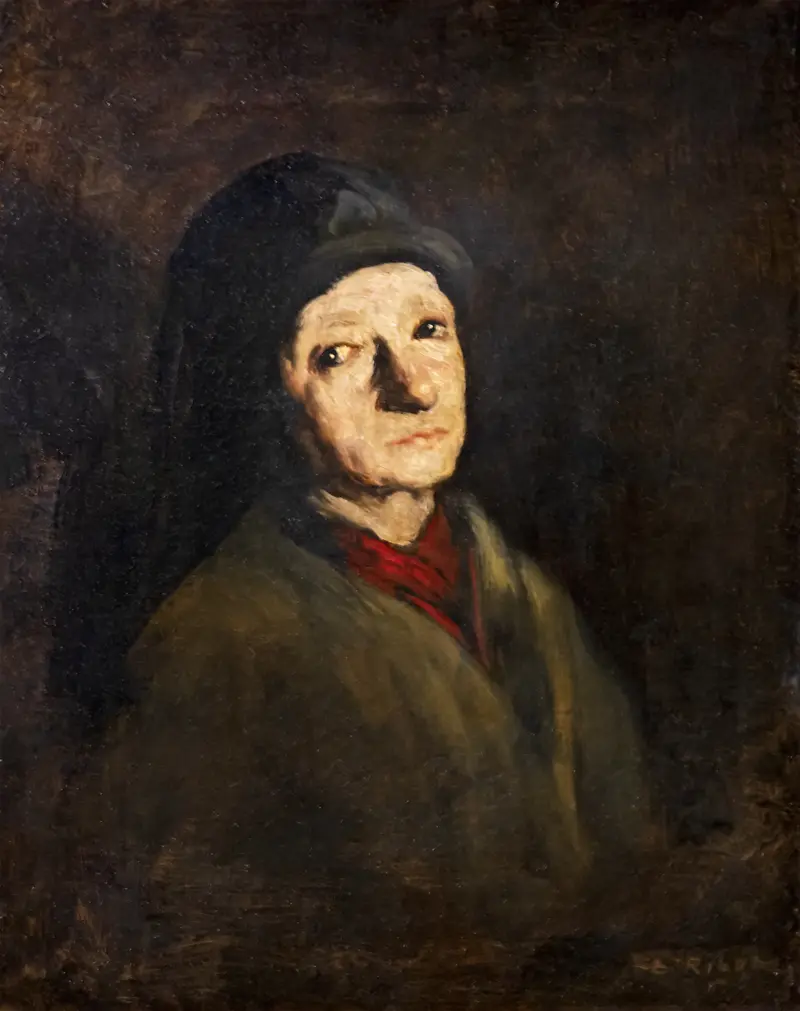
Portrait of the artist's mother
Augustin Théodule Ribot

Three old jews
Augustin Théodule Ribot

' Landscape ', known as ' La Maison de Corot in Ville-d'Avray '
Augustin Théodule Ribot
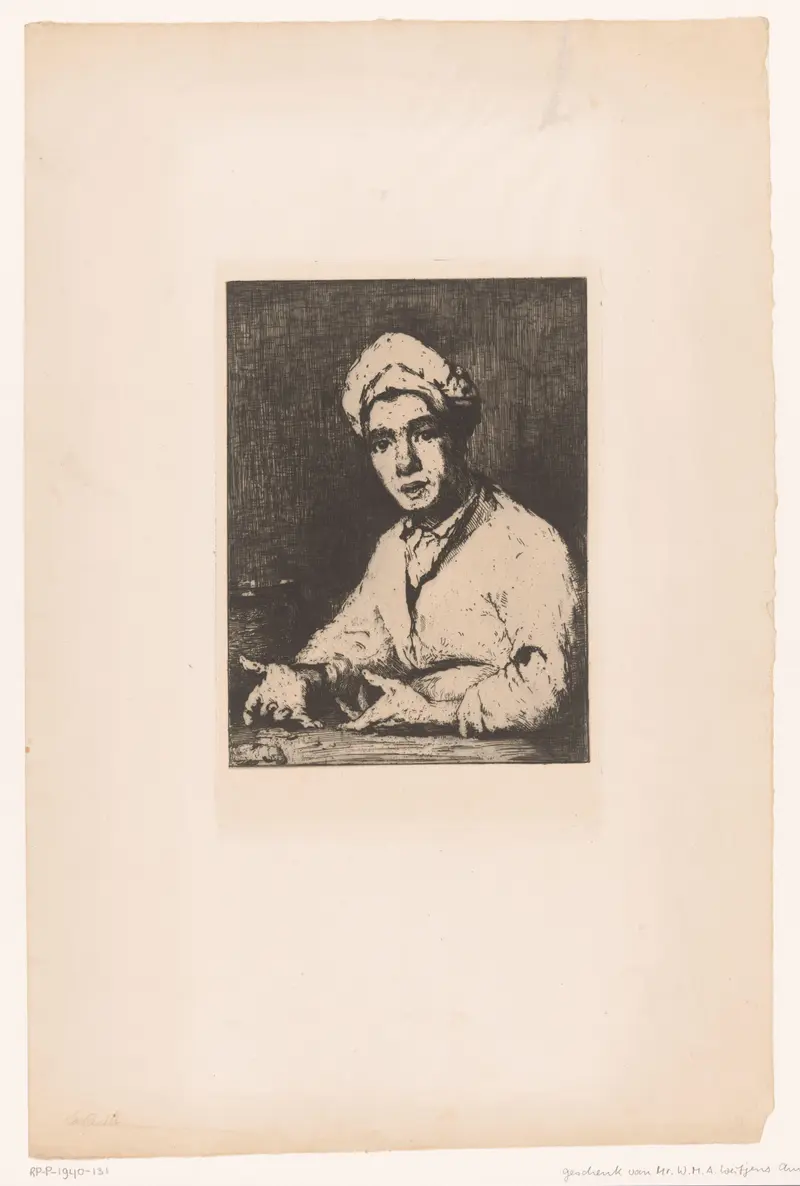
La recette du cuisinier
Augustin Théodule Ribot