Théodule La fillette en gris — History & Facts
A hush seems to settle over Théodule La fillette en gris, drawing the viewer in with the gentle gravity of a single, downcast face. The girl’s features emerge from a field of shadow, her gaze lowered, her lips pressed in quiet thought or perhaps worry. Light pools softly across her brow and cheek, as if the world around her has dimmed to let us see only this private moment.
The painter’s brush lingers over the delicate roundness of her face, while the rest dissolves into darkness—the hand barely formed, the clothing a muted suggestion. This is not a portrait of status or spectacle, but of introspection, the kind that invites us to wonder what weighs on her mind. Works like this, painted in the France of the nineteenth century, often turned away from grand history to find drama in the everyday and the overlooked. Artists such as Augustin Théodule Ribot—whose name this painting bears—were drawn to the ordinary lives of children, workers, and the poor, using deep shadows and a limited palette to heighten the sense of intimacy.
The painting now belongs to the collection of Paris Musées, a reminder that history has kept few traces of this particular girl or her story. Yet the quiet gravity of her expression endures, inviting us to linger and search for our own meaning in the half-light.
More Artworks by Augustin Théodule Ribot

The Scullion
Augustin Théodule Ribot

The Artist's Daughter
Augustin Théodule Ribot
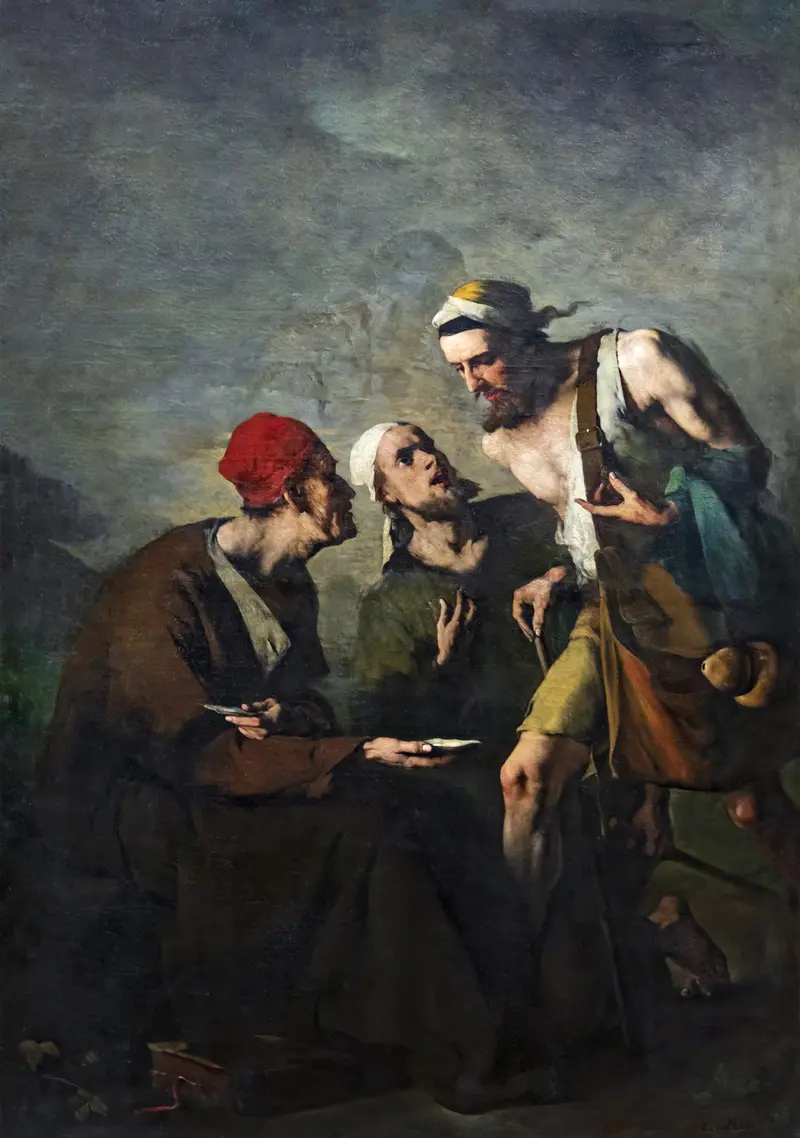
The oyster and the Litigant's
Augustin Théodule Ribot

The philosophers
Augustin Théodule Ribot

Singers
Augustin Théodule Ribot

Oyster and timbale
Augustin Théodule Ribot
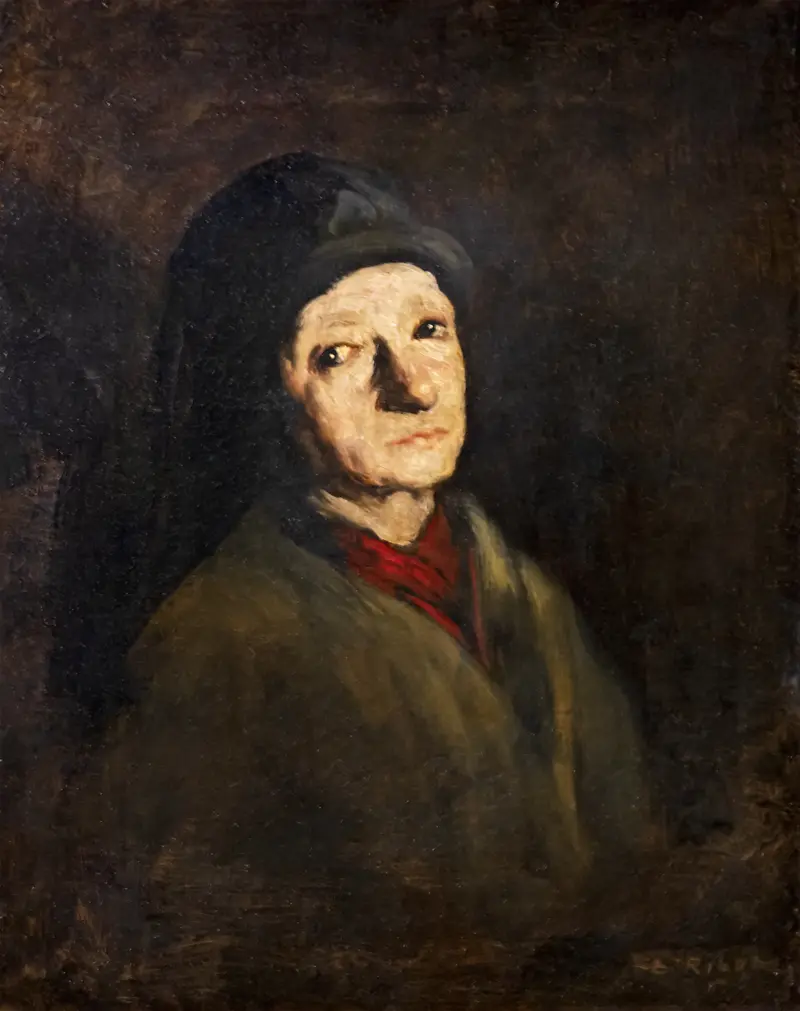
Portrait of the artist's mother
Augustin Théodule Ribot

Three old jews
Augustin Théodule Ribot

' Landscape ', known as ' La Maison de Corot in Ville-d'Avray '
Augustin Théodule Ribot
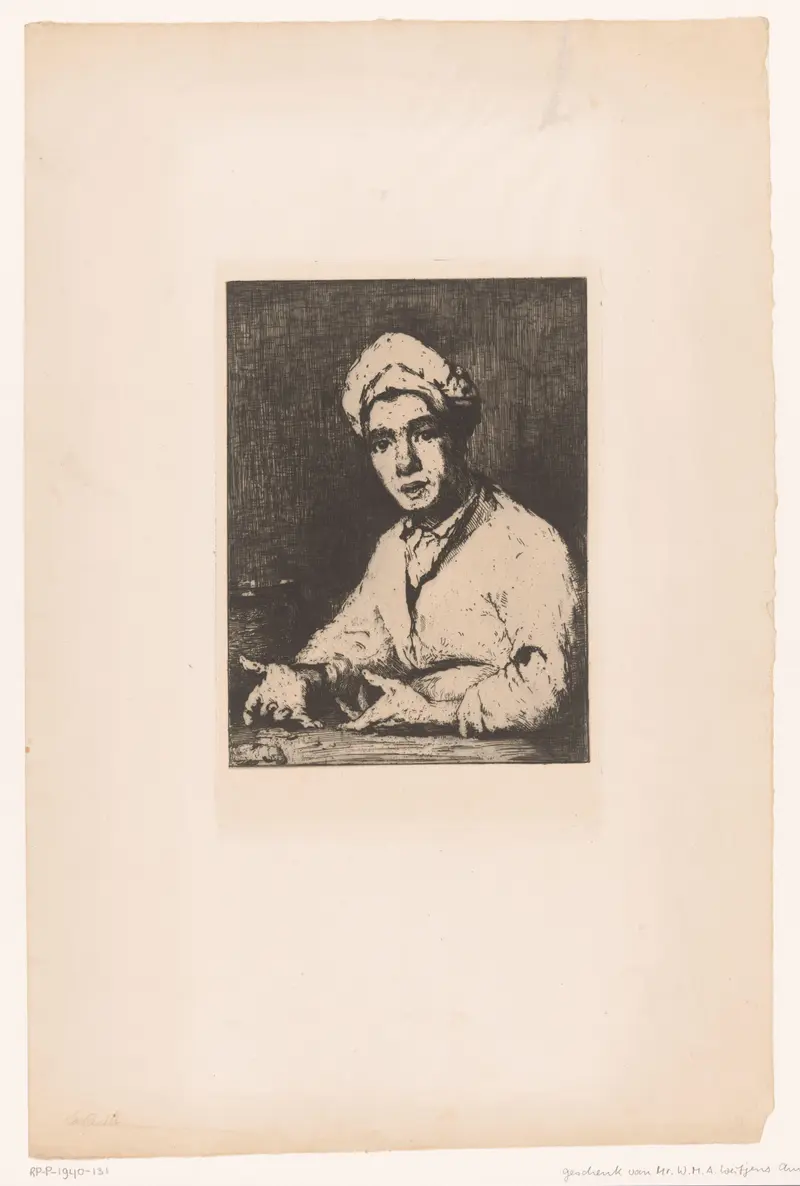
La recette du cuisinier
Augustin Théodule Ribot