
Théodule Portrait d'un vieillard — History & Facts
What first holds the eye in Théodule Portrait d'un vieillard is the way light rakes across the old man’s face and hands, carving every crease and furrow into sharp relief against a sea of darkness. His weathered fingers grip a staff, knuckles swollen and veins raised, while his gaze drifts away from the viewer—lost in memory, perhaps, or simply enduring the weight of years. The hat’s shadow nearly swallows his eyes, but the painter’s touch leaves just enough illumination to reveal a glint of life, a question left unspoken.
The palette is pared down to earth and shadow, forcing all attention onto the man’s worn features and the story they tell. This is not the portrait of a grandee or a hero, but of a survivor, rendered with a kind of dignity that comes from endurance rather than triumph. Created in 1875, this work belongs to the world of late nineteenth-century France, when artists like Augustin Théodule Ribot turned away from idealized subjects to find beauty in the ordinary and the overlooked. Portraits of anonymous sitters—especially elders—became a way to explore character, hardship, and the passage of time, often destined for private collectors or the growing middle class who sought art that reflected their own lives.
Ribot’s handling of light and realism echoes the influence of Spanish masters admired in Paris at the time, but his subjects are unmistakably his own: humble, unvarnished, and direct. Now part of the Paris Musées collection, the painting stands as a testament to a moment when art looked not to flatter, but to reveal. Let your gaze linger on the sitter’s hands, and imagine the years they have seen.
More Artworks by Augustin Théodule Ribot

The Scullion
Augustin Théodule Ribot

The Artist's Daughter
Augustin Théodule Ribot
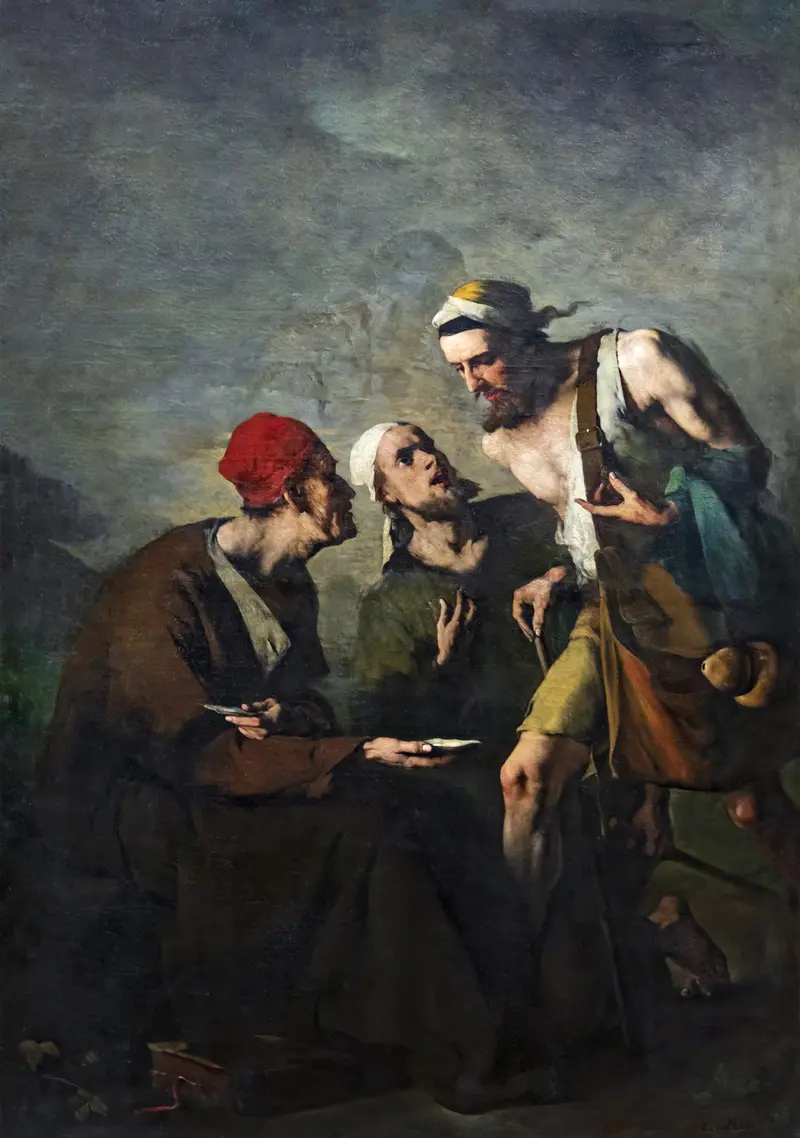
The oyster and the Litigant's
Augustin Théodule Ribot

The philosophers
Augustin Théodule Ribot

Singers
Augustin Théodule Ribot

Oyster and timbale
Augustin Théodule Ribot
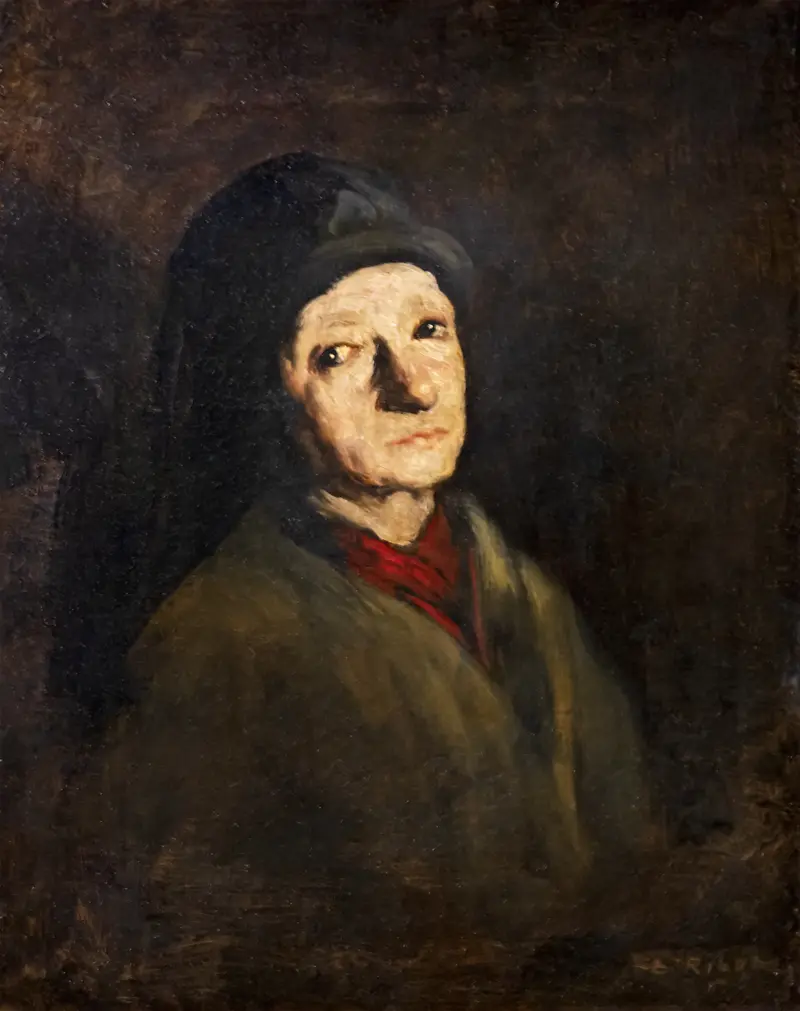
Portrait of the artist's mother
Augustin Théodule Ribot

Three old jews
Augustin Théodule Ribot

' Landscape ', known as ' La Maison de Corot in Ville-d'Avray '
Augustin Théodule Ribot
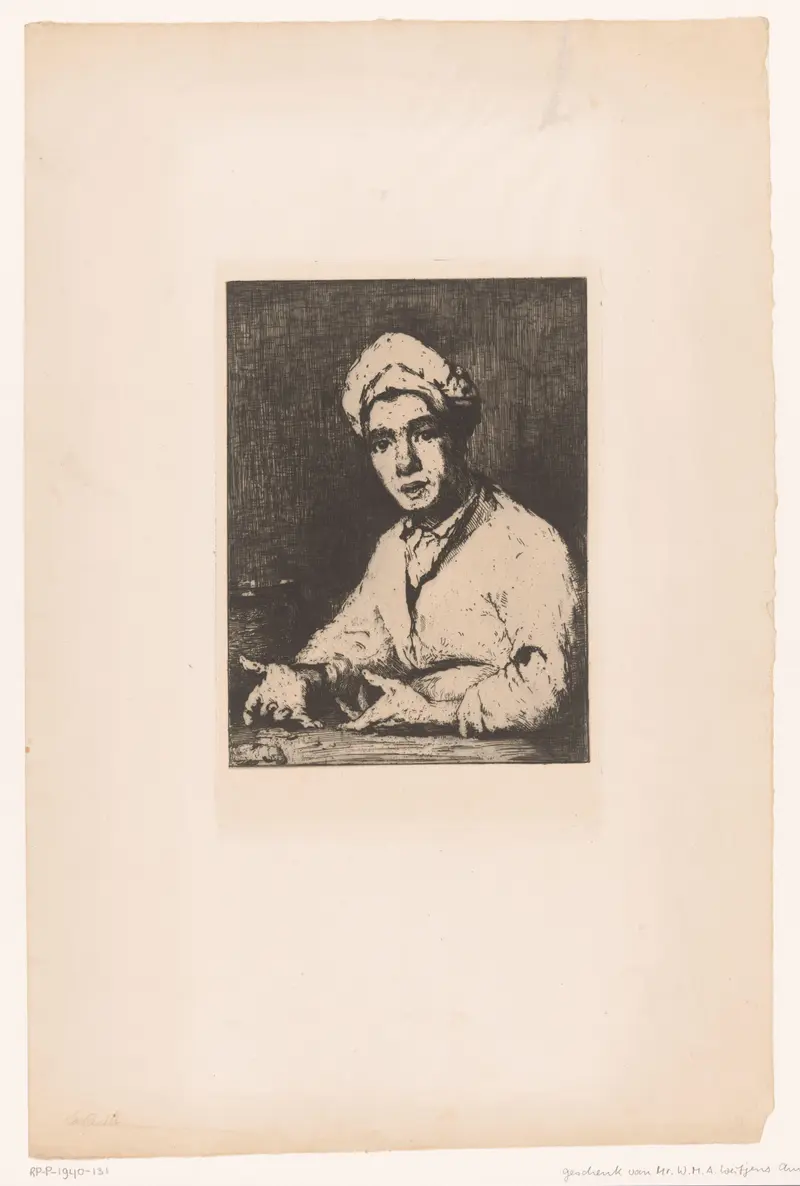
La recette du cuisinier
Augustin Théodule Ribot





