
Thicket — History & Facts
In the delicate balance of color and form, truth reveals itself through the brushstrokes of memory, inviting contemplation on what is often lost to the passage of time. Look closely at the vibrant greens and subtle browns that dance across the canvas; the underbrush seems to pulse with life. Focus on the interplay of light and shadow, where the sunlight filters through the dense foliage, creating pockets of illumination that beckon the viewer inward. The harmonious composition captures both the chaos of nature and its hidden order, drawing us into a world both inviting and enigmatic. Within the thicket lies a juxtaposition of tranquility and complexity.
The thick vegetation suggests a barrier, yet it also hints at the secrets held within nature’s embrace. Each brushstroke conveys not just the landscape, but the emotional weight of solitude and introspection. The careful layering of colors evokes a sense of depth, encouraging viewers to explore their own memories and experiences intertwined with the natural world. In 1905, Jan Stanisławski painted Thicket during a period of vibrant artistic exploration in Poland.
This era was marked by a growing interest in impressionism and the emotional resonance of nature, as artists sought to capture not just visual truth, but the essence of their surroundings. Stanisławski was influenced by his contemporaries, navigating the intersection of personal expression and the broader narrative of Polish art, aiming to forge a connection between the viewer and the wilderness.
More Artworks by Jan Stanisławski
Browse all →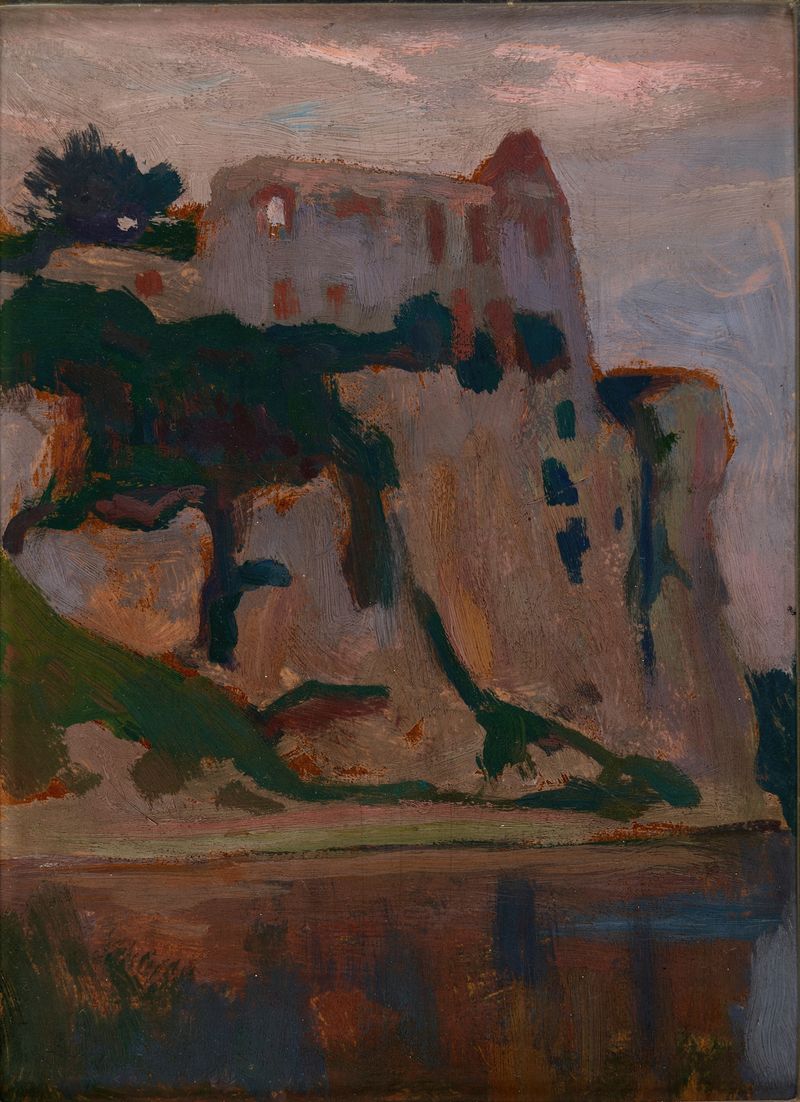
Tyniec at Dawn
Jan Stanisławski
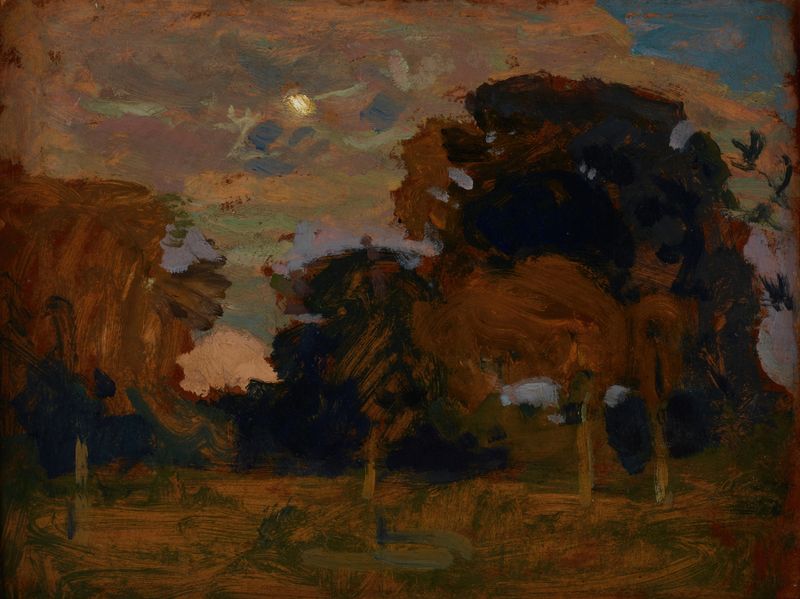
Moon in the Clouds
Jan Stanisławski
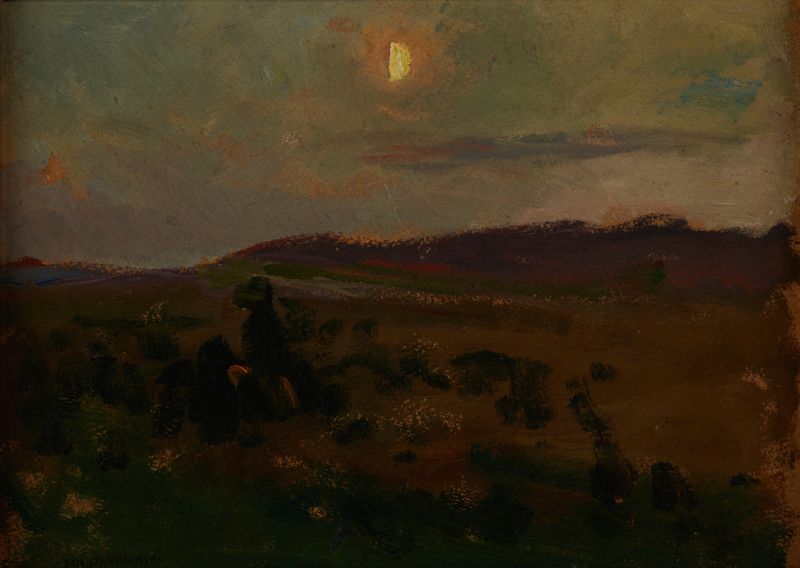
Moonrise
Jan Stanisławski
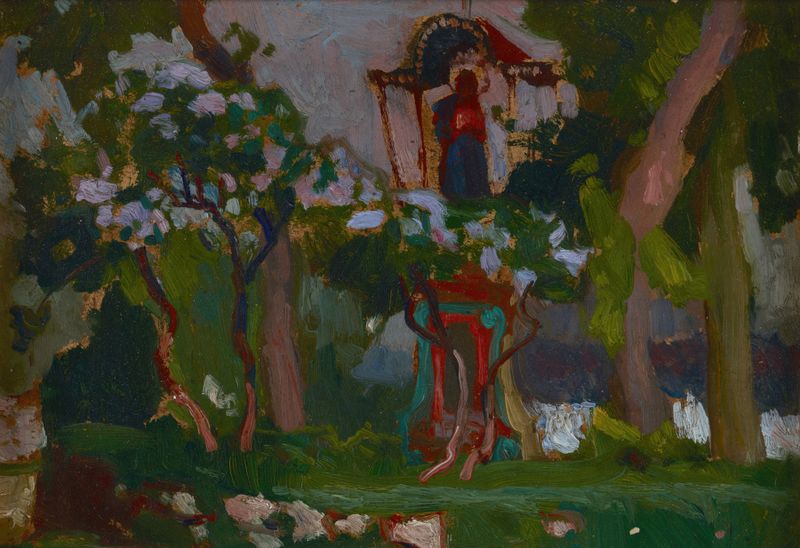
May
Jan Stanisławski
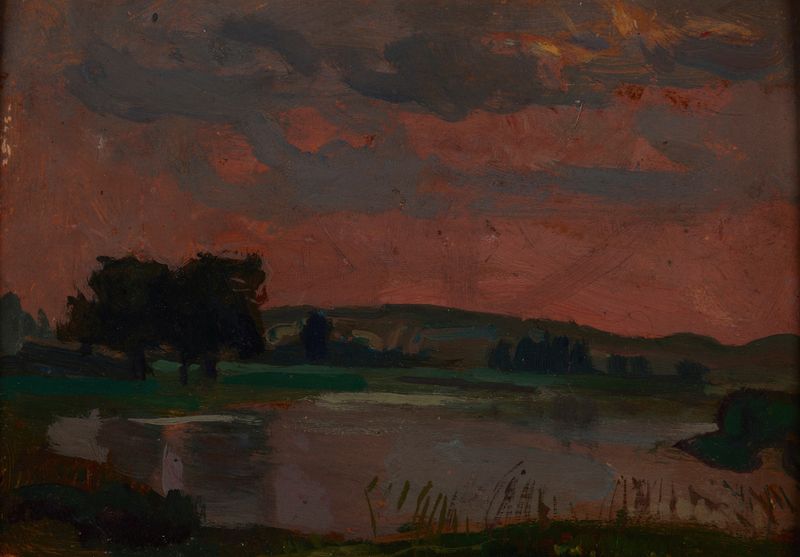
The Vistula in the Twilight
Jan Stanisławski
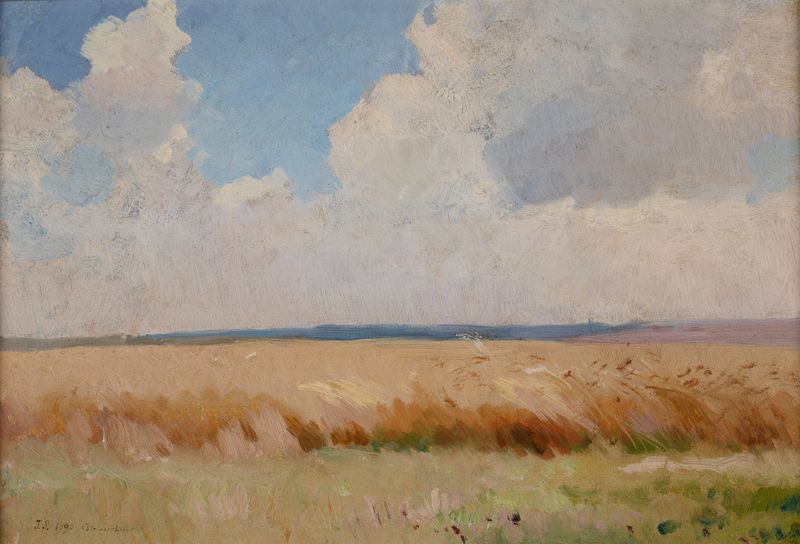
Field at Białocerkiew (Bila Tserkva)
Jan Stanisławski
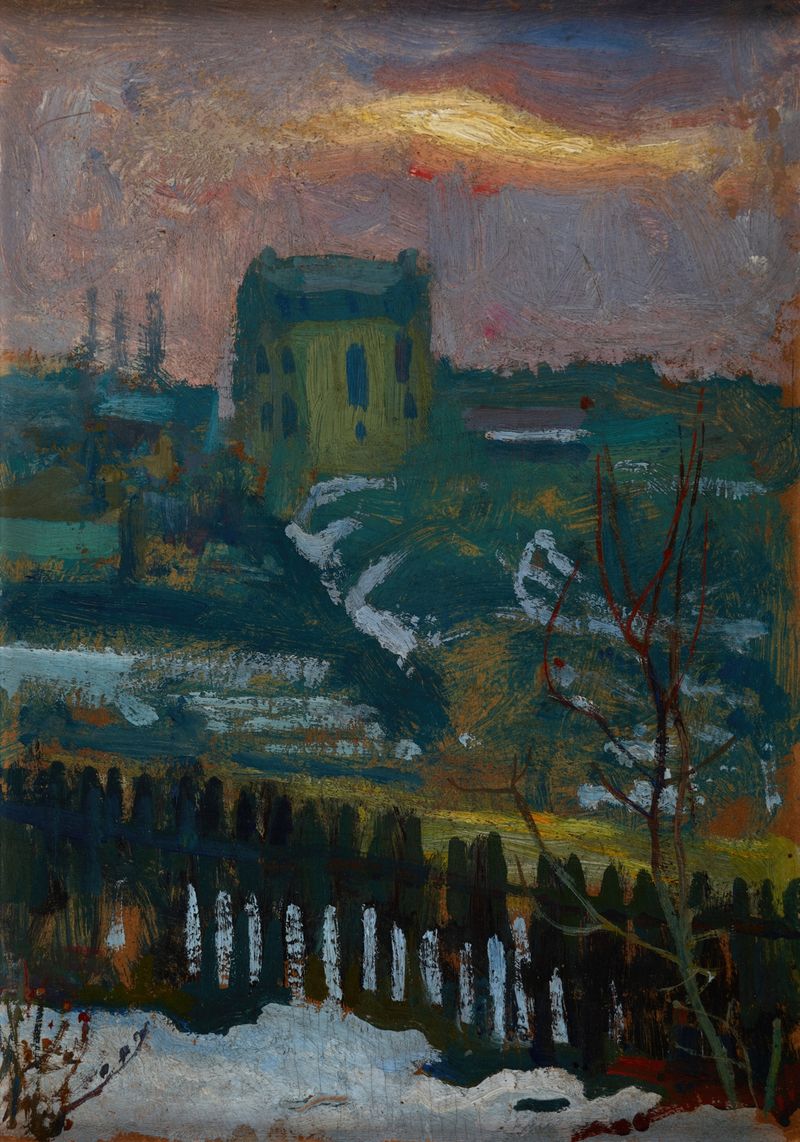
House in Winter
Jan Stanisławski
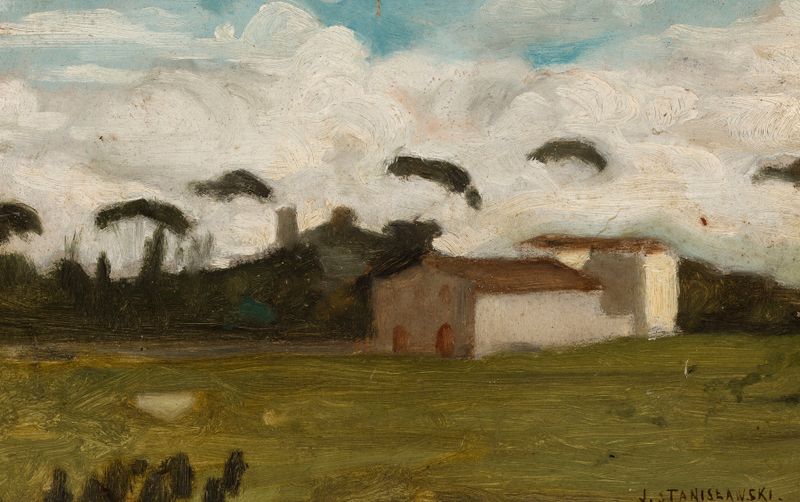
Landscape
Jan Stanisławski
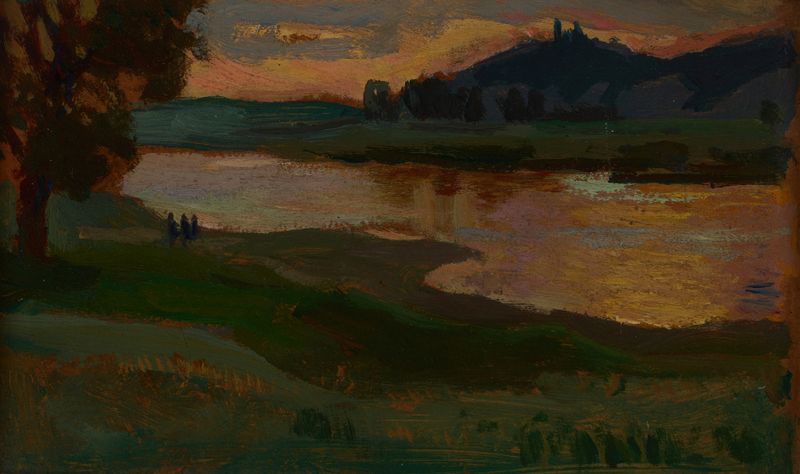
Bielany at Dusk
Jan Stanisławski
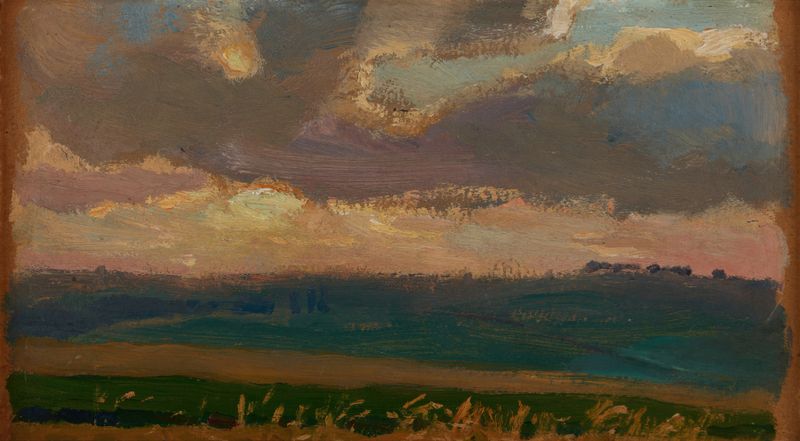
Fields at Proszowice
Jan Stanisławski





