
Third cave temple in Ellora — History & Facts
Can paint confess what words never could? In Third Cave Temple in Ellora, vibrant hues and intricate detail transport us to a sacred space where history whispers through the strokes of the brush. The experience is not merely visual; it becomes a reverent dialogue between the viewer and the rich cultural legacy encapsulated within the canvas. Look to the center of the composition, where the temple’s ornate carvings engage the eye with their depth and complexity. The interplay of light and shadow gracefully defines the architectural features, drawing attention to the meticulous craftsmanship.
Notice how the warm ochres and earthy browns dominate the palette, evoking the ancient stone and sacred motifs of this Indian site, while the cooler tones in the background evoke the serenity and mystery of the surrounding landscape. Hidden beneath the surface of this striking scene lies an emotional tension between permanence and transience. The temple, a monument to faith and artistry, stands firm against the passage of time, yet the delicate brushwork suggests a fleeting moment of divine illumination. Each color choice seems to echo the prayers of countless souls who have passed through its halls, adding layers of meaning that resonate with the weight of history and cultural significance. In 1931, during a period of growing interest in Eastern arts within Japan, the artist traveled extensively to capture iconic locations.
Yoshida Hiroshi found inspiration in the ancient Ellora Caves, blending traditional Japanese aesthetics with Indian architectural grandeur. His work at this time reflects a desire to bridge cultural divides, revealing not only the beauty of these historical sites but also the shared human experience within them.
More Artworks by Yoshida Hiroshi
Browse all →
Crytomeria Avenue (Sugi Namiki)
Yoshida Hiroshi
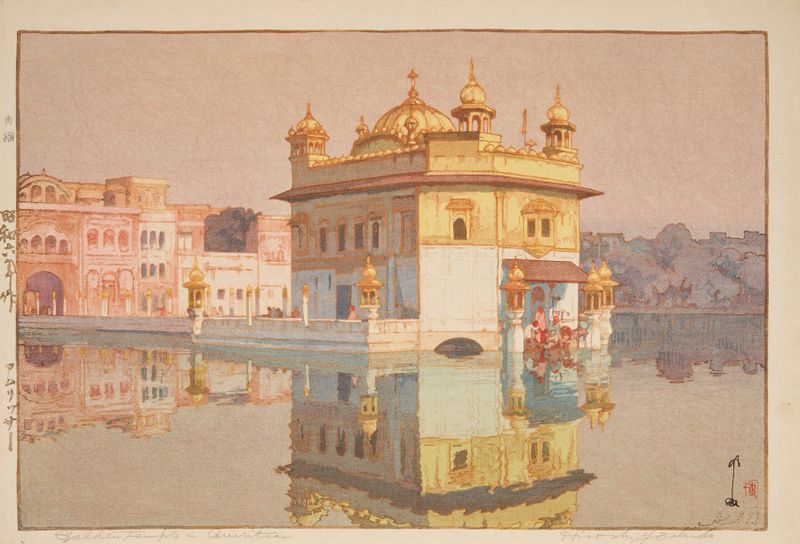
Amurissaa (Golden Temple in Amritsar)
Yoshida Hiroshi

High Gate in Ajmer (Ajumeru no Berenderuwajaa)
Yoshida Hiroshi

Fujiyama from Gotemba
Yoshida Hiroshi
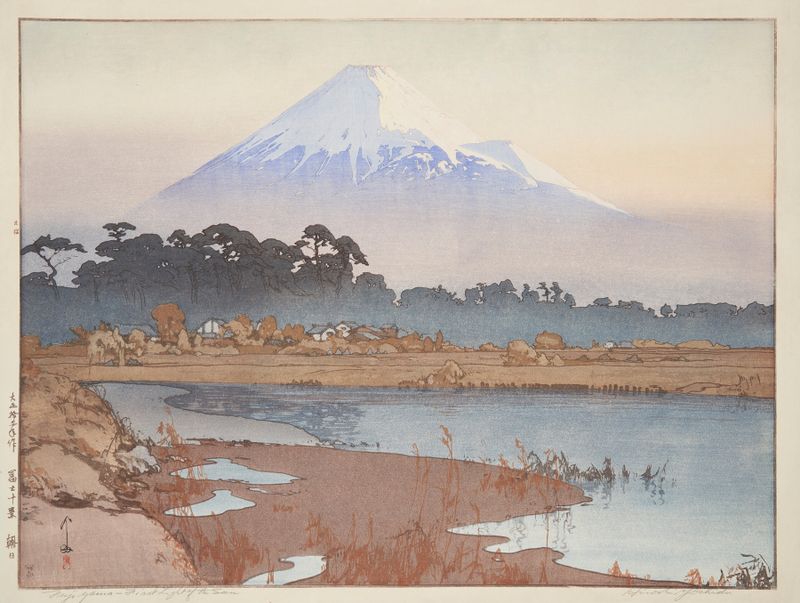
Asahi (Sunrise).
Yoshida Hiroshi
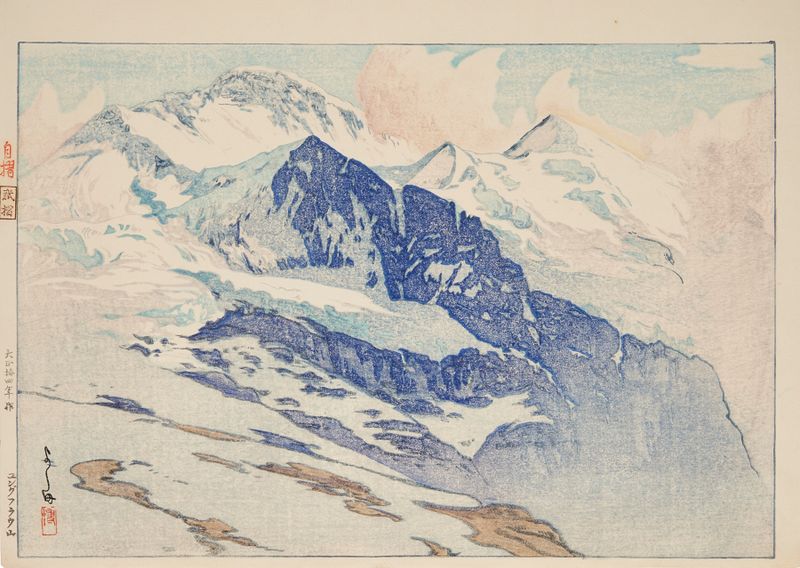
Yungufurau-yama (Jungfrau)
Yoshida Hiroshi
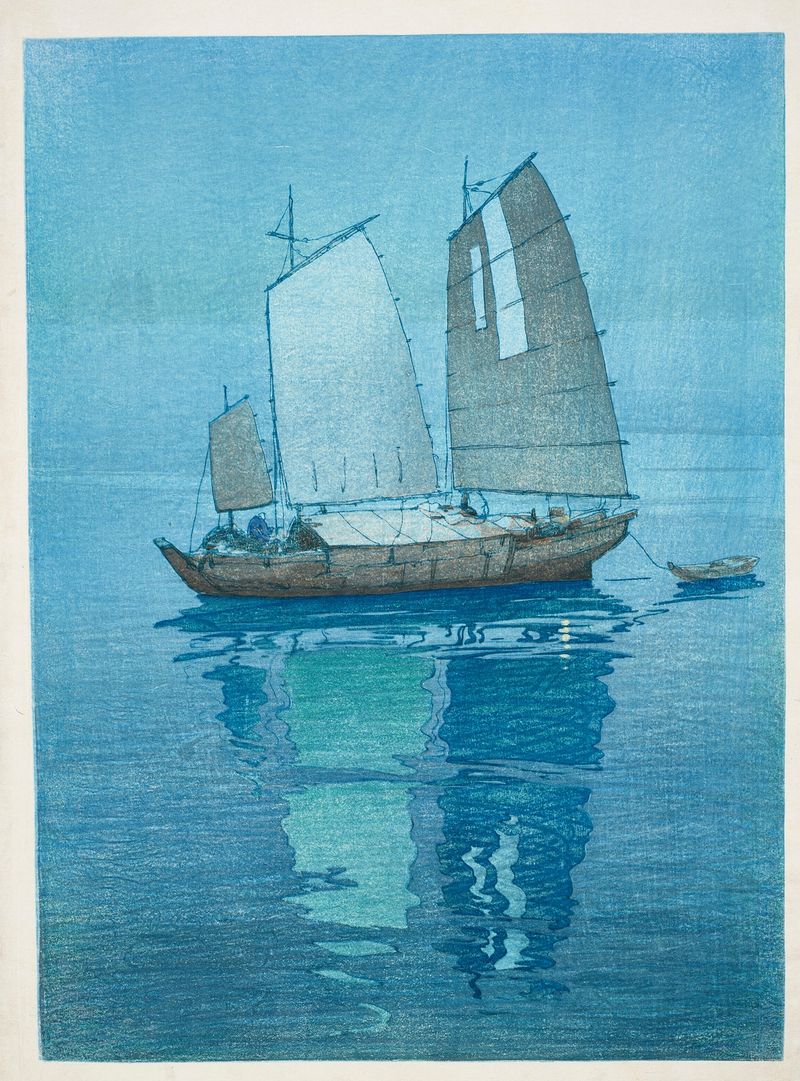
Hansen (Sailing Boats)
Yoshida Hiroshi
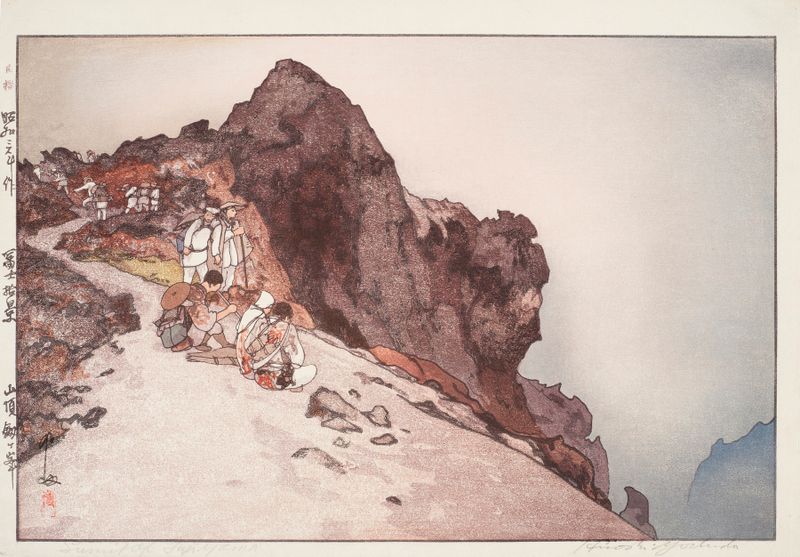
Summit of Mount Fuji
Yoshida Hiroshi

Sailing Boats — Night, from the series ‘The Seto Inland Sea’
Yoshida Hiroshi
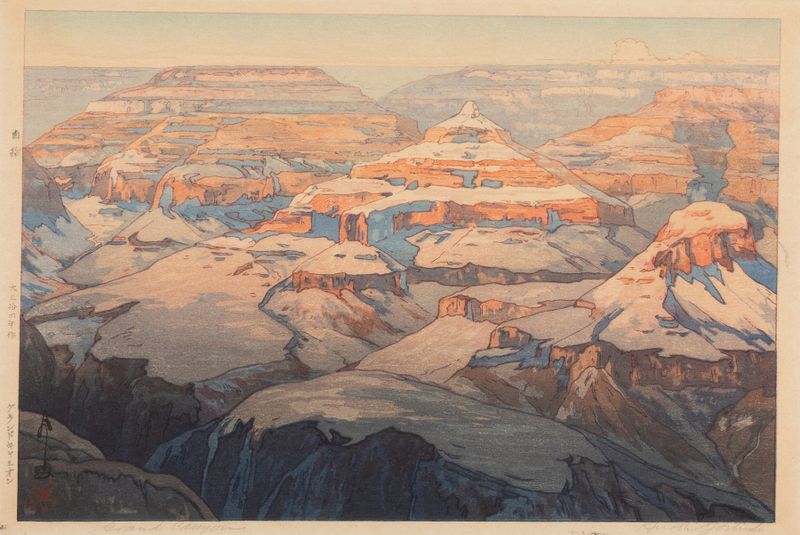
Grand Canyon (Gurando Kyanion)
Yoshida Hiroshi
More Architecture Art
Browse all →
The statue of Liberty
Frédéric Auguste Bartholdi

View of Houses in Delft, Known as ‘The Little Street’
Johannes Vermeer

View of Houses in Delft, Known as ‘The Little Street’
Johannes Vermeer

The Cathedral in Rouen. The portal, Grey Weather
Claude Monet

The yellow house
Vincent van Gogh

The Church in Auvers-sur-Oise, View from the Chevet
Vincent van Gogh