Thistles — History & Facts
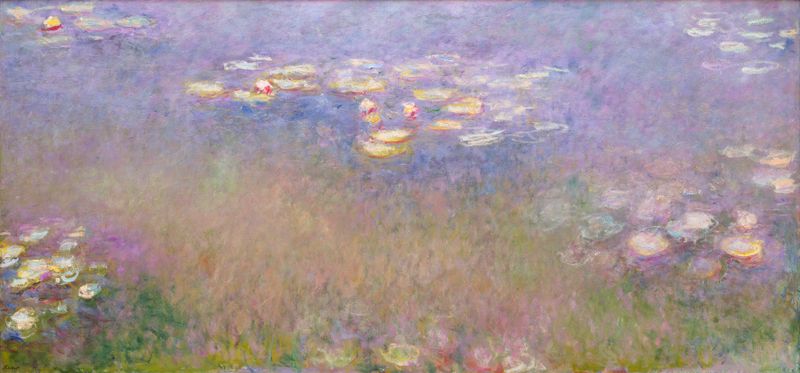
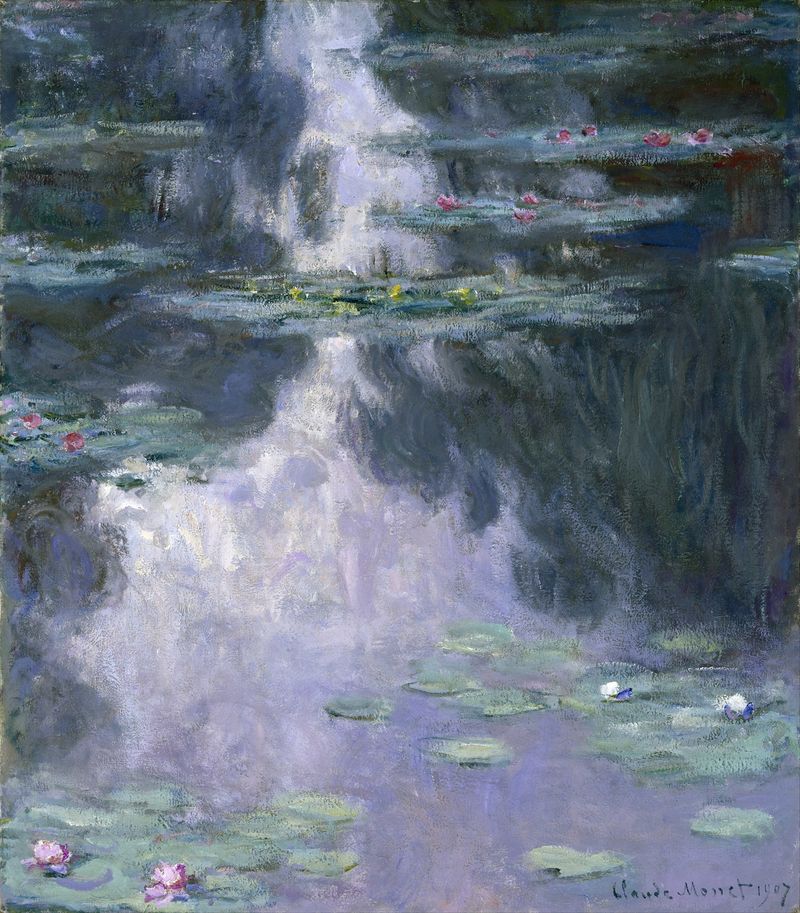
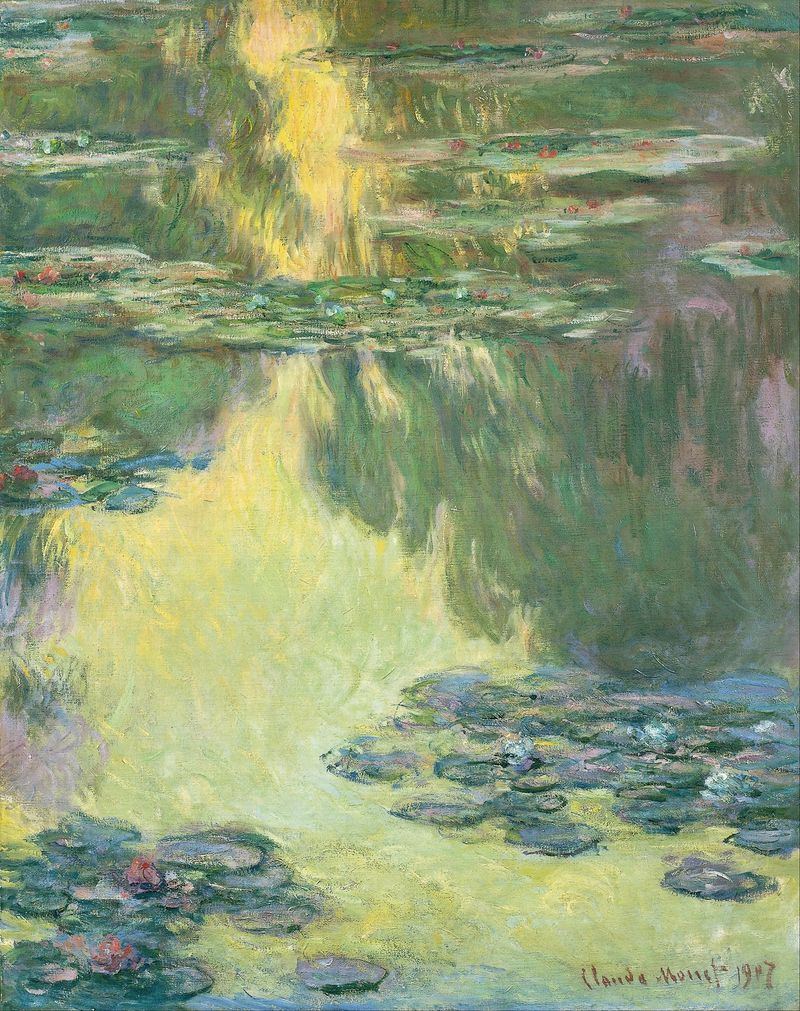
In the stillness of nature, we find beauty that often goes unnoticed, a quiet power residing in the ordinary. Look closely at the intricate thistles poised against a soft, muted background. The delicate strokes of the brush define the prickly edges of each flower, while the subtle variations of green and lavender evoke a sense of tenderness amidst their spiky exteriors. Notice how the light gently caresses the petals, casting soft shadows that emphasize their form, creating a sense of depth that pulls you into this serene moment. These thistles hold a tension between vulnerability and resilience.
Their vibrant colors emerge from a reality often overlooked, suggesting a deeper commentary on the beauty found in the wild and untamed aspects of life. The juxtaposition of the fragile blooms against their harsh, thorny defenses speaks to the complexity of existence—the struggle and strength inherent in survival. This harmony of contrast invites the viewer to reflect on their own experiences with beauty and hardship. In the mid-1880s, the artist was immersed in a world transitioning from the grandeur of the academic tradition to the exploration of modern forms.
Painted during this time in the United Kingdom, Sargent sought to capture the essence of nature through a fresh lens. While he was becoming recognized for his portraiture, Thistles represents a departure—a moment of introspection and appreciation for the natural world that would enrich his artistic journey ahead.
More Artworks by John Singer Sargent
Browse all →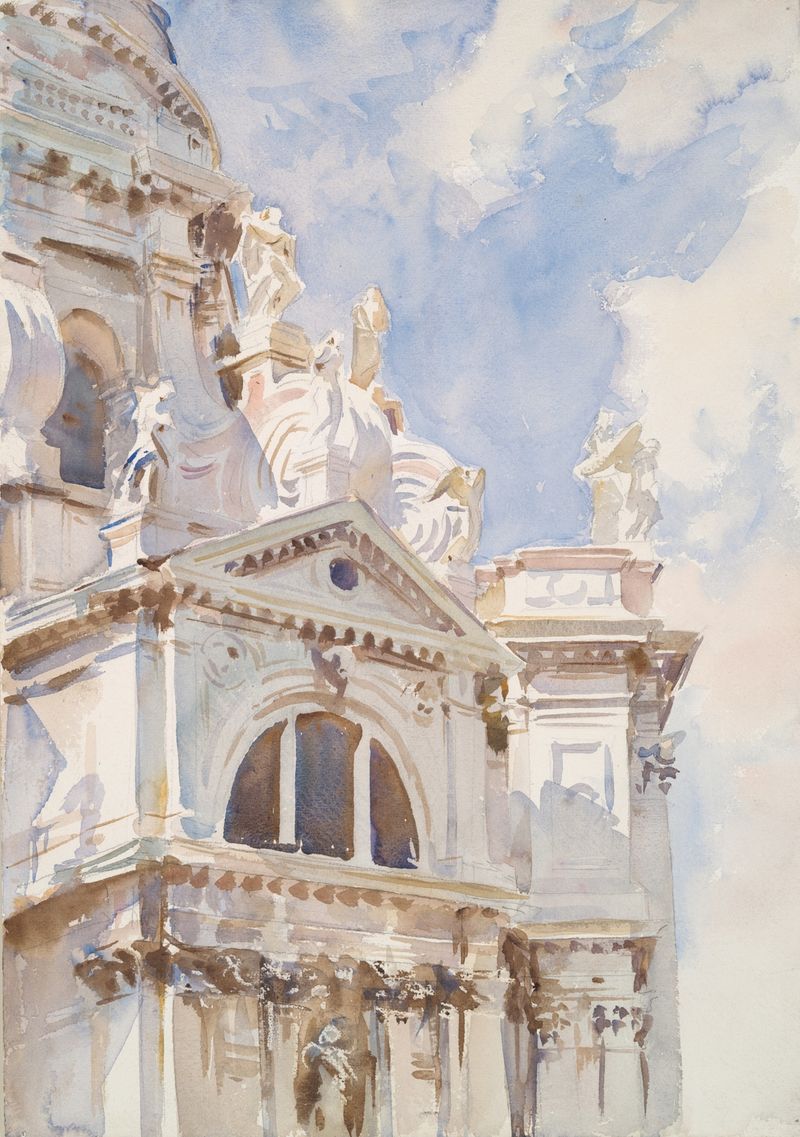
The Salute, Venice
John Singer Sargent

Mrs. Charles Deering (Marion Denison Whipple)
John Singer Sargent
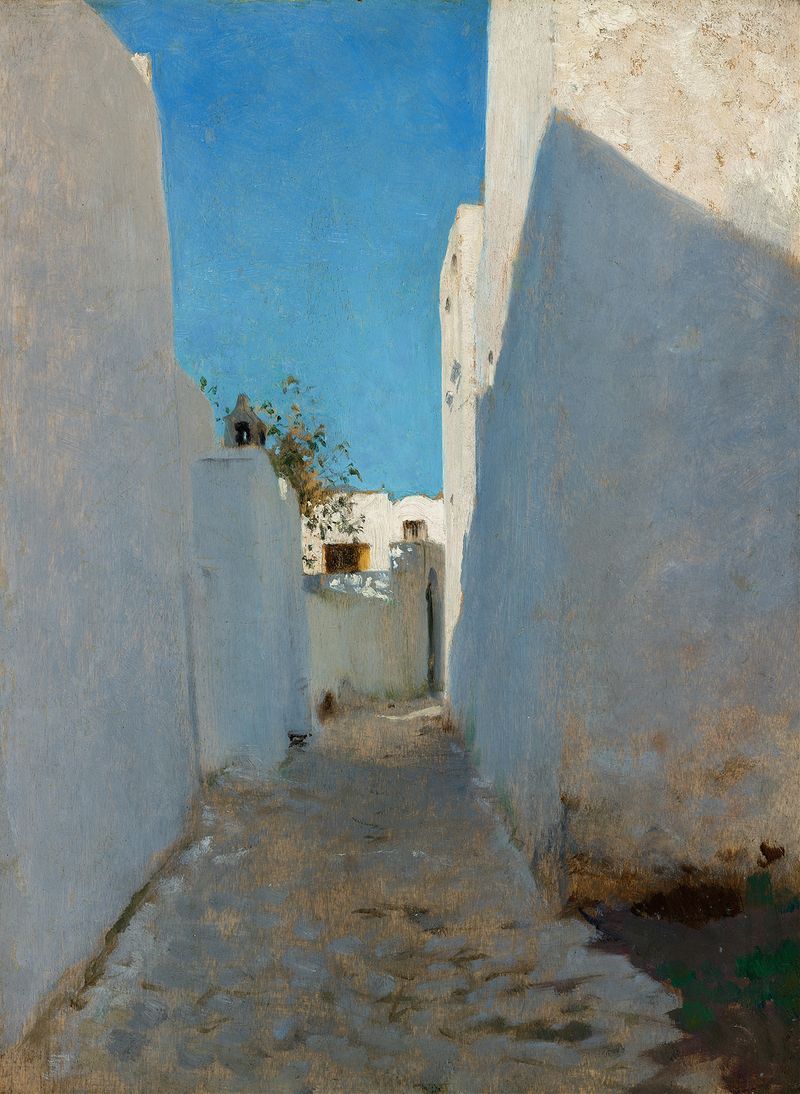
A Moroccan Street Scene
John Singer Sargent
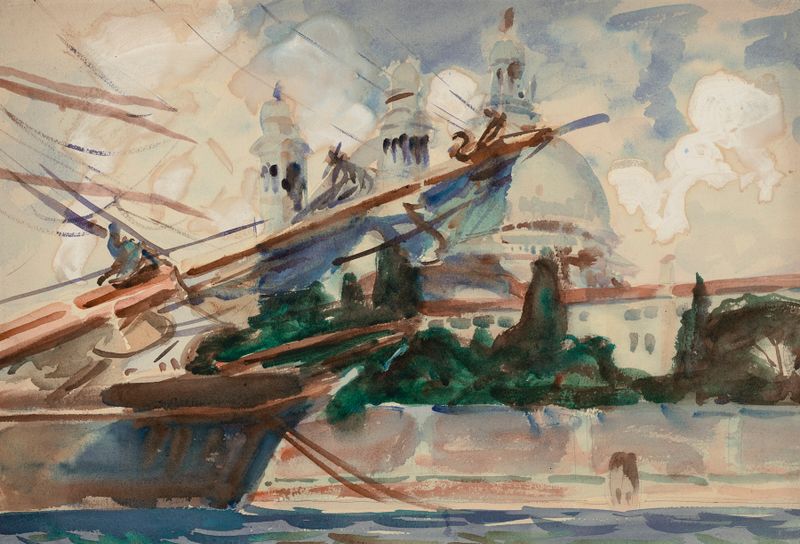
The Salute, Venice
John Singer Sargent
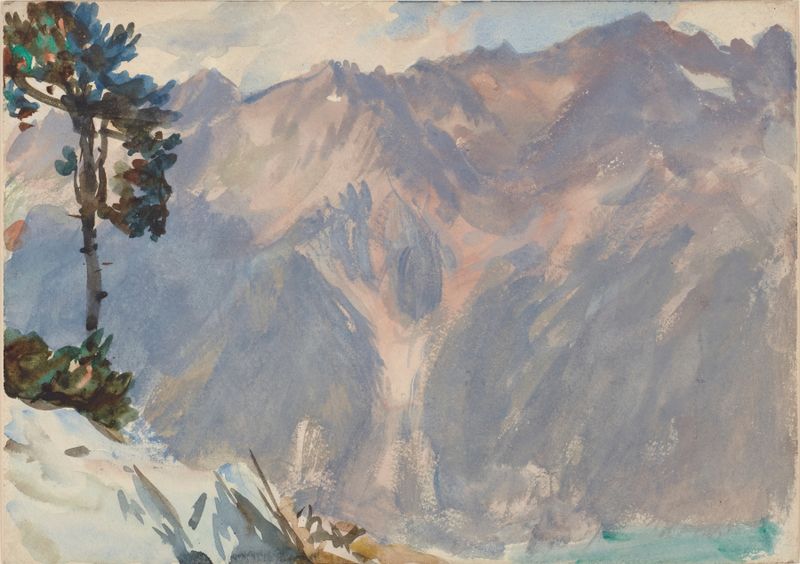
Tyrol
John Singer Sargent

Study for "Gog and Magog," for the Boston Public Library
John Singer Sargent
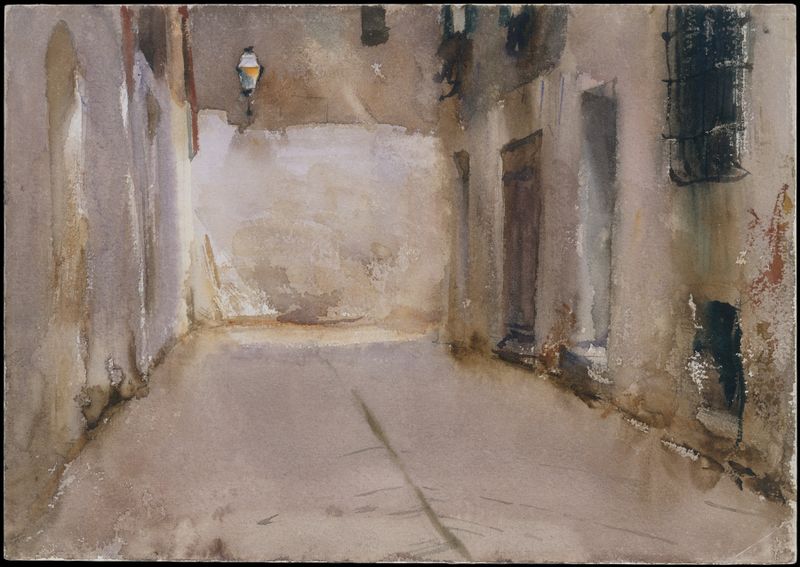
Venice
John Singer Sargent
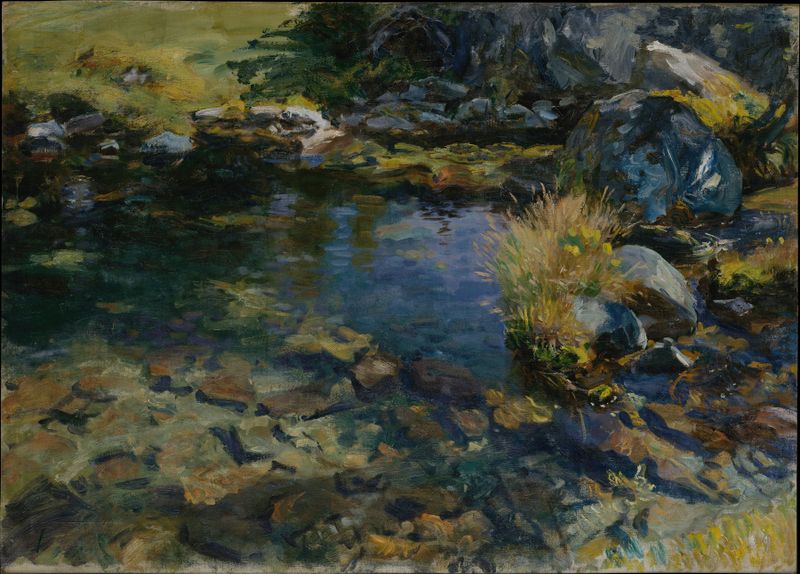
Alpine Pool
John Singer Sargent
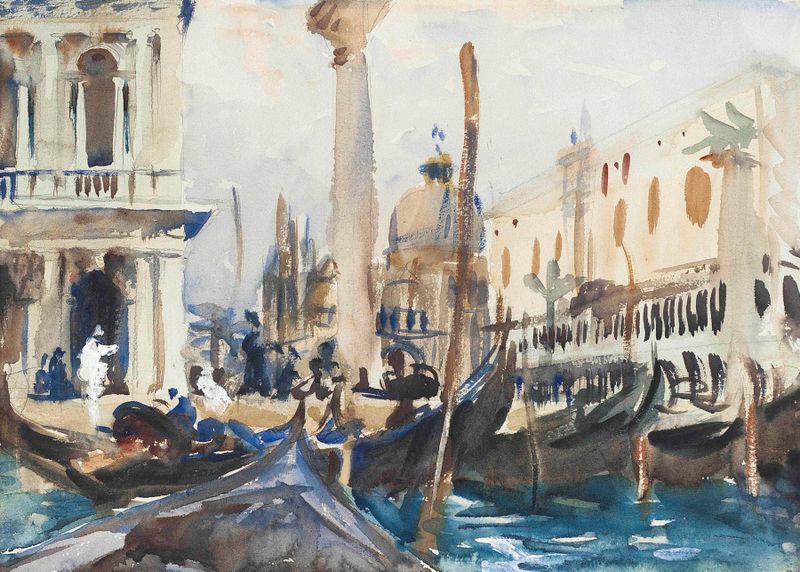
The Piazzetta with Gondolas
John Singer Sargent

The Façade of La Salute, Venice
John Singer Sargent