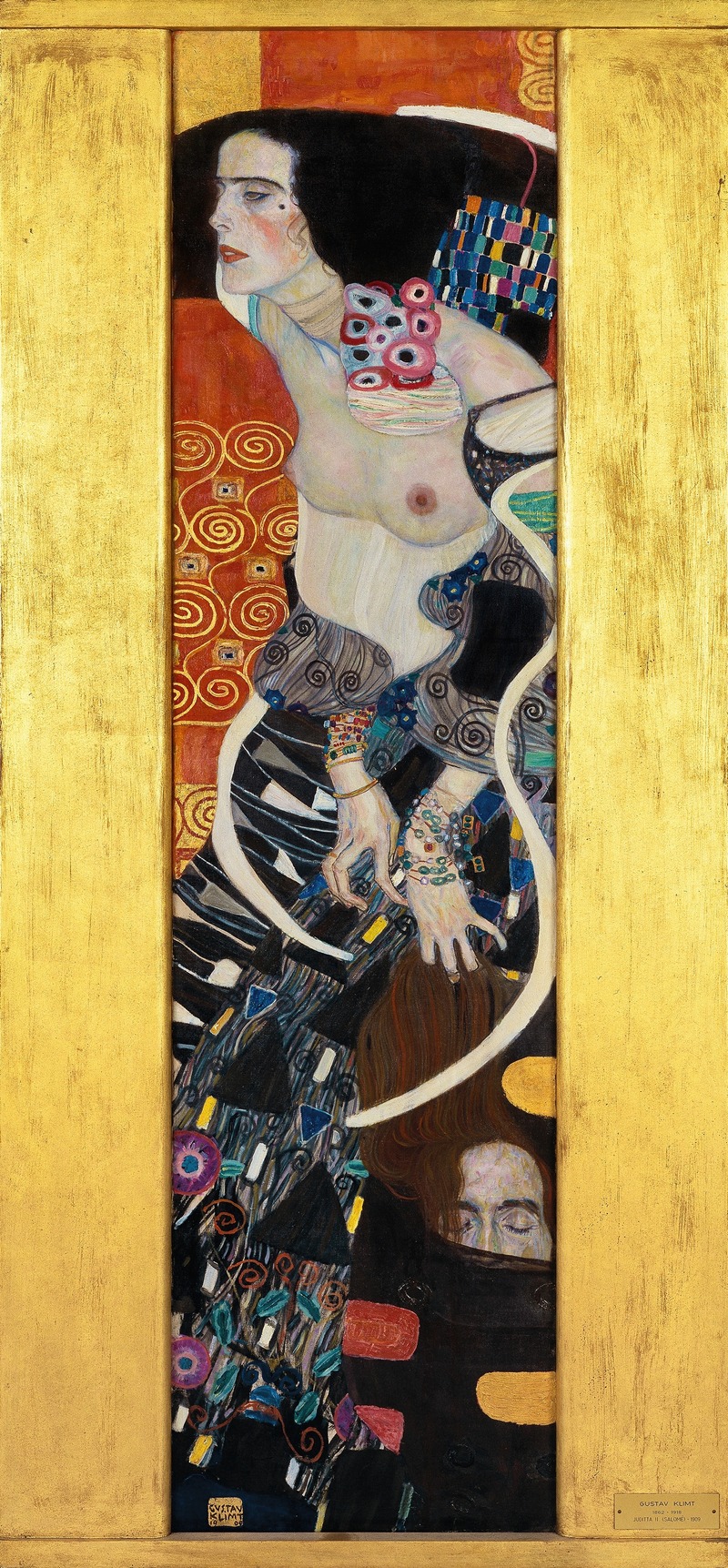
Discover insights about this artwork
Three acrobats — History & Facts
In Three Acrobats, Francisco de Goya captures three figures in mid-performance, showcasing their athleticism and grace. The colors are vibrant, with a palette that includes deep reds, yellows, and blues, creating a lively atmosphere. The setting appears to be a circus or a performance space, emphasizing the dynamic nature of the scene.
Each acrobat is posed in a way that highlights their strength and balance, drawing the viewer's eye across the composition. The painting is executed in oil on canvas, a medium that allows for rich color and texture. Goya employs a loose brushwork technique, giving the figures a sense of movement and fluidity. The dimensions are approximately 100 x 150 cm, making it a substantial work that commands attention.
The use of light and shadow enhances the three-dimensionality of the acrobats, adding depth to the overall composition. Francisco de Goya was a pivotal figure in Spanish art, bridging the gap between the Old Masters and modern art. This work reflects his interest in the human form and the spectacle of performance, themes that recur throughout his oeuvre. Interestingly, Three Acrobats is often seen as a precursor to Goya's later works that explore darker themes, showcasing his range as an artist.
The painting exemplifies the Romantic spirit, celebrating human emotion and physicality.
More Artworks by Francisco de Goya
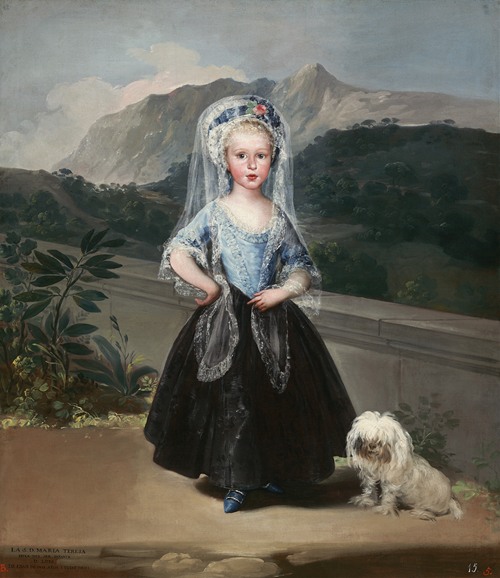
María Teresa de Borbón y Vallabriga,later Condesa de Chinchón
Francisco de Goya
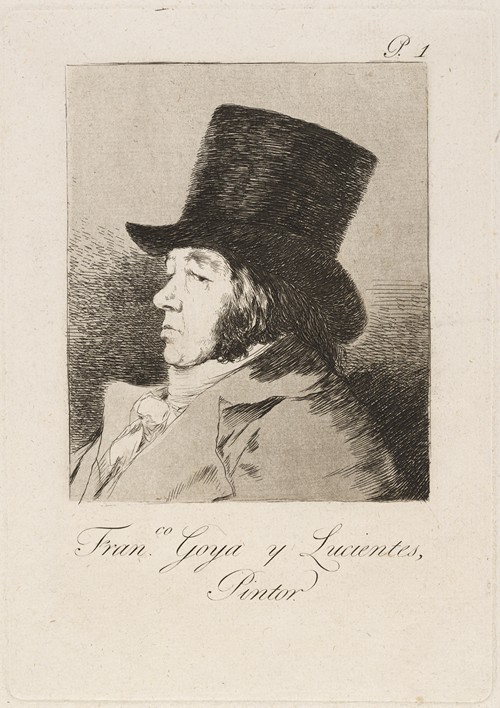
Francisco Goya y Lucientes, Pintor (Francisco Goya y Lucientes, painter)
Francisco de Goya
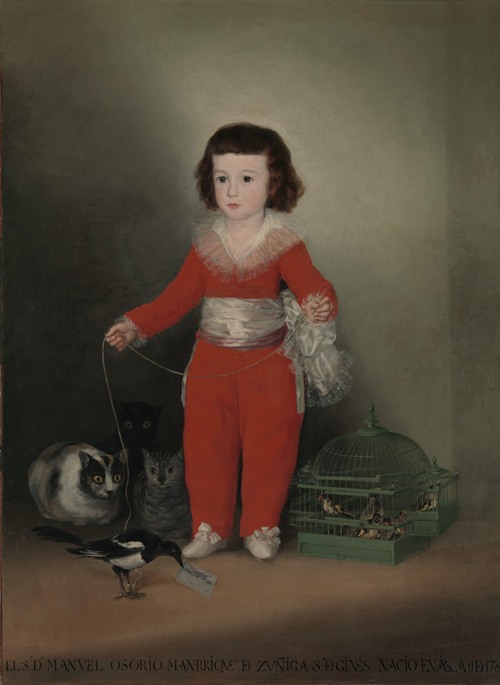
Manuel Osorio Manrique de Zuñiga (1784–1792)
Francisco de Goya
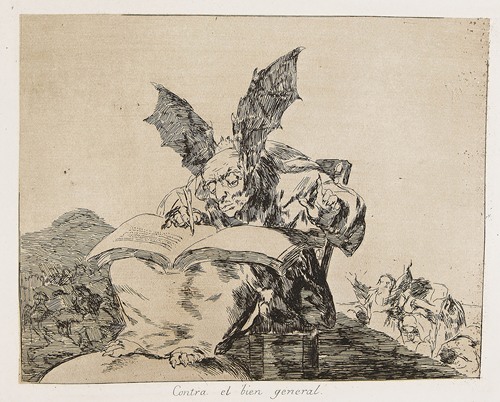
Los desastres de la guerra
Francisco de Goya
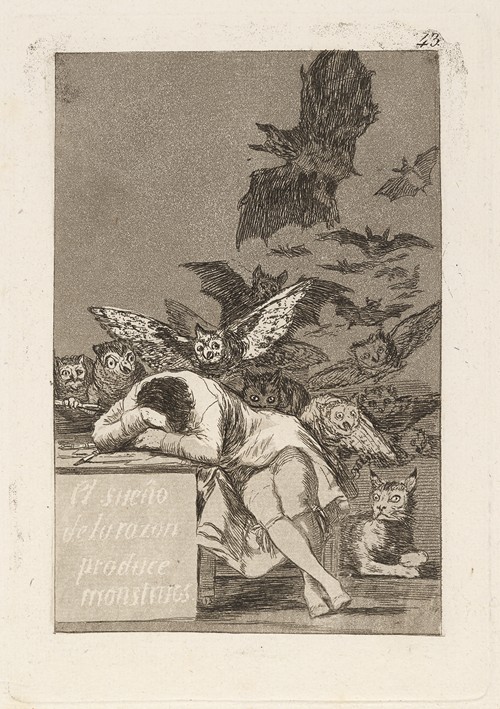
El sueño de la razon produce monstruos. (The sleep of reason produces monsters.)
Francisco de Goya
El sueño de la razon produce moustruos (Serie Caprichos)
Francisco de Goya
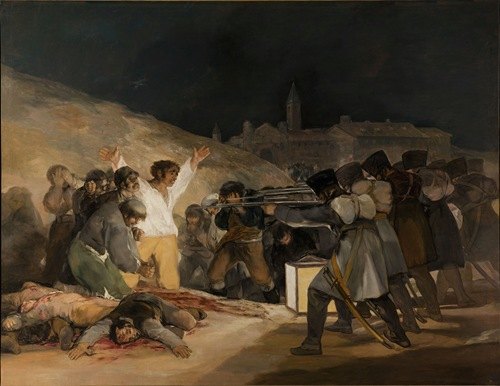
The Third of May
Francisco de Goya
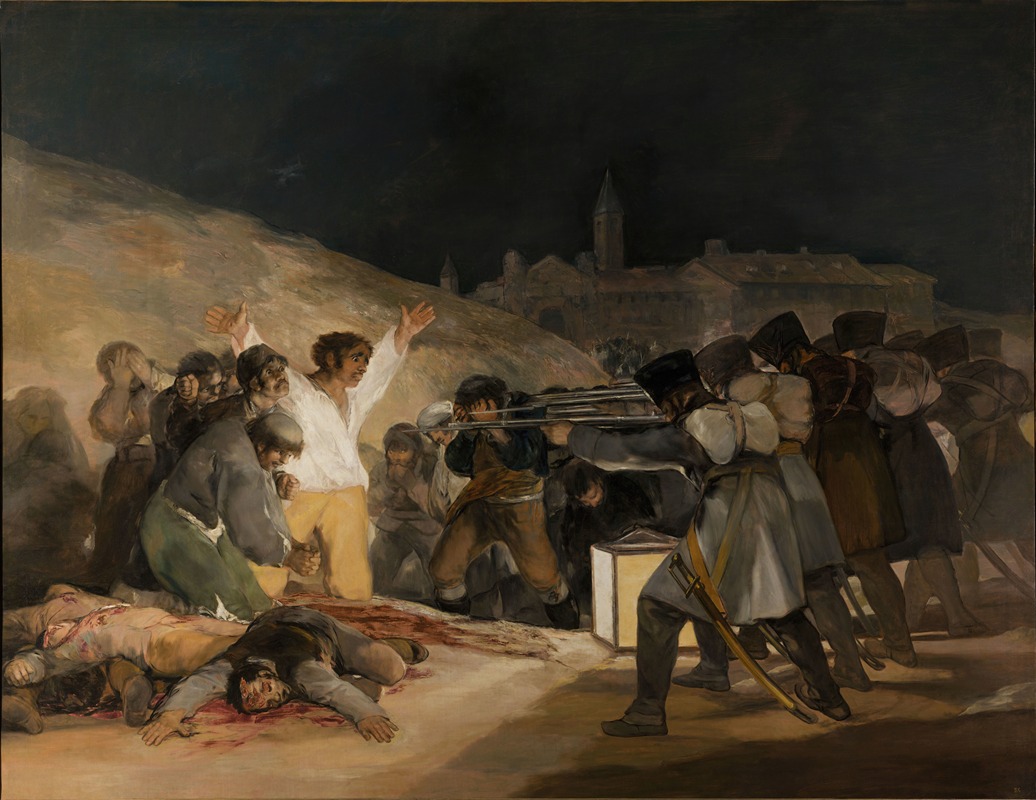
The Third of May 1808
Francisco de Goya
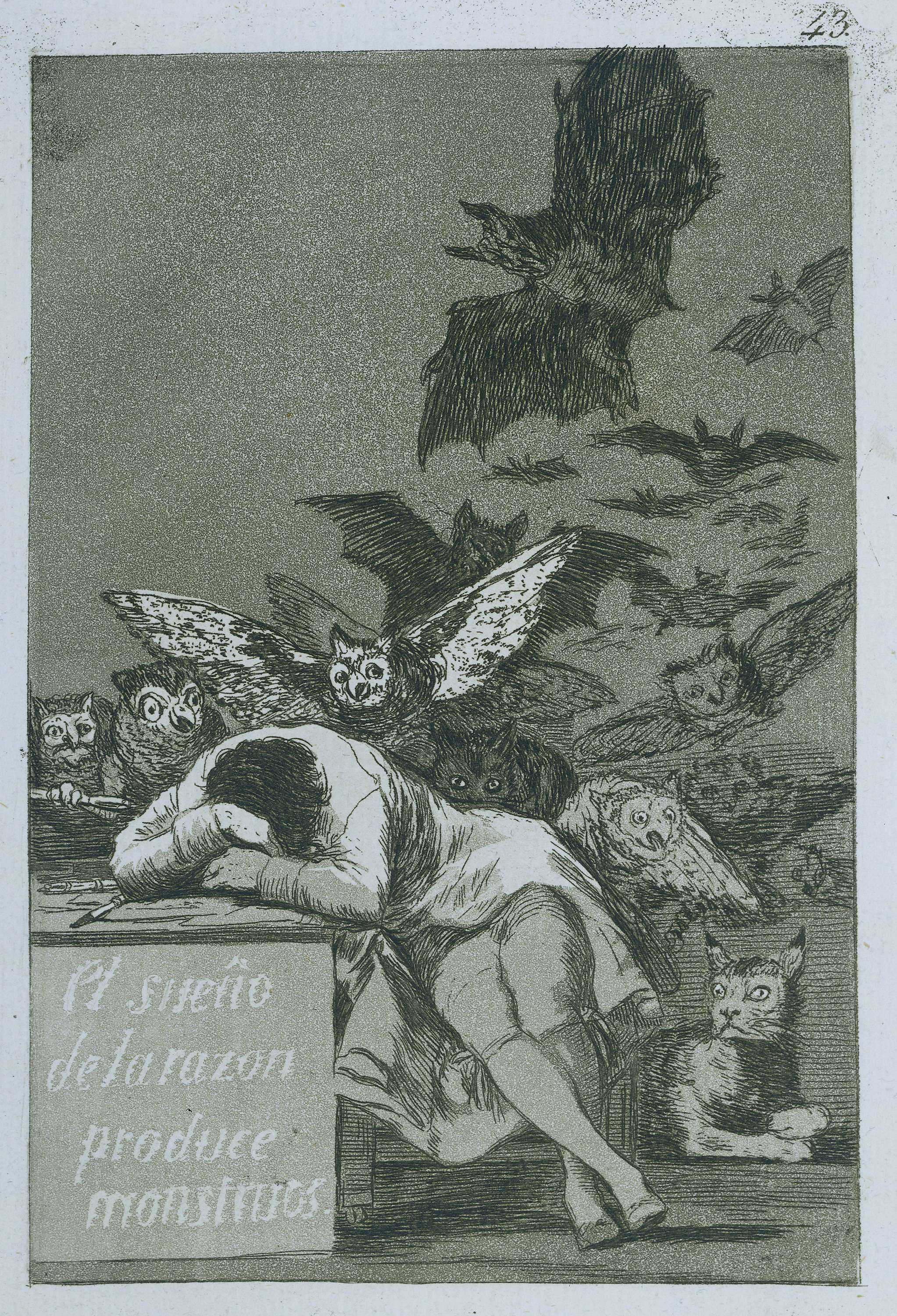
De slaap van de rede brengt monsters voort
Francisco de Goya
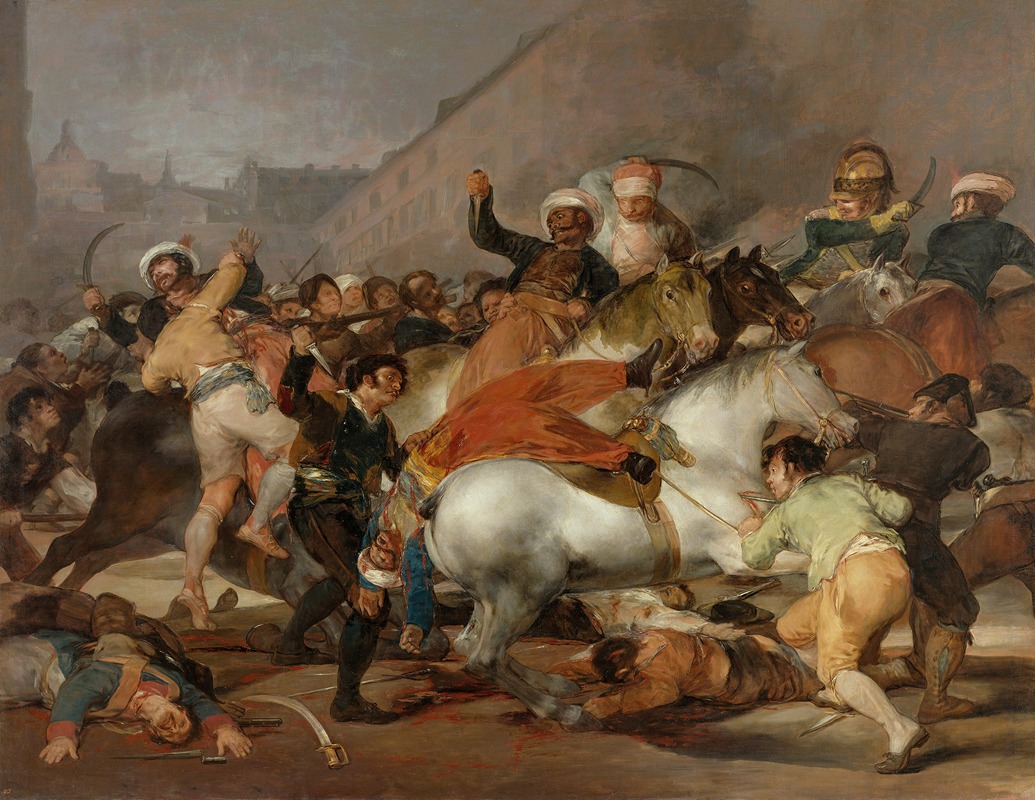
The Charge of the Mamelukes (1814)
Francisco de Goya