Discover insights about this artwork
Three Miracles of Saint Zenobius — History & Facts
In Three Miracles of Saint Zenobius, Sandro Botticelli presents a vibrant scene filled with rich colors. The painting features Saint Zenobius performing miracles, surrounded by figures who react with awe. The setting is a blend of architectural elements and natural landscapes, typical of the Renaissance style.
Botticelli's use of color creates a sense of movement and emotion among the characters. The painting is executed in tempera on panel, a medium that Botticelli often favored. Viewers can observe the intricate details in the clothing and expressions of the figures, showcasing Botticelli's skill in rendering human emotion. The dimensions are approximately 80 x 120 cm, making it a significant work within the context of Renaissance art.
The composition is carefully balanced, drawing the viewer's eye to the central figure of Saint Zenobius. Sandro Botticelli was a prominent figure of the Italian Renaissance, known for his unique style that combined grace and realism. This work, created in the 1490s, reflects Botticelli's interest in religious themes and narratives. An interesting fact about this painting is that it was commissioned for a church altar, emphasizing its role in the spiritual life of the community.
Botticelli's ability to convey complex narratives through visual art makes this piece a notable example of his oeuvre.
More Artworks by Sandro Botticelli
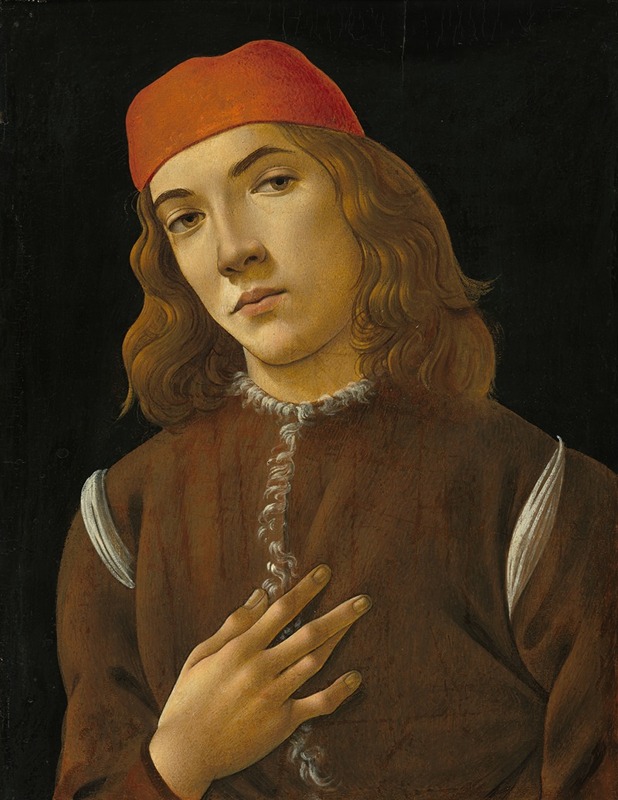
Portrait of a Youth
Sandro Botticelli
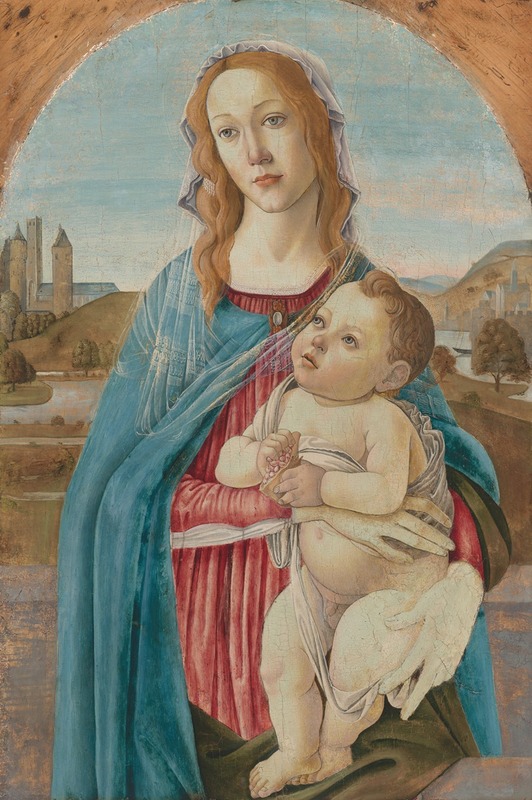
Virgin and Child
Sandro Botticelli
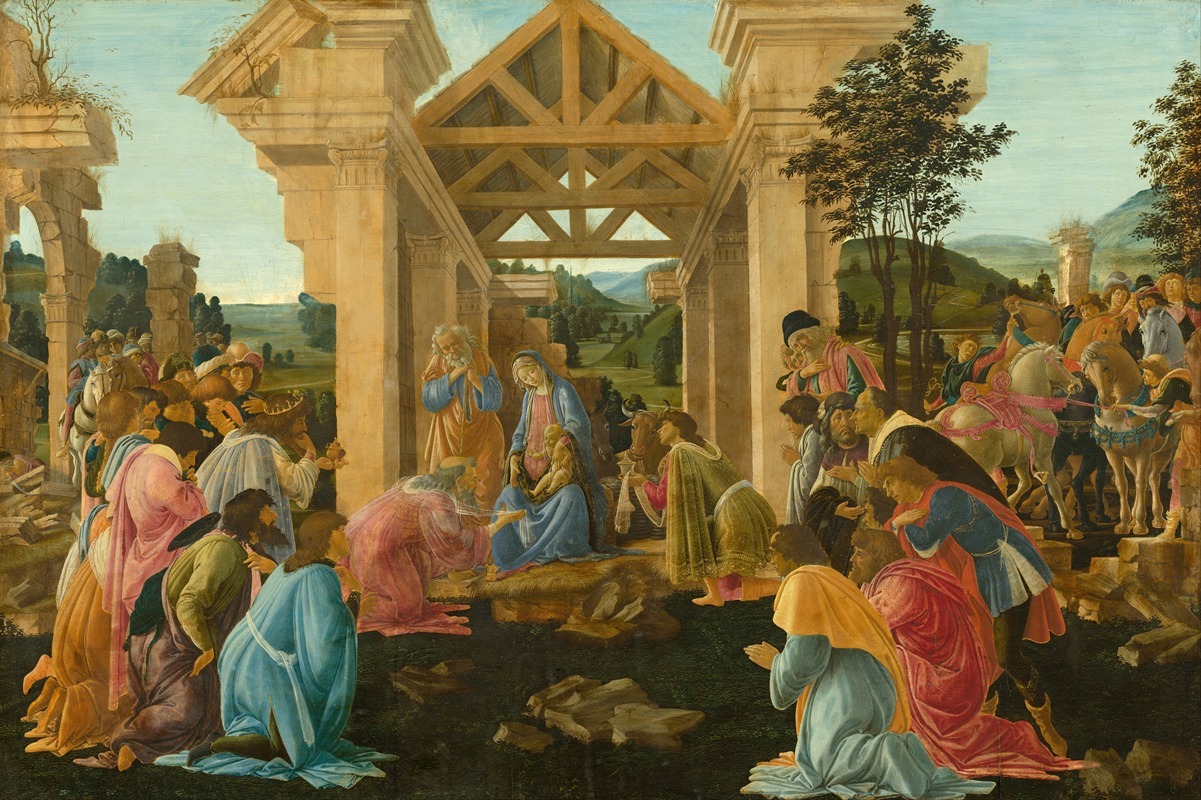
The Adoration Of The Magi
Sandro Botticelli

Madonna and Child with Angels
Sandro Botticelli
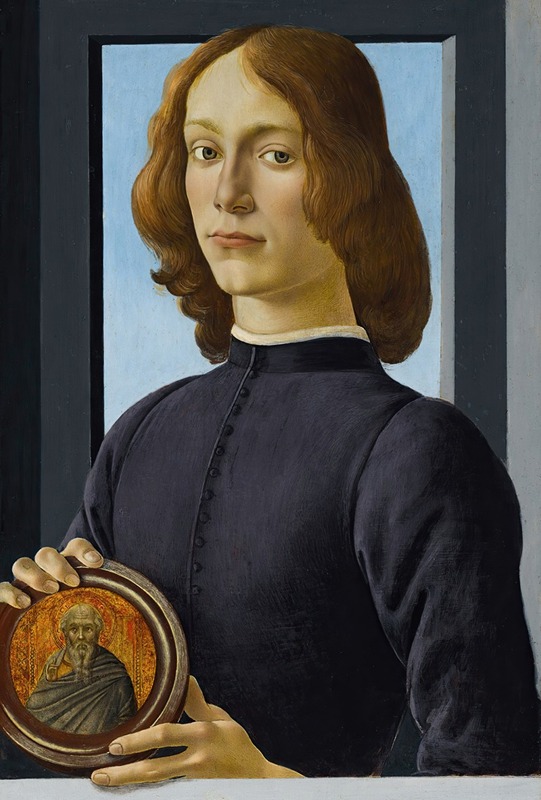
Portrait of a young man holding a roundel
Sandro Botticelli
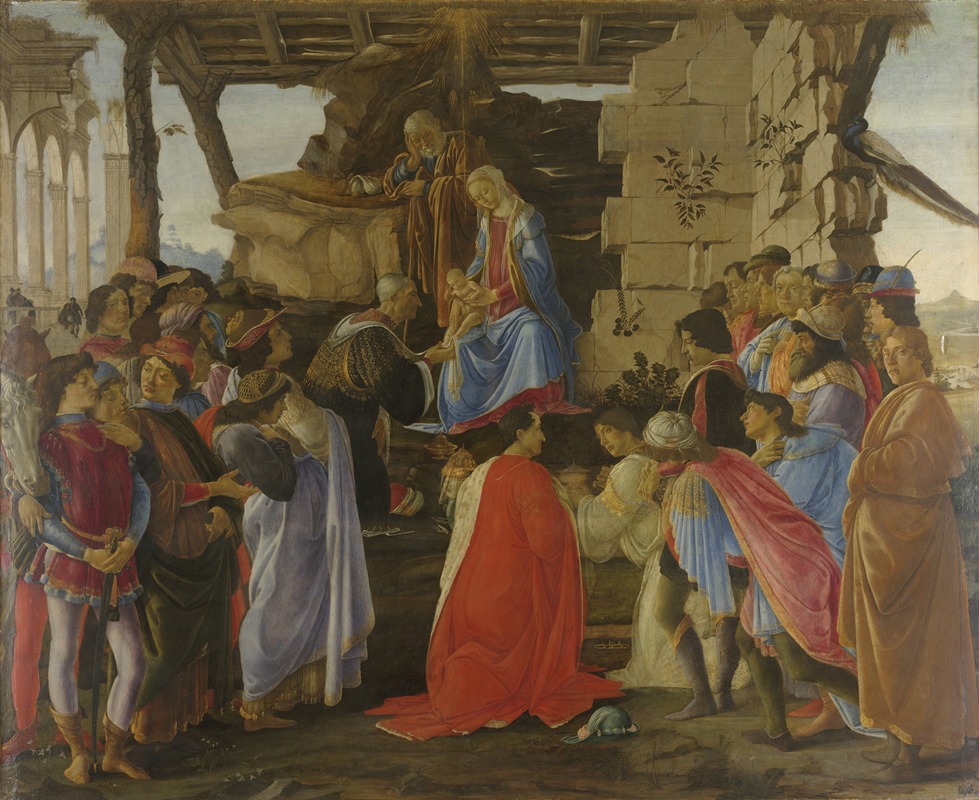
Adoration of the Magi
Sandro Botticelli
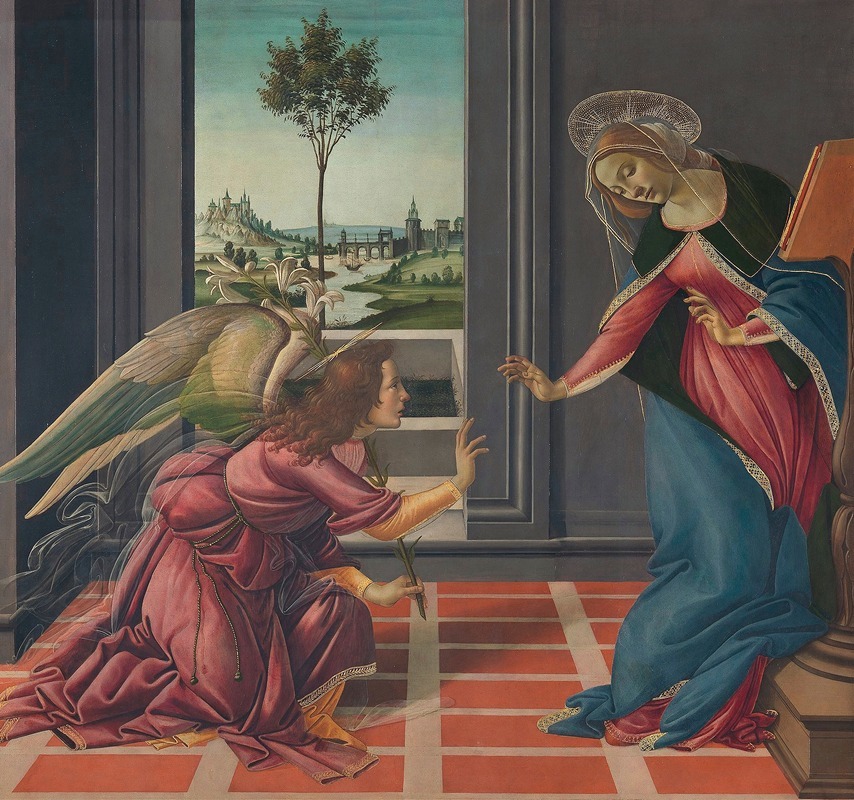
Annunciation
Sandro Botticelli
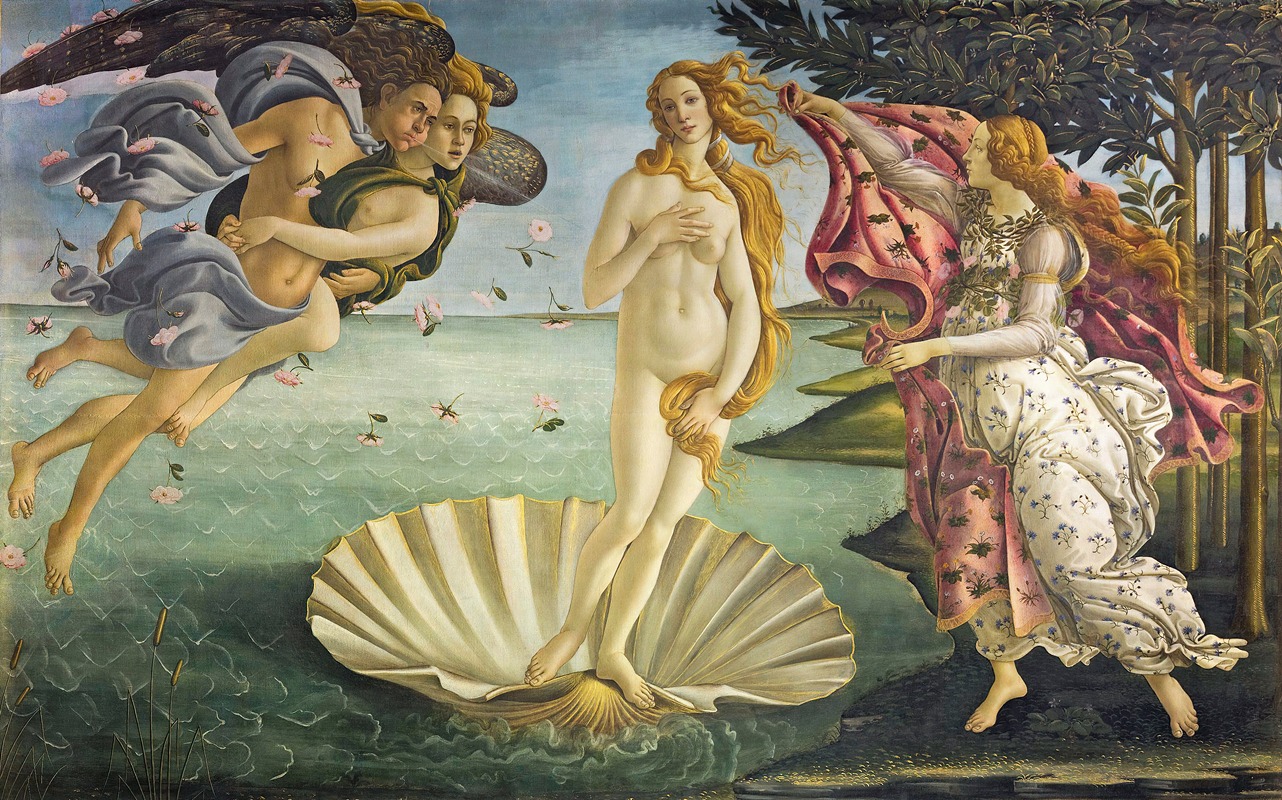
Birth Of Venus
Sandro Botticelli
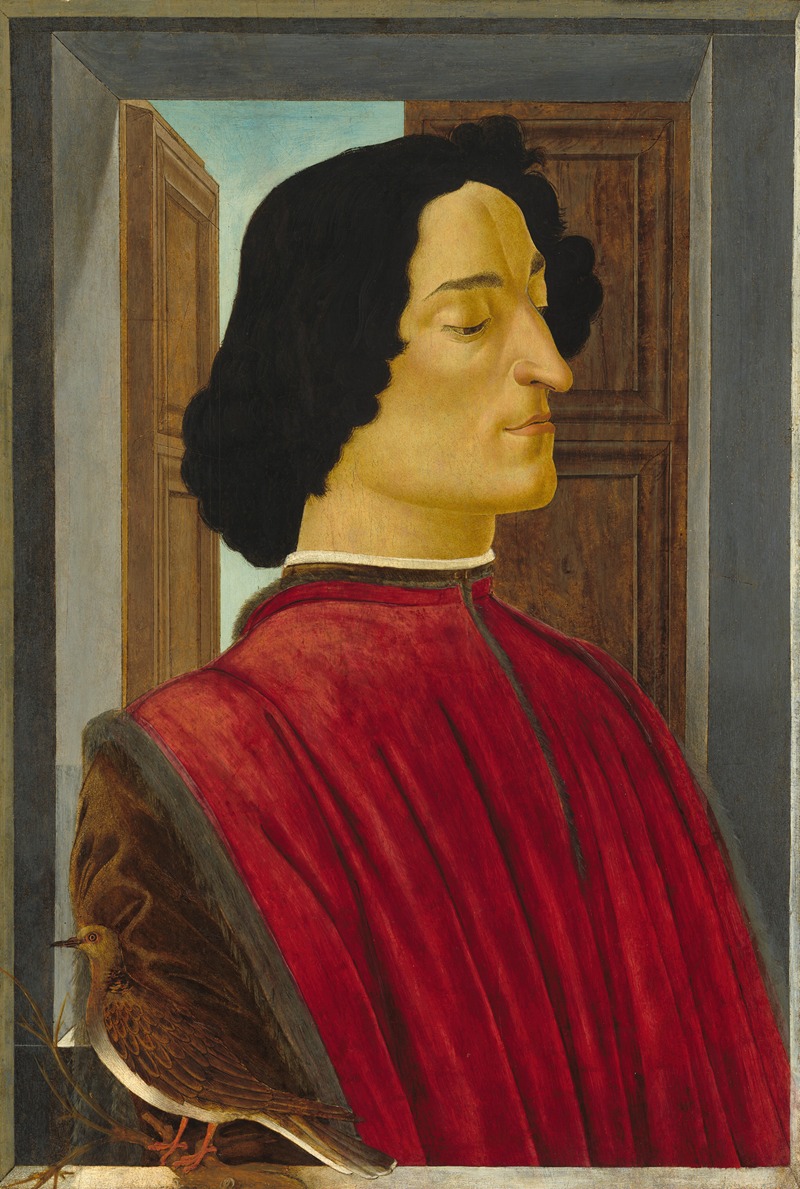
Giuliano de’ Medici
Sandro Botticelli
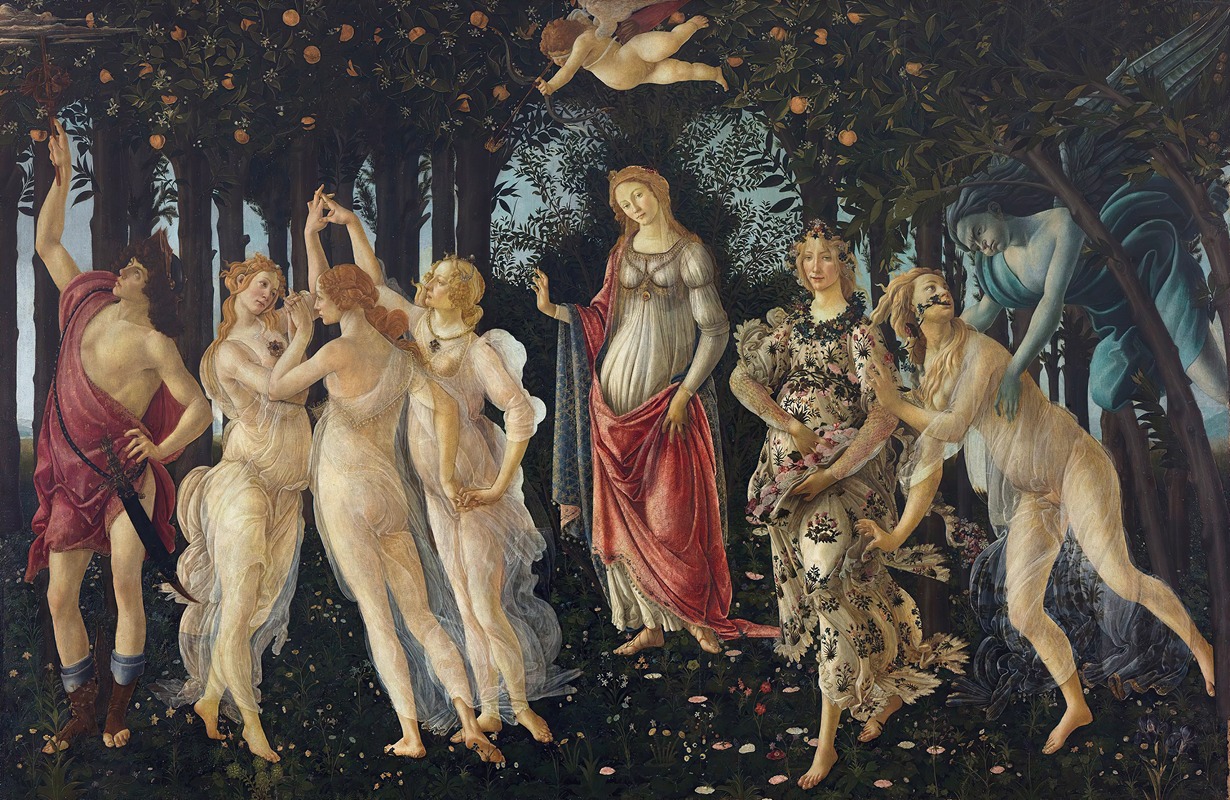
Spring
Sandro Botticelli