
Three Scenes from the Story of Esther — History & Facts
In the late 1460s, the powerful Florentine banker Giovanni di Zanobi di Matteo commissioned a series of panels for the private chapel of his family’s villa at Castello, just outside Florence. Among the most remarkable is Three Scenes from the Story of Esther by Sandro Botticelli, painted around 1470, which stands out for its rare depiction of a female biblical hero at a moment when Florence itself was wrestling with questions of civic virtue and personal courage. The choice of Esther—a Jewish queen who risked her life to save her people—was a pointed one for a city that saw itself as a new Jerusalem, threatened yet chosen.
Botticelli’s panel forms part of a larger cycle, but it is this work that most vividly captures the drama and moral stakes of the Esther narrative. The panel unfolds like a stage, compressing three pivotal episodes into a single architectural setting. At the left, Esther faints before King Ahasuerus, her body limp in a gesture of both vulnerability and resolve, as courtiers look on in alarm; in the center, the king extends his scepter, a symbol of mercy and acceptance; and to the right, Haman, the villain, is led away in disgrace. Botticelli’s use of continuous narrative—multiple moments in one frame—invites the viewer to move through time as well as space.
The crisp, linear perspective and the marble columns recall the innovations of Fra Angelico and Filippo Lippi, yet Botticelli’s figures are more emotionally charged, their gestures and glances weaving a web of suspense and relief. The golden light that falls on Esther’s pale face underscores her role as both supplicant and savior. While the original commission was intended for a private devotional space, the panel’s fate after its creation is less clear. It was likely separated from its companion pieces during the centuries of political upheaval that followed the fall of the Medici and the dispersal of Florentine treasures.
Today, Three Scenes from the Story of Esther is recognized as an early milestone in Botticelli’s career, revealing both his narrative gifts and his affinity for strong, complex women—traits that would later define his most famous works. The panel remains a touchstone for scholars tracing the evolution of Florentine painting on the eve of the Renaissance, and a rare testament to the power of storytelling in sacred art.
More Artworks by Sandro Botticelli
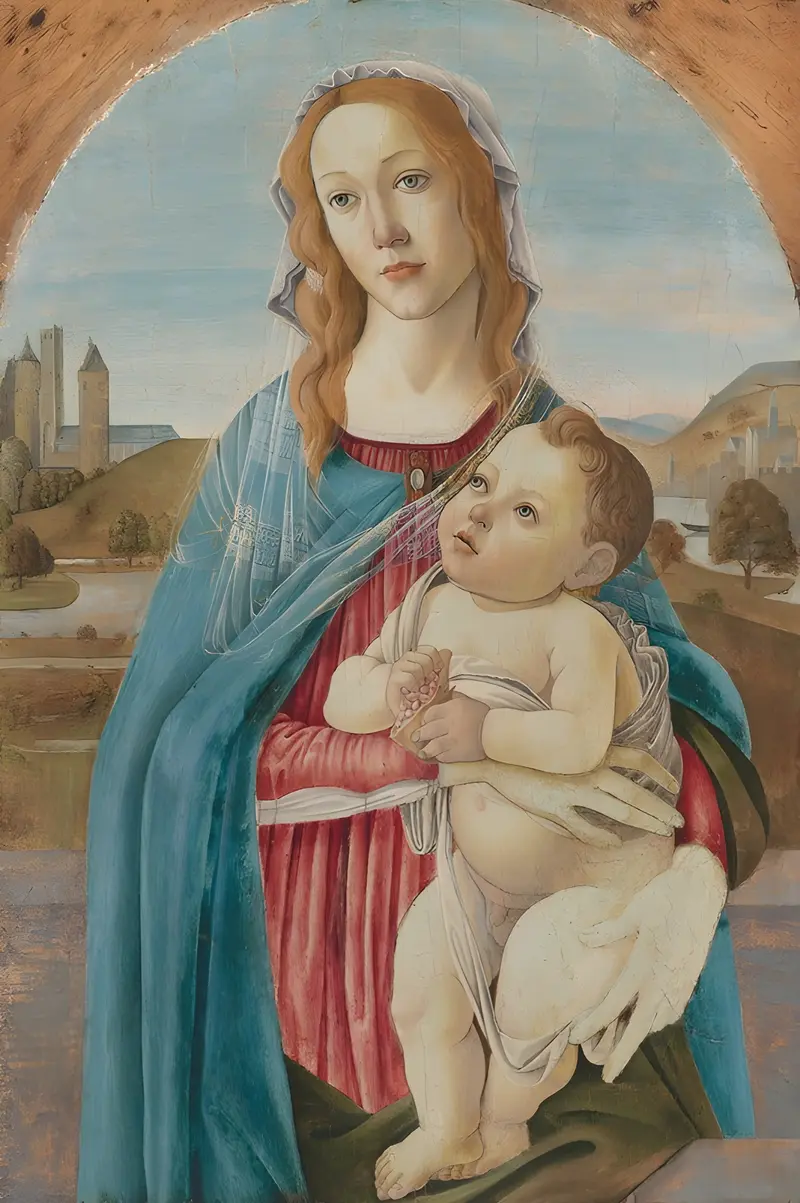
Virgin and Child
Sandro Botticelli
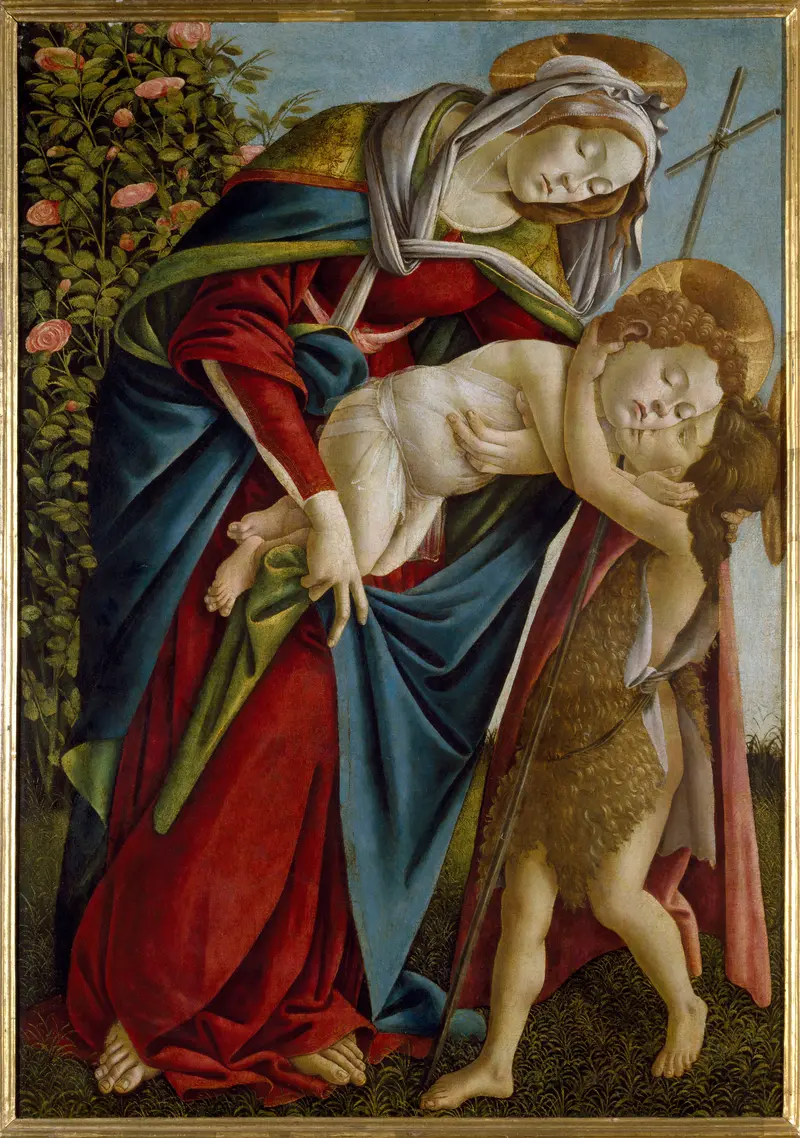
Madonna and Child and the Young St John the Baptist
Sandro Botticelli
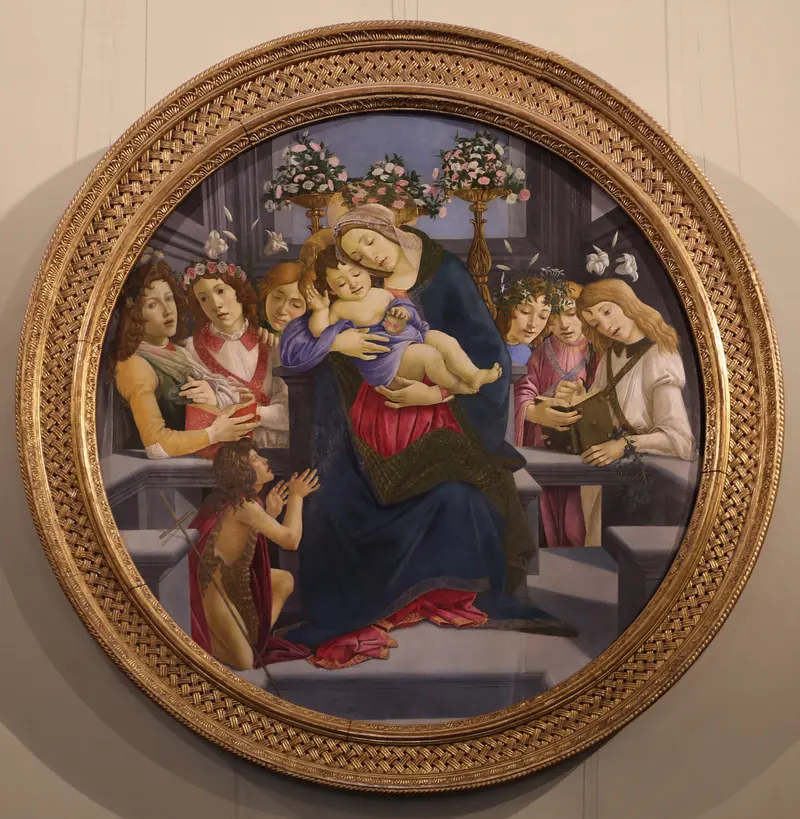
Madonna and Child with six angels and Saint John the Baptist as Child
Sandro Botticelli
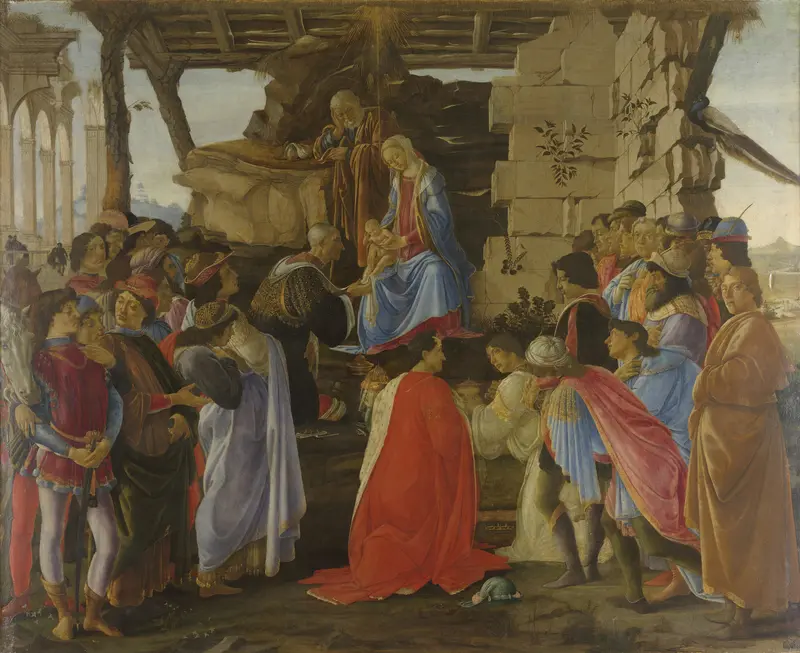
Adoration of the Magi
Sandro Botticelli

Virgin and Child with the Young Saint John the Baptist
Sandro Botticelli
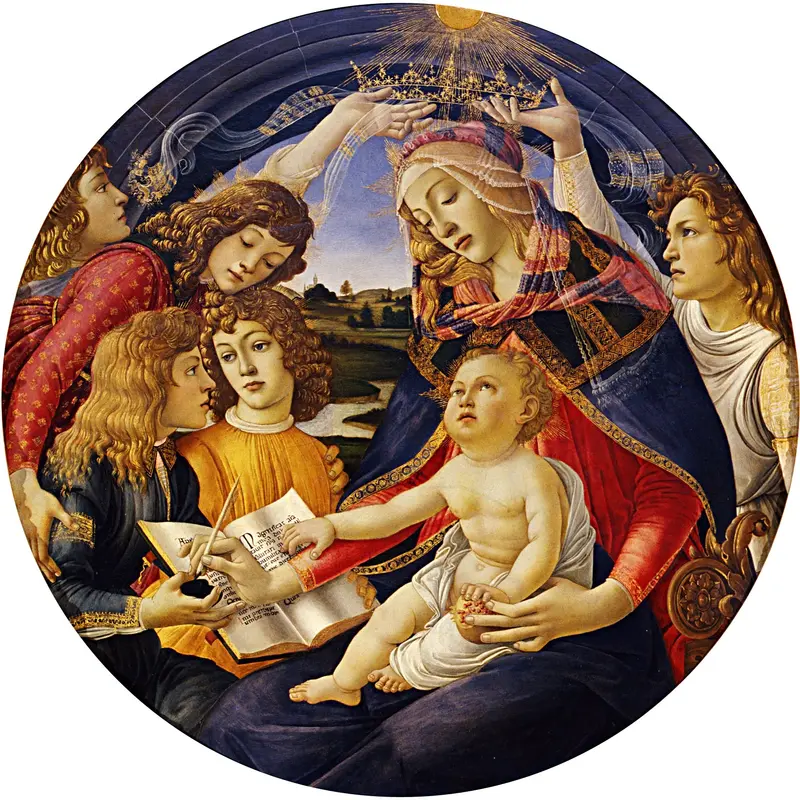
Madonna of the Magnificat
Sandro Botticelli
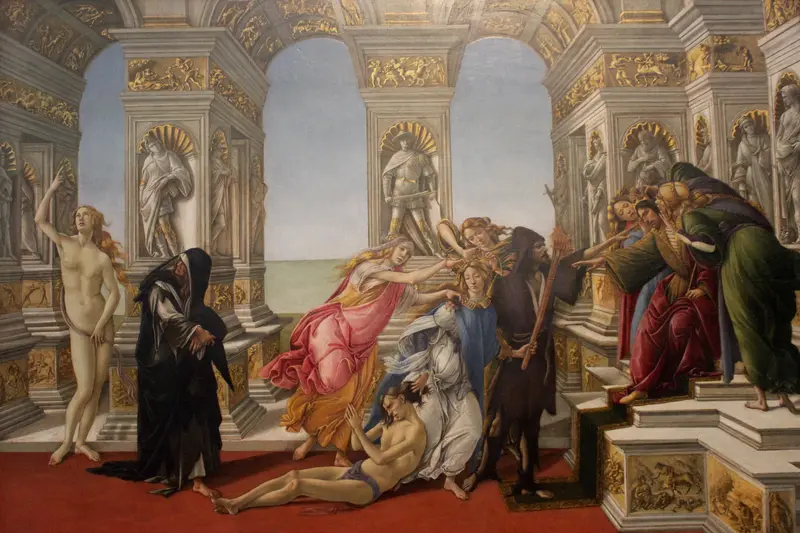
Calumny of Apelles
Sandro Botticelli
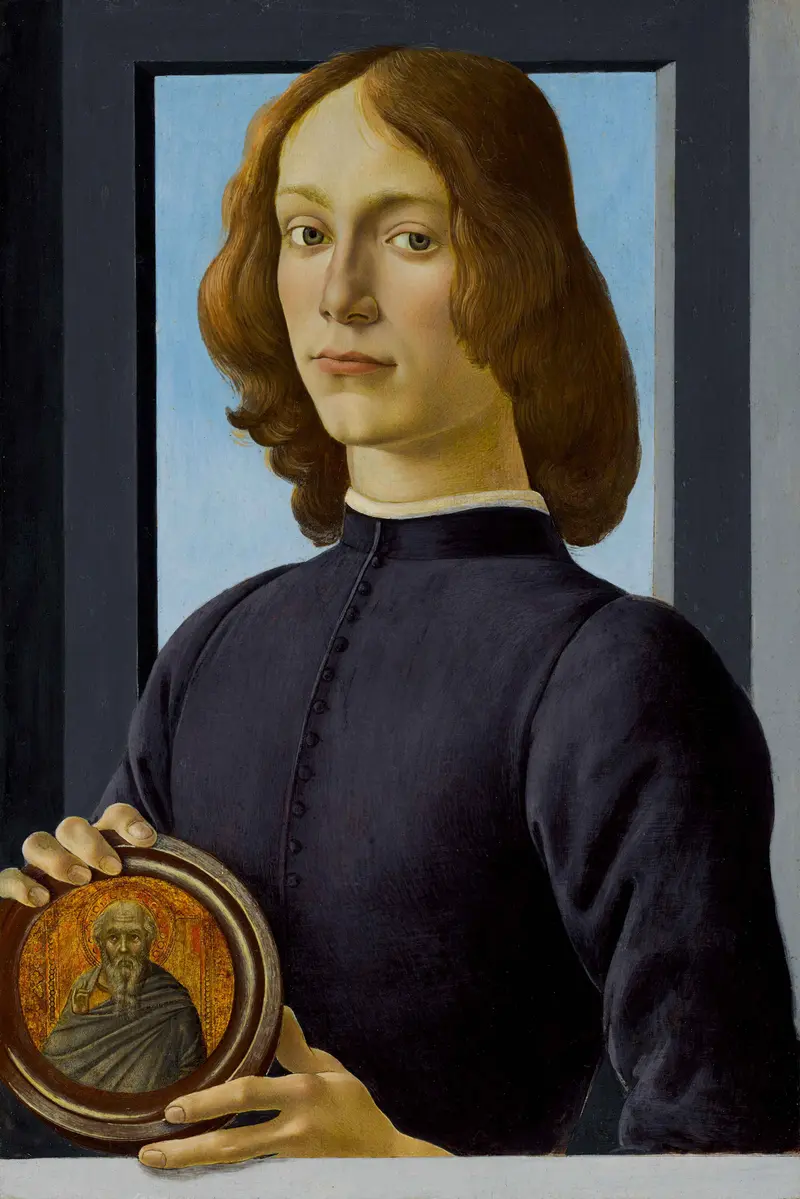
Portrait of a young man holding a roundel
Sandro Botticelli

The Trinity with Saint Mary Magdalene and Saint John the Baptist, the Archangel Raphael and Tobias
Sandro Botticelli
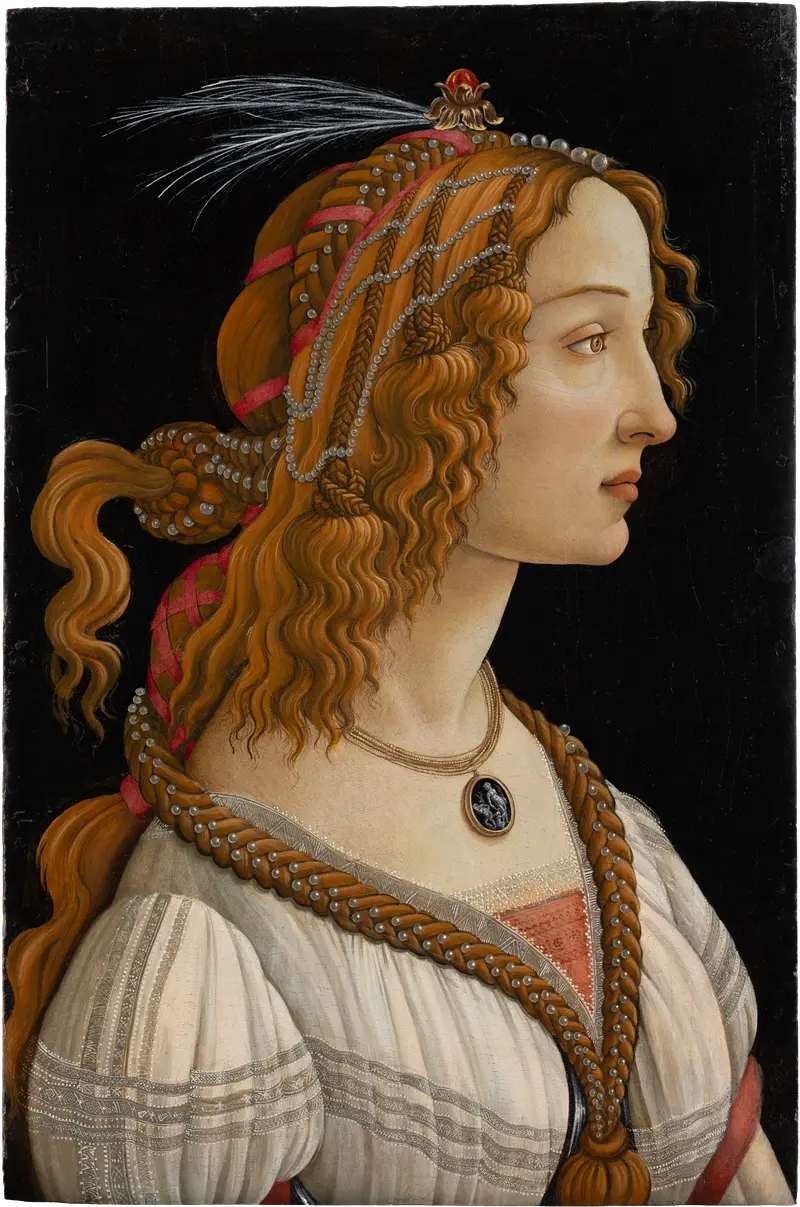
Idealized Portrait of a Lady (Portrait of Simonetta Vespucci as Nymph)
Sandro Botticelli





