
Threshing Corn — History & Facts
What secret hides in the quiet of the canvas? Beneath the soft strokes and muted colors lies a tumult of emotion, a silent chaos that resonates through time. Look to the center where a group of laborers bends low, their bodies forming a gentle rhythm against the backdrop of golden corn. The striking ochres and deep greens swirl together, capturing the essence of harvest while hinting at the toil behind the scenes. Notice how the sunlight filters through the scattered clouds, illuminating the figures in a way that both highlights their labor and casts long, haunting shadows, suggesting the weight of their work. Yet, it is the juxtaposition of the tranquil landscape and the frenetic energy of the workers that leaves a lasting impression.
Each laborer’s posture tells a story of fatigue and resilience, while the distant hills loom like silent witnesses to their efforts. The gentle breeze implied by the motion of the corn creates a tension between nature's beauty and the chaos of human endeavor, as if the earth breathes in tandem with its toilers, each a part of the greater cycle of life. In 1830, Peter DeWint captured this moment in a world increasingly defined by industrial change. Living in England, he was a prominent figure in the Romantic movement, which sought to celebrate the sublime beauty of nature and the human spirit.
At this time, the art world was shifting, grappling with themes of modernity, and DeWint's focus on rural life was a poignant reminder of the delicate balance between nature and the encroaching chaos of industry.
More Artworks by Peter DeWint
Browse all →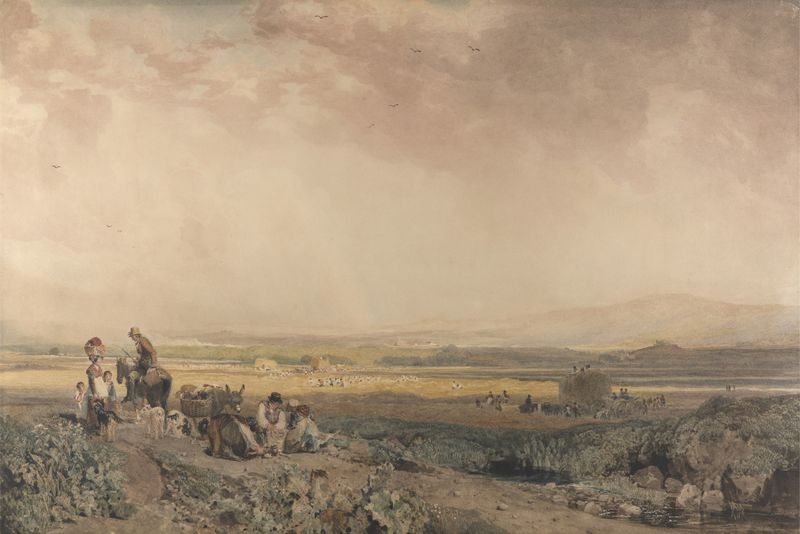
Harvesters in Landscape in Sussex
Peter DeWint

Barden Tower, Yorkshire
Peter DeWint
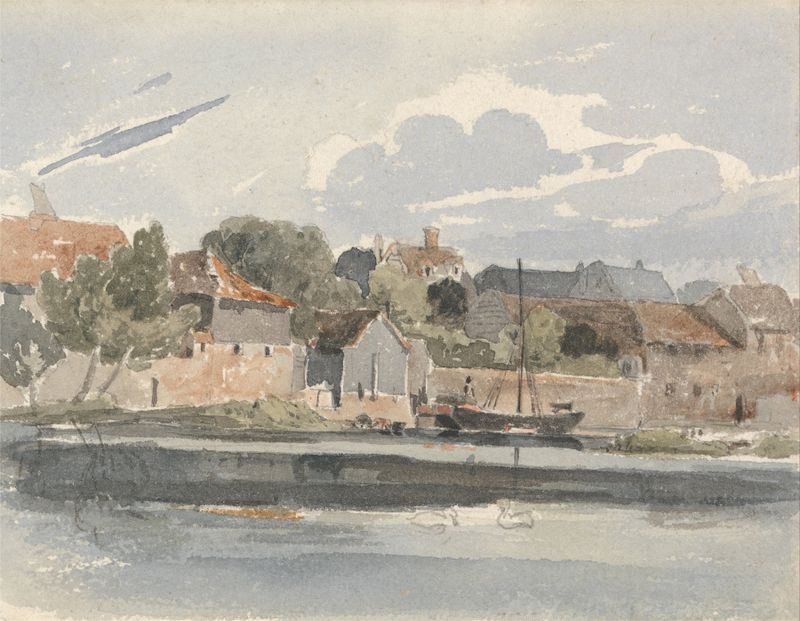
View of the Thames at Kingston
Peter DeWint

Windsor Castle
Peter DeWint

Harvest Time.
Peter DeWint
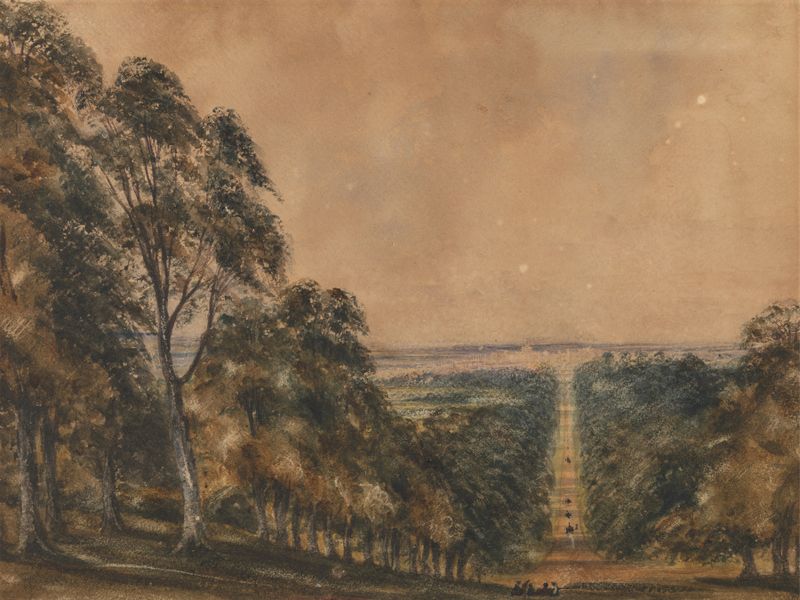
The Long Walk, Windsor.
Peter DeWint
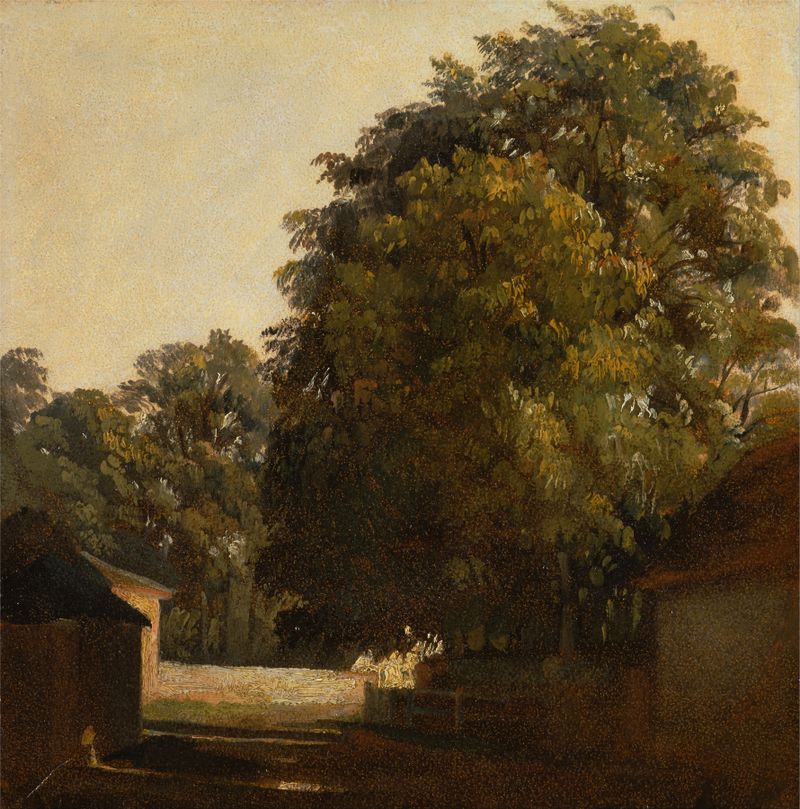
Landscape with Chestnut Tree
Peter DeWint
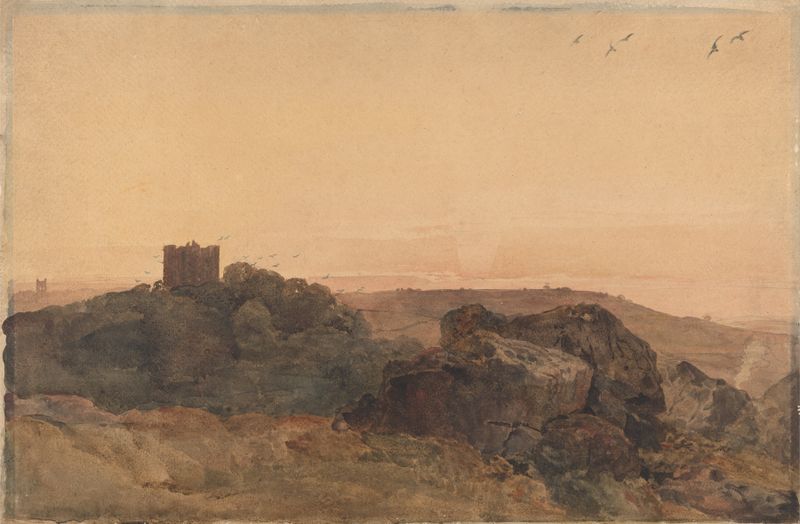
Bolton Castle
Peter DeWint
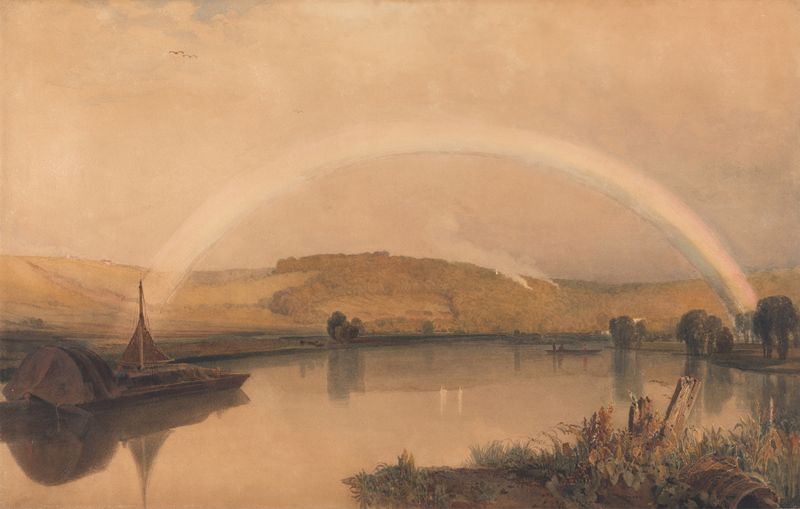
On the Thames
Peter DeWint
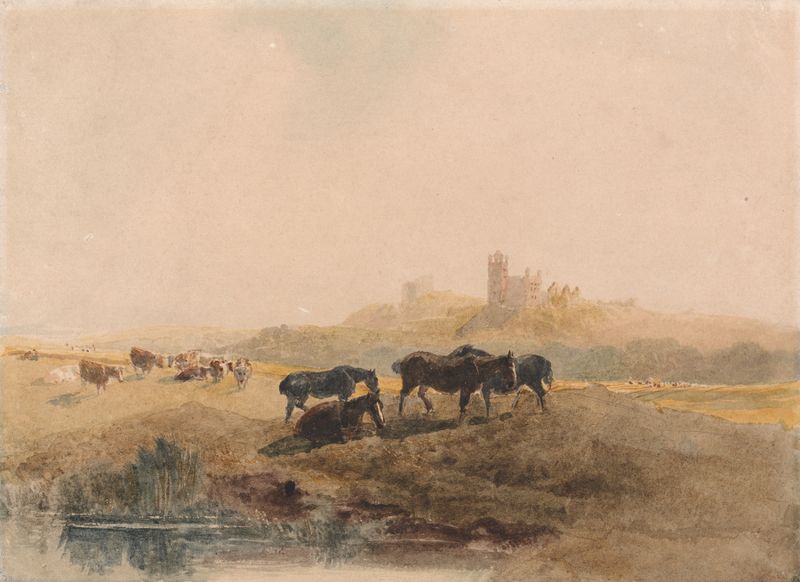
Horses Resting in a Meadow near Bolsover Castle
Peter DeWint





