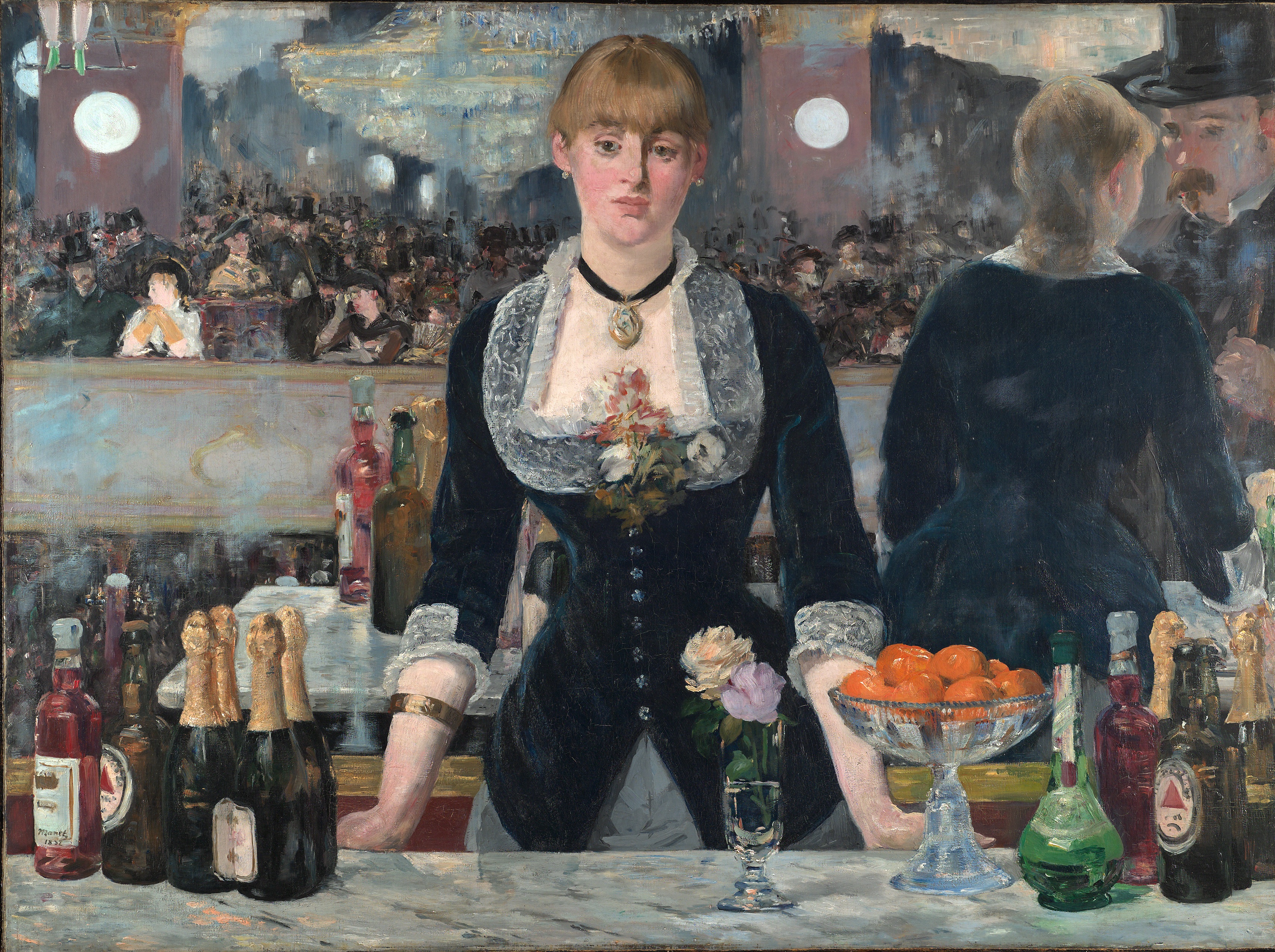
Théâtre de la Renaissance — History & Facts
This sentiment resonates deeply with the haunting solitude captured in the bustling yet isolating scene of a theater’s façade, where each figure moves through a world teeming with life yet wrapped in their own silences. Focus first on the dimly lit entrance, where shadows mingle with the warm glow emanating from above. The interplay of light and shadow draws your eye to the ornate details of the architecture, inviting you to explore the delicate curves and intricate decorations that breathe life into the structure. Notice how the figures stand, some engaged in conversation while others appear detached, emphasizing their individual experiences amidst the crowd.
The muted palette subtly contrasts the glimmer of the theater, conveying both allure and an underlying sorrow. Within this vibrant scene lies an emotional tension that speaks to the heart of loneliness. The lavish surroundings juxtapose the inner struggles of those who inhabit this space, revealing how opulence can be a veneer over deeper feelings of isolation. The juxtaposition of joyous anticipation and quiet despair in the figures hints at the duality of human experience—celebration intertwined with personal longing, where joy exists alongside vulnerability. Eugène Galien-Laloue painted this work during a time when the Parisian art scene was bursting with innovation, yet it often reflected the profound loneliness that came with urban life.
Active in the late 19th and early 20th centuries, he captured the essence of bustling city life while often exploring themes of solitude. His ability to blend architectural grandeur with the complexity of human emotion marked a significant contribution to the art of his era.
More Artworks by Eugène Galien-Laloue
Browse all →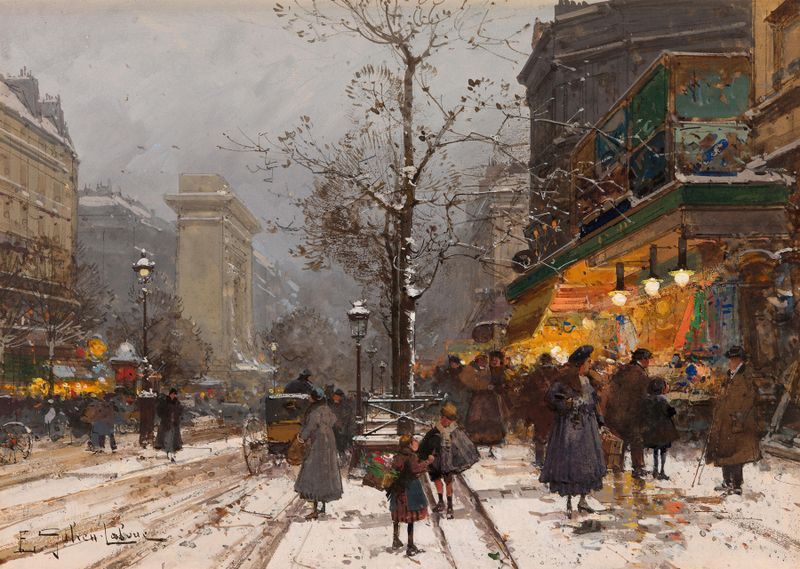
Boulevard Bonne – Nouvelle sous la neige
Eugène Galien-Laloue
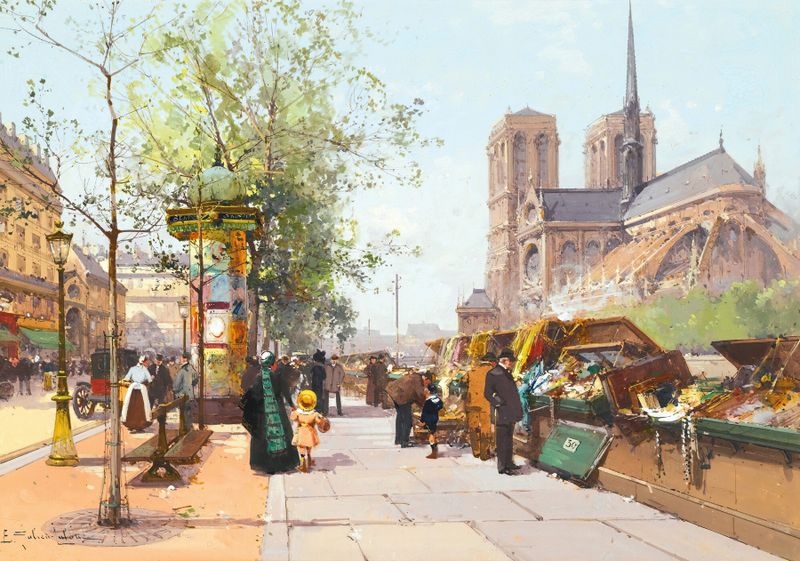
Notre Dame De Paris
Eugène Galien-Laloue
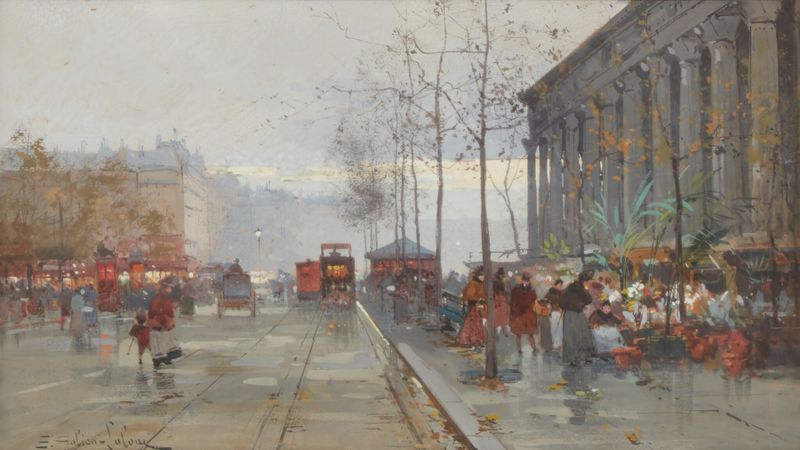
Le Marché aux fleurs de la Madeleine
Eugène Galien-Laloue
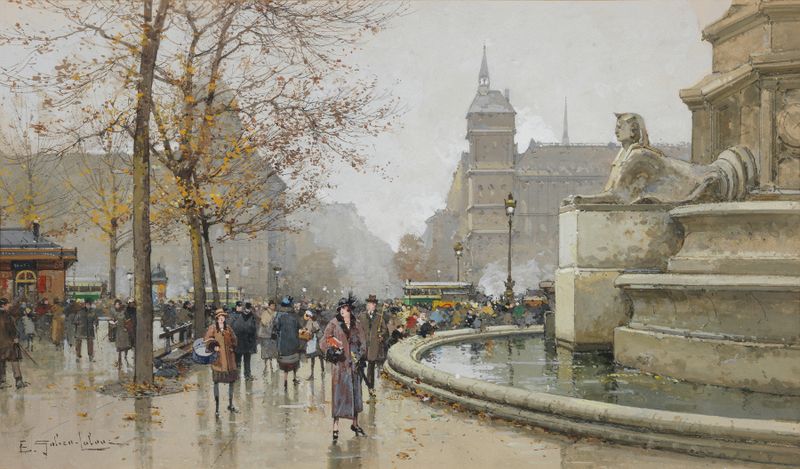
La fontaine du Palmier, place du Châtelet
Eugène Galien-Laloue
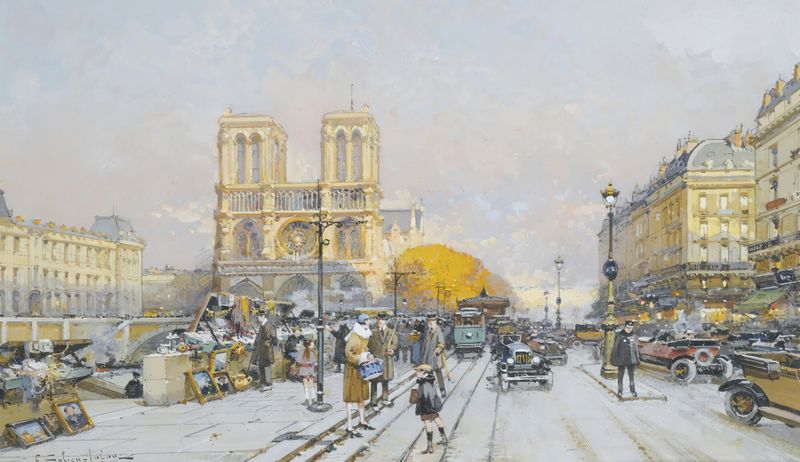
Notre Dame
Eugène Galien-Laloue
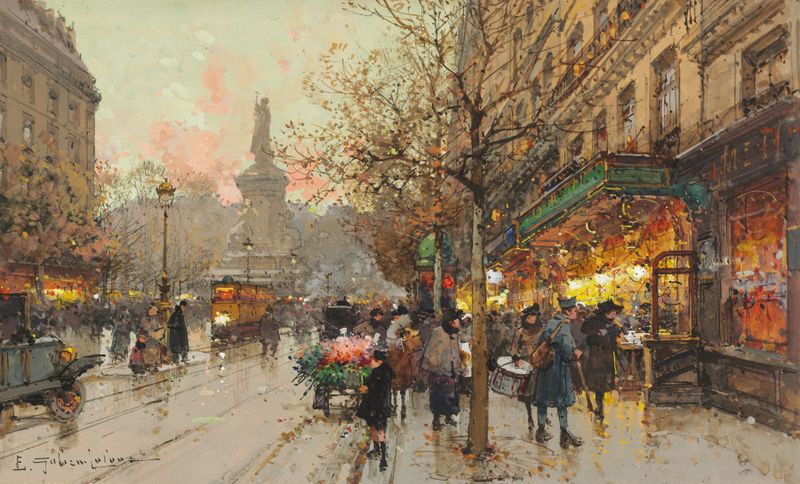
Place De La République
Eugène Galien-Laloue
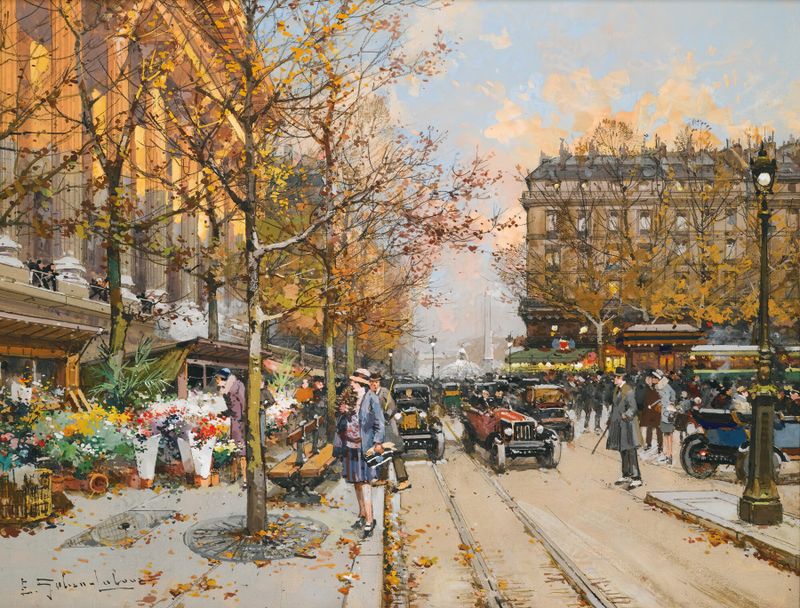
Place De La Madeleine
Eugène Galien-Laloue
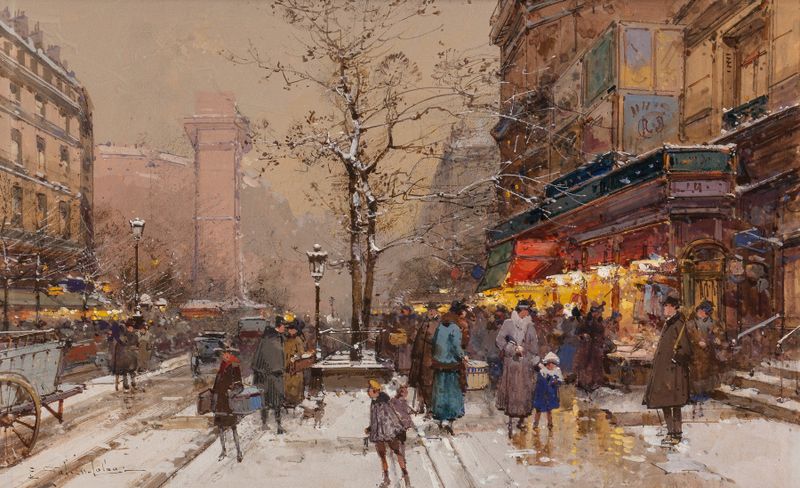
Porte Saint-Denis
Eugène Galien-Laloue
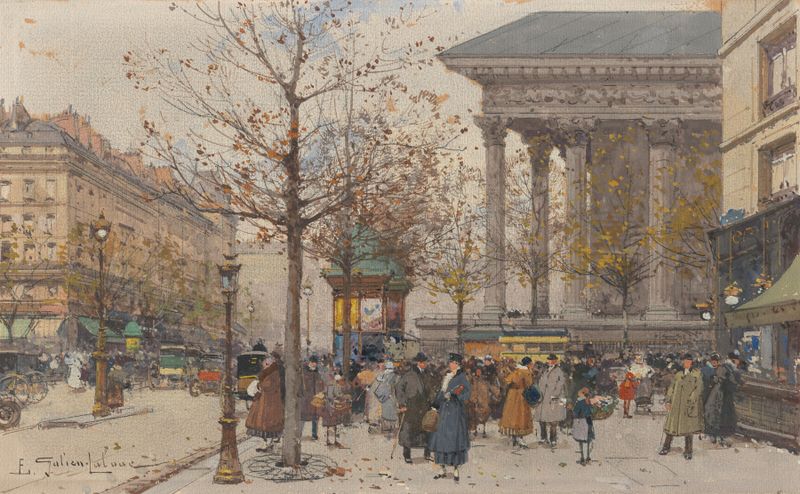
Vue animée de la Madeleine
Eugène Galien-Laloue
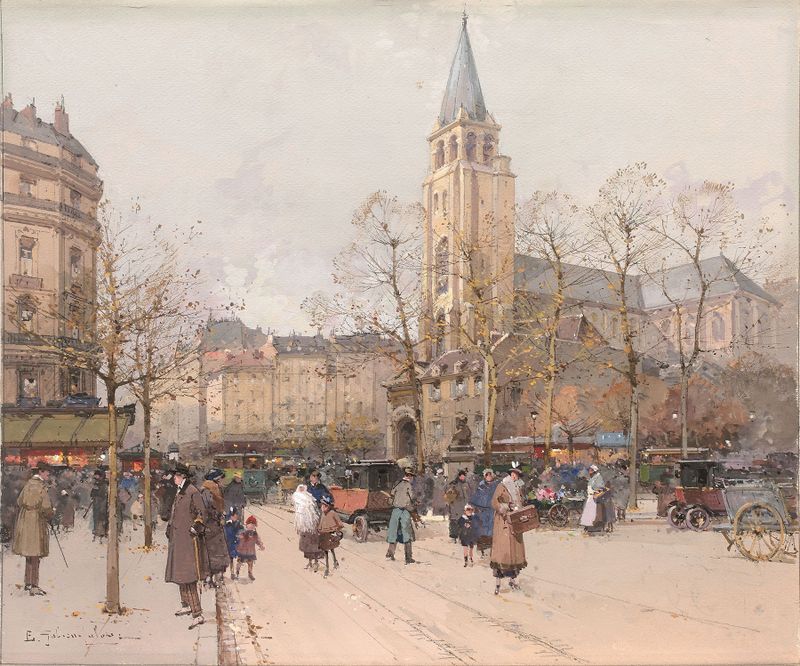
Vue des boulevards à Saint-Germain-des-Prés
Eugène Galien-Laloue