
Tintagel Coast — History & Facts
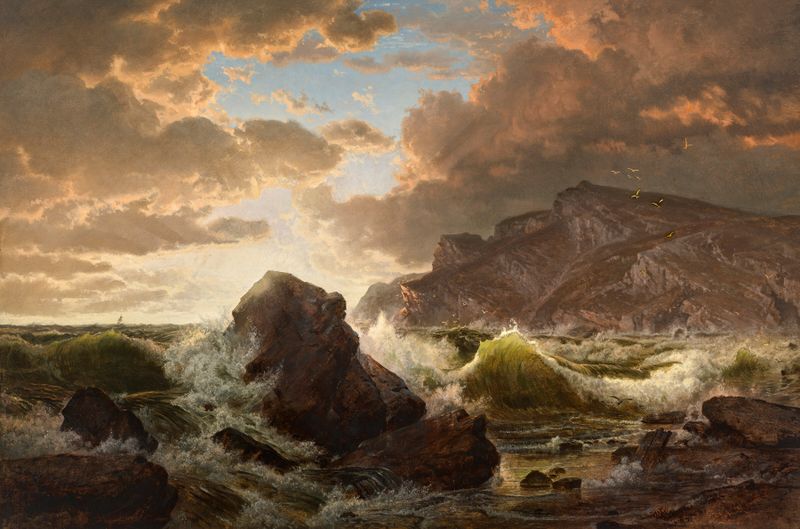
Did the painter know this moment would outlive them? In Tintagel Coast, light spills across the rugged cliffs and tumultuous sea, capturing an eternal dance between shadow and brilliance that defies time. Look to the left at the jagged rocks, the way they jut into the canvas with a sense of raw power. Focus on the waves crashing against them, each brushstroke meticulously capturing the froth and energy of the ocean. Notice how the warm sunlight filters through the clouds, illuminating patches of the water, while the darker areas suggest depths and mystery.
The color palette—the deep blues and crisp whites juxtaposed with the earthy browns of the cliffs—creates a harmonious yet dynamic interplay that invites the viewer to linger. Beneath the surface lies a tension between the transient and the eternal. The foamy waves, ever-shifting, represent time's relentless march, while the steadfast cliffs symbolize permanence and resilience. This duality hints at nature's power to both create and erode, evoking a sense of longing for moments that, like the light, seem ethereal yet are captured forever on canvas.
The clouds, heavy with impending rain, suggest a storm both literal and metaphorical, encapsulating the dual nature of beauty and turmoil. In 1884, when this piece was created, Richards was in the midst of exploring his fascination with the coastal landscape of Cornwall. This period marked a significant shift in American landscape painting, as artists began to embrace the emotional and atmospheric qualities of their subjects. Nature was a source of inspiration and a reflection of an ever-changing world, serving as a backdrop for the artist's own personal journey through the complexities of life and creativity.
More Artworks by William Trost Richards
Browse all →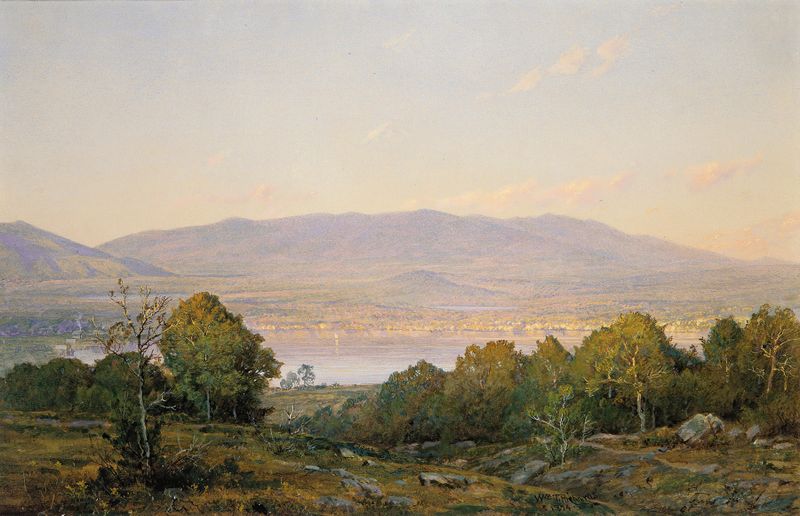
Sundown at Centre Harbor, New Hampshire
William Trost Richards
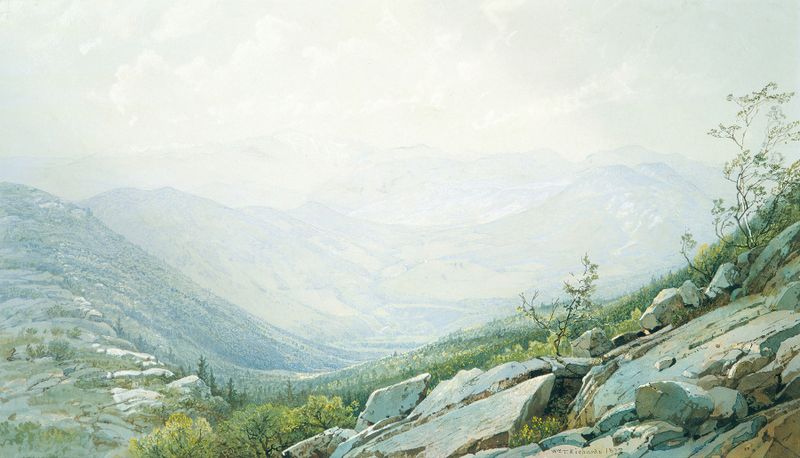
The Mount Washington Range, from Mount Kearsarge
William Trost Richards
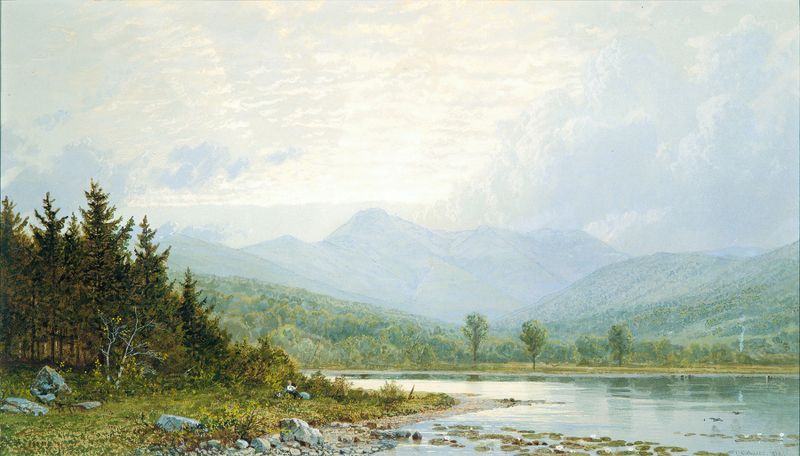
Sunset on Mount Chocorua, New Hampshire
William Trost Richards
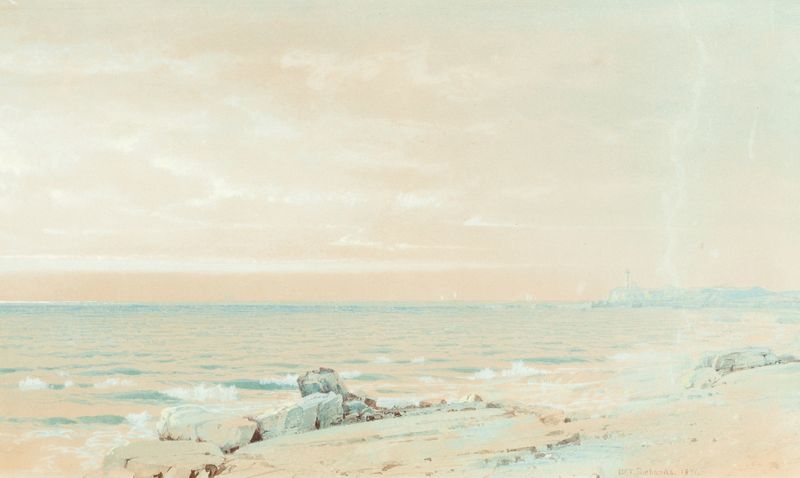
Point Judith
William Trost Richards

Moonlight on Mount Lafayette, New Hampshire
William Trost Richards

Point Judith
William Trost Richards

Dunes Near Atlantic City
William Trost Richards

Near Lands End, Cornwall
William Trost Richards
Coastal Scene
William Trost Richards

Crashing Waves
William Trost Richards





