
To the mountains — History & Facts
In the quiet embrace of time, art stands as a testament to our aspirations and legacies, yearning to tell its story. Focus on the sweeping curves of the mountains that dominate the background, drawing your gaze toward the horizon. The artist’s use of muted greens and earthy browns creates a serene palette, evoking both the tranquility and majesty of nature. Notice how the brushstrokes breathe life into the hills, with subtle variations in texture suggesting the passage of time and the weight of history.
In the foreground, shadows play thoughtfully, inviting a sense of depth and introspection. As you explore the interplay between light and shadow, consider the contrast between the distant peaks and the gentle slopes below. This dichotomy hints at the duality of human ambition — the climb toward greatness often shadowed by the burdens of the past. The painting captures a moment of quiet contemplation, suggesting that the journey to the mountains is also a journey inward, reflecting on what we leave behind and what we strive to reach. In 1916, during a tumultuous period of war and upheaval, the artist was in Prague, navigating both personal challenges and the broader currents of European art.
Influenced by the emotive power of the landscape, Halász-Hradil sought to convey not only the beauty of nature but also the complexities of existence, creating a legacy that resonates with the viewer, echoing through generations.
More Artworks by Elemír Halász-Hradil
Browse all →
Self-Portrait
Elemír Halász-Hradil
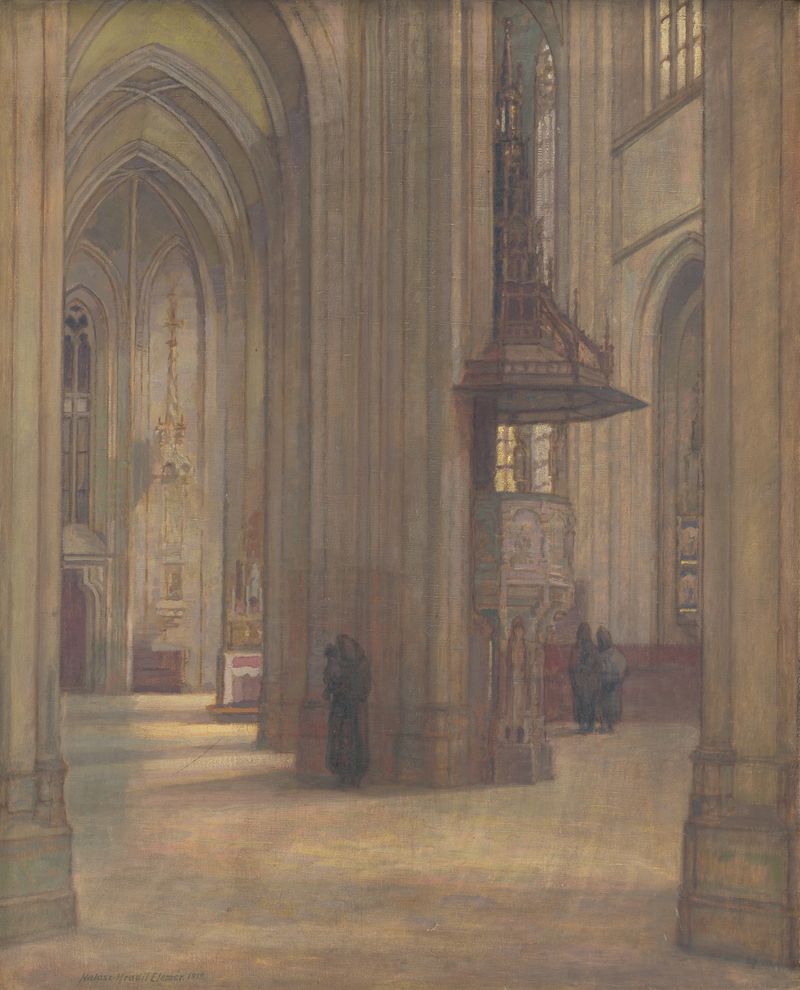
Interior of St. Elisabeth Cathedral
Elemír Halász-Hradil
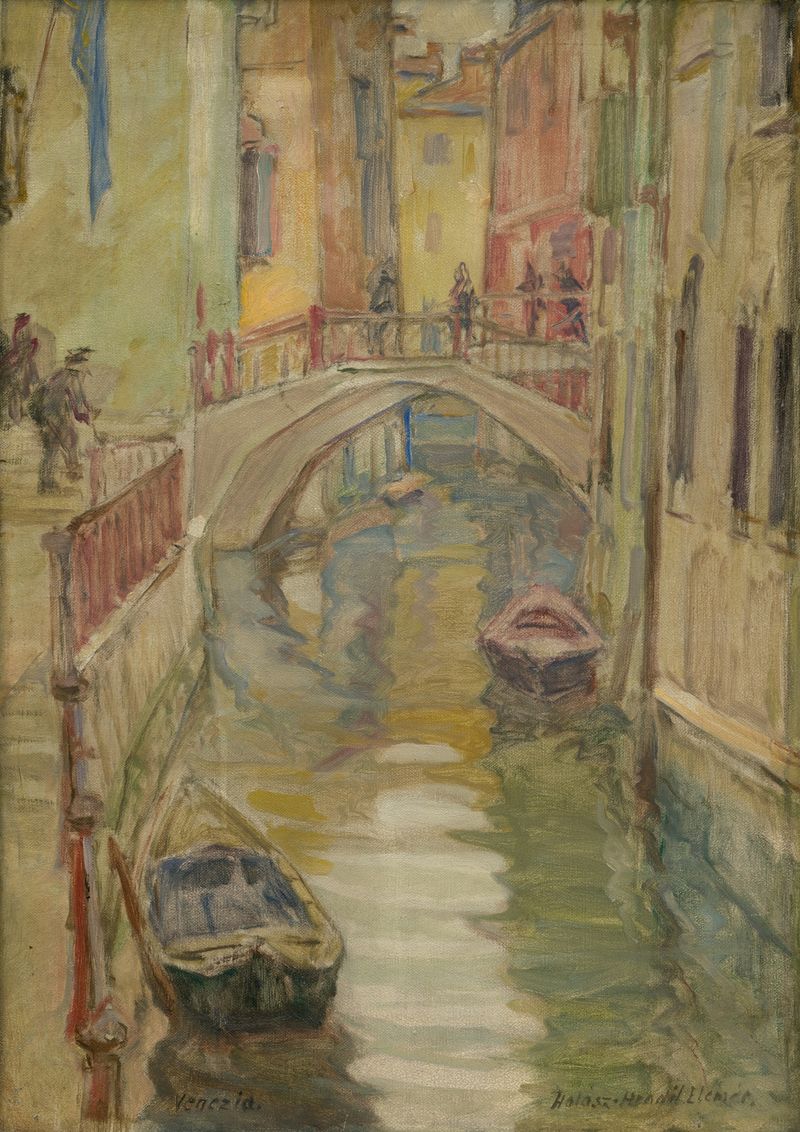
Venice
Elemír Halász-Hradil
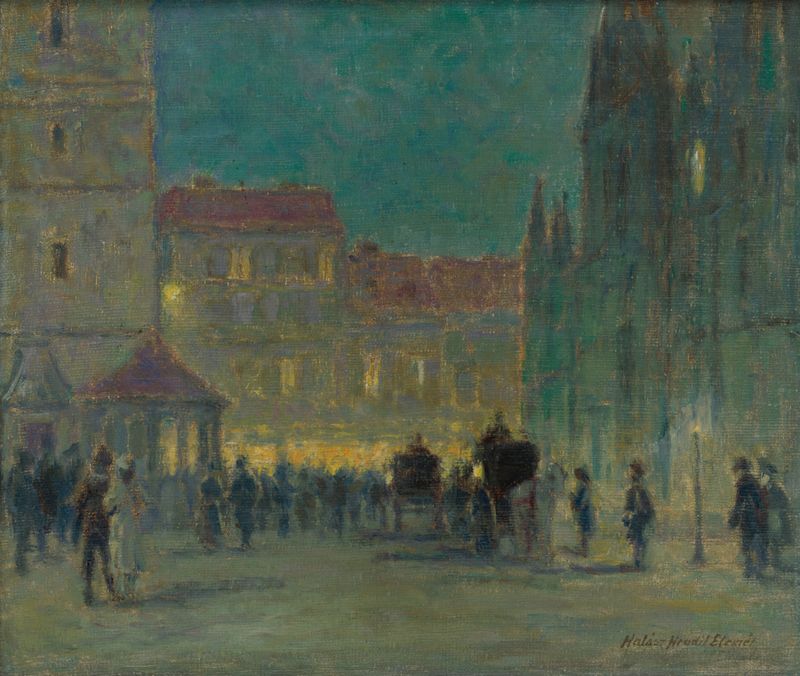
Evening in front of the St. Elisabeth Cathedral
Elemír Halász-Hradil
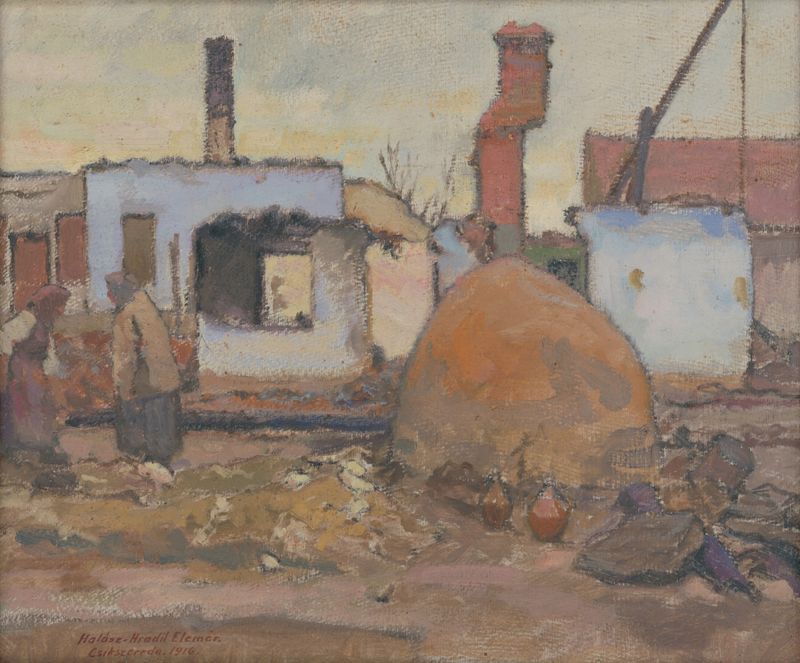
After the Passage of the Front
Elemír Halász-Hradil
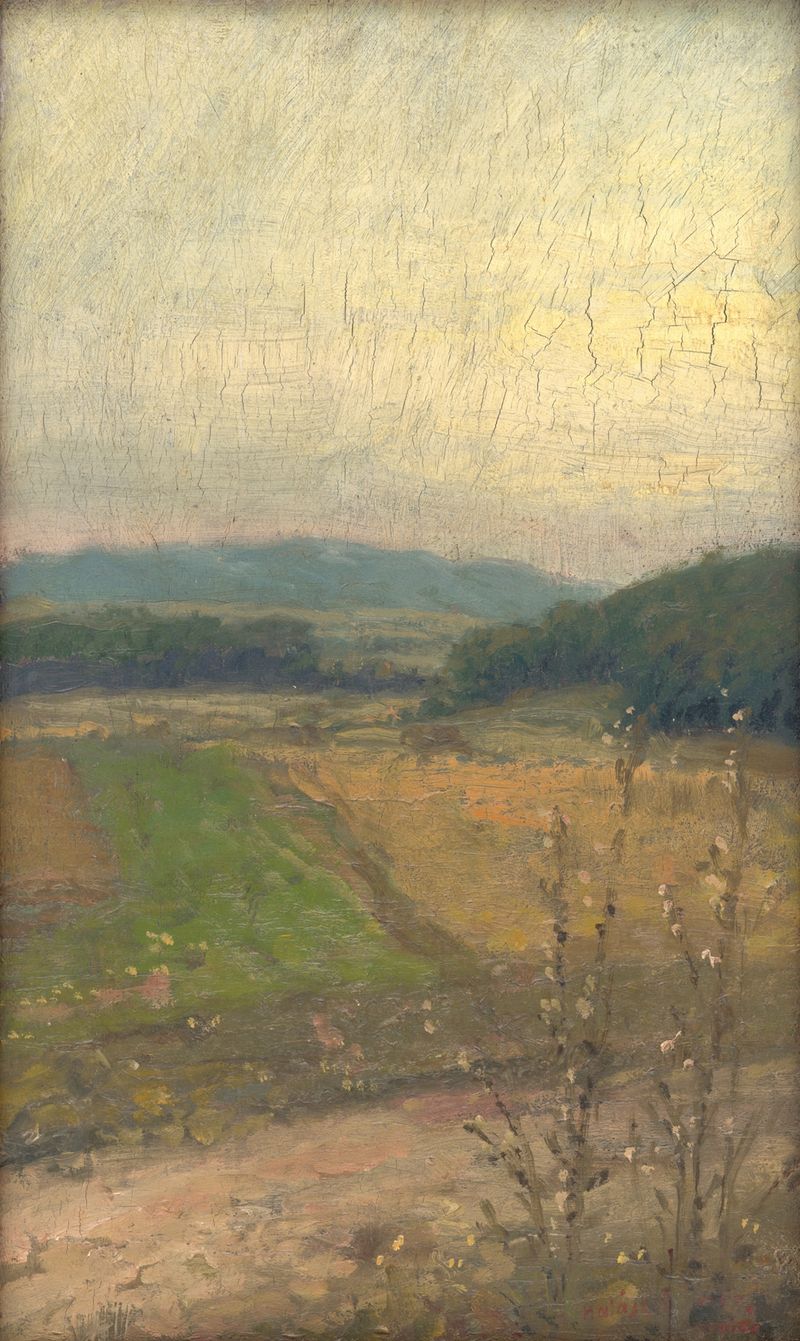
Landscape with Hills in the Background
Elemír Halász-Hradil
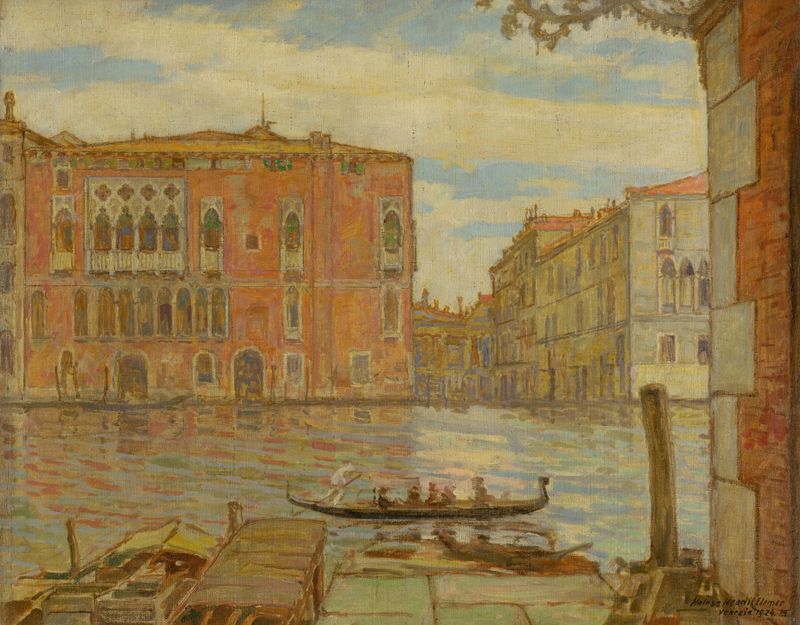
Venice
Elemír Halász-Hradil

Margecany Mill
Elemír Halász-Hradil

At the Market
Elemír Halász-Hradil
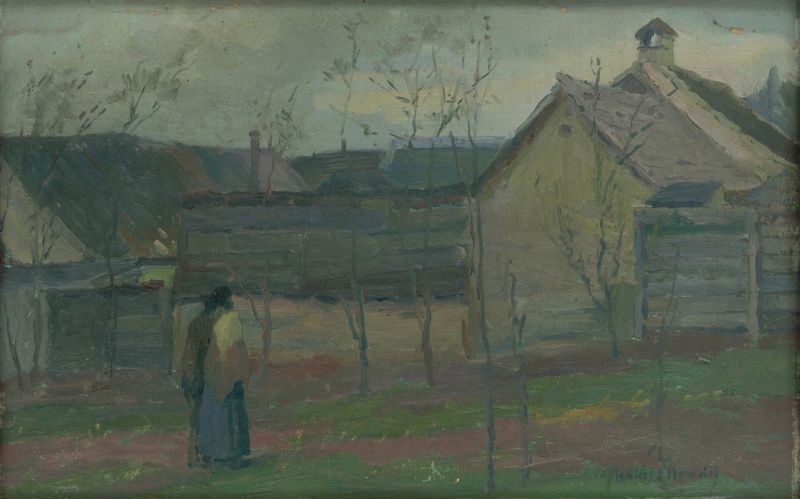
Early Evening
Elemír Halász-Hradil





