
Tonegawa (Tone River) — History & Facts
Can paint confess what words never could? In Tonegawa (Tone River), the haunting beauty of decay permeates the canvas, whispering secrets of nature's relentless passage through time. Look to the foreground, where delicate, skeletal trees intertwine with the soft, flowing water of the river. The artist employs a muted palette, allowing shades of gray and blue to mingle, encapsulating the melancholic tranquility of the scene. As you take in the gentle curves of the water, notice how the brushstrokes evoke movement, a subtle ripple that suggests both life and the impending quietude of winter.
The layered composition creates depth, drawing the viewer into a world that feels both serene and eerily still. The contrast between the vibrant hues of the distant hills and the decaying trees in the foreground speaks to the duality of existence—life flourishes while decay looms ever closer. The interplay of shadow and light heightens this tension, accentuating the beauty found in impermanence. Here, the artist captures a moment where nature's cycles are laid bare, reminding us that beauty often arises from the very remnants of what has passed. In 1926, Yoshida Hiroshi worked during a period of significant artistic exploration in Japan as the country grappled with modernization and the preservation of traditional aesthetics.
His focus on landscapes, particularly in the shin-hanga movement, sought to blend Western techniques with Eastern themes. Tonegawa reflects this intersection, revealing both a deep reverence for nature and a contemplative acknowledgment of life’s transient beauty amidst the shifting tides of time.
More Artworks by Yoshida Hiroshi
Browse all →
Crytomeria Avenue (Sugi Namiki)
Yoshida Hiroshi
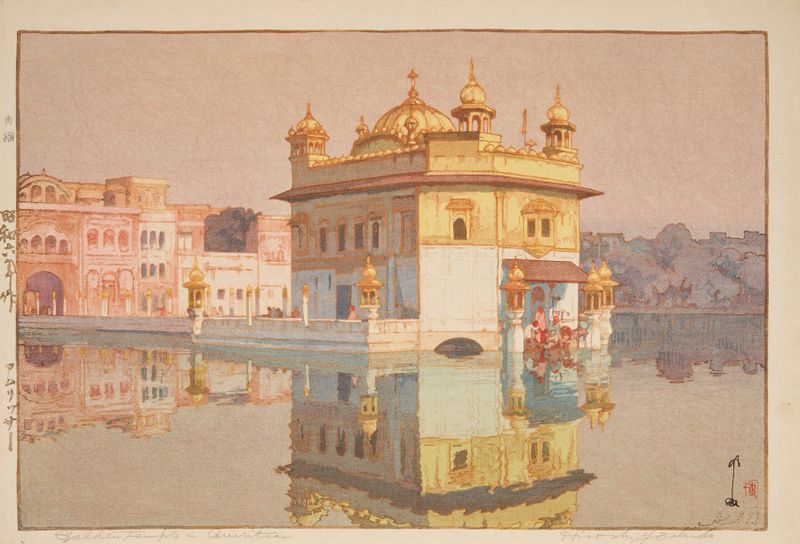
Amurissaa (Golden Temple in Amritsar)
Yoshida Hiroshi

High Gate in Ajmer (Ajumeru no Berenderuwajaa)
Yoshida Hiroshi

Fujiyama from Gotemba
Yoshida Hiroshi
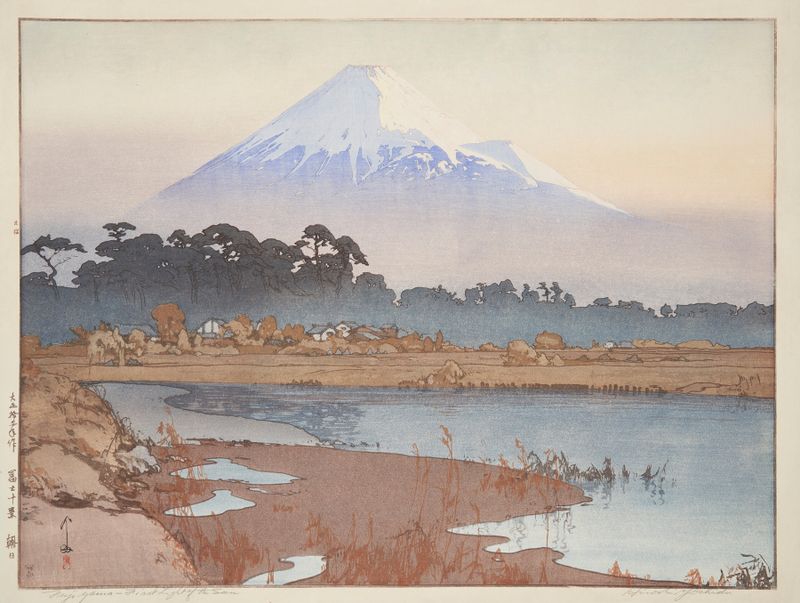
Asahi (Sunrise).
Yoshida Hiroshi
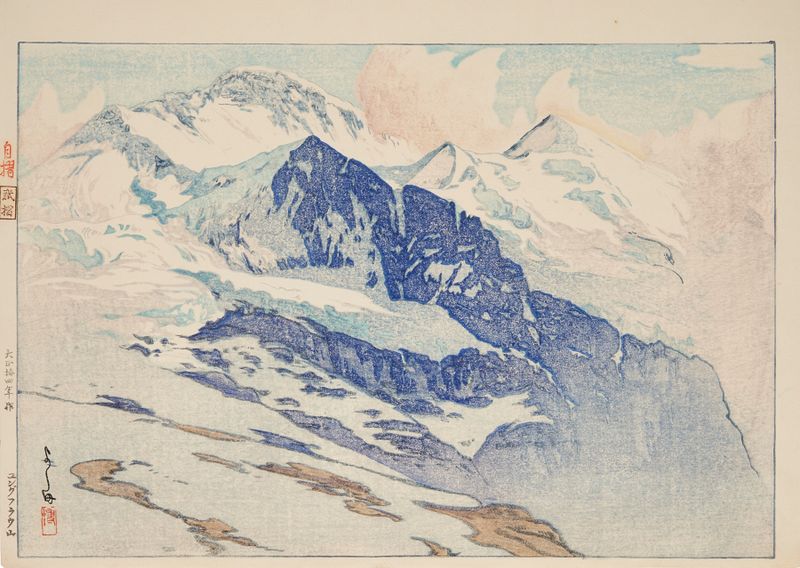
Yungufurau-yama (Jungfrau)
Yoshida Hiroshi
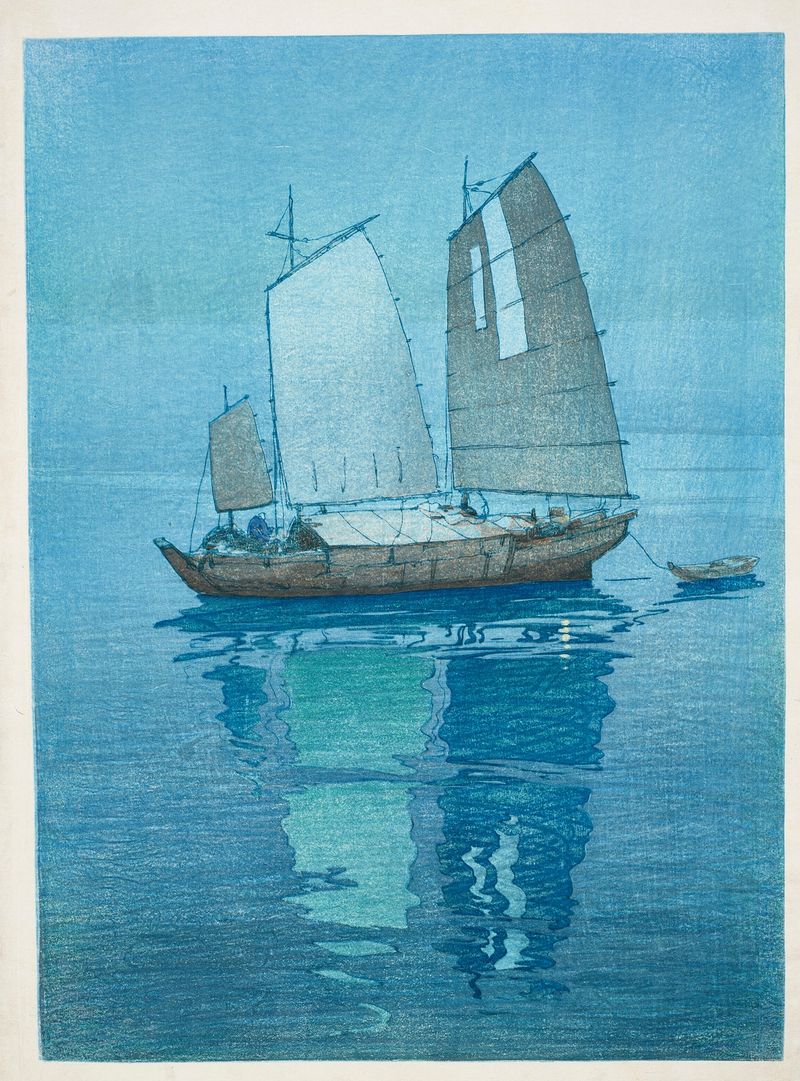
Hansen (Sailing Boats)
Yoshida Hiroshi
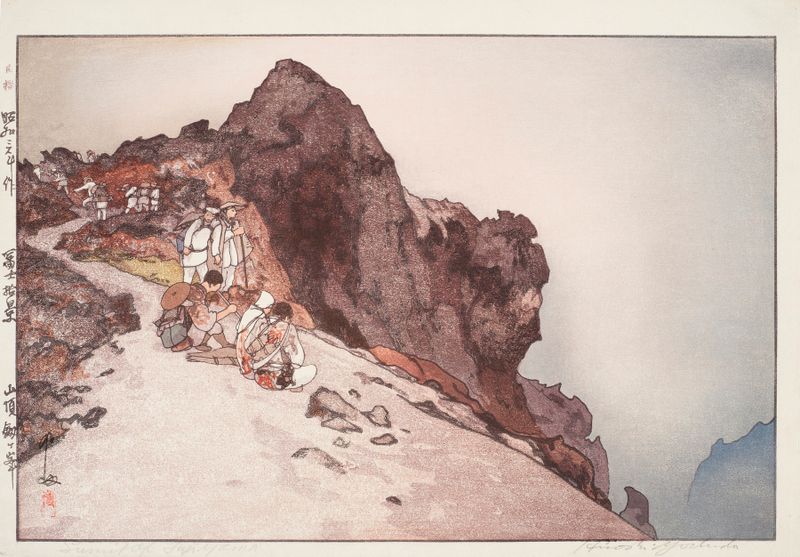
Summit of Mount Fuji
Yoshida Hiroshi

Sailing Boats — Night, from the series ‘The Seto Inland Sea’
Yoshida Hiroshi
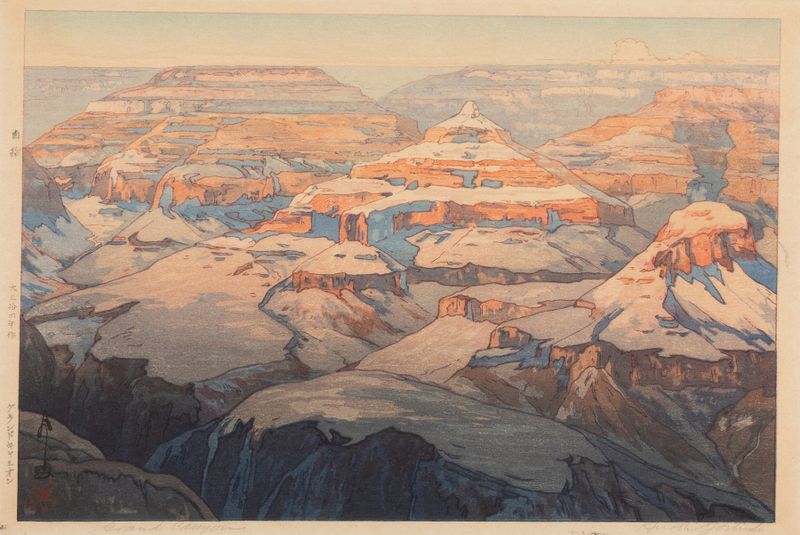
Grand Canyon (Gurando Kyanion)
Yoshida Hiroshi





