
Topole — History & Facts
In the stillness of a moment, transformation beckons, poised between what was and what might be. This haunting interplay invites a deeper exploration of the ephemeral nature of life and art. Look to the center of the composition, where a towering poplar stands resilient against a soft, expansive backdrop. Notice the delicate strokes that create a textured tapestry of greens and browns, evoking the whisper of leaves and the solidity of bark.
The light filters through the branches, casting dappled shadows that dance on the ground, pulling the viewer’s gaze into a serene yet vibrant interplay of color and form. Here, nature is not merely observed; it is vividly felt. The tree symbolizes endurance, a testament to the passage of time and change. Hidden among the foliage, a subtle play of light and shadow evokes the tension between permanence and impermanence.
The brushwork conveys reverence for the natural world, embodying the artist's desire to capture a fleeting moment before it becomes mere memory. Each element, from the varying hues to the gentle curves of the branches, speaks to the complex relationship between man and nature, a dialogue rich with emotion and meaning. In 1901, Jan Stanisławski was immersed in the heart of Poland’s artistic revival, striving to articulate the connection between nature and the human spirit. Living in Warsaw, he was influenced by the burgeoning Symbolist movement, which sought to transcend the literal and dive into the emotional.
Topole stands as a reflection of these ideals, encapsulating both personal introspection and broader artistic currents of the time.
More Artworks by Jan Stanisławski
Browse all →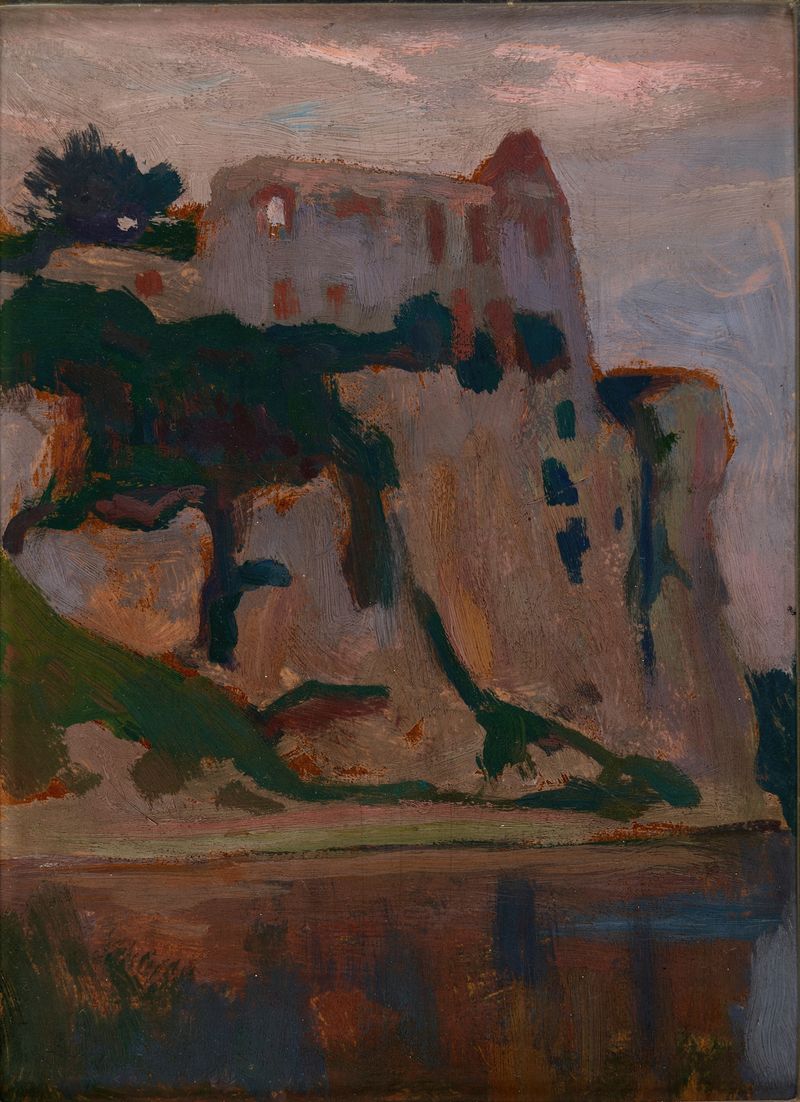
Tyniec at Dawn
Jan Stanisławski
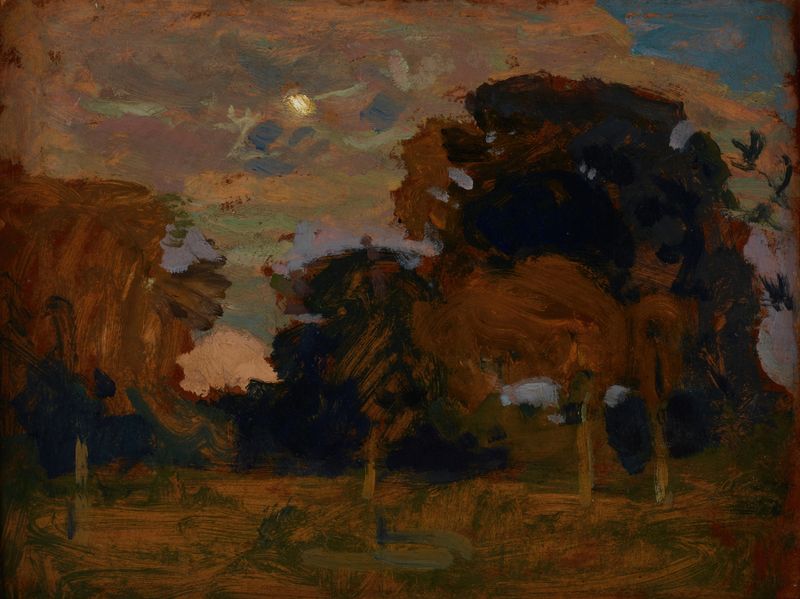
Moon in the Clouds
Jan Stanisławski
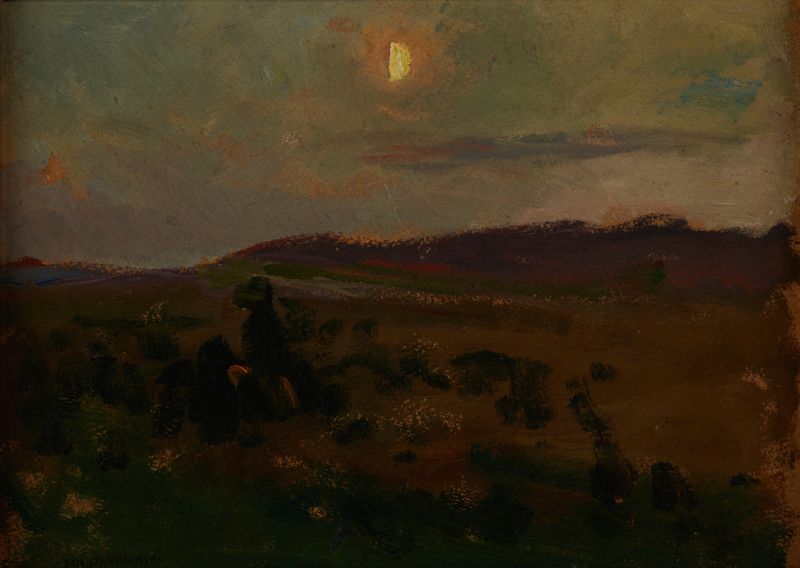
Moonrise
Jan Stanisławski
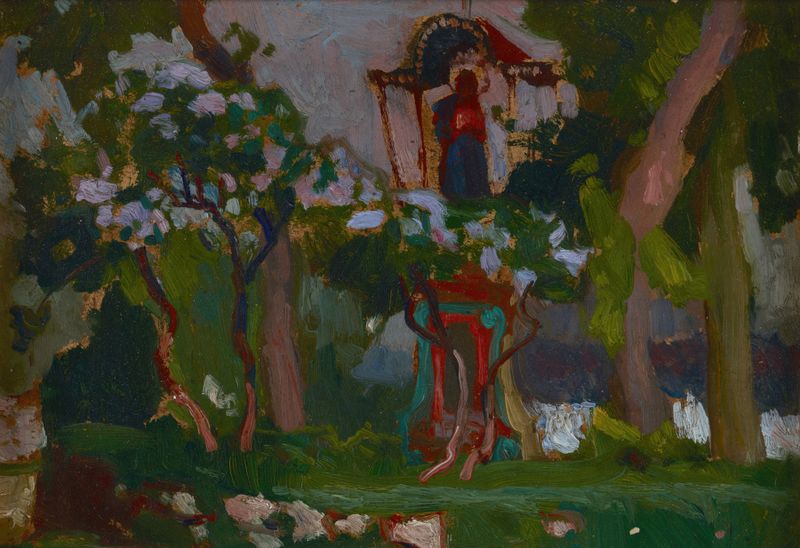
May
Jan Stanisławski
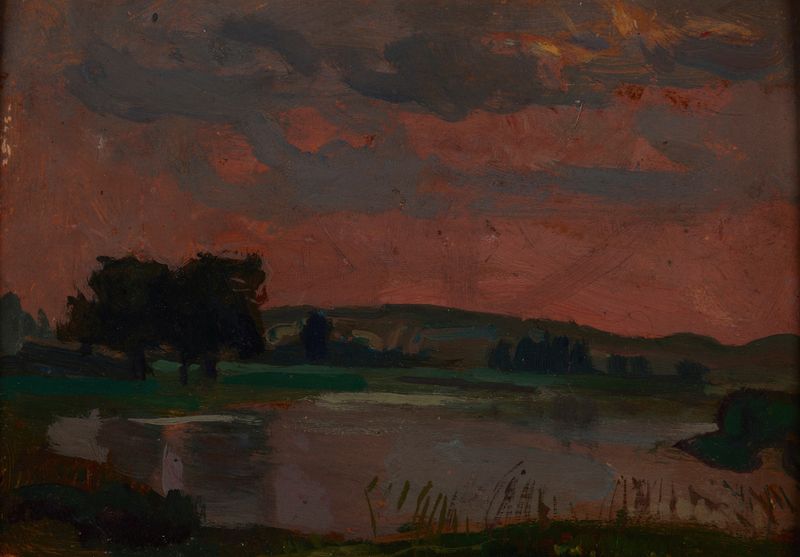
The Vistula in the Twilight
Jan Stanisławski
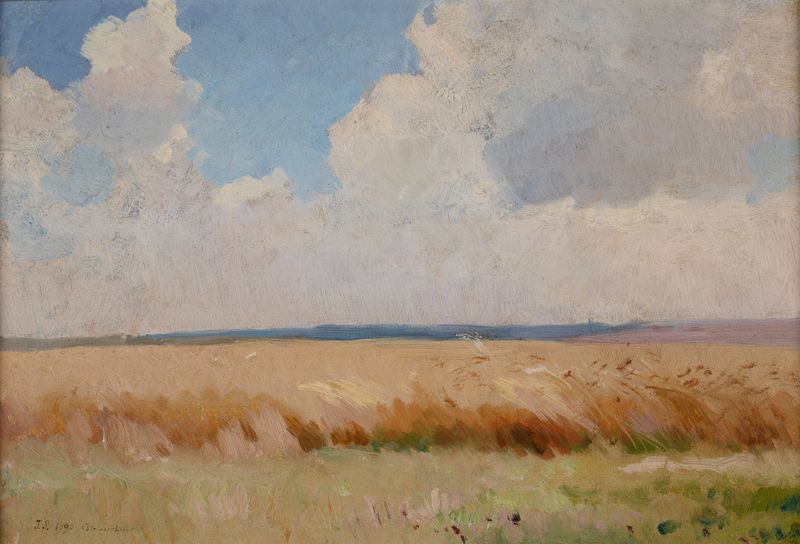
Field at Białocerkiew (Bila Tserkva)
Jan Stanisławski
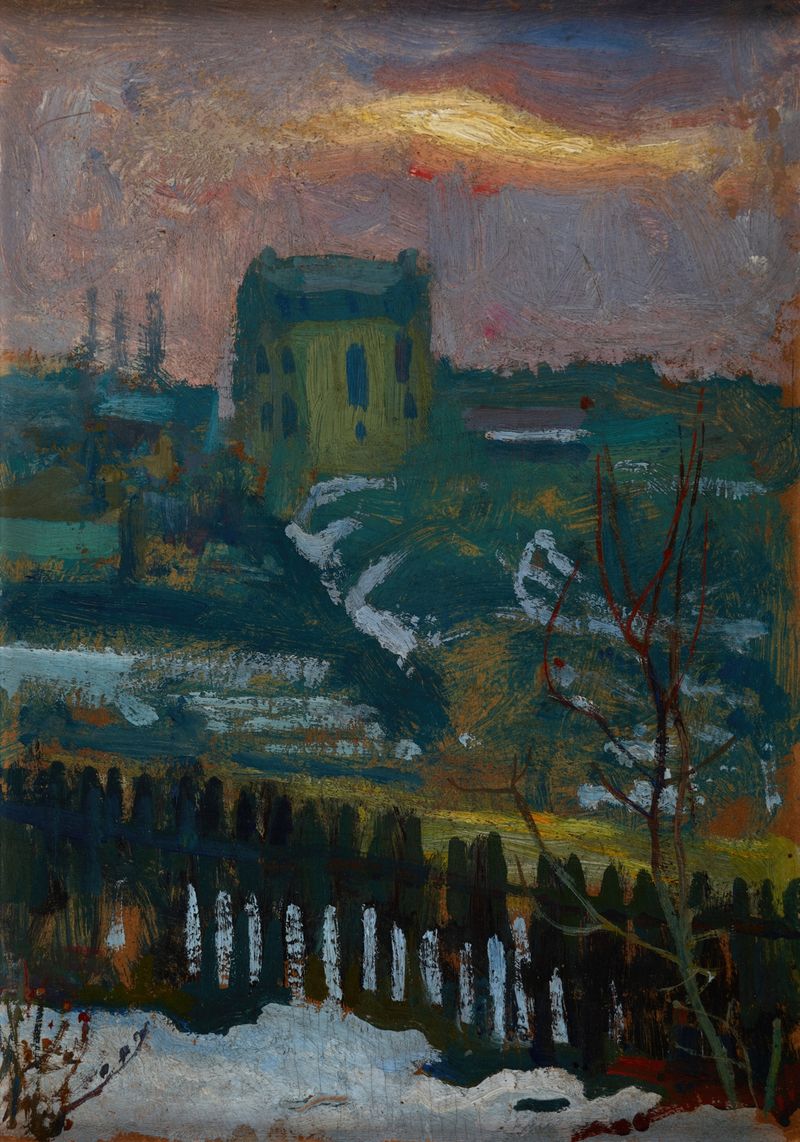
House in Winter
Jan Stanisławski
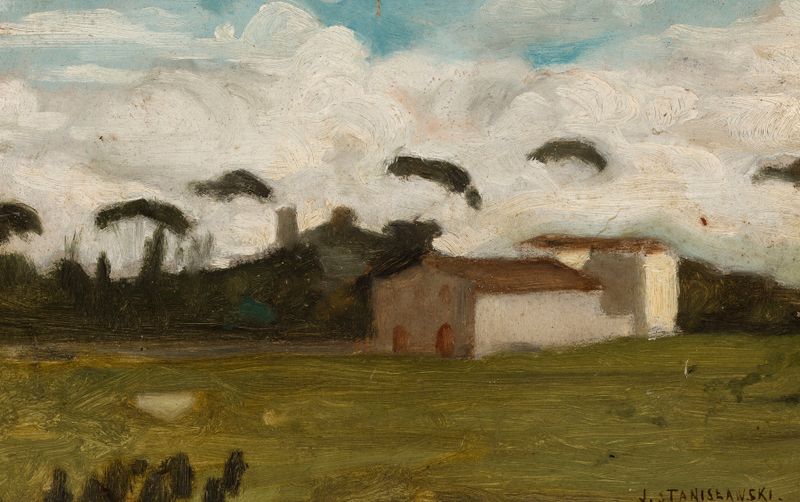
Landscape
Jan Stanisławski
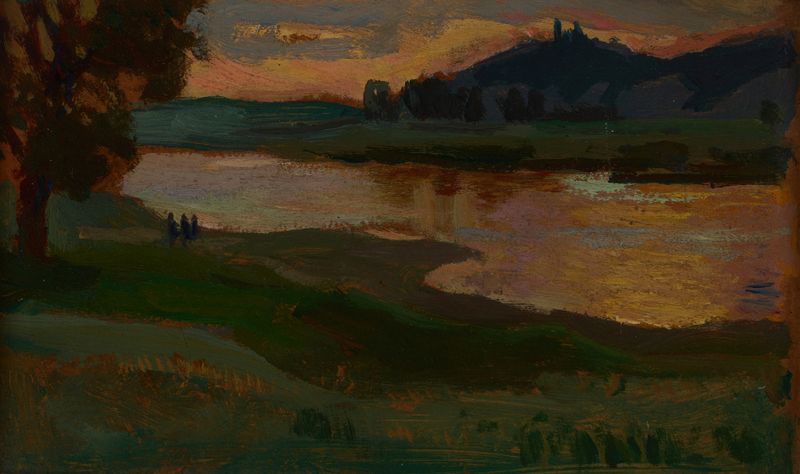
Bielany at Dusk
Jan Stanisławski
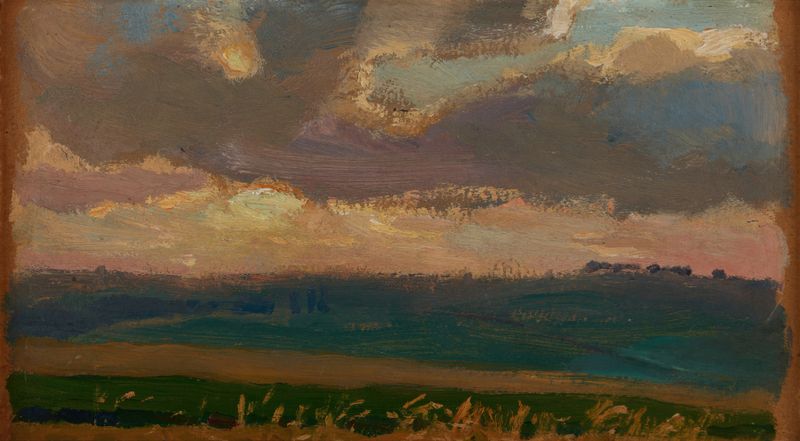
Fields at Proszowice
Jan Stanisławski





