(Toulouse) Le Cuisinier comptable 1862 - Théodule Ribot - Marseille, Musée des beaux-arts Joconde000PE01 — History & Facts
A single shaft of light falls across the cook’s white uniform, isolating him in a pool of clarity against the enveloping darkness. Everything in Le Cuisinier comptable by Théodule Ribot is built around this contrast: the pale hands pausing over a ledger, the chef’s hat catching the same glow as the quill poised in its inkwell. Ribot’s choice to seat his subject in profile, with the body turned inward and the gaze cast sidelong, draws us into a moment of calculation—perhaps the tallying of ingredients, perhaps wages or debts.
The stillness is almost theatrical, the silence broken only by the imagined scratch of pen on paper. Even the scattered kitchen tools and the heavy folds of the apron seem to wait for the cook’s next move. Works like this, painted in the early 1860s, speak to a world in which the boundaries between manual labor and intellect were being reconsidered. The genre scene—once dismissed as humble—became a vehicle for artists like Ribot to dignify everyday work, echoing the realism of Chardin but with a darker, moodier palette.
In France, the rise of the middle class and the professionalization of trades brought new attention to the figures behind the scenes: cooks, clerks, artisans. This painting, now in Marseille’s Musée des beaux-arts and documented as photographed in 2021, stands as a quiet testament to that shift. The longer you look, the more the cook’s world—half-shadow, half-account book—begins to open.
More Artworks by Augustin Théodule Ribot

The Scullion
Augustin Théodule Ribot

The Artist's Daughter
Augustin Théodule Ribot
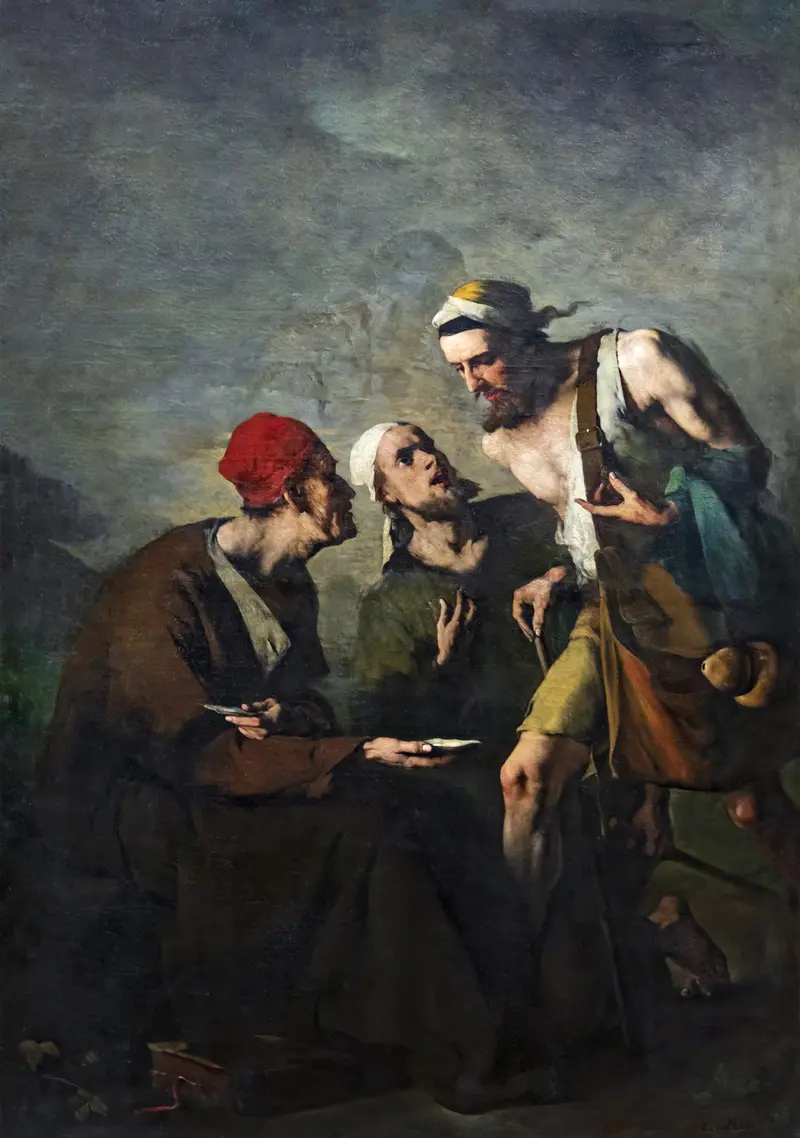
The oyster and the Litigant's
Augustin Théodule Ribot

The philosophers
Augustin Théodule Ribot

Singers
Augustin Théodule Ribot

Oyster and timbale
Augustin Théodule Ribot
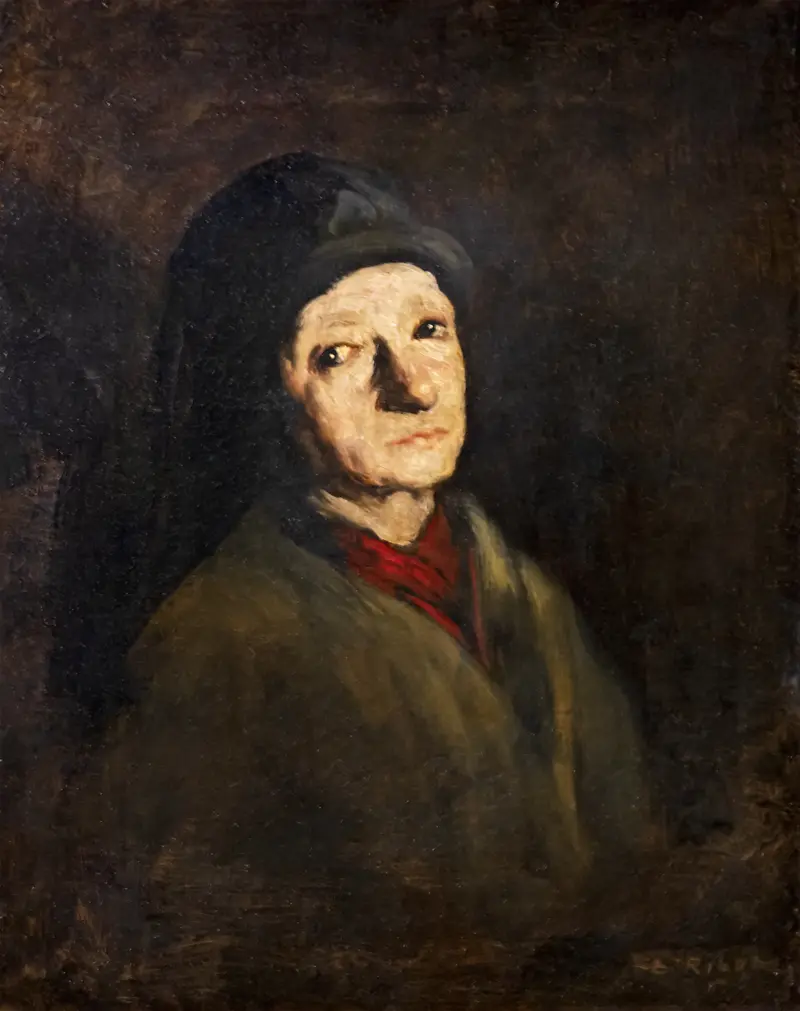
Portrait of the artist's mother
Augustin Théodule Ribot

Three old jews
Augustin Théodule Ribot

' Landscape ', known as ' La Maison de Corot in Ville-d'Avray '
Augustin Théodule Ribot
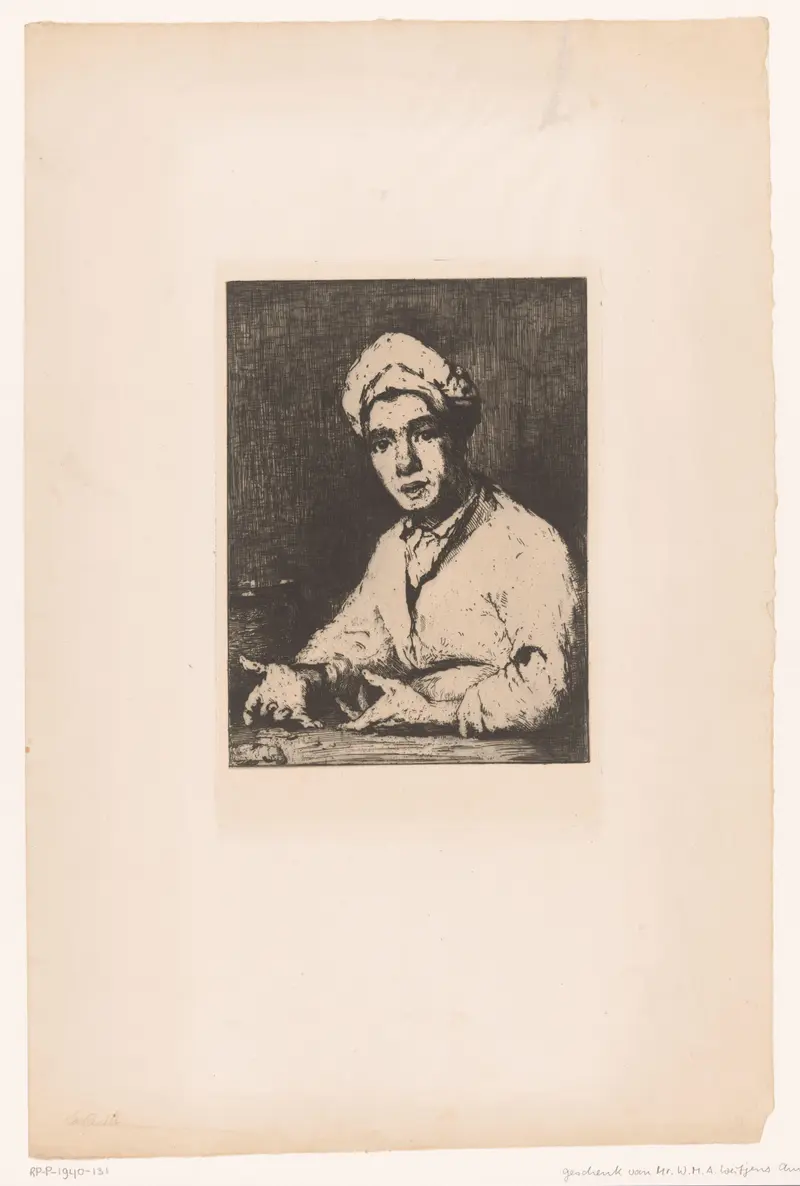
La recette du cuisinier
Augustin Théodule Ribot