(Toulouse) Le Flûteur, dit La recette - Théodule Ribot - Marseille, musée des beaux-art — History & Facts
What first catches the eye in Le Flûteur, dit La recette is the hush that seems to settle around the solitary figure, as if the world has briefly paused to watch him count his coins. The young man’s downcast gaze, absorbed in the task at hand, draws us into a moment of private calculation. The light falls sharply across his face and hands, carving them out of the surrounding gloom and focusing our attention on the ritual of reckoning.
The feather in his cap and the flute tucked beneath his arm hint at a life lived on the move, perhaps a street performer tallying the day’s modest earnings. Every fold of his worn clothing, every shadow on his brow, deepens the sense of quiet introspection. This painting belongs to the world of mid-19th-century France, when artists like Théodule Ribot turned their attention to the humble and the everyday. In an age when academic painting favored grand history and myth, Ribot and his contemporaries found drama in the ordinary, often using strong contrasts of light and shadow in the manner of the Spanish Baroque.
Works like this were rarely made for the salons of the elite; instead, they spoke to a growing middle class interested in scenes of real life and honest labor. Little is recorded about the specific journey of this canvas, now in the collection of the Marseille musée des beaux-arts and documented here from a 2021 photograph, but its silent dignity invites us to linger and imagine the world behind those thoughtful eyes.
More Artworks by Augustin Théodule Ribot

The Scullion
Augustin Théodule Ribot
The Artist's Daughter
Augustin Théodule Ribot
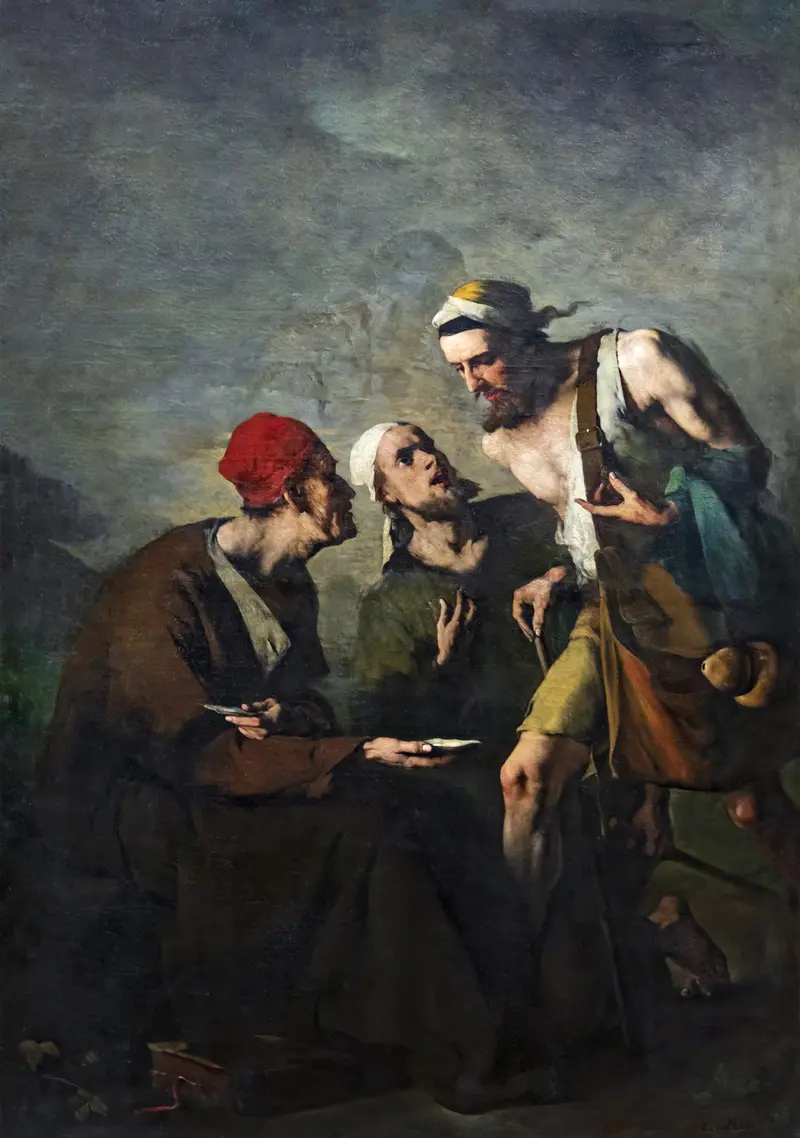
The oyster and the Litigant's
Augustin Théodule Ribot
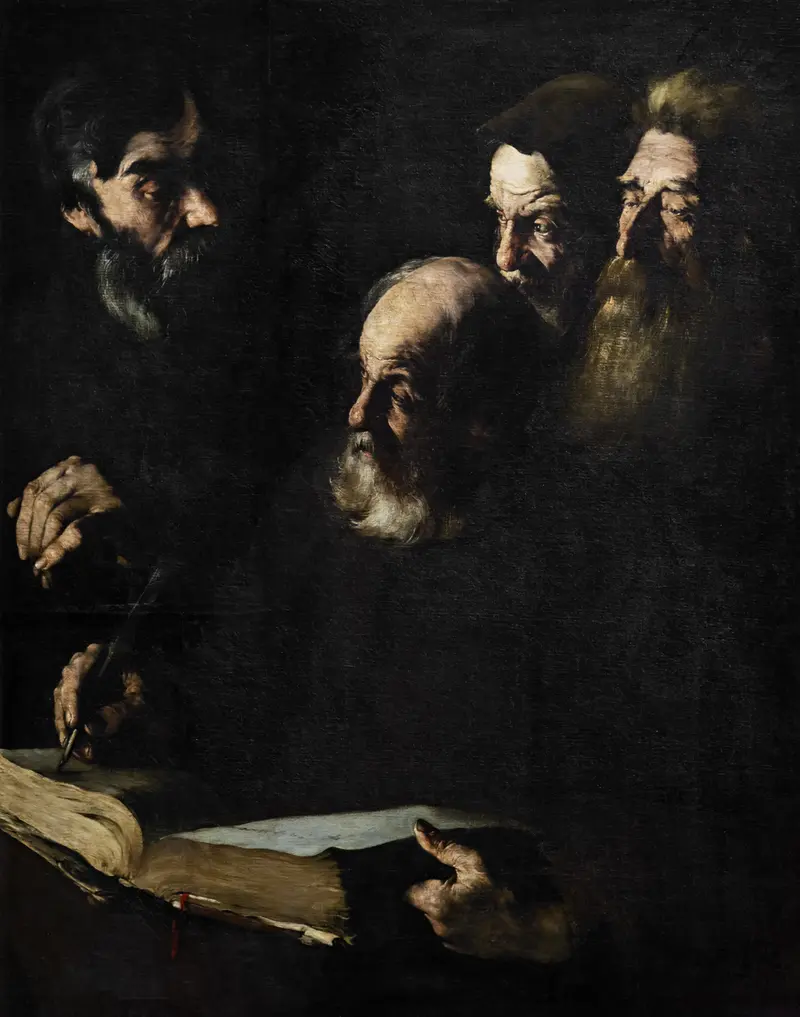
The philosophers
Augustin Théodule Ribot
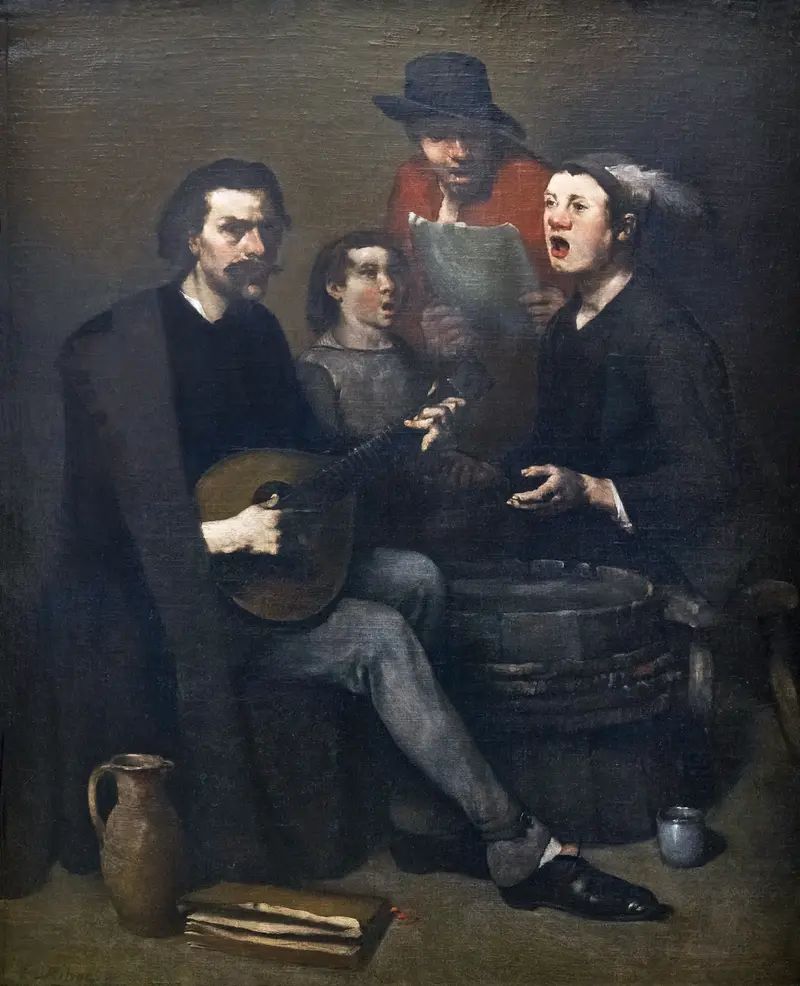
Singers
Augustin Théodule Ribot
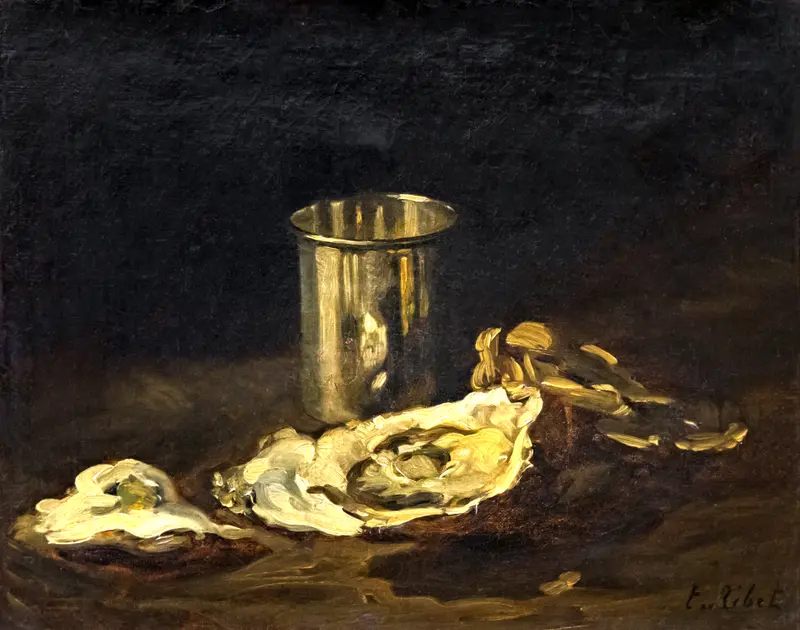
Oyster and timbale
Augustin Théodule Ribot
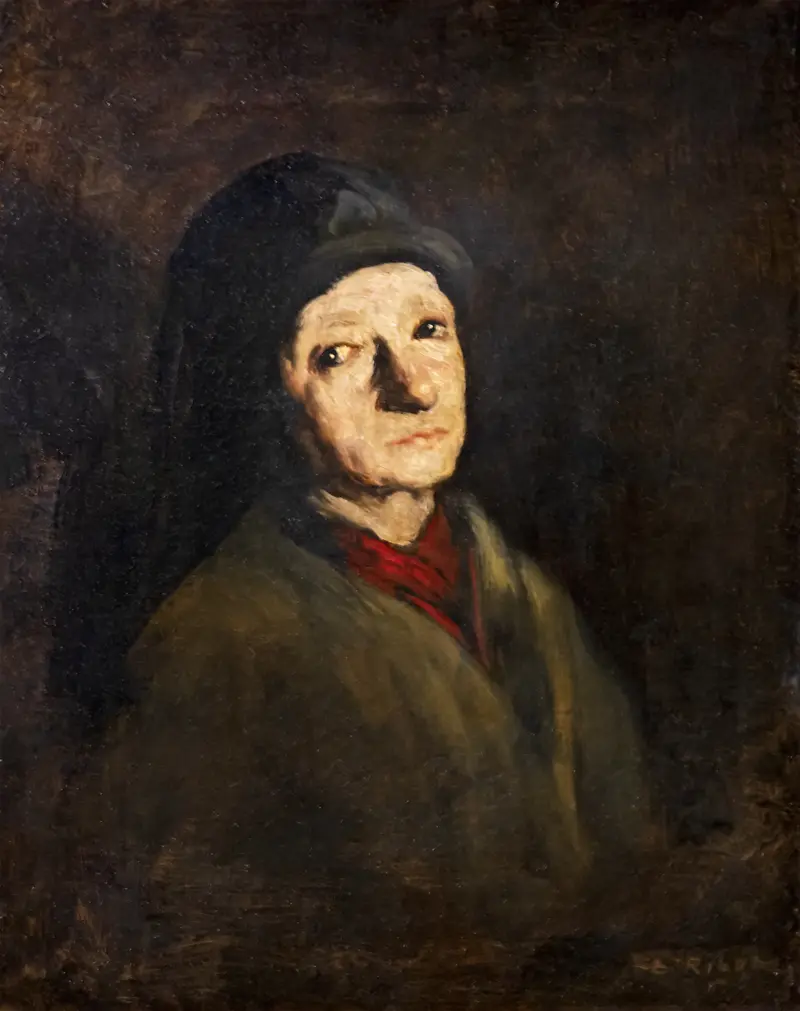
Portrait of the artist's mother
Augustin Théodule Ribot
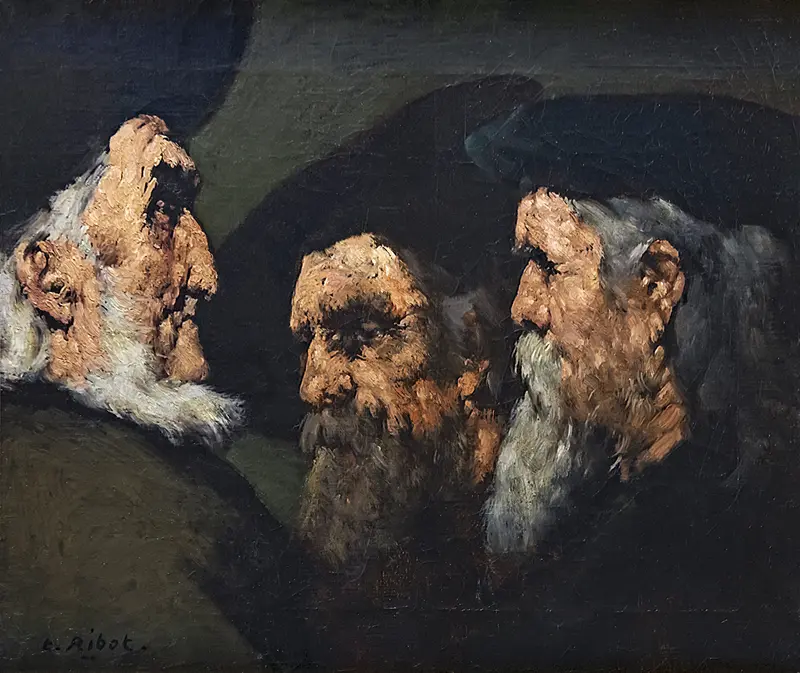
Three old jews
Augustin Théodule Ribot
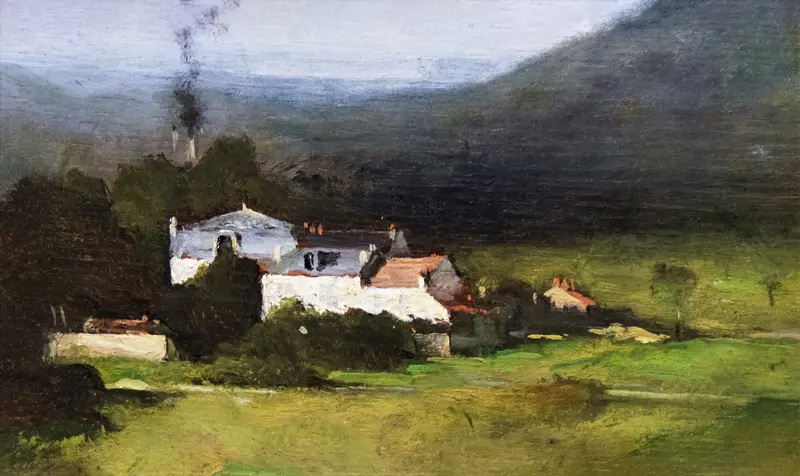
' Landscape ', known as ' La Maison de Corot in Ville-d'Avray '
Augustin Théodule Ribot
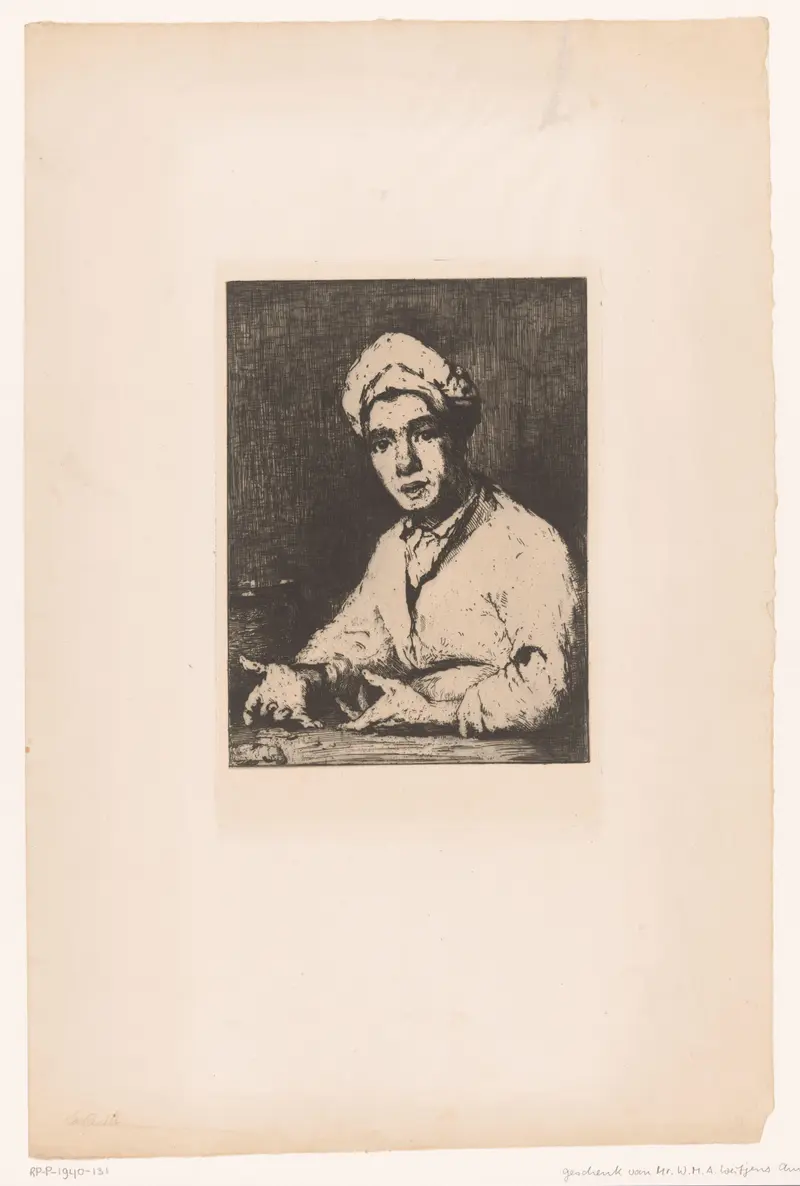
La recette du cuisinier
Augustin Théodule Ribot