Tour et cactus — History & Facts
This tension between the vibrant and the subdued suggests layers of meaning that invite a deeper exploration of illusion within the natural world. Begin your gaze on the striking silhouette of the cactus, its spiky arms reaching toward the heavens, commanding your attention amidst the landscape. Look closely at the interplay of colors; the vivid greens contrast sharply with the deep ochres of the earth. Notice how light dances upon the cactus, creating a play of shadow and form that blurs the boundary between reality and abstraction.
The distant tower looms, slightly obscured by the haze of atmosphere, hinting at a story just beyond the canvas. The juxtaposition of the cactus and the tower embodies a dialogue between nature and human creation—two realms that seem at odds yet are inexorably linked. The cactus, a symbol of resilience, stands firmly while the tower, perhaps an echo of civilization, appears almost dreamlike. The soft blending of hues invites a sense of nostalgia, evoking the artist's exploration of illusion where clarity fades and ambiguity reigns. In 1828, while creating this piece, the artist was embedded in the vibrant atmosphere of the French Romantic movement.
This period was marked by an emphasis on emotional expression and a fascination with the sublime in nature. As Brascassat captured this moment, he grappled with the evolving relationship between humanity and the landscape, reflective of the burgeoning Industrial Revolution that threatened to overshadow the natural beauty of his surroundings.
More Artworks by Jacques-Raymond Brascassat
Browse all →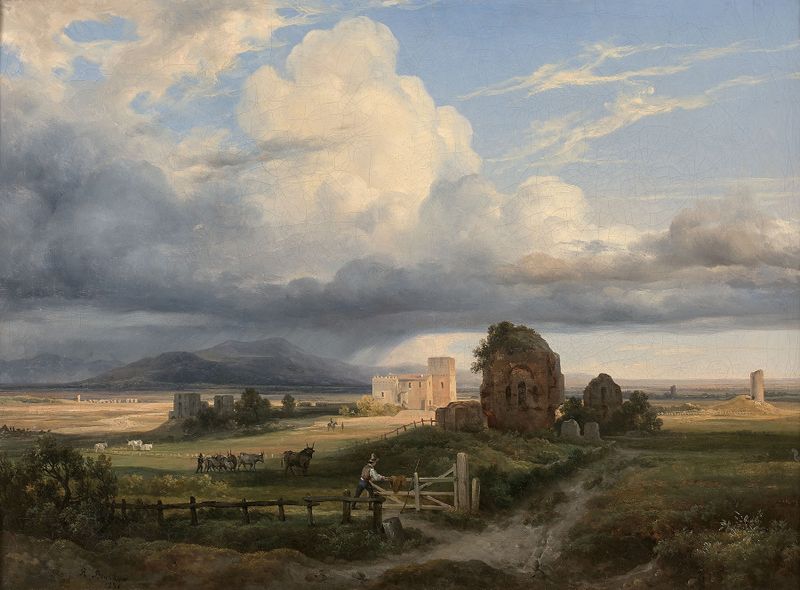
Vacher et son troupeau dans la campagne romaine, dans les environs de la via Appia
Jacques-Raymond Brascassat

Puits
Jacques-Raymond Brascassat

Paysage d’Italie
Jacques-Raymond Brascassat

Tour en bordure de mer
Jacques-Raymond Brascassat

Le Monastère
Jacques-Raymond Brascassat

Cascade et rochers
Jacques-Raymond Brascassat

Le Vieux chêne
Jacques-Raymond Brascassat

View of Bordeaux
Jacques-Raymond Brascassat
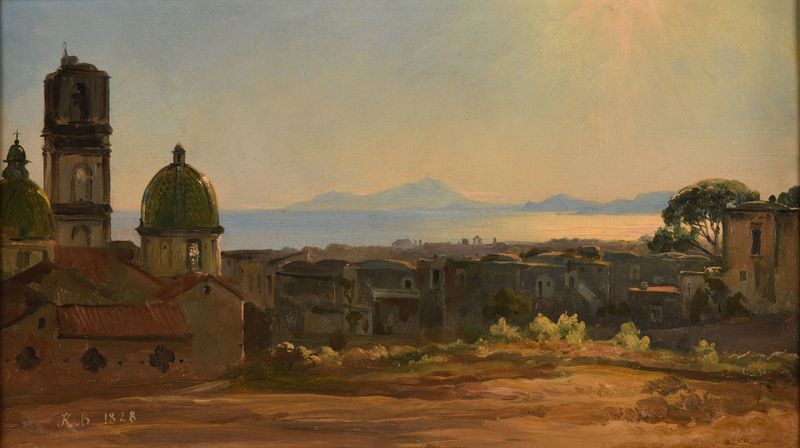
Vue de ville d’Italie
Jacques-Raymond Brascassat
Grotte du Nymphée (Syracuse)
Jacques-Raymond Brascassat