
Tournelle, called Dublin — History & Facts
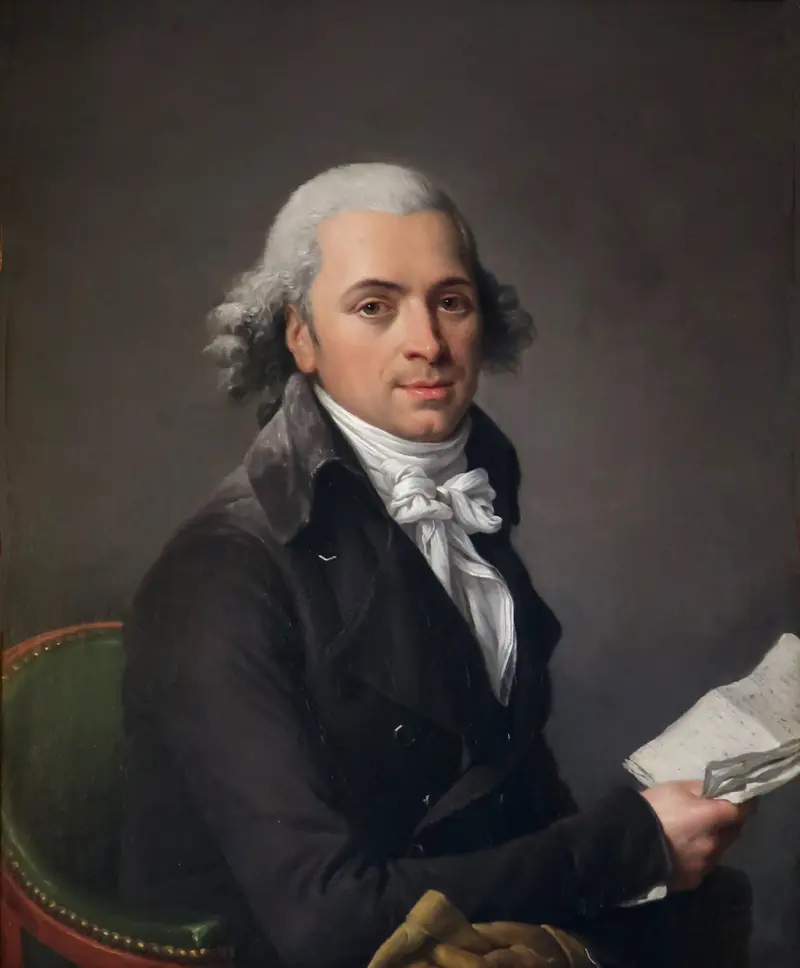
It is the directness of the sitter’s gaze that first draws you in—a look that is both candid and quietly assured, as if the subject has just turned from his work to greet an unexpected visitor. Every fold of his brown coat, every careful curl of hair, seems arranged to heighten this sense of immediacy. The rolled document in his hand hints at a life of letters or plans, but the true drama lies in the play of light across his face: one side illuminated, the other gently receding into shadow, giving him the presence of a man caught between thought and action.
The neutral background refuses to distract, forcing every attention onto the sitter’s expression and posture. Painted in 1799, at the close of a decade that had overturned France and the world, this portrait by Adélaïde Labille-Guiard belongs to an age when artists were called to capture not just appearances, but the inner character of their subjects. Portraits like this were often commissioned to mark professional achievement or social standing, and the Harvard Art Museums now preserve this example as a record of that era’s aspirations. Labille-Guiard was among the few women to achieve recognition in the fiercely competitive Parisian art world of her time, and her works speak to the shifting roles and ambitions of both artist and sitter.
The painting invites us to imagine the world behind those calm eyes, and to wonder what news or ideas might be unfurling from that tightly held scroll.
More Artworks by Adélaïde Labille-Guiard
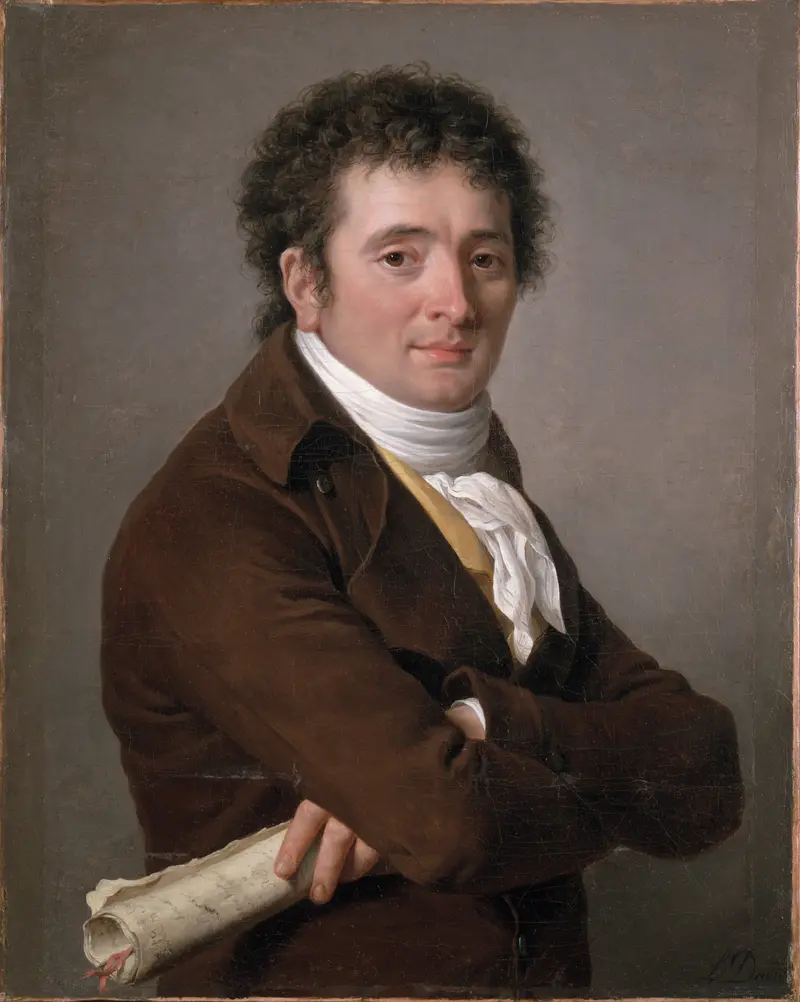
Tournelle, called Dublin (1761-1820)
Adélaïde Labille-Guiard
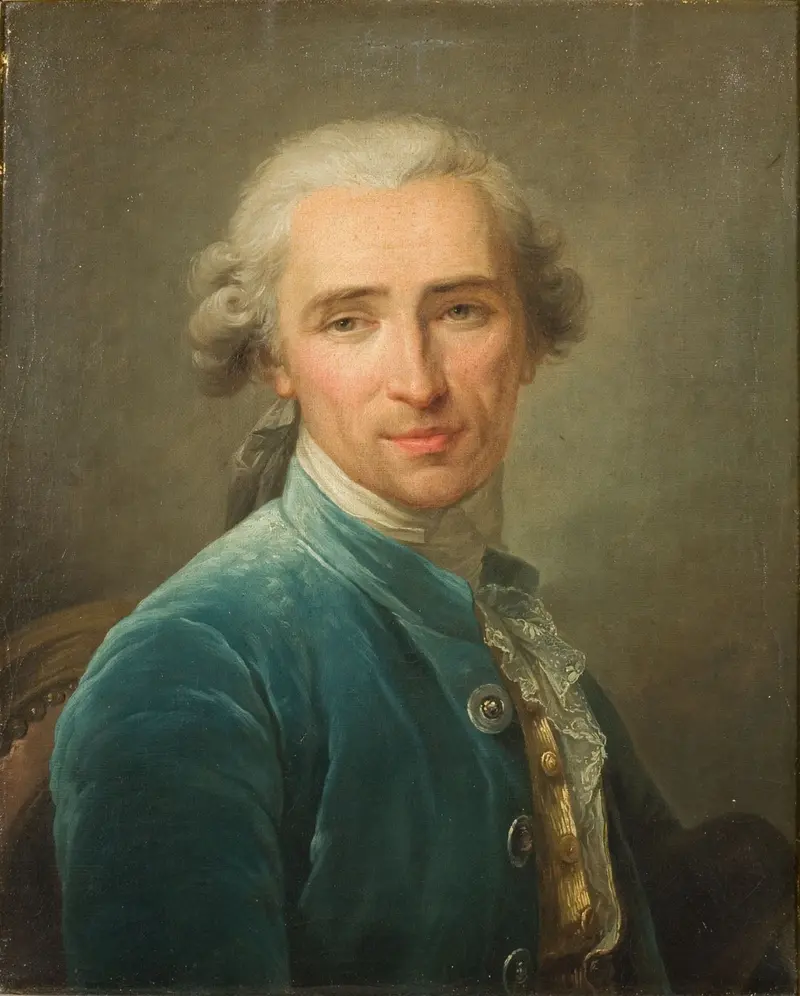
Portrait de Joseph Benoît Suvée
Adélaïde Labille-Guiard
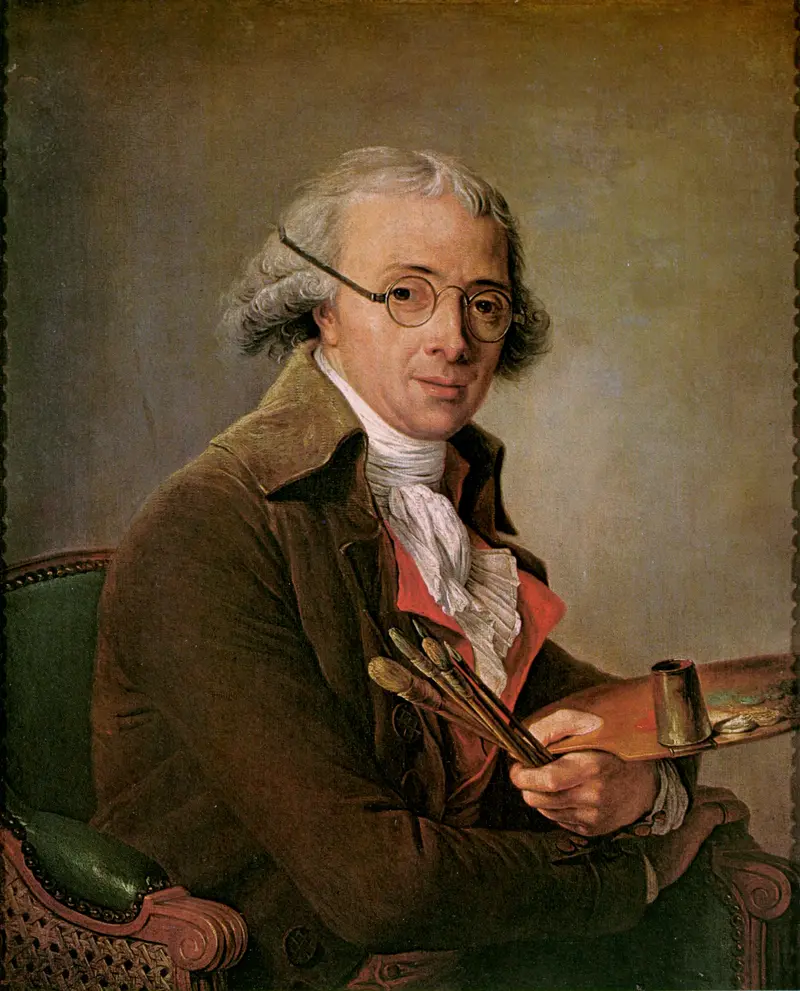
The Painter François-André Vincent
Adélaïde Labille-Guiard
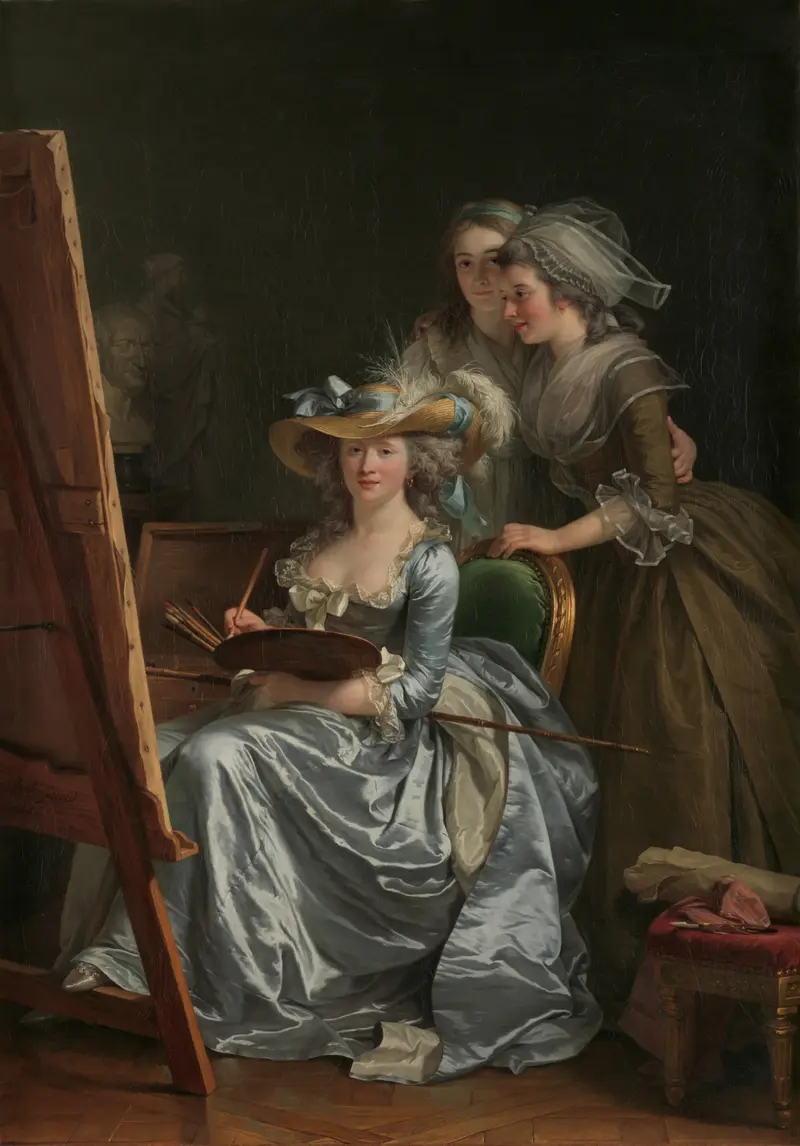
Self-Portrait with Two Pupils
Adélaïde Labille-Guiard
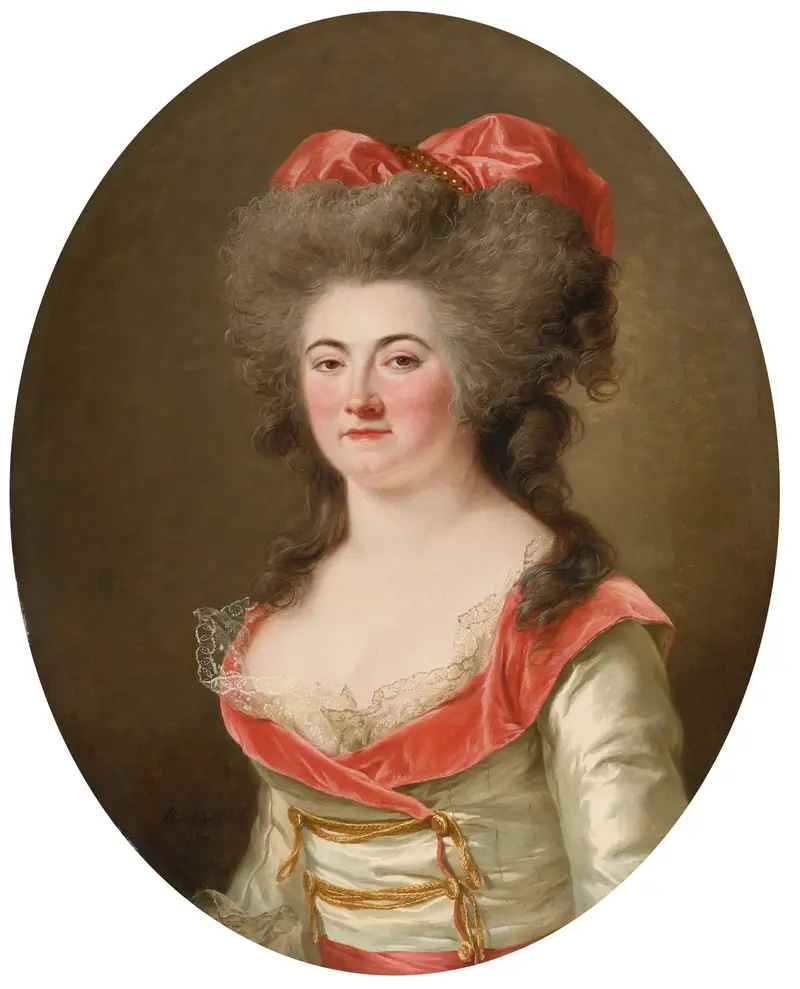
Portrait of a Lady
Adélaïde Labille-Guiard
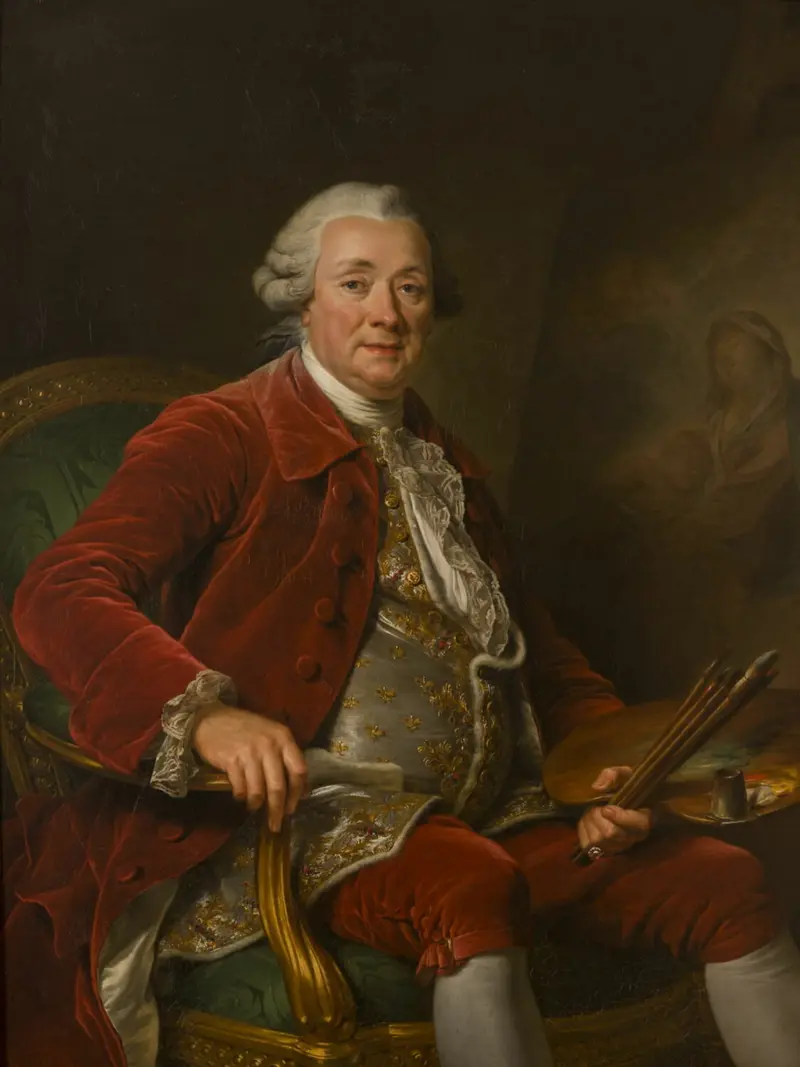
Portrait of Charles-Amédée-Philippe Van Loo
Adélaïde Labille-Guiard

Portrait of Elisabeth of France, Duchess of Parma (1727-1759)
Adélaïde Labille-Guiard
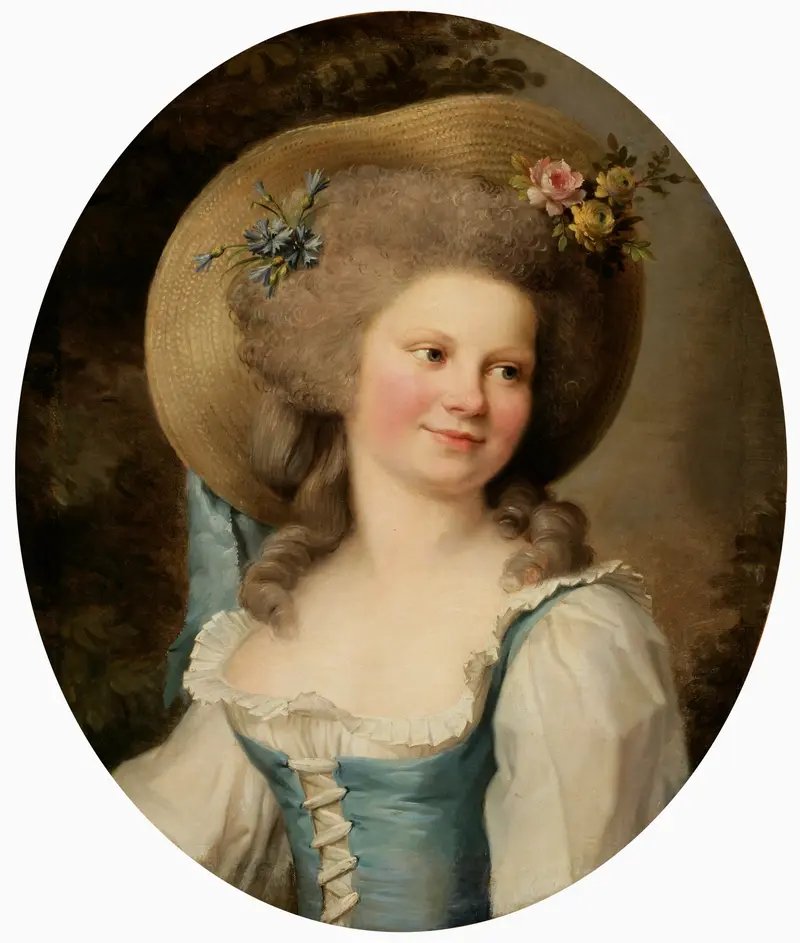
Mme Dugazon in the role of Babet
Adélaïde Labille-Guiard
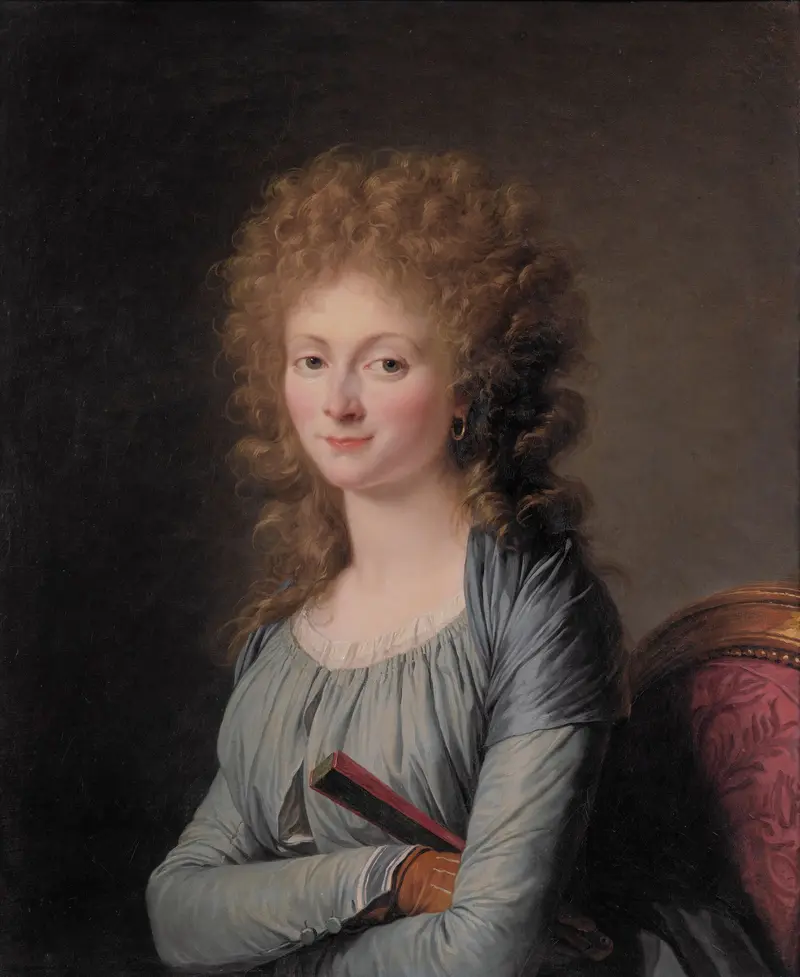
Portrait of Duchesse d'Aiguillon
Adélaïde Labille-Guiard
Monsieur Meunier
Adélaïde Labille-Guiard





