
Monsieur Meunier — History & Facts
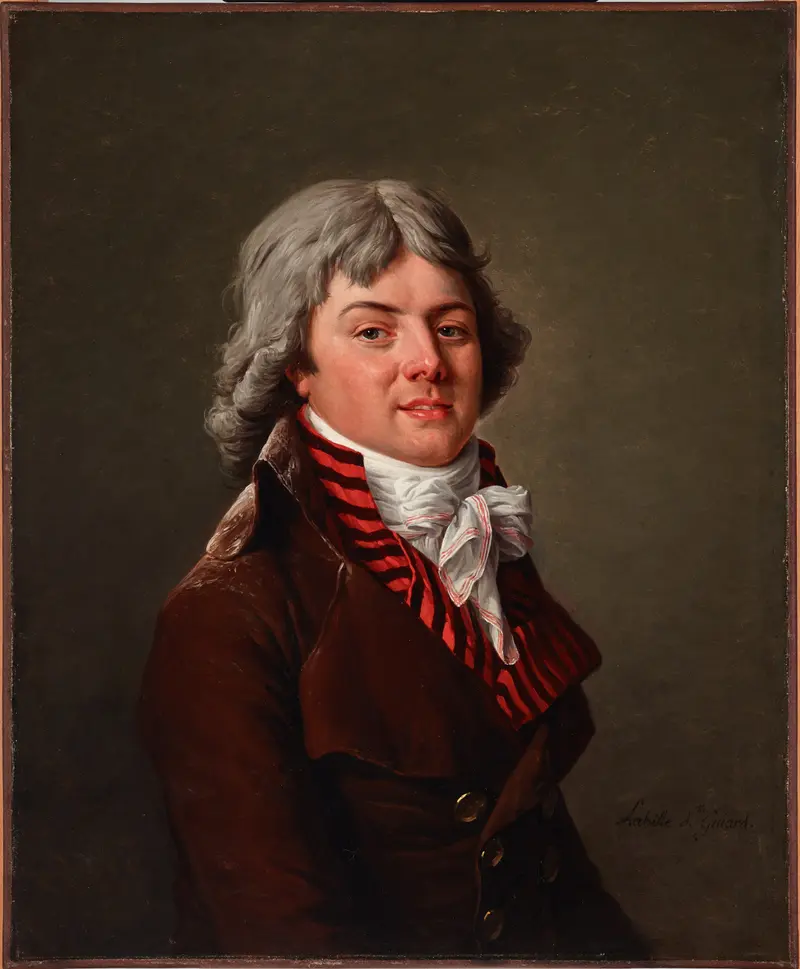
What first catches the eye in Monsieur Meunier is the quiet confidence radiating from the sitter’s direct gaze. The soft, even light falls across his powdered hair and luminous skin, pausing just long enough to highlight the gentle curve of his smile before it glances off the crisp white of his neckcloth. His hand, poised with a sheaf of papers, suggests a man caught mid-thought—perhaps a writer, a bureaucrat, or a thinker of the revolutionary era.
The dark, sober tones of his coat and the restrained green and gold of his chair set a mood of seriousness, but the artist’s touch brings warmth to the formality. Every detail, from the careful rendering of the velvet collar to the subtle blush in his cheeks, invites the viewer to imagine the life behind the portrait. Painted in 1798, this work by Adélaïde Labille-Guiard belongs to a world on the cusp of change. Portraits such as this were the currency of reputation for the rising bourgeoisie and professionals of post-Revolutionary France, a period when artists like Labille-Guiard—one of the few celebrated women painters of her time—were redefining the genre.
The painting now resides in the Honolulu Museum of Art, a quiet testament to the journeys these faces have made across centuries and continents. History has kept few traces of Monsieur Meunier himself, but in the careful brushwork and attentive gaze, we glimpse the aspirations and anxieties of an age remaking itself—an invitation to linger on every detail.
More Artworks by Adélaïde Labille-Guiard
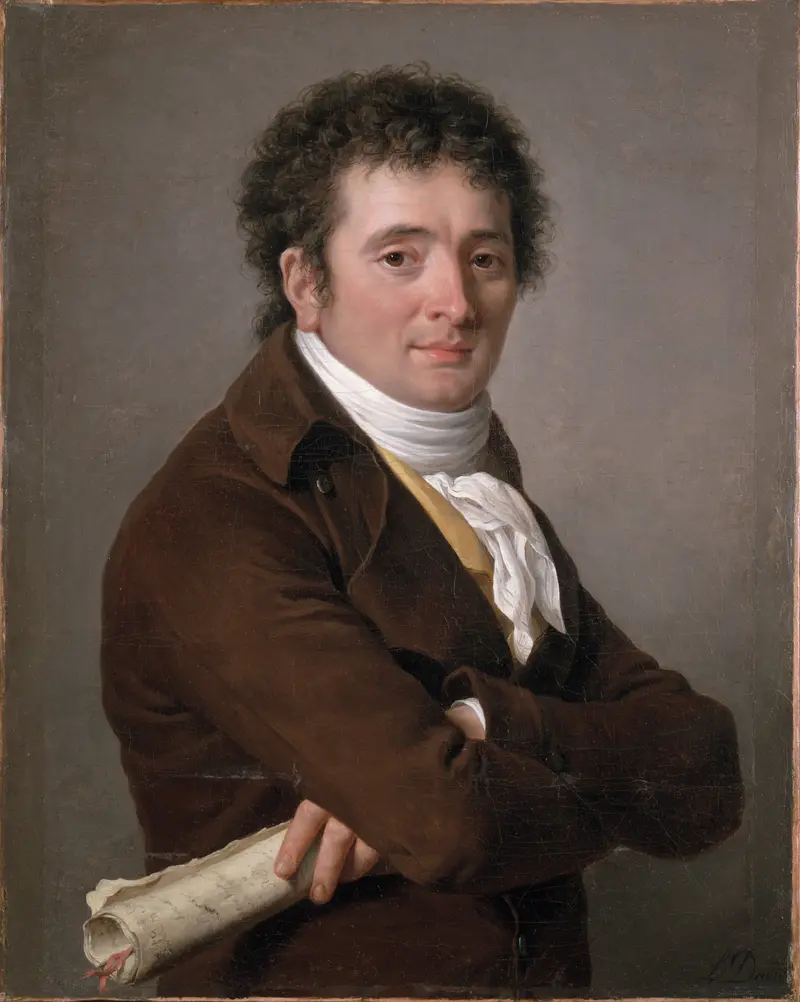
Tournelle, called Dublin (1761-1820)
Adélaïde Labille-Guiard
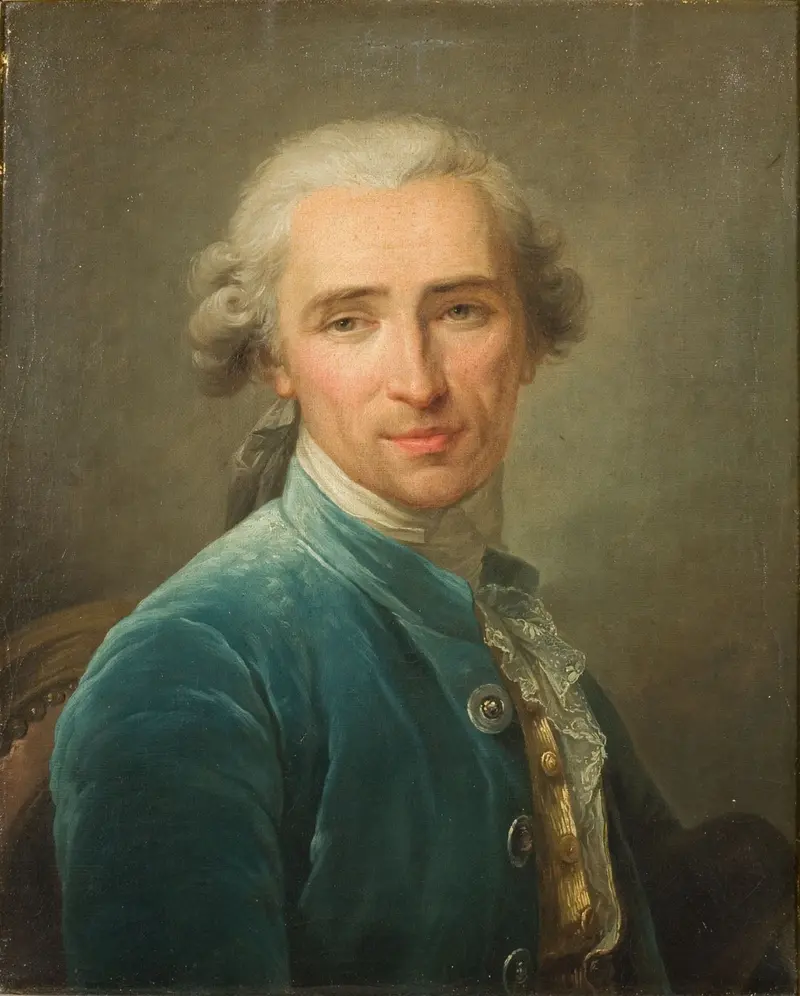
Portrait de Joseph Benoît Suvée
Adélaïde Labille-Guiard
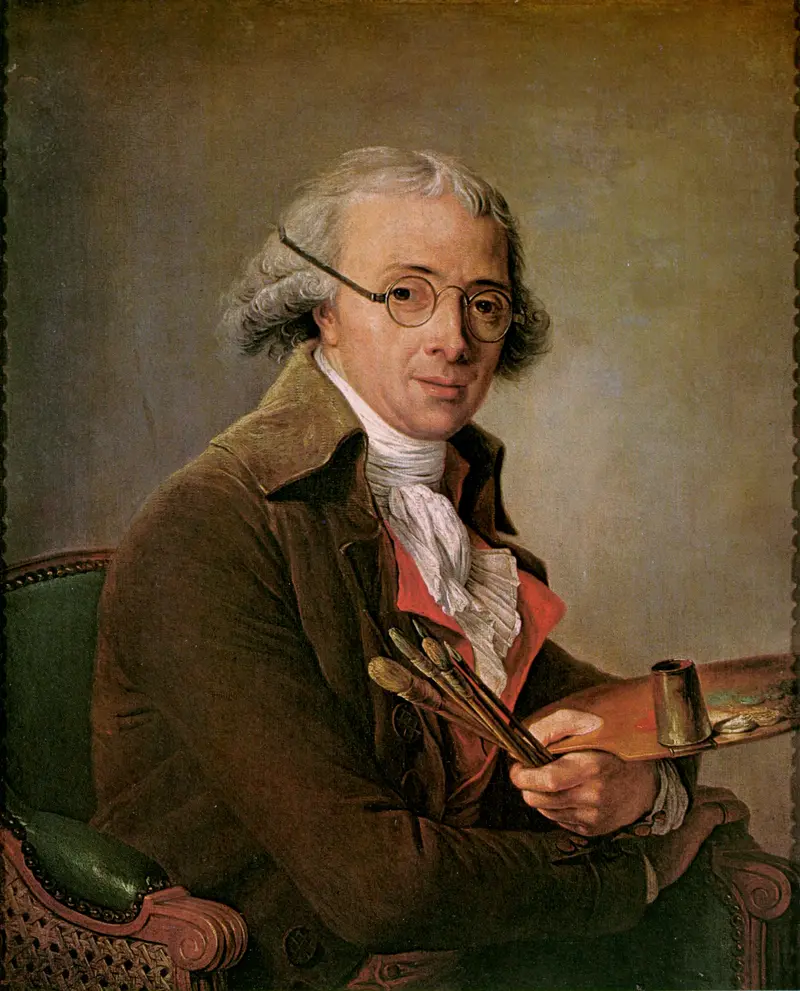
The Painter François-André Vincent
Adélaïde Labille-Guiard
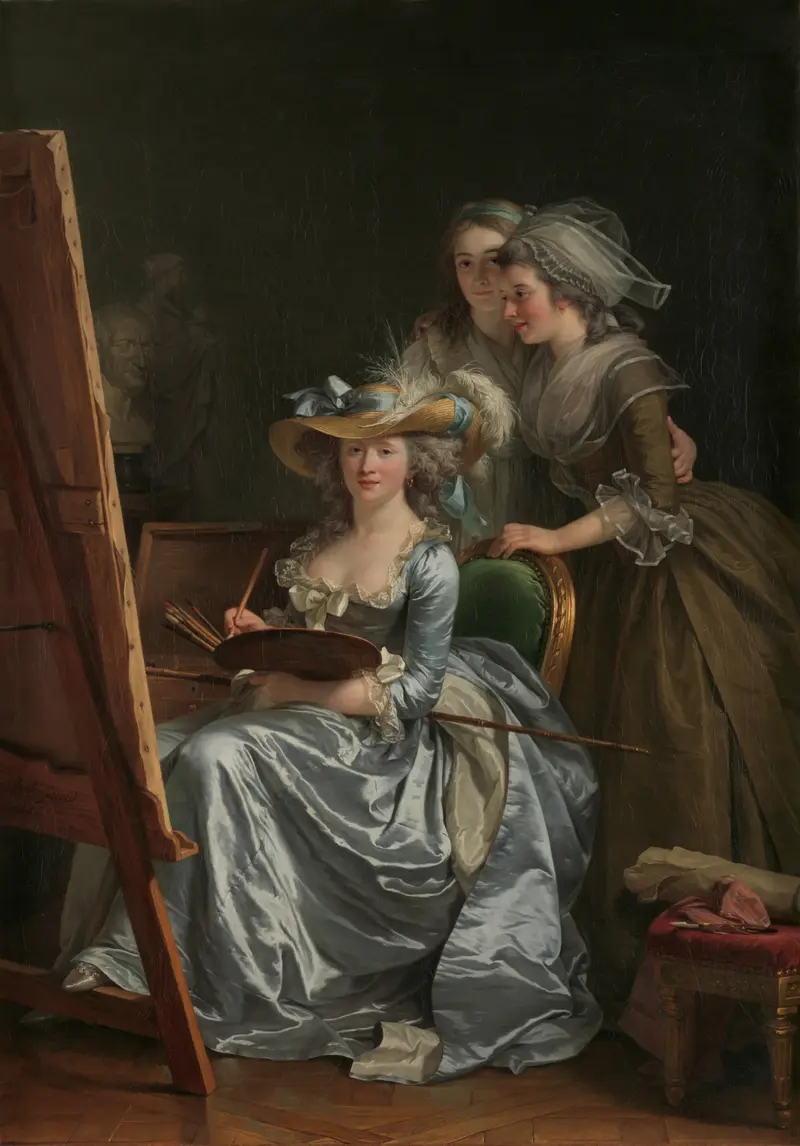
Self-Portrait with Two Pupils
Adélaïde Labille-Guiard
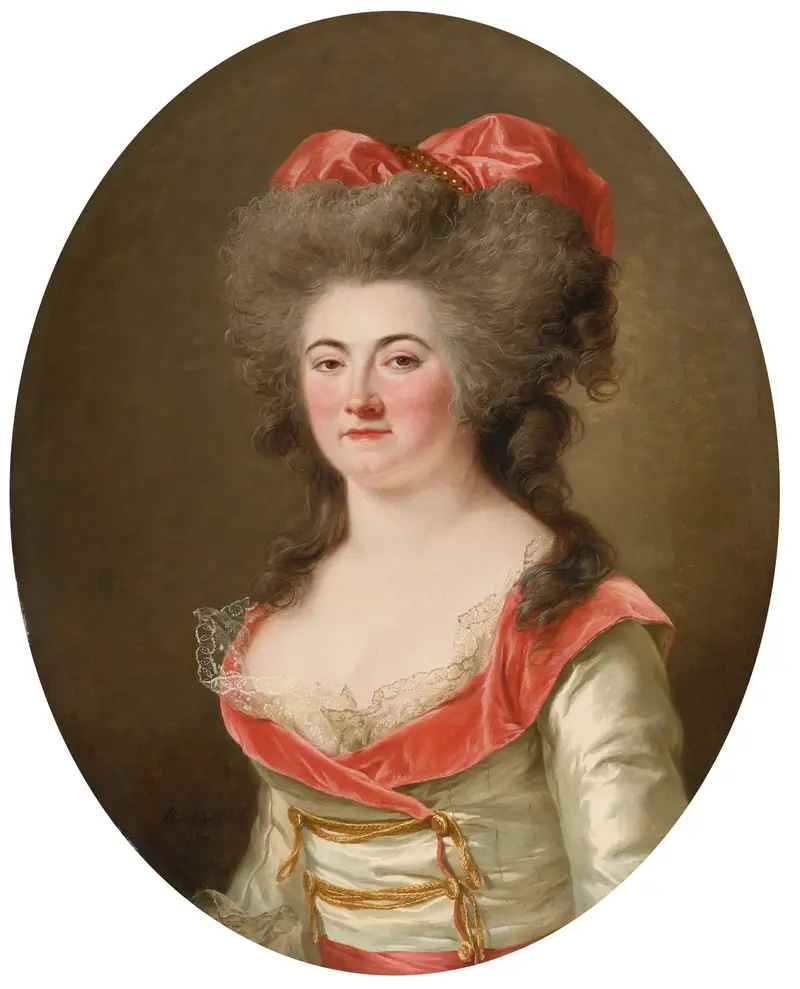
Portrait of a Lady
Adélaïde Labille-Guiard
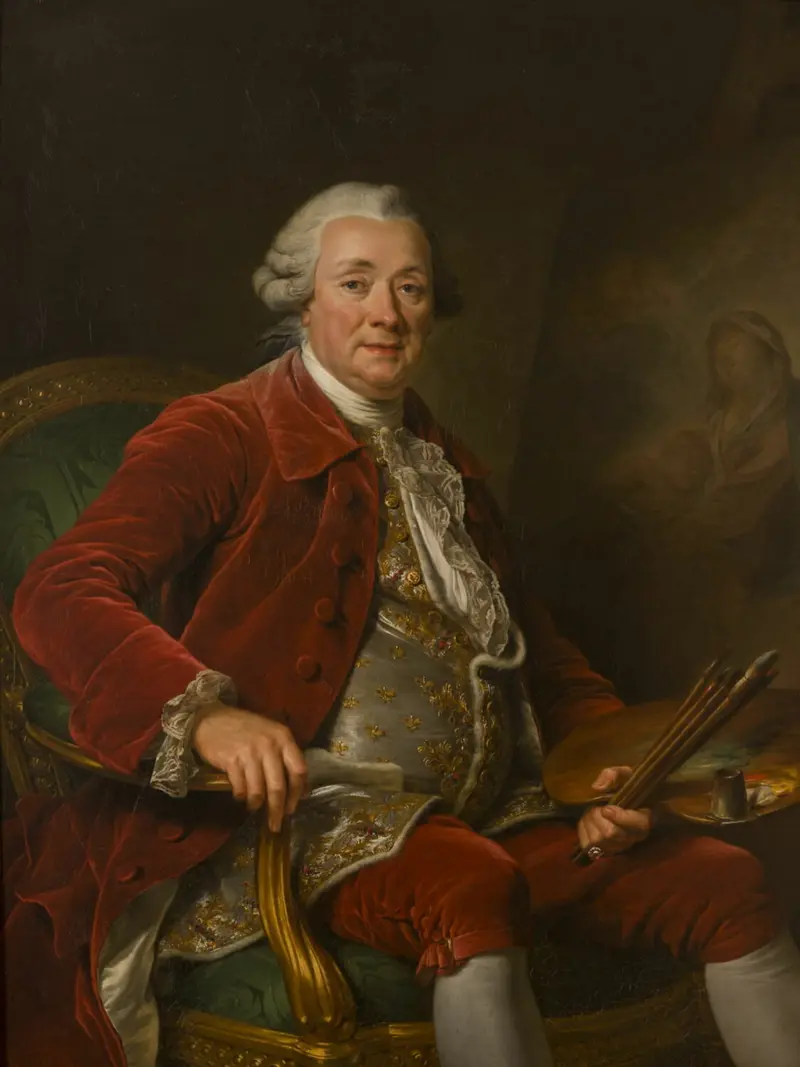
Portrait of Charles-Amédée-Philippe Van Loo
Adélaïde Labille-Guiard

Portrait of Elisabeth of France, Duchess of Parma (1727-1759)
Adélaïde Labille-Guiard
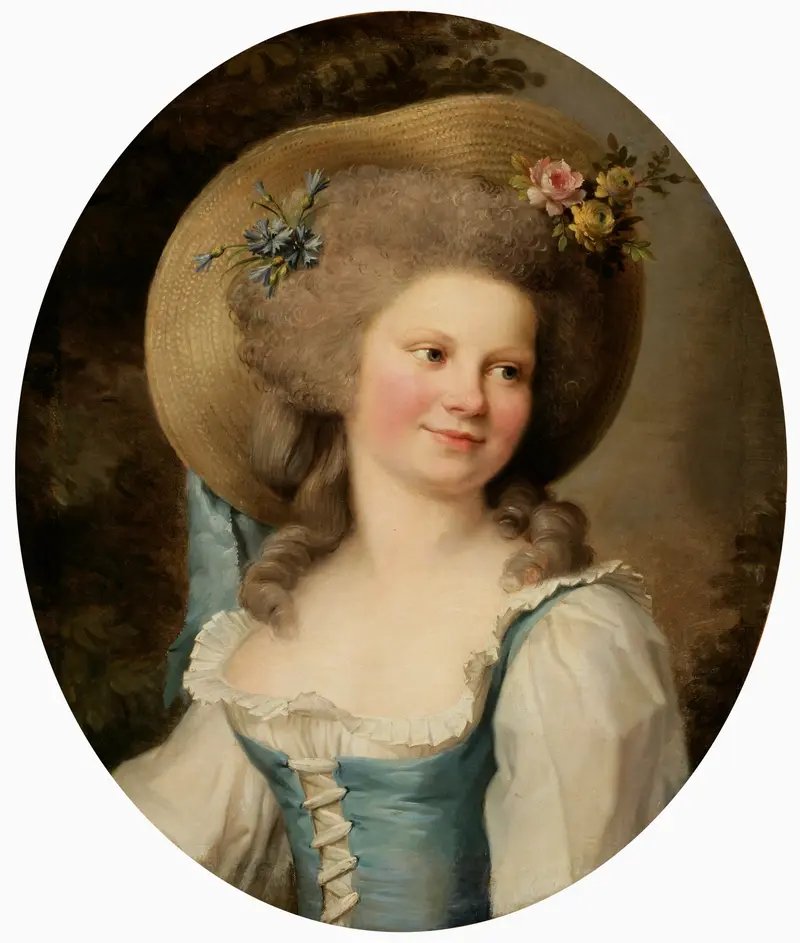
Mme Dugazon in the role of Babet
Adélaïde Labille-Guiard
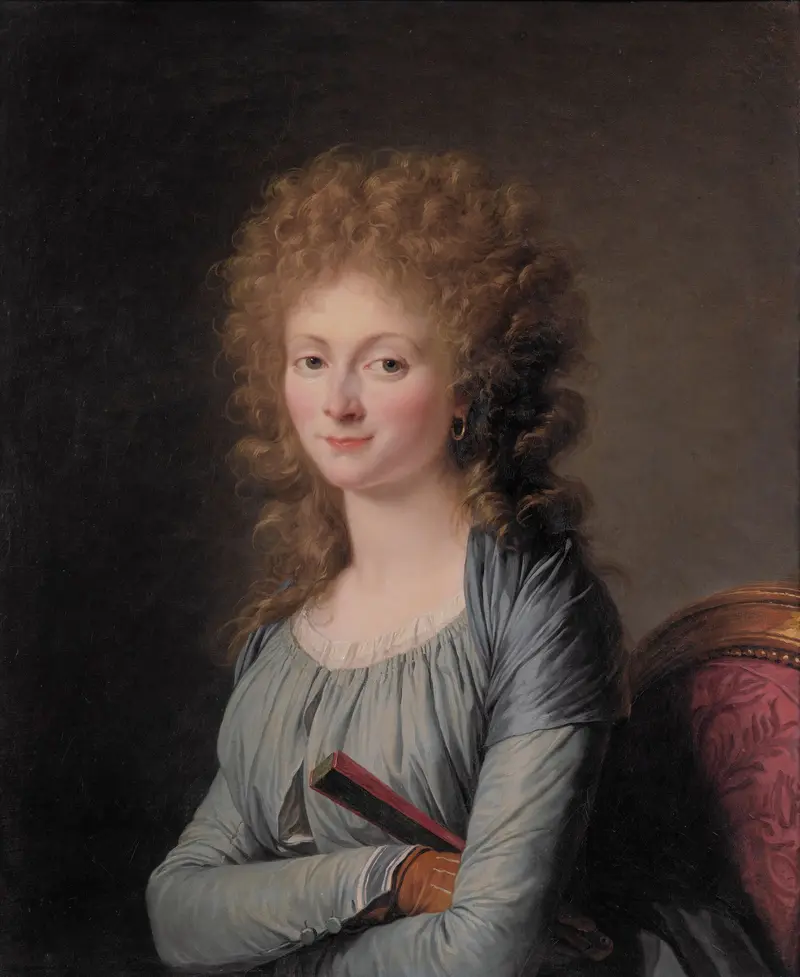
Portrait of Duchesse d'Aiguillon
Adélaïde Labille-Guiard
Portrait of a Man
Adélaïde Labille-Guiard





