
Portrait de Joseph Benoît Suvée — History & Facts
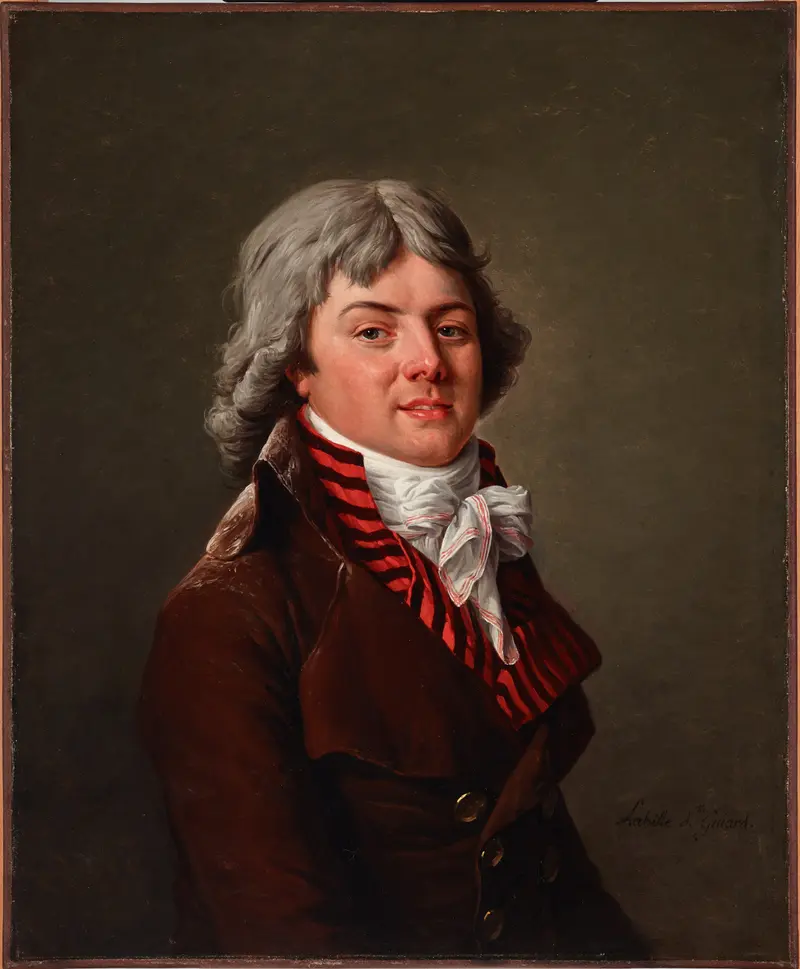
What first draws the viewer in is the gentle, almost conspiratorial expression of the sitter—a man caught in a moment of poised attention, as if he has just turned to listen or is about to speak. The artist, Adélaïde Labille-Guiard, uses the soft play of light across the sitter’s face to highlight his thoughtful eyes and the faintest suggestion of a smile. The powder-blue velvet of his coat, rendered with a tactile richness, signals both refinement and a quiet confidence, while the delicate lace at his collar adds a note of fashionable elegance.
Every detail, from the careful curl of his powdered hair to the subtle warmth in his cheeks, invites us to imagine the conversation just out of earshot. Painted in 1783, this portrait belongs to a world on the cusp of revolution, when portraiture was both a social currency and a declaration of identity. In late eighteenth-century France, artists like Labille-Guiard were gaining ground in a field still dominated by men, and sitters commissioned such works to assert their place in a rapidly shifting society. The painting now resides in the Vlaamse Kunstcollectie, a reminder of the era’s taste for both realism and grace.
History has kept few traces of this sitter’s life, but the painting’s direct gaze and luminous surface ensure his presence endures—return to his eyes, and the silent conversation begins anew.
More Artworks by Adélaïde Labille-Guiard
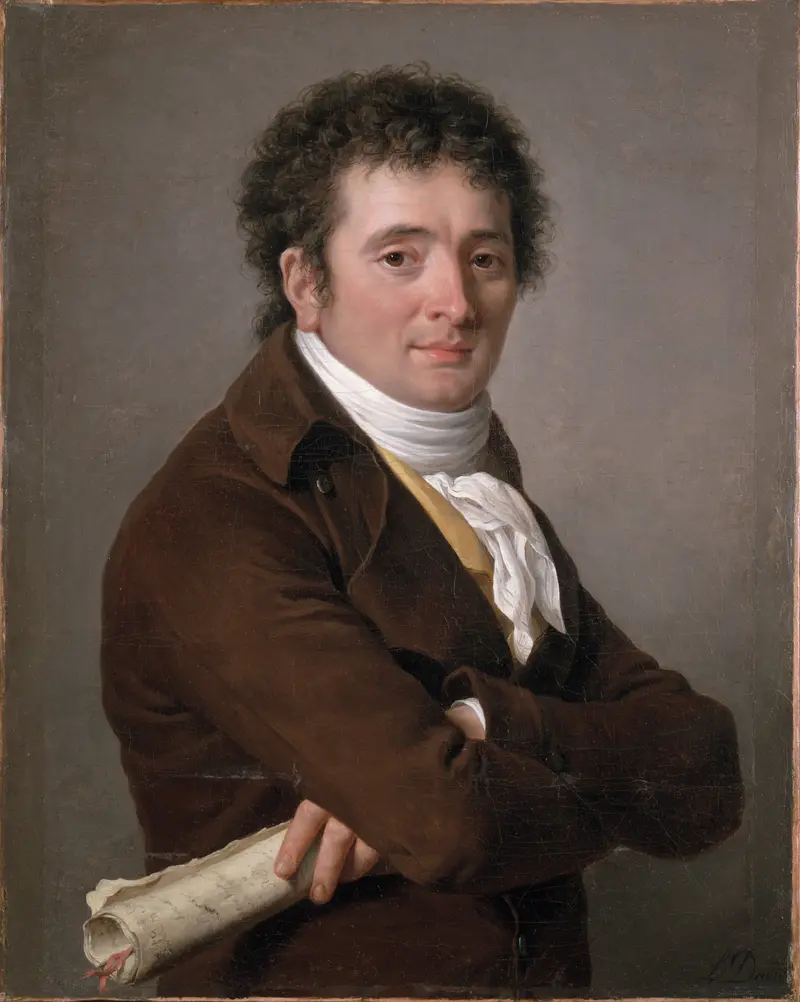
Tournelle, called Dublin (1761-1820)
Adélaïde Labille-Guiard
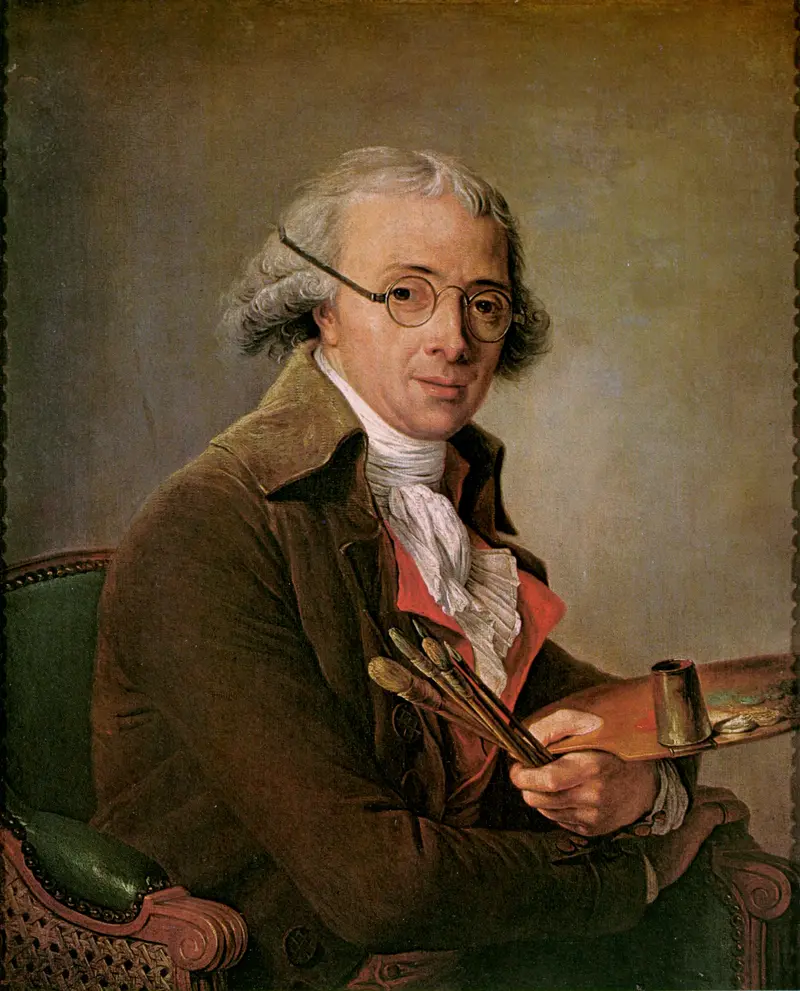
The Painter François-André Vincent
Adélaïde Labille-Guiard
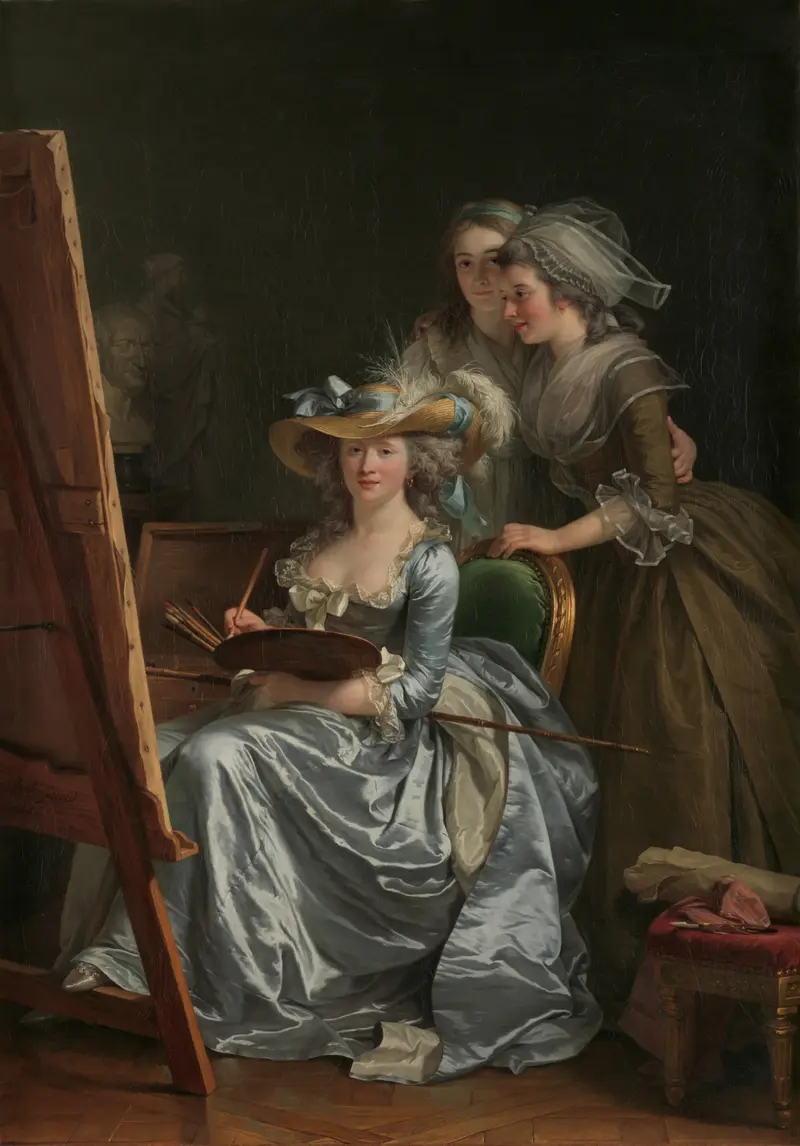
Self-Portrait with Two Pupils
Adélaïde Labille-Guiard
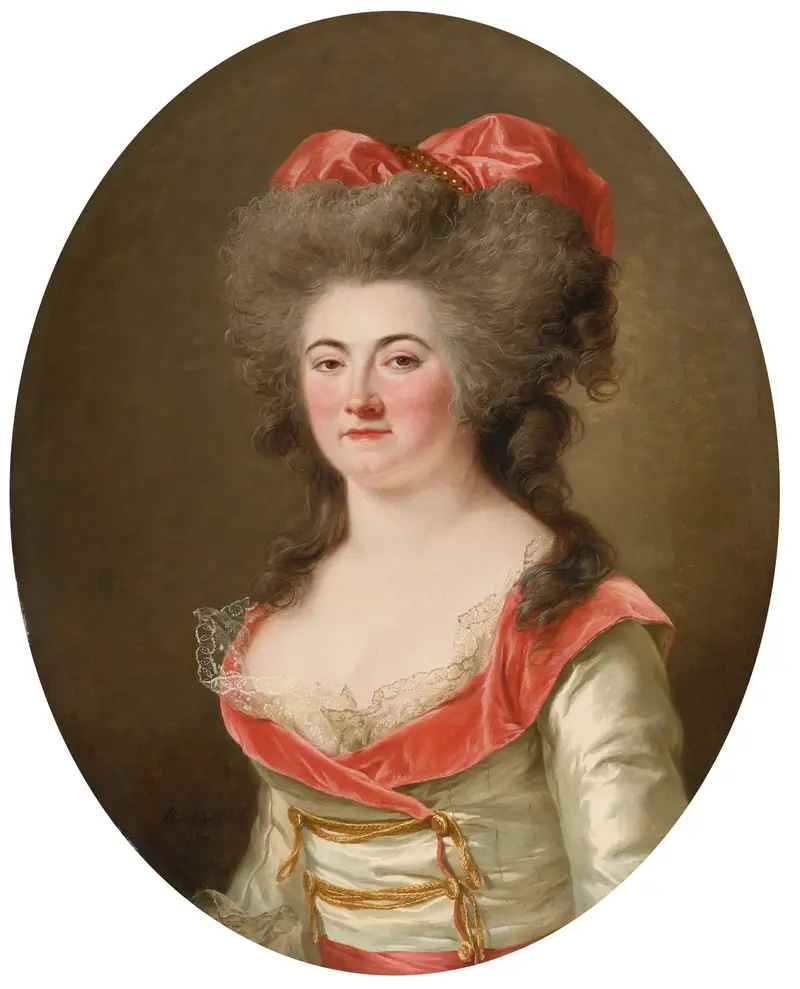
Portrait of a Lady
Adélaïde Labille-Guiard
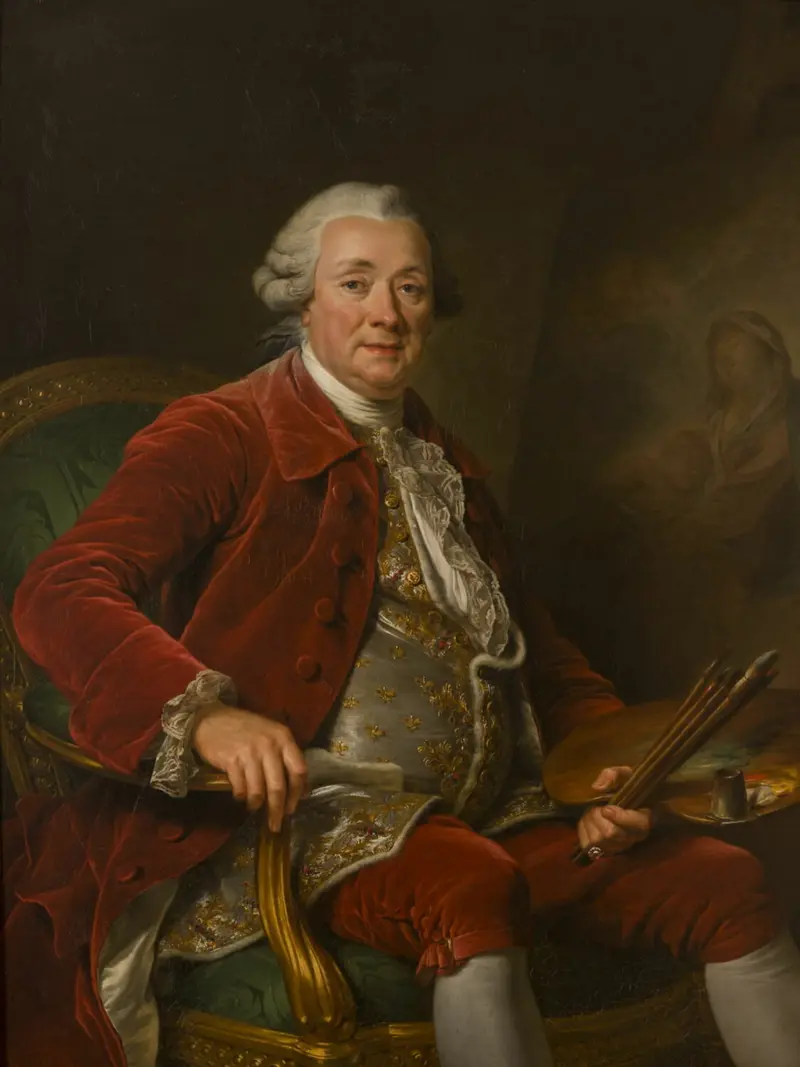
Portrait of Charles-Amédée-Philippe Van Loo
Adélaïde Labille-Guiard

Portrait of Elisabeth of France, Duchess of Parma (1727-1759)
Adélaïde Labille-Guiard
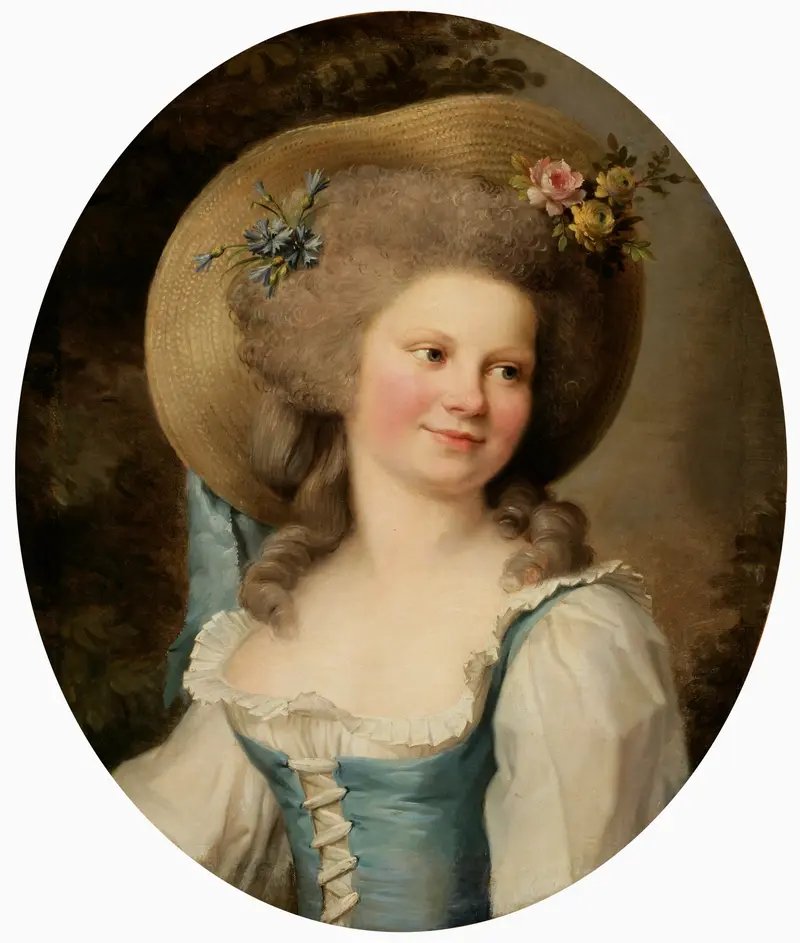
Mme Dugazon in the role of Babet
Adélaïde Labille-Guiard
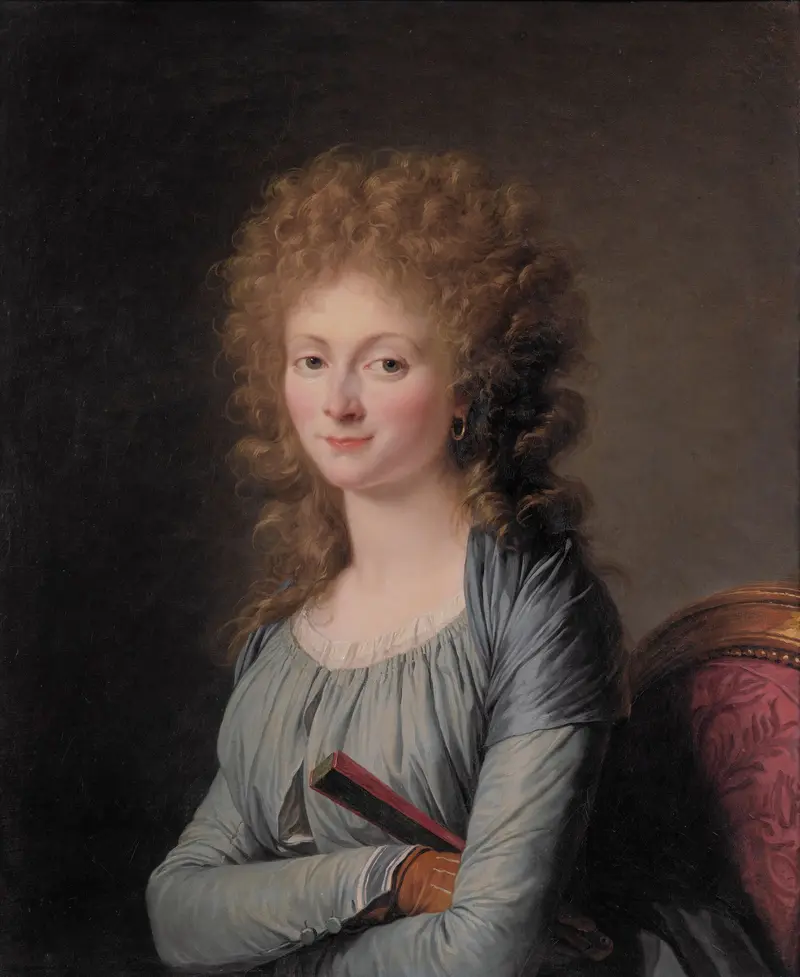
Portrait of Duchesse d'Aiguillon
Adélaïde Labille-Guiard
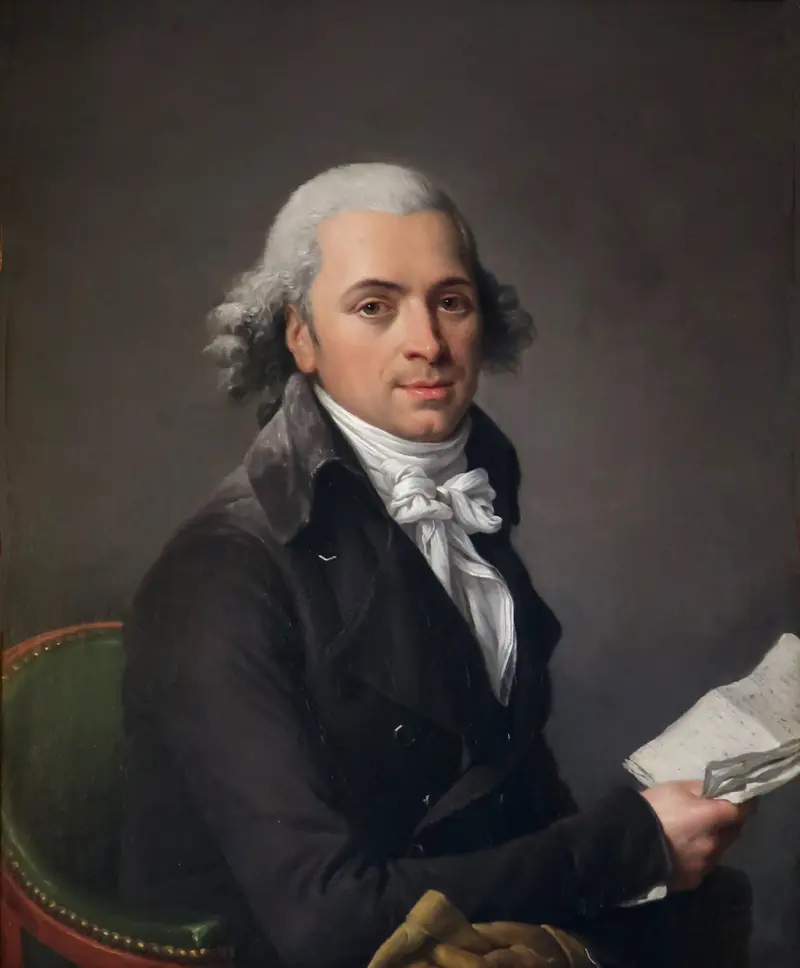
Monsieur Meunier
Adélaïde Labille-Guiard
Portrait of a Man
Adélaïde Labille-Guiard





