
Portrait of Duchesse d'Aiguillon — History & Facts
What draws the eye first in Portrait of Duchesse d'Aiguillon is the sitter’s direct, almost playful gaze—an invitation to linger in her presence. The light, falling gently across her face, brings out the delicate flush of her cheeks and the lively intelligence in her eyes. Her pose, arms folded and a closed fan tucked beneath one elbow, suggests both reserve and quiet confidence.
The soft blue-grey of her dress, rendered with the subtle sheen of fine fabric, is set off by the russet velvet of the chair and the warm brown of her glove, creating a harmony of textures that speaks to both comfort and elegance. Every detail, from the fashionable curls framing her face to the faint smile on her lips, seems chosen to capture a moment of poised self-assurance. This portrait, painted in 1790 by Adélaïde Labille-Guiard, belongs to a world on the edge of revolution, when the French aristocracy still commissioned likenesses to assert identity and status. The sitter, Jeanne-Victoire-Henriette de Montaud de Navailles, would later become Duchesse d'Aiguillon, but here she appears at the height of youthful fashion, her hairstyle and dress marking the precise year as noted by contemporary observers.
Portraits like this were both personal mementos and public statements, created by artists—often women like Labille-Guiard—who were carving out a place in the competitive salons of Paris. History has kept few traces of this particular painting’s journey, but its presence today invites us to imagine the world it once inhabited, and to meet the gaze of a woman who knew her own worth.
More Artworks by Adélaïde Labille-Guiard
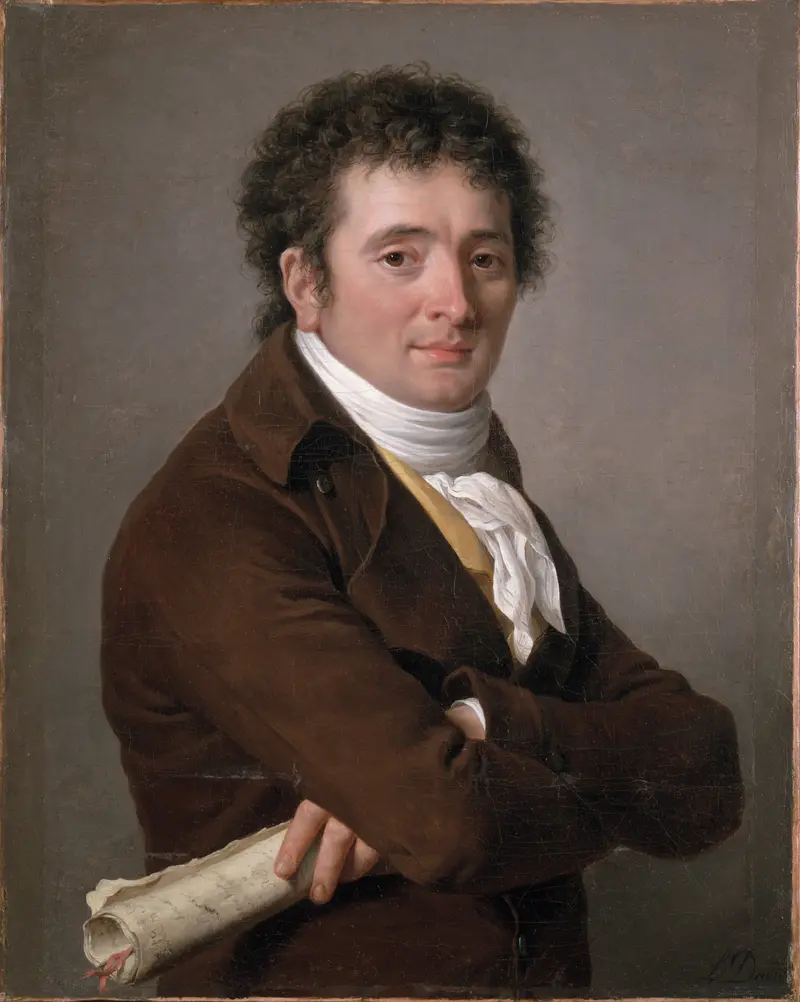
Tournelle, called Dublin (1761-1820)
Adélaïde Labille-Guiard
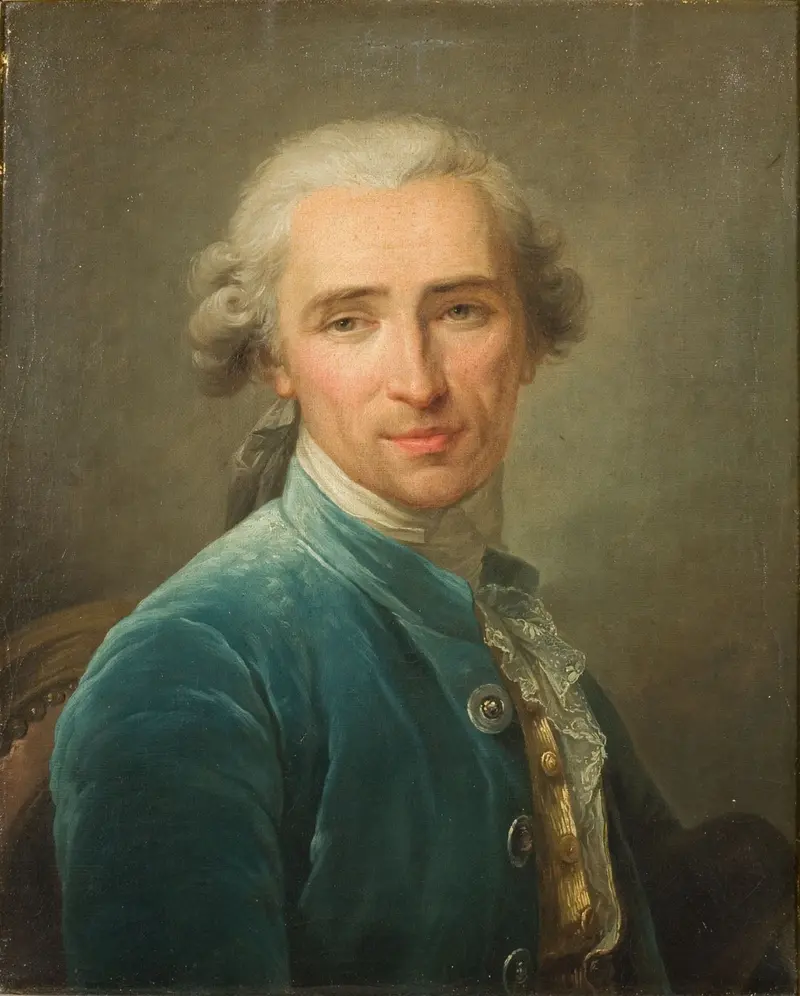
Portrait de Joseph Benoît Suvée
Adélaïde Labille-Guiard
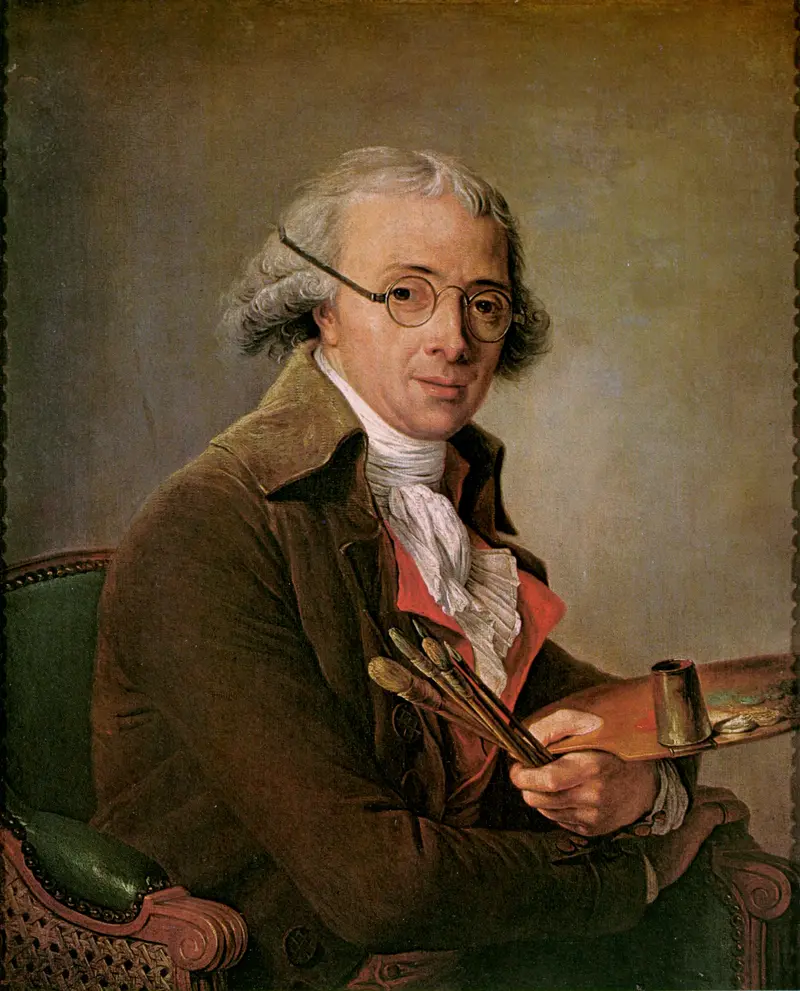
The Painter François-André Vincent
Adélaïde Labille-Guiard
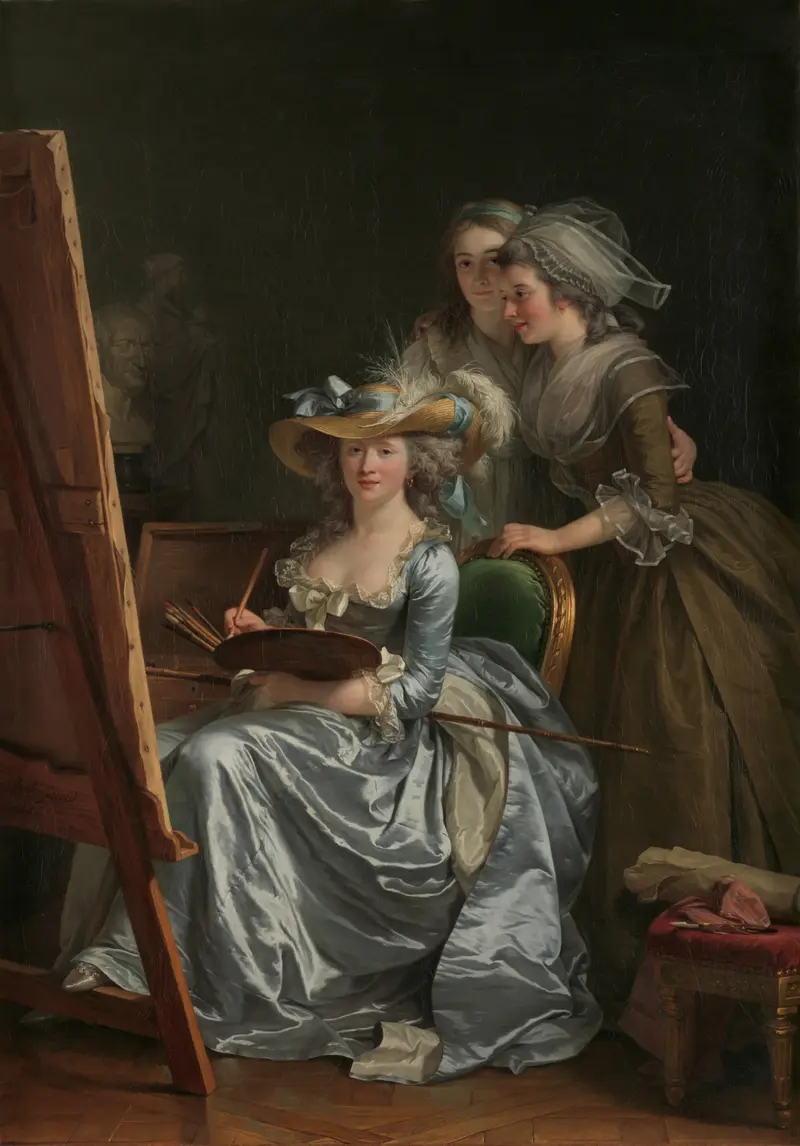
Self-Portrait with Two Pupils
Adélaïde Labille-Guiard
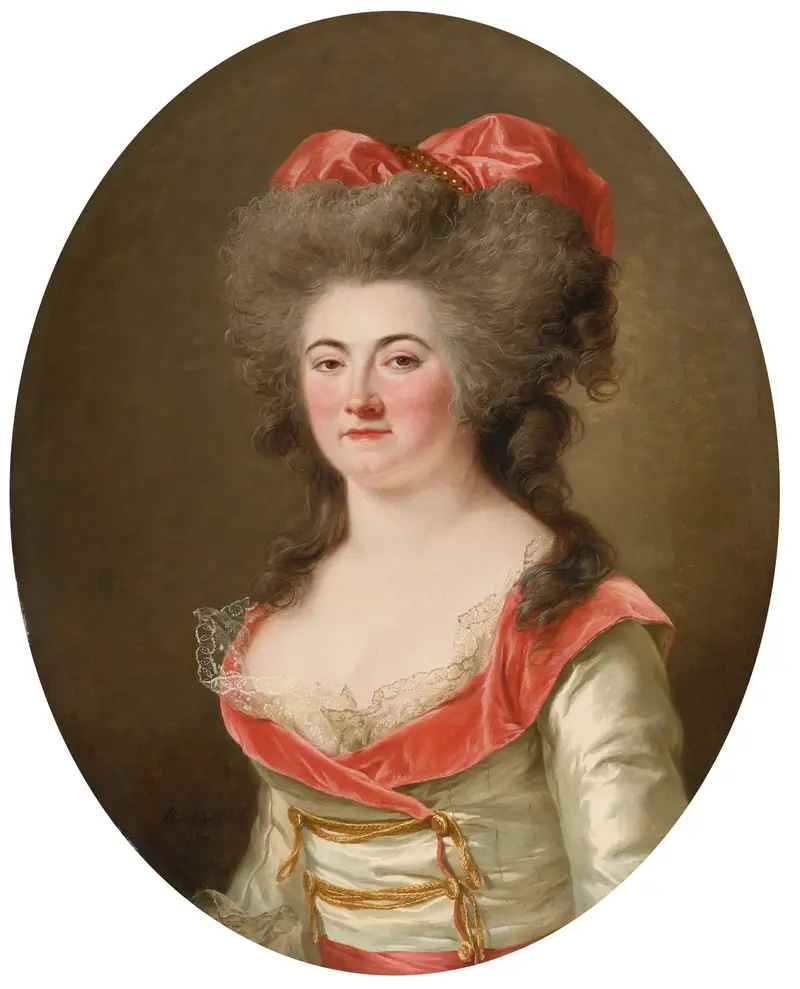
Portrait of a Lady
Adélaïde Labille-Guiard
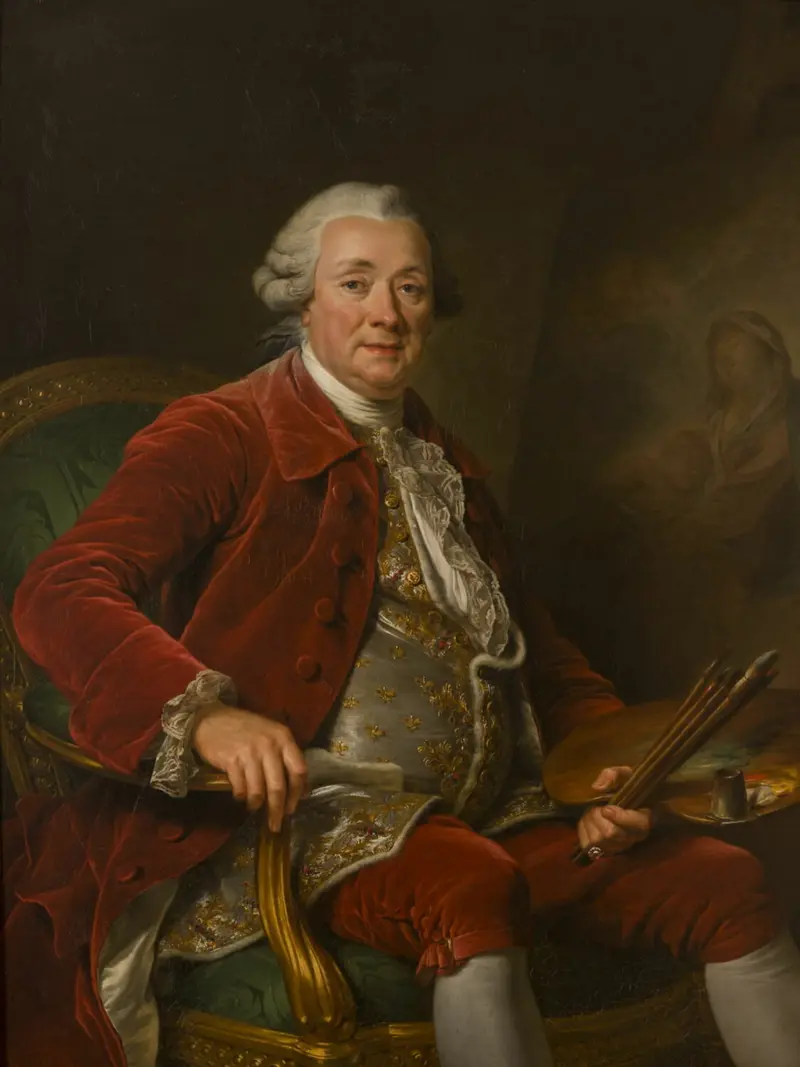
Portrait of Charles-Amédée-Philippe Van Loo
Adélaïde Labille-Guiard

Portrait of Elisabeth of France, Duchess of Parma (1727-1759)
Adélaïde Labille-Guiard
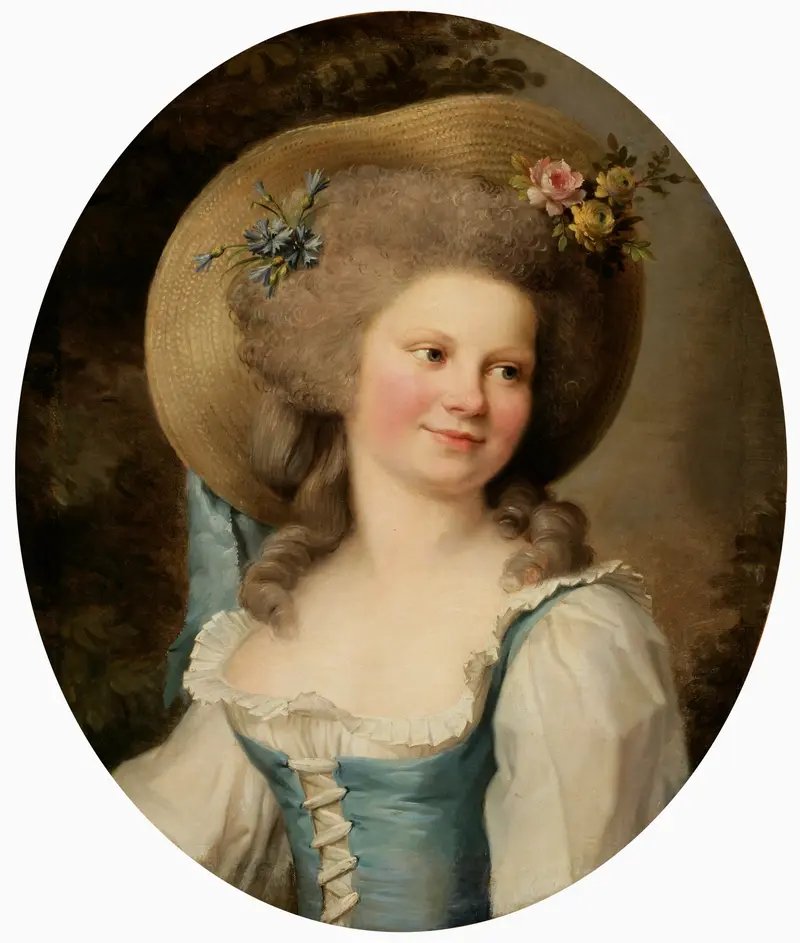
Mme Dugazon in the role of Babet
Adélaïde Labille-Guiard
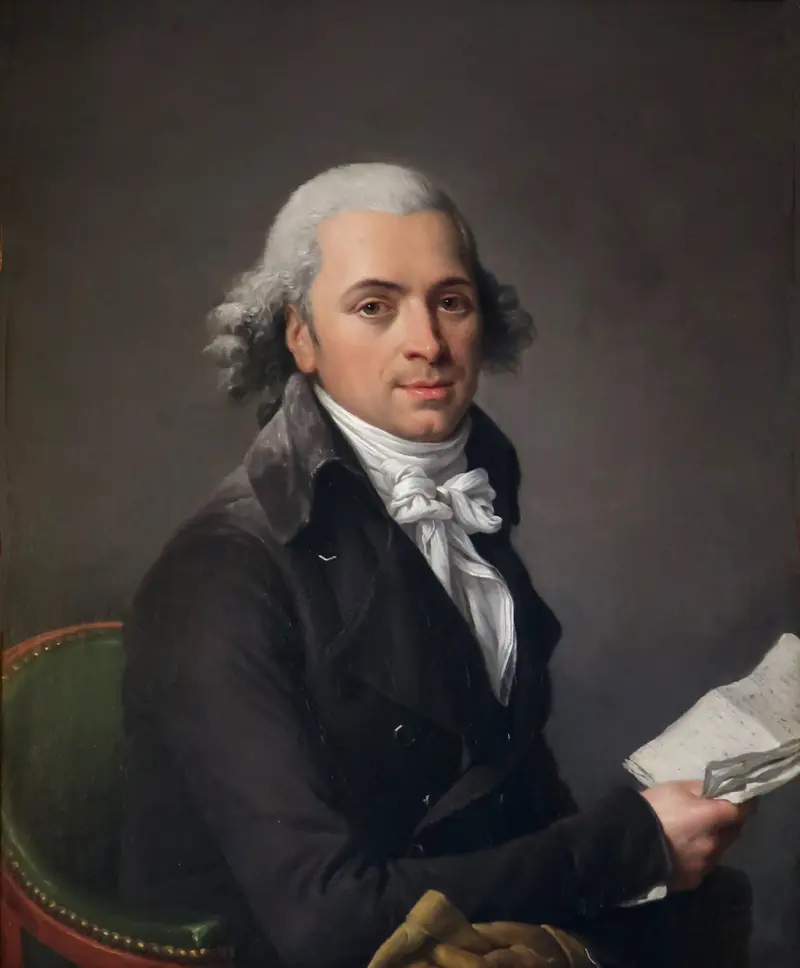
Monsieur Meunier
Adélaïde Labille-Guiard
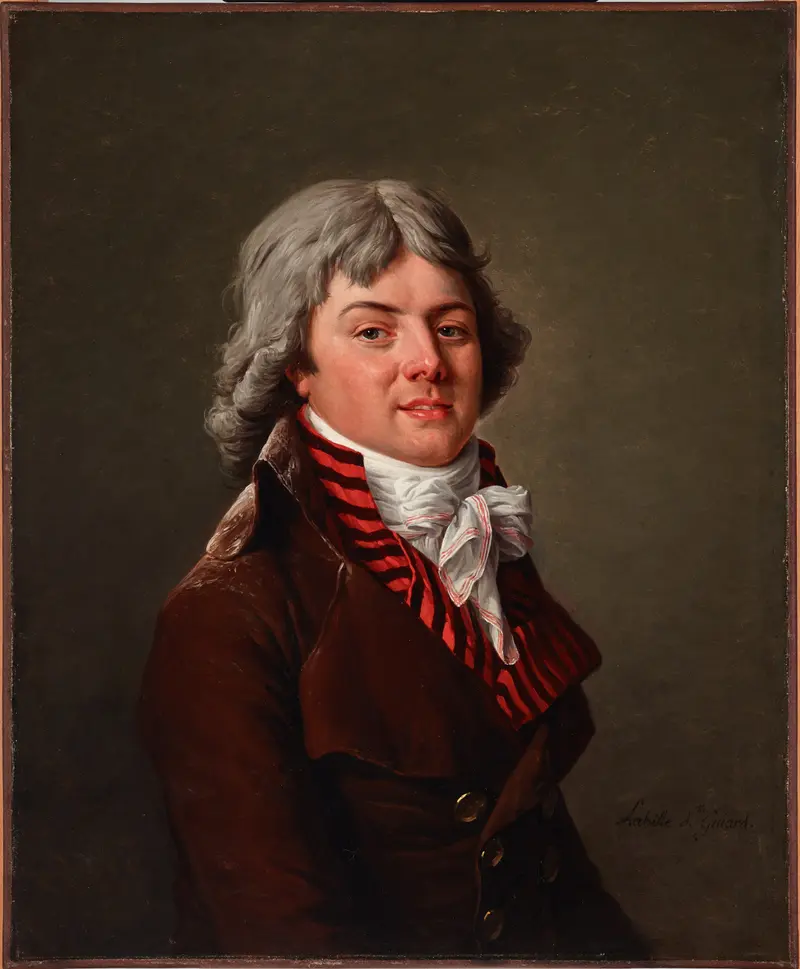
Portrait of a Man
Adélaïde Labille-Guiard





