
The Painter François-André Vincent — History & Facts
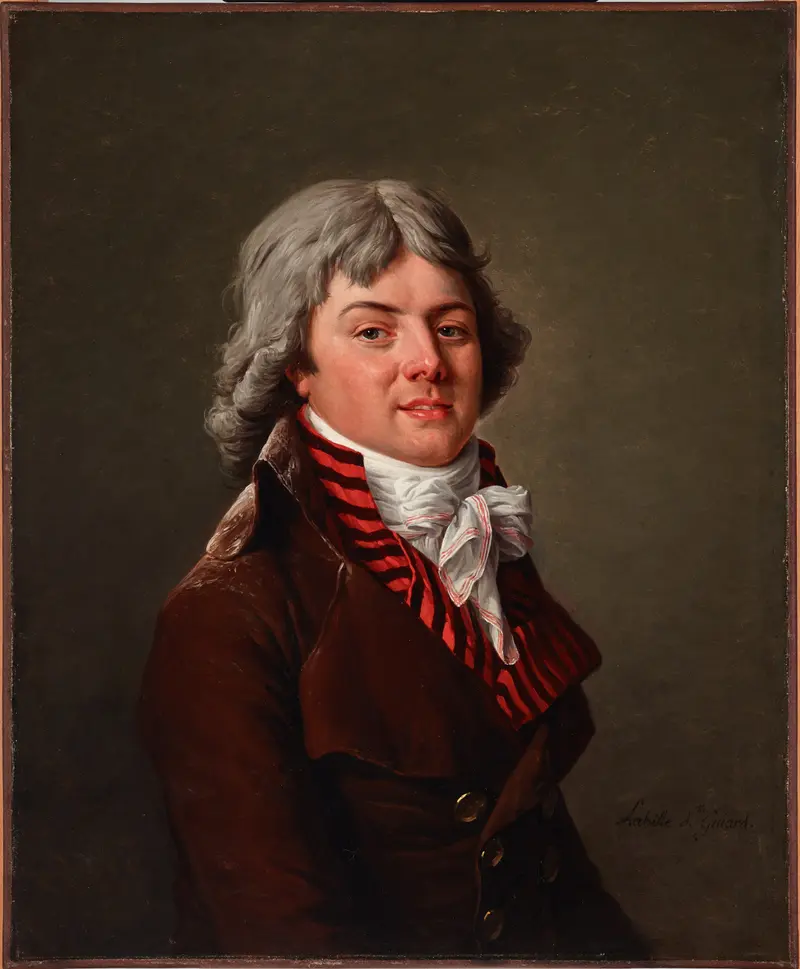
What first draws the eye in this portrait is the direct, unguarded gaze of the sitter, his spectacles perched with quiet confidence as he meets the viewer’s attention. The painter’s hand, poised with brushes and palette, is caught in a moment of thoughtful pause rather than action, as if he has just looked up from his work to consider both his art and his audience. The light falls gently across his face, illuminating the fine texture of his skin and the silvery curls of his hair, while the muted background and sober clothing keep all focus on the man himself.
Every detail—the careful rendering of the chair’s cane back, the crisp folds of his cravat—signals a world of discipline and intellect, but also a certain warmth and humanity that breaks through the formal pose. Painted in 1795, this work by Adélaïde Labille-Guiard belongs to a moment when portraiture was both a social currency and a declaration of presence in the shifting world of late eighteenth-century France. Portraits like this were commissioned by those who sought not only to record likeness, but to assert their role in the intellectual and artistic life of their time. The painting’s careful realism and psychological depth are hallmarks of the era’s approach, when artists—especially those like Labille-Guiard, working against the odds as a woman in a male-dominated field—used every tool at their disposal to claim their place in the story of art.
History has kept few traces of this particular canvas’s early journey, but its survival in collections such as The Yorck Project speaks to the enduring fascination with the individuals who shaped the visual language of their age. The sitter’s steady eyes invite you to linger, searching for the thoughts behind the paint.
More Artworks by Adélaïde Labille-Guiard
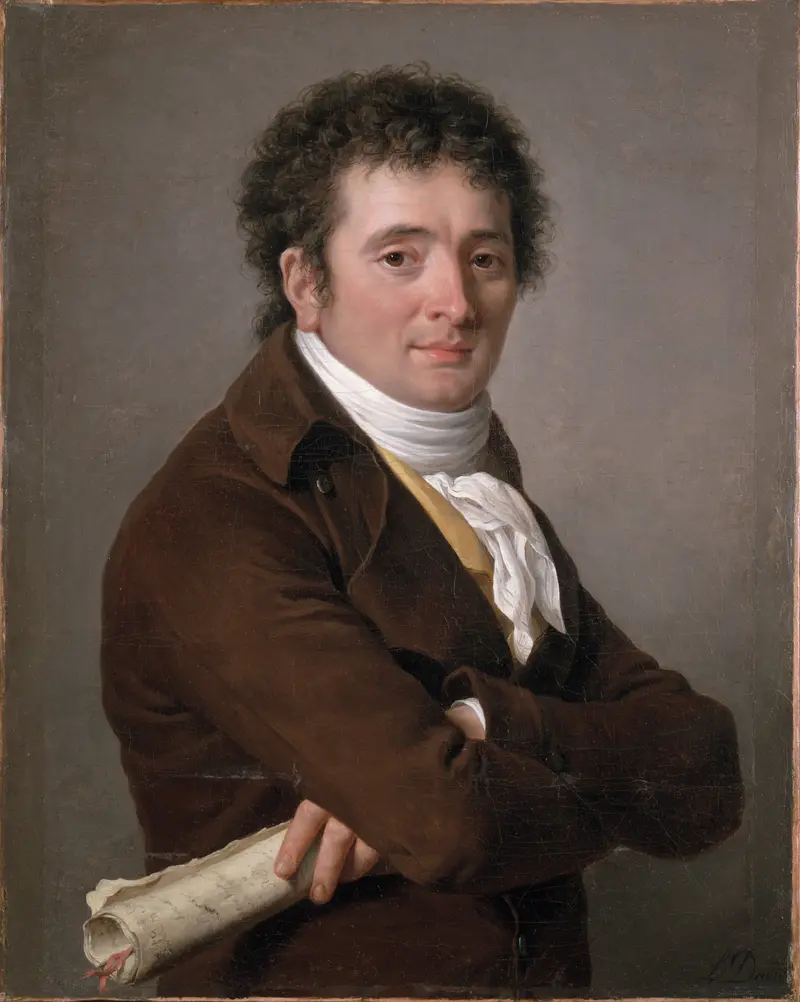
Tournelle, called Dublin (1761-1820)
Adélaïde Labille-Guiard
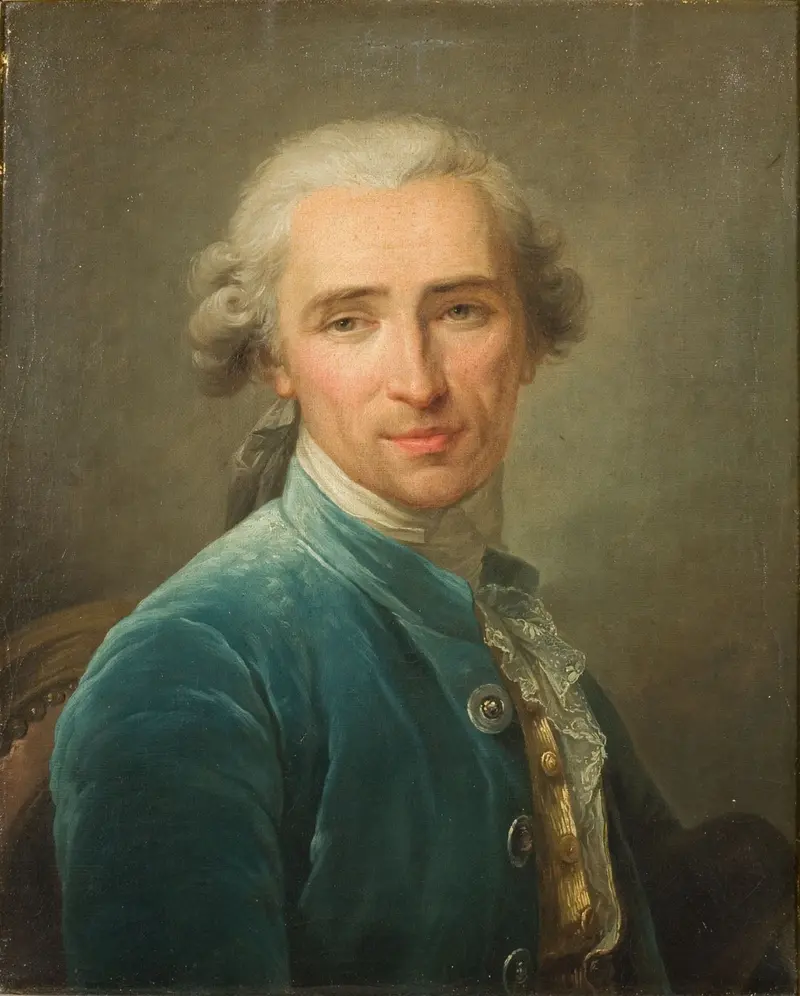
Portrait de Joseph Benoît Suvée
Adélaïde Labille-Guiard
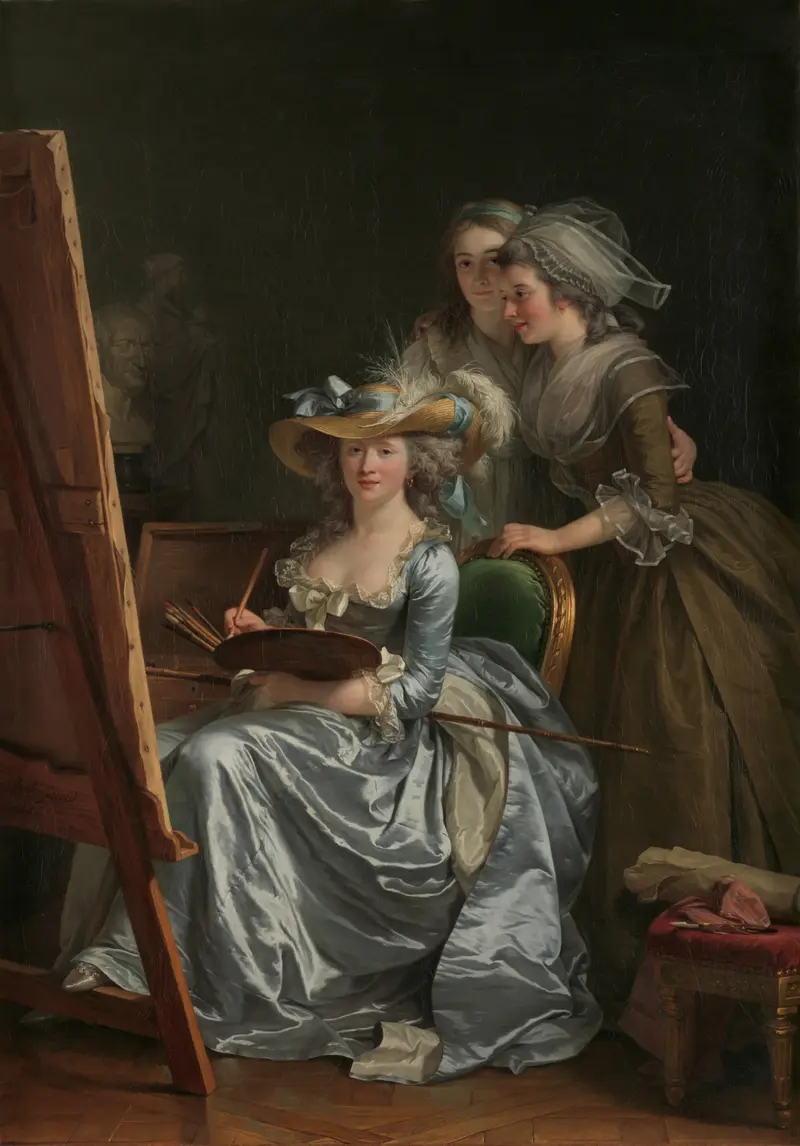
Self-Portrait with Two Pupils
Adélaïde Labille-Guiard
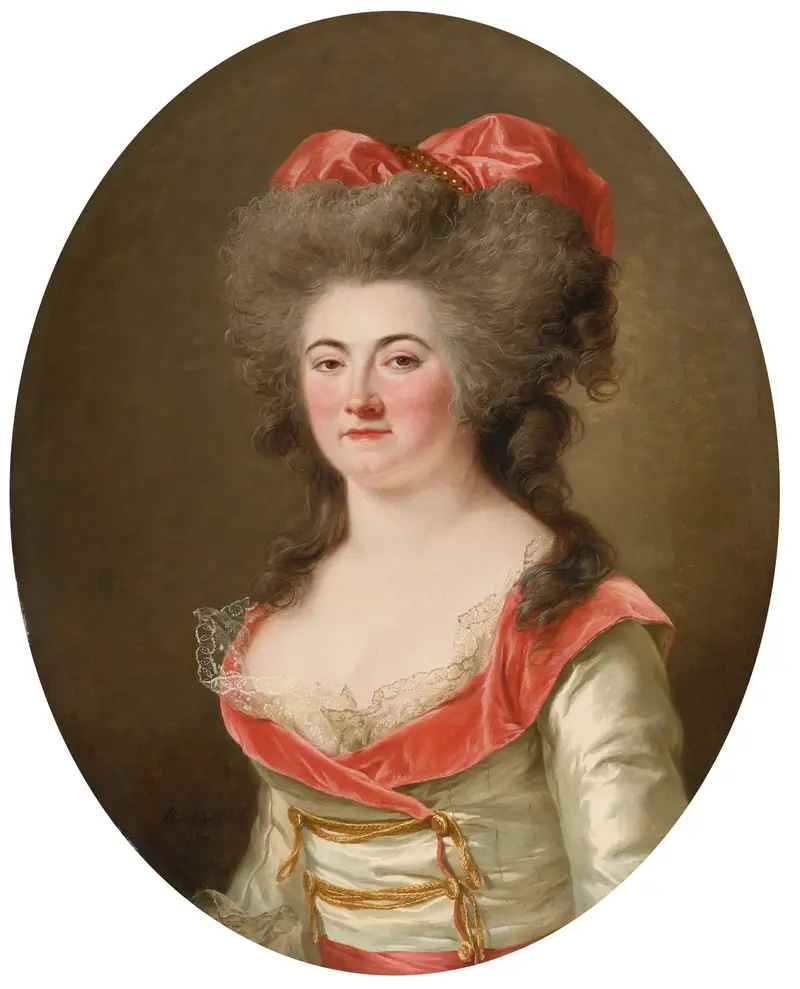
Portrait of a Lady
Adélaïde Labille-Guiard
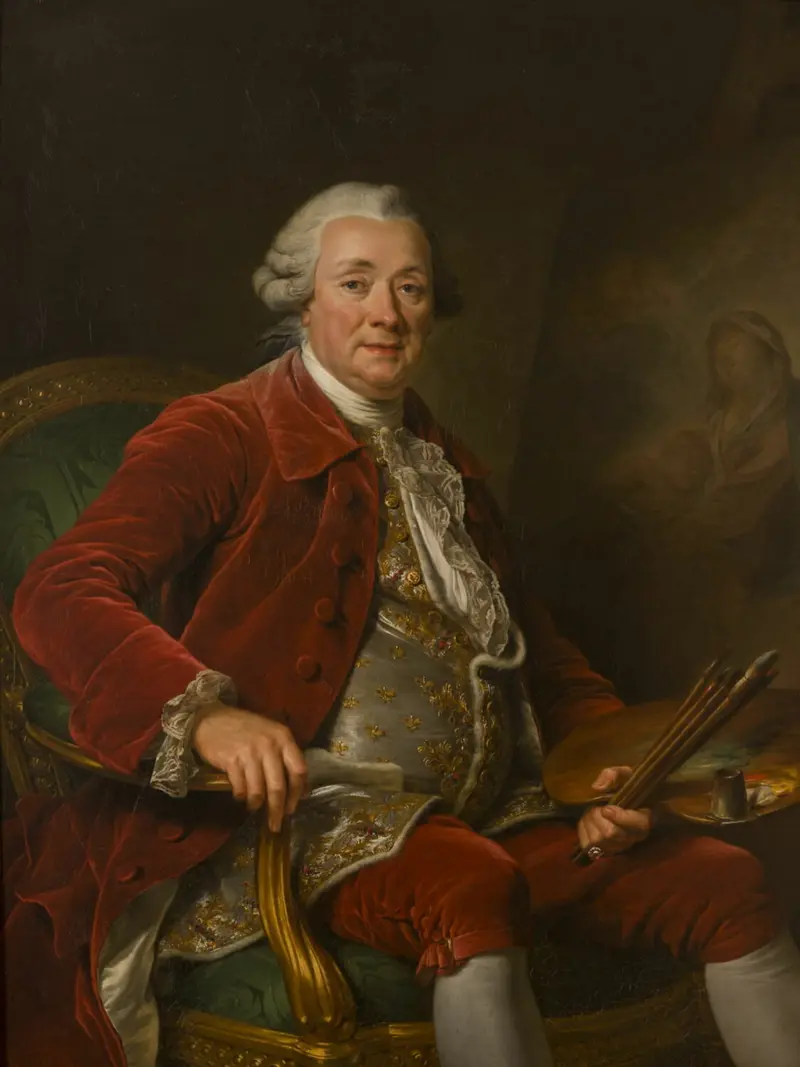
Portrait of Charles-Amédée-Philippe Van Loo
Adélaïde Labille-Guiard

Portrait of Elisabeth of France, Duchess of Parma (1727-1759)
Adélaïde Labille-Guiard
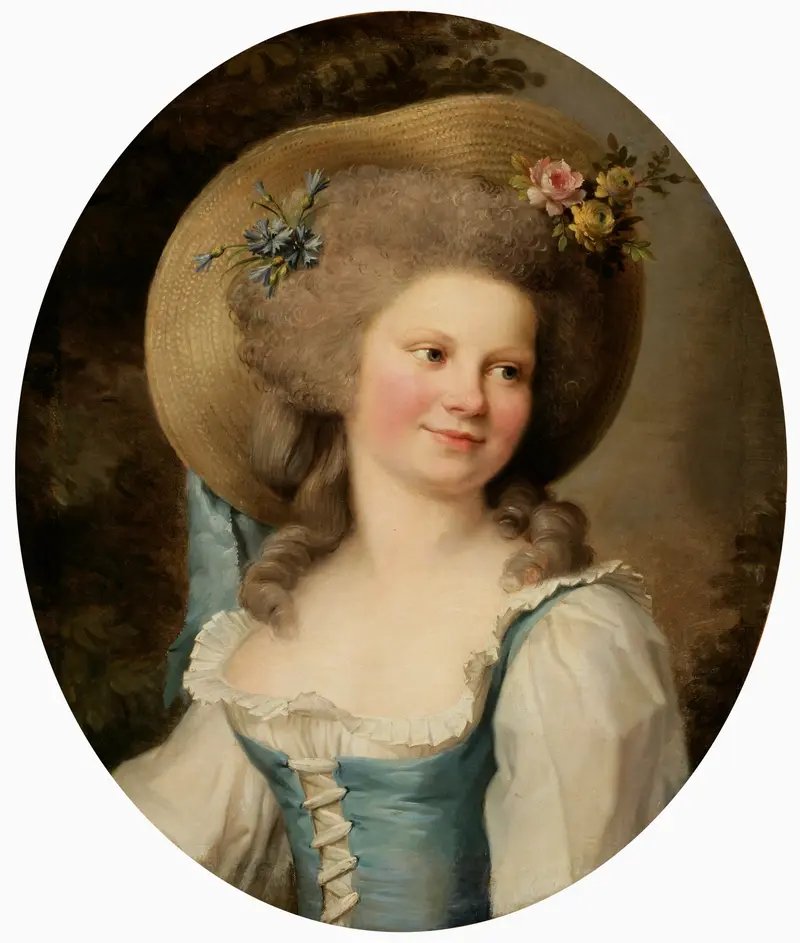
Mme Dugazon in the role of Babet
Adélaïde Labille-Guiard
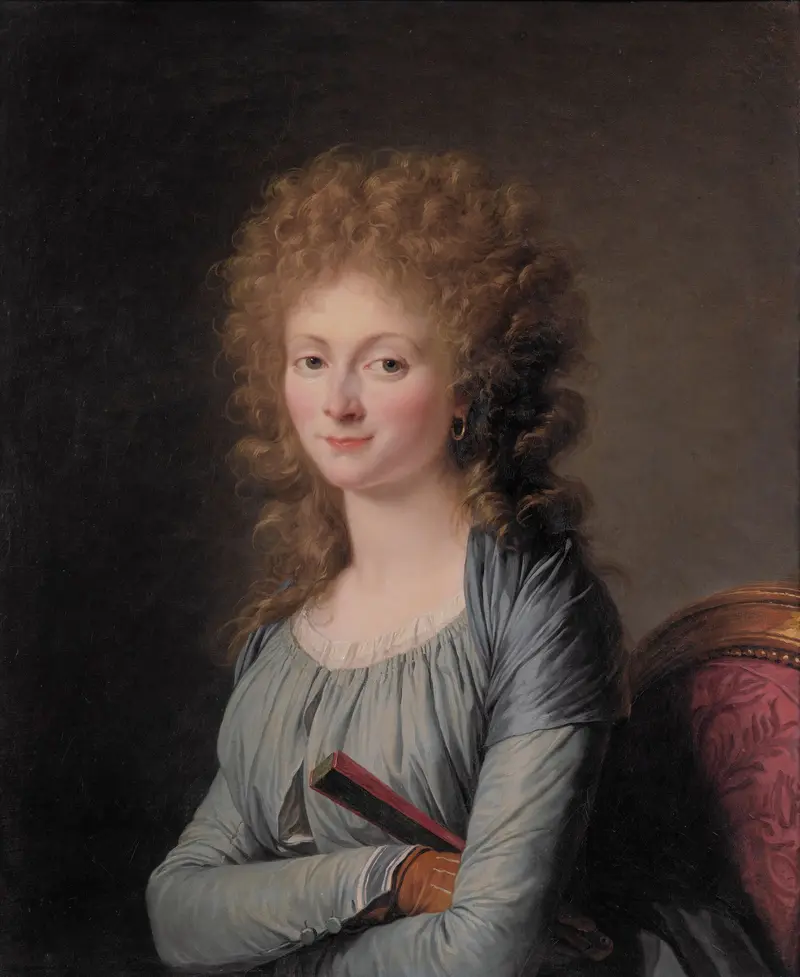
Portrait of Duchesse d'Aiguillon
Adélaïde Labille-Guiard
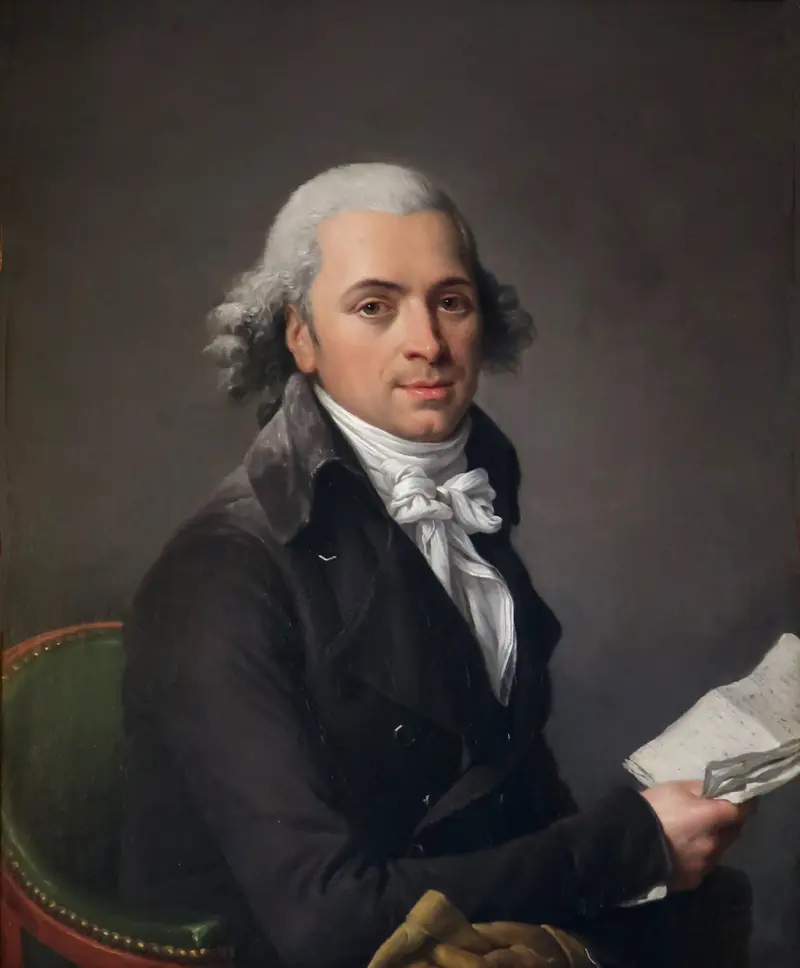
Monsieur Meunier
Adélaïde Labille-Guiard
Portrait of a Man
Adélaïde Labille-Guiard





