
Portrait of Charles-Amédée-Philippe Van Loo — History & Facts
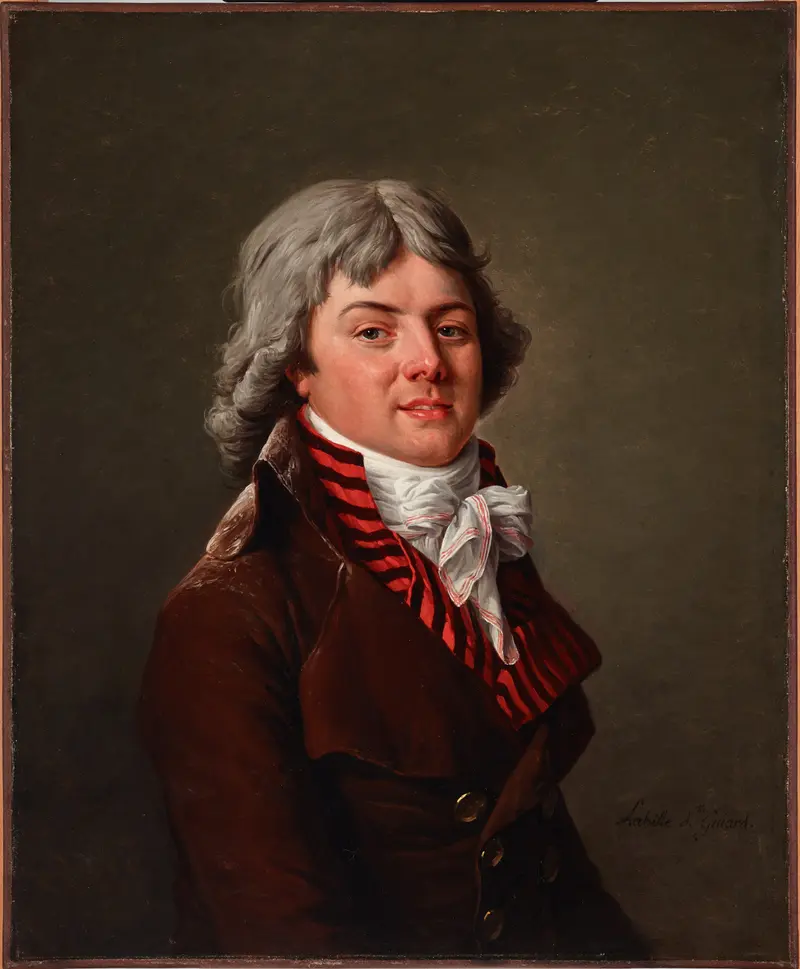
The first thing that catches the eye in Portrait of Charles-Amédée-Philippe Van Loo by Adélaïde Labille-Guiard is the sitter’s quiet confidence, his gaze steady and direct, as if he has just paused in his work to consider the viewer. The artist has chosen a moment of poised self-possession: Van Loo, dressed in a richly embroidered waistcoat and deep red velvet coat, sits at ease in an ornate chair, his palette and brushes in hand. Light pools across his face and chest, drawing attention to the careful textures of lace, velvet, and gold thread, while the background recedes into shadow, giving the scene an intimate, almost conversational air.
Behind him, a softly outlined canvas hints at the sacred subjects he painted, but it is the living artist, not his work, who commands the stage. This portrait belongs to the world of late eighteenth-century France, when artists and intellectuals were beginning to claim new social status and visibility. Painted in 1785, the work stands at the threshold of the Revolution, when questions of merit and recognition were in the air. Portraits like this one were often commissioned to honor professional achievement and personal distinction, serving as both private tribute and public statement.
That Adélaïde Labille-Guiard, herself a pioneering woman artist, should capture a fellow painter in such a dignified, unhurried pose speaks to the shifting values of her time: artistry, individuality, and the subtle assertion of presence. The painting now belongs to the Louvre collection, a reminder to linger on the details that once marked a life and a profession.
More Artworks by Adélaïde Labille-Guiard
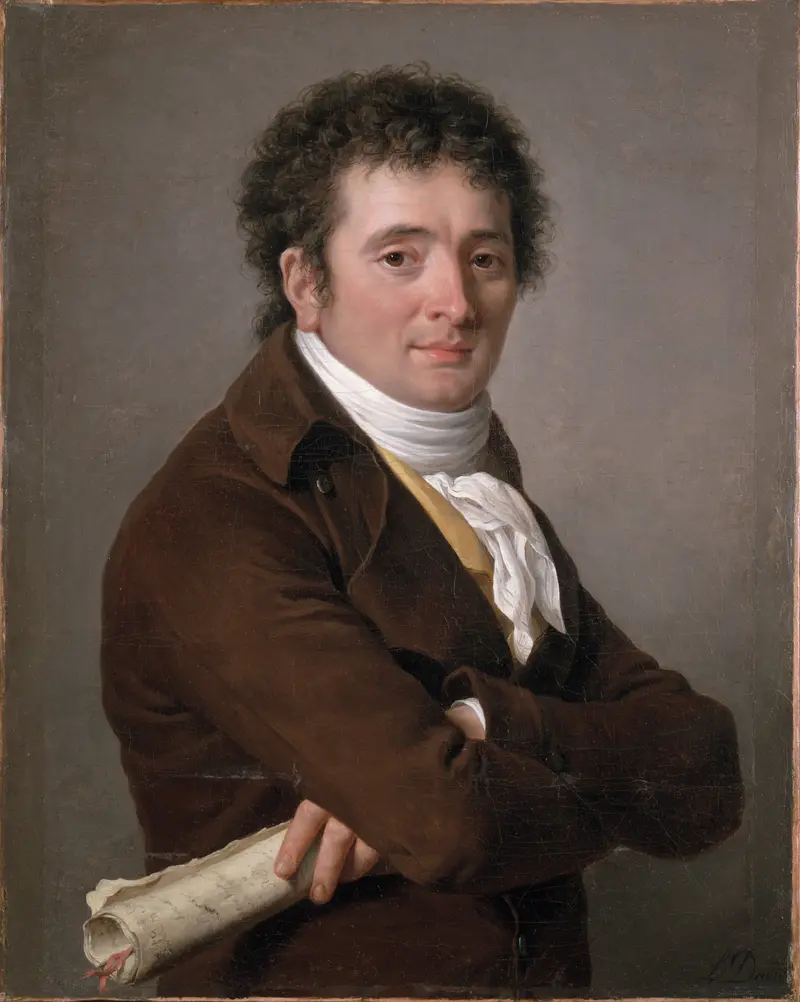
Tournelle, called Dublin (1761-1820)
Adélaïde Labille-Guiard
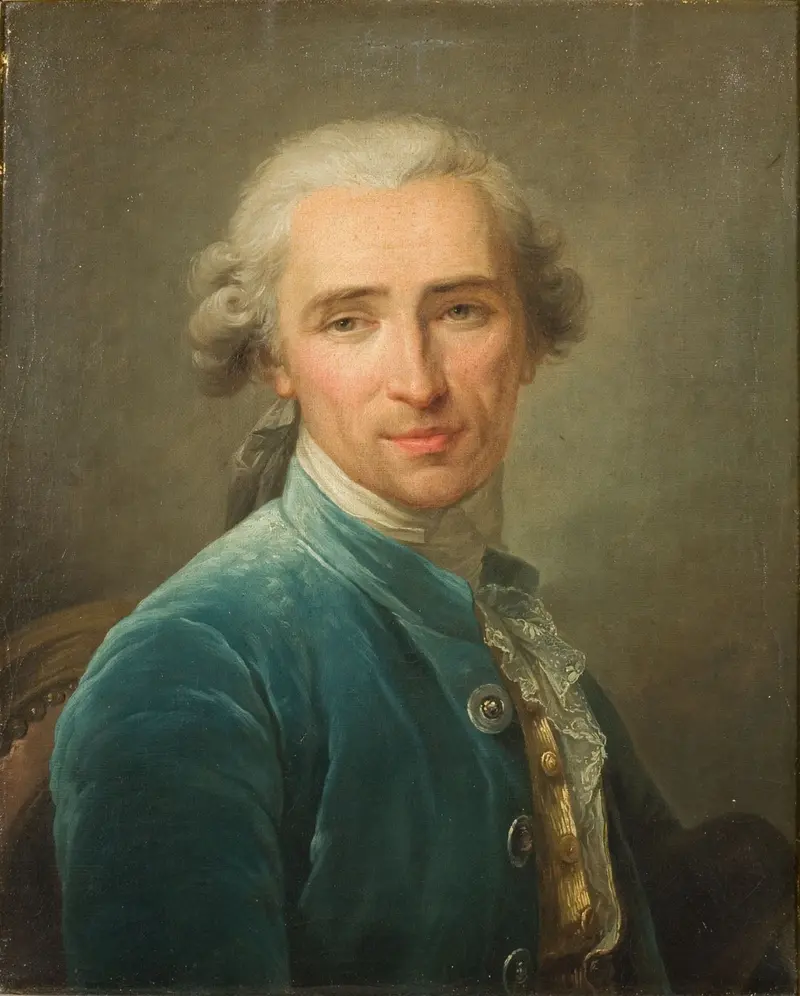
Portrait de Joseph Benoît Suvée
Adélaïde Labille-Guiard
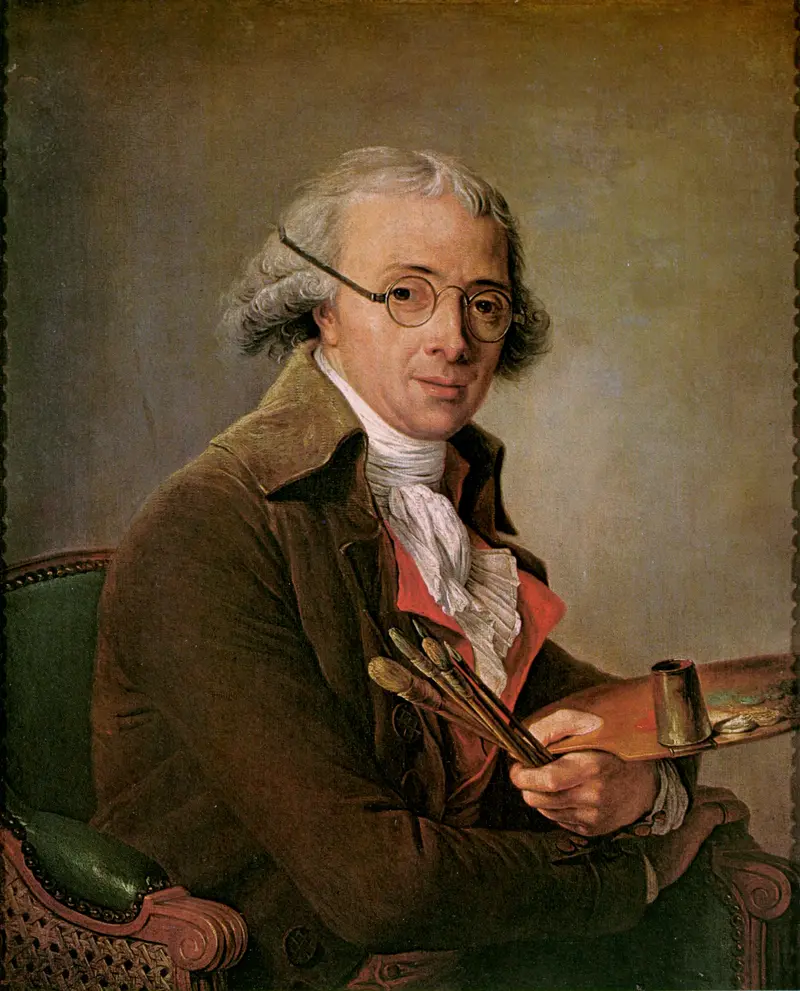
The Painter François-André Vincent
Adélaïde Labille-Guiard
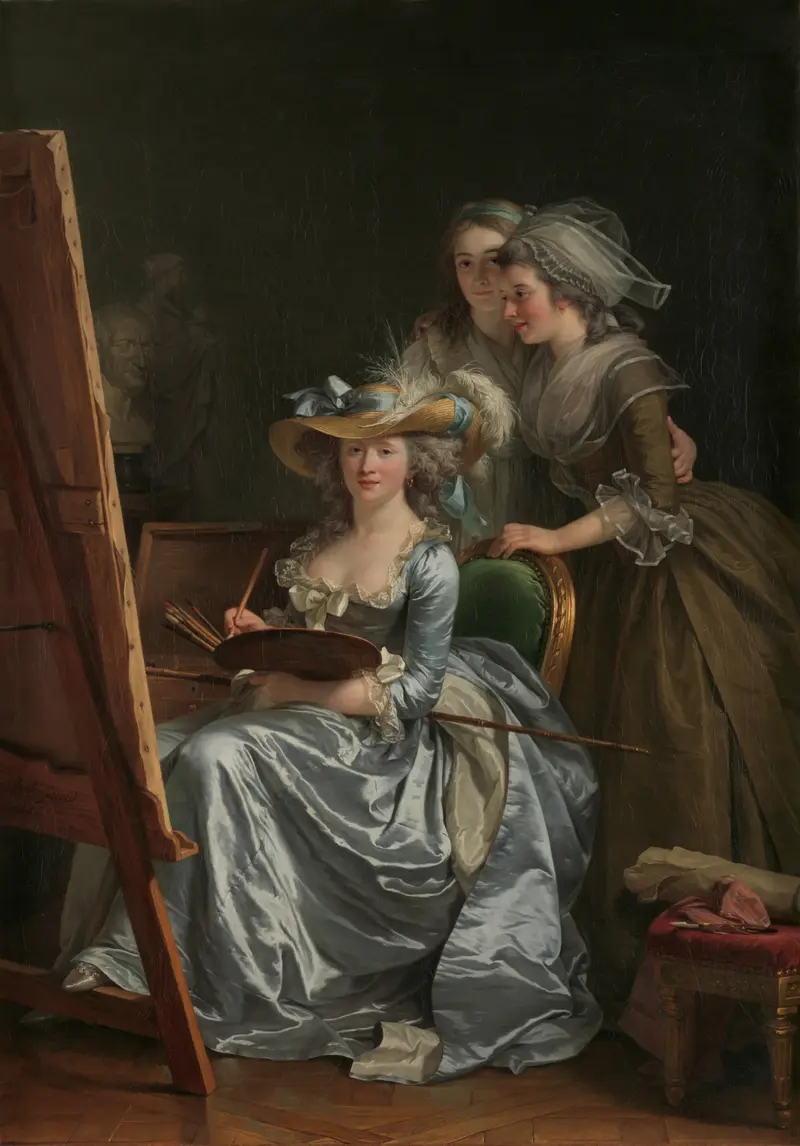
Self-Portrait with Two Pupils
Adélaïde Labille-Guiard
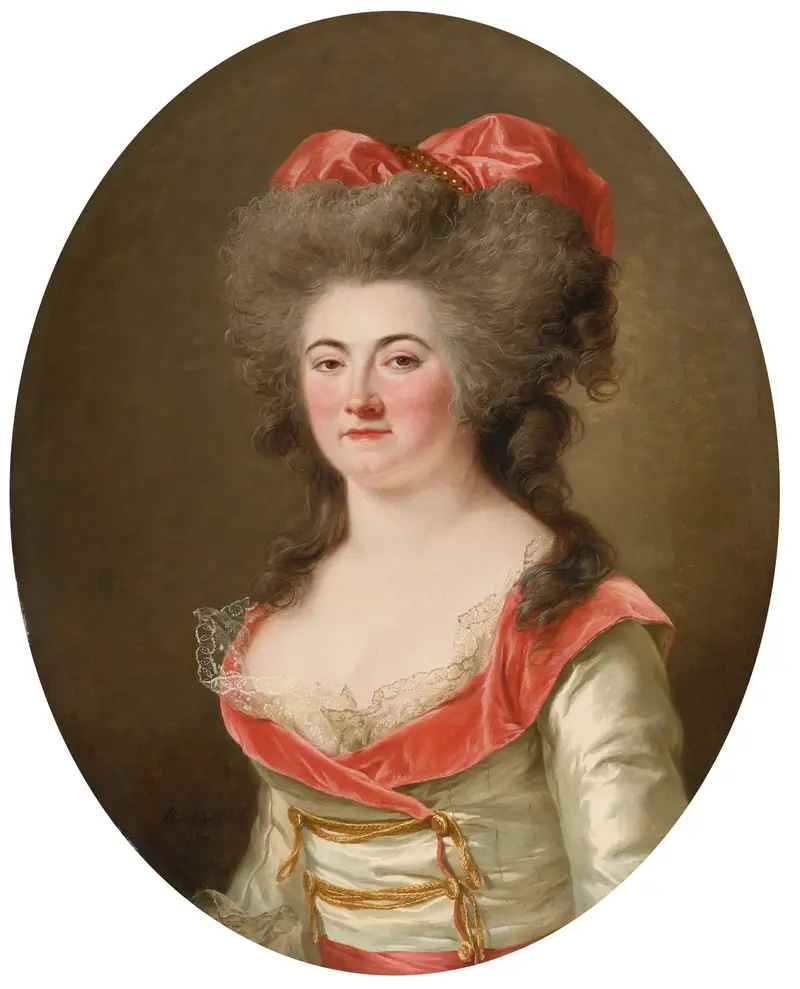
Portrait of a Lady
Adélaïde Labille-Guiard

Portrait of Elisabeth of France, Duchess of Parma (1727-1759)
Adélaïde Labille-Guiard
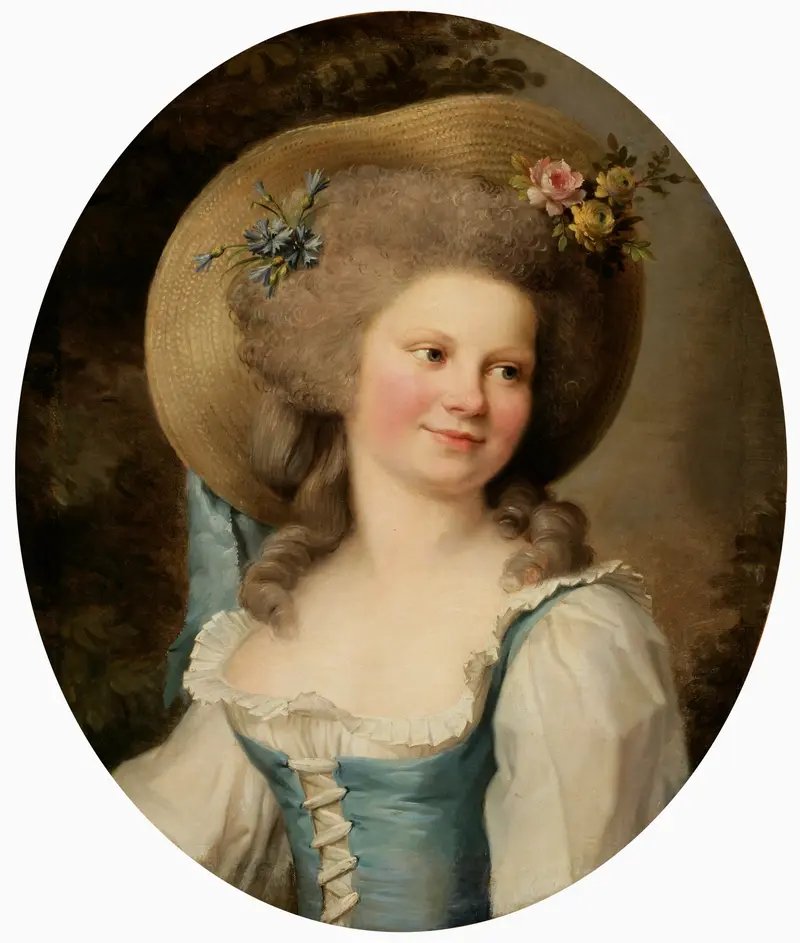
Mme Dugazon in the role of Babet
Adélaïde Labille-Guiard
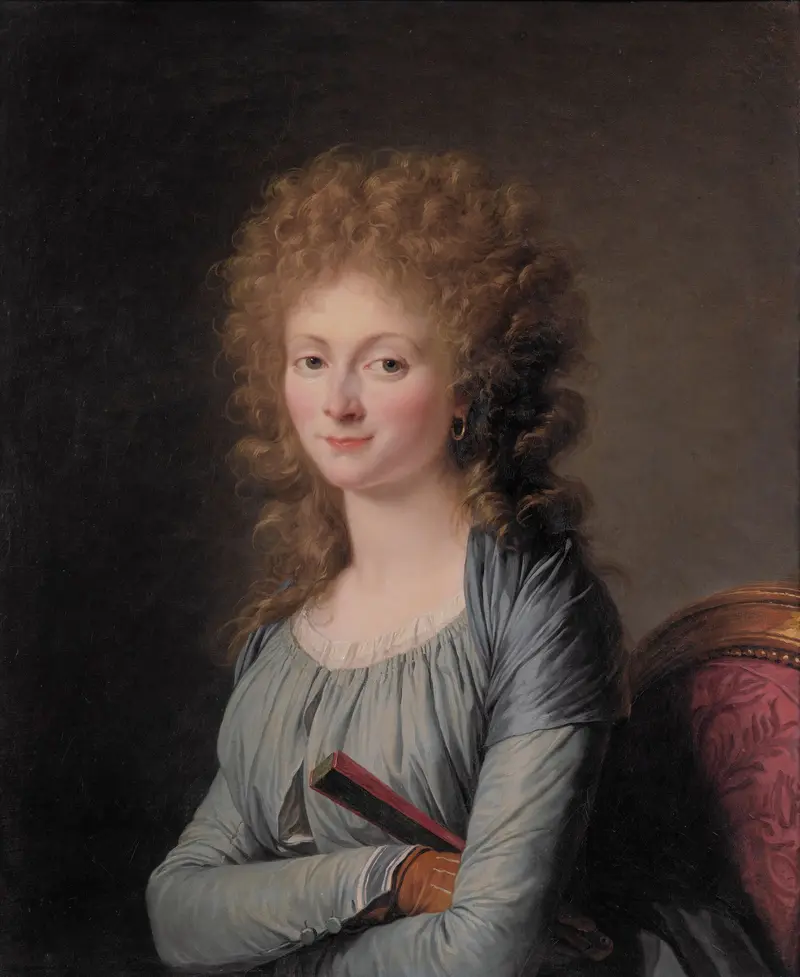
Portrait of Duchesse d'Aiguillon
Adélaïde Labille-Guiard
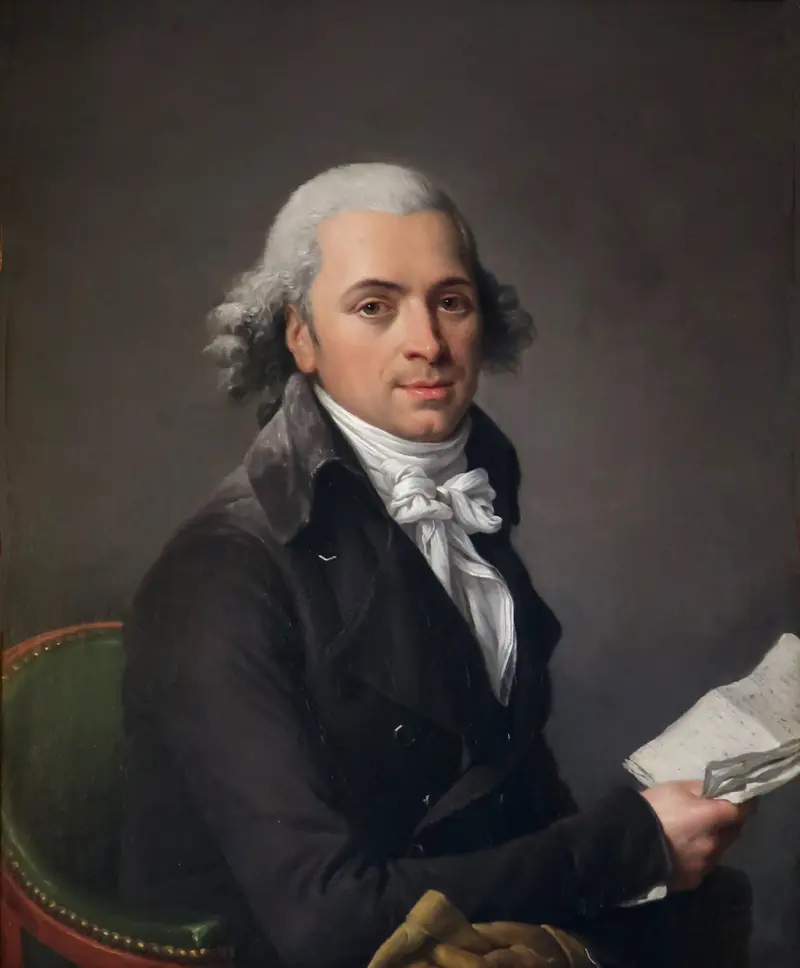
Monsieur Meunier
Adélaïde Labille-Guiard
Portrait of a Man
Adélaïde Labille-Guiard





