
Town hall at Louvain — History & Facts
Could a single brushstroke hold eternity? In the delicate strokes of this artwork, we find a glimpse into the unfolding of destinies, where architecture and humanity intertwine. Look to the center, where the town hall stands proudly, bathed in a warm glow that captures the essence of a lively community. The intricate details of the façade draw the eye, revealing ornate carvings and vibrant hues that evoke both celebration and permanence. Notice how the play of light and shadow enhances the building's grandeur, suggesting the weight of history it bears while inviting the viewer to imagine the lives woven within its walls. As you explore the scene, consider the bustling activity depicted in the foreground.
Figures in conversation, engaged in various tasks, stand as silent witnesses to the passage of time. The contrast between the static structure and the dynamic human presence encapsulates a tension between the enduring and the ephemeral—while the town hall remains a steadfast monument, the people and their stories are ever-shifting, each moment fleeting yet impactful. François Stroobant created this work between 1852 and 1878, a period marked by rapid industrialization and social change in Belgium. The artist, inspired by his surroundings in Louvain, sought to capture not only the architectural beauty of the town hall but also its role as a hub of civic life.
At this time, Stroobant was gaining recognition for his ability to blend realism with a rich emotional narrative, firmly establishing his place in the landscape of 19th-century Belgian art.
More Artworks by François Stroobant
Browse all →
Interior of the church of Notre Dame du Sablon at Brussels
François Stroobant
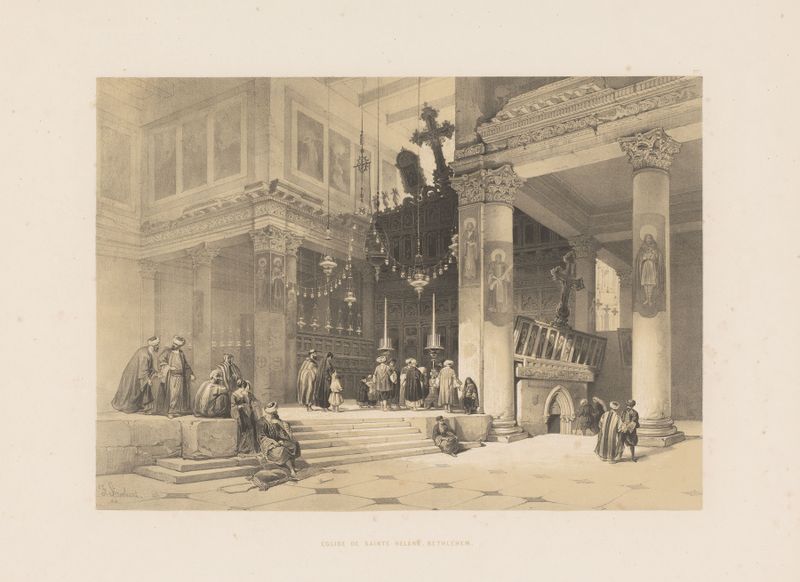
Église de sainte Hélène. Bethléhem
François Stroobant
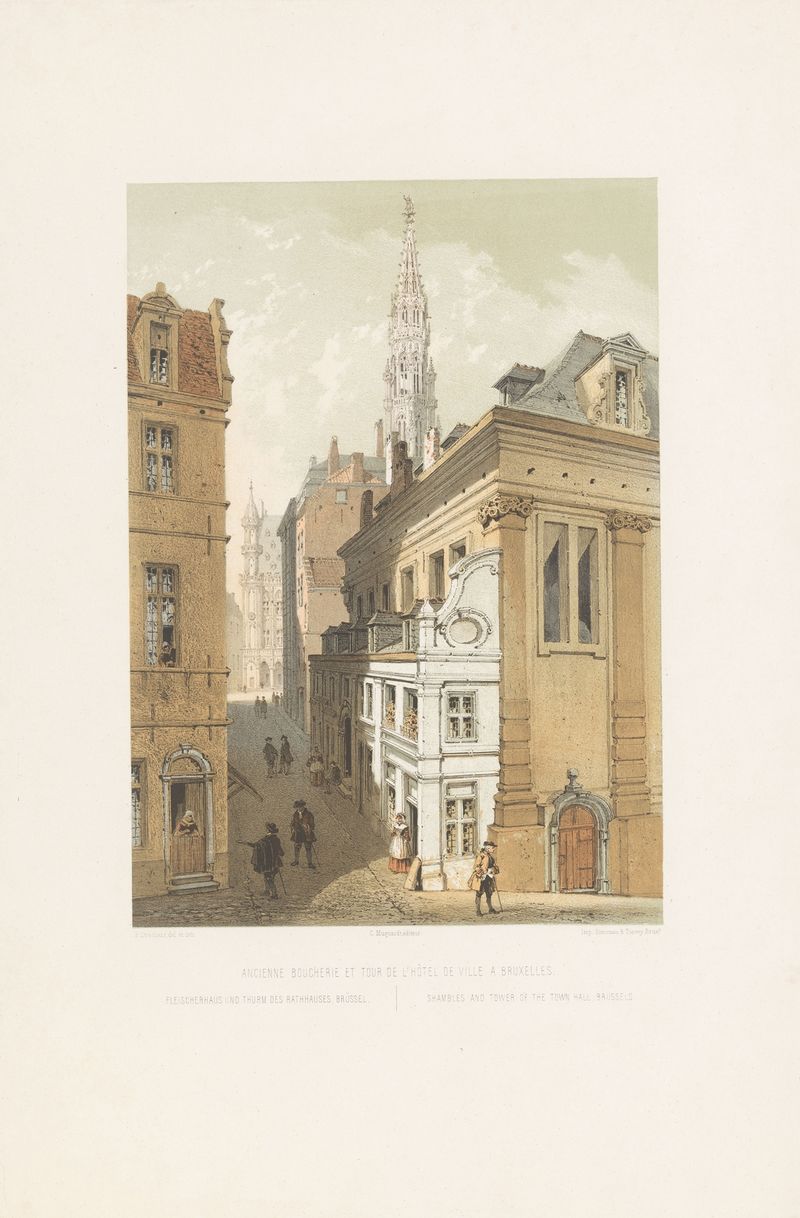
Shambles and tower of the town hall, Brussels
François Stroobant

Intérieur de l’église Grecque du Saint-Sépulcre
François Stroobant
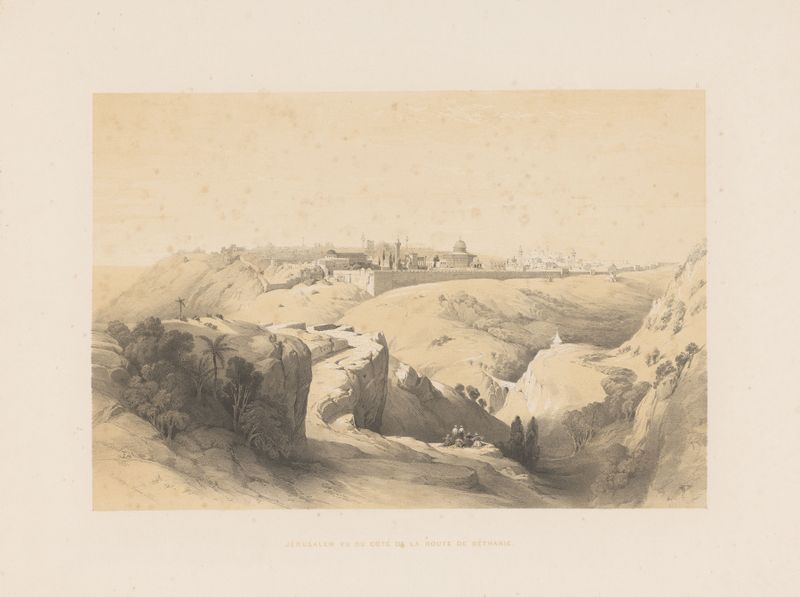
Jérusalem vu du coté de la route de Béthanie
François Stroobant

Le tabernacle du Saint-Sépulcre
François Stroobant

Town hall Brussels
François Stroobant

Fontaine de Jacob à Sichem
François Stroobant
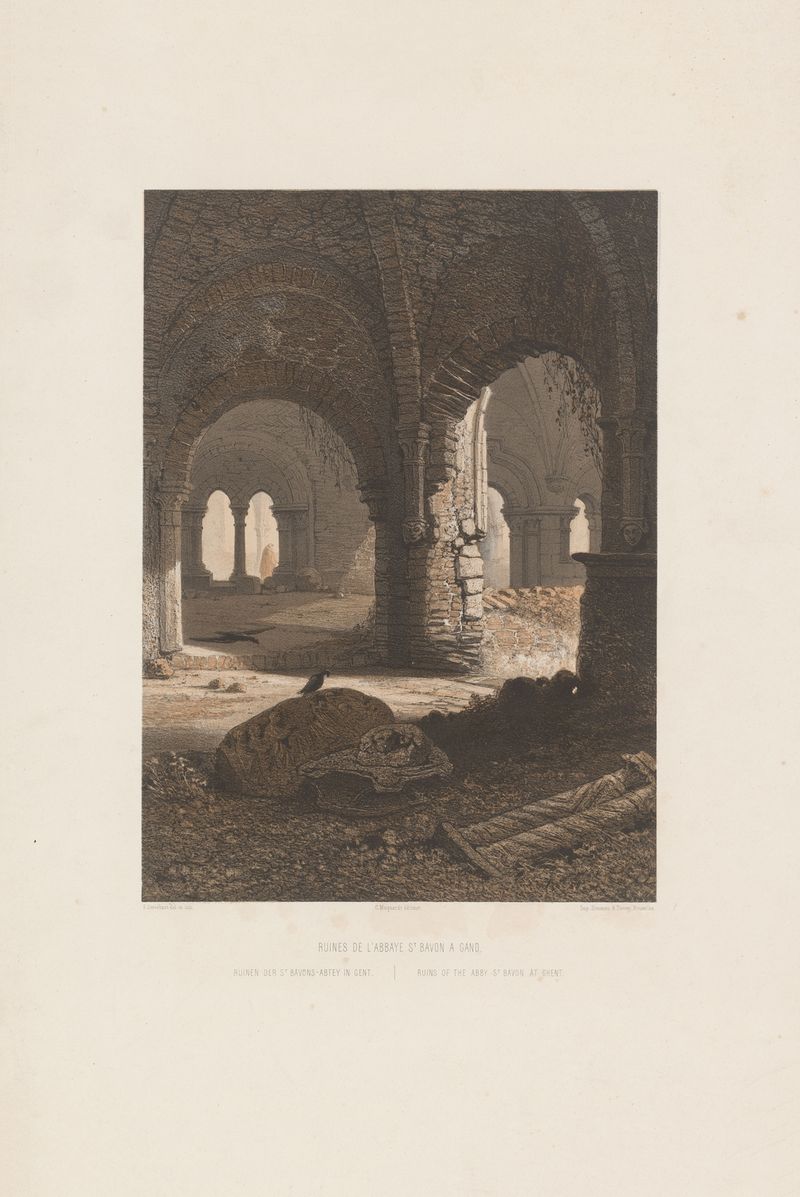
Ruins of the abby St Bavon at Ghent
François Stroobant

Vue de Naplouse
François Stroobant
More Architecture Art
Browse all →
The statue of Liberty
Frédéric Auguste Bartholdi

View of Houses in Delft, Known as ‘The Little Street’
Johannes Vermeer

View of Houses in Delft, Known as ‘The Little Street’
Johannes Vermeer

The Cathedral in Rouen. The portal, Grey Weather
Claude Monet

The yellow house
Vincent van Gogh

The Church in Auvers-sur-Oise, View from the Chevet
Vincent van Gogh