
Towpath — History & Facts
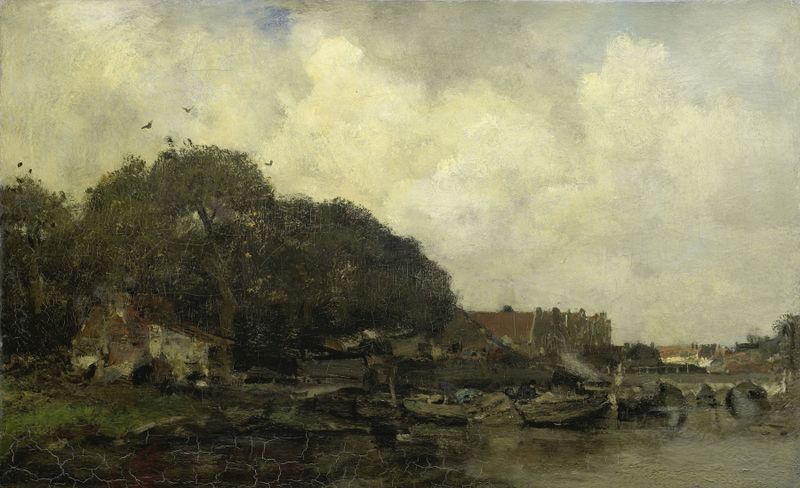
In the hushed stillness of a moment captured, madness lurks just beneath the surface, tethered to the mundane yet forever out of reach. It whispers of chaos hiding within the serene landscape, waiting for the unsuspecting viewer to uncover its depths. Look to the left at the winding towpath, where a solitary figure meanders along the water's edge, enveloped by swirling strokes of blue and green. The brushwork reveals an impressionistic style that creates a sense of movement, as if the world around him pulses with energy.
Observe how the dappled light dances across the rippling surface of the water, casting reflections that shimmer like fleeting thoughts. This interplay of light and shadow invites us to explore the hidden corners of the canvas, where both beauty and madness intertwine. Beneath the placid façade of nature lies an undercurrent of emotional tension. The solitary figure, seemingly lost in his thoughts, symbolizes isolation amidst tranquility—an embodiment of the artist's own internal struggles.
The chaotic brushstrokes peeking through the calm scenery suggest a tumultuous mind at odds with the tranquil environment. Each stroke serves as a reminder that beneath the serene surface of existence, madness may dwell, waiting to be acknowledged. Jacob Maris painted Towpath around 1896 while living in the Netherlands amidst a burgeoning art scene that was increasingly drawn to impressionism. The late 19th century was a period of transformation, marked by the exploration of light and color.
Maris, grappling with his own personal challenges, sought to capture both the beauty of the landscape and the complexities of his own psyche, reflecting a world transitioning between the known and the chaotic.
More Artworks by Jacob Maris
Browse all →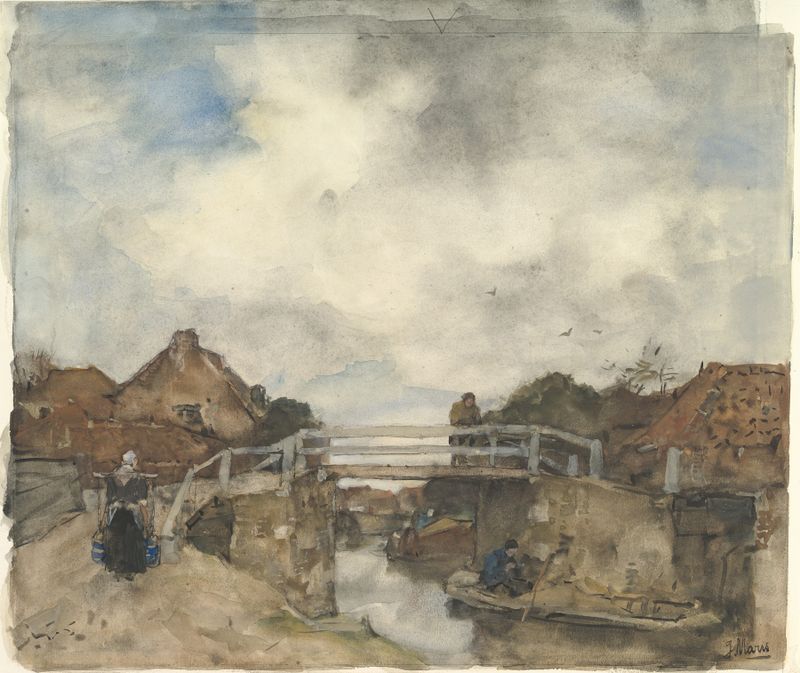
Dutch Canal, Rijswijk
Jacob Maris
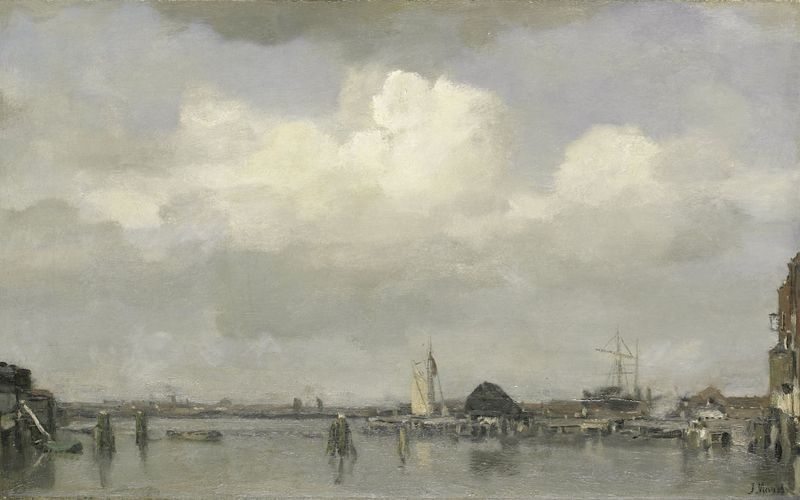
Havengezicht
Jacob Maris
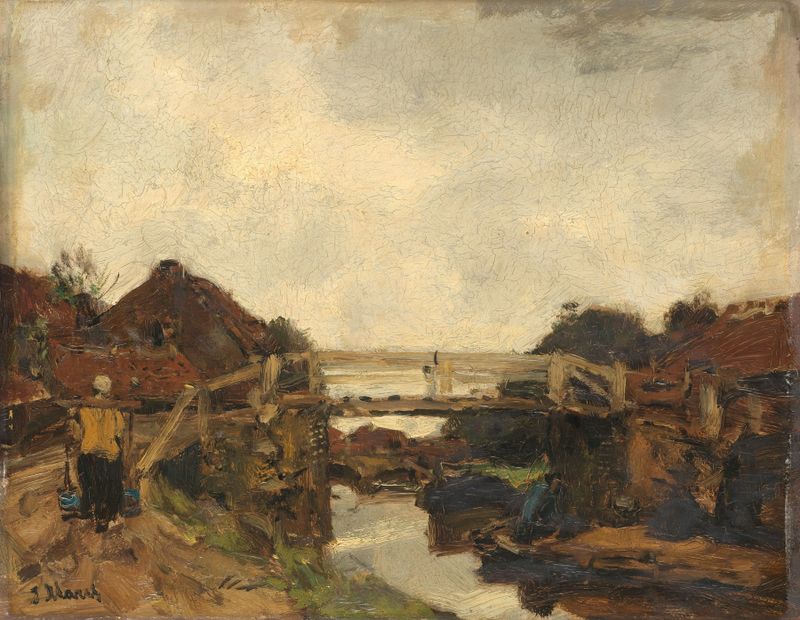
Wooden Bridge across a Canal at Rijswijk
Jacob Maris
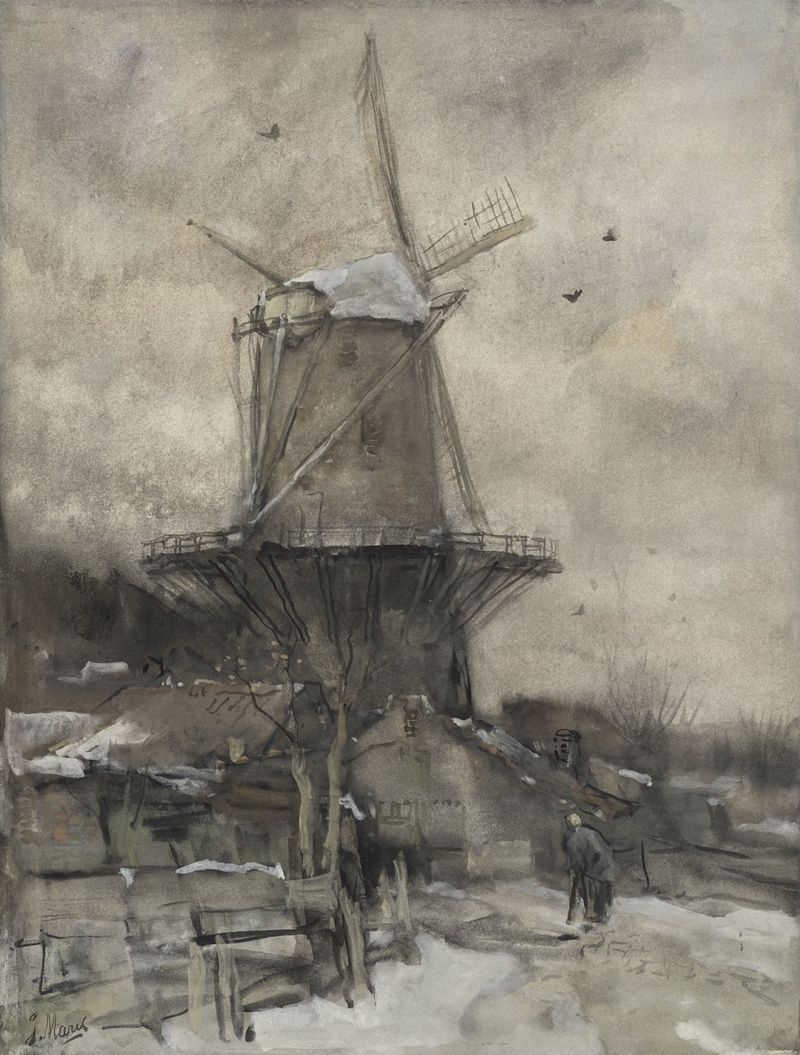
Een molen in de winter
Jacob Maris
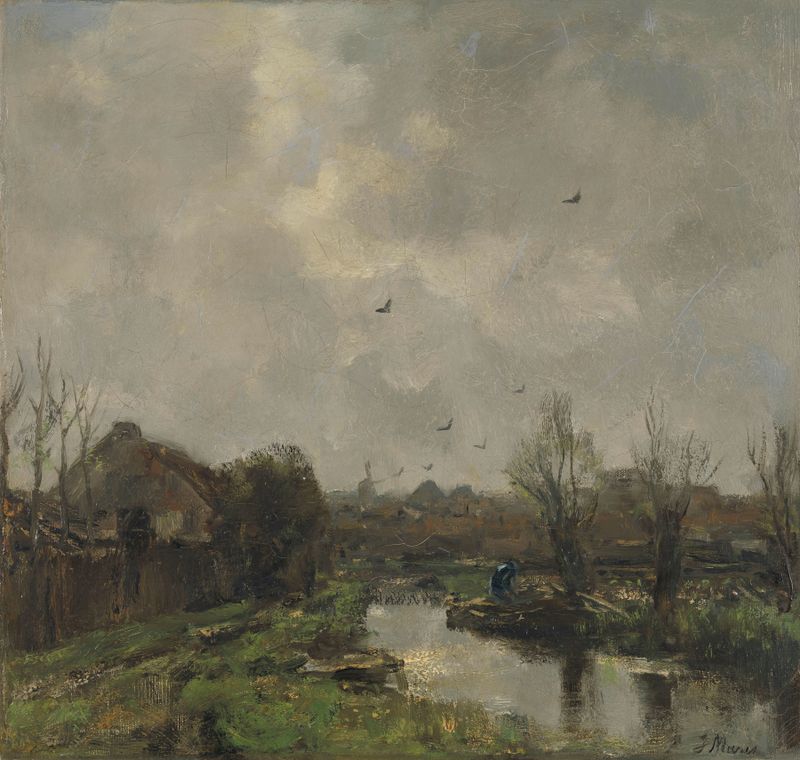
Landschap in de omgeving van Den Haag
Jacob Maris
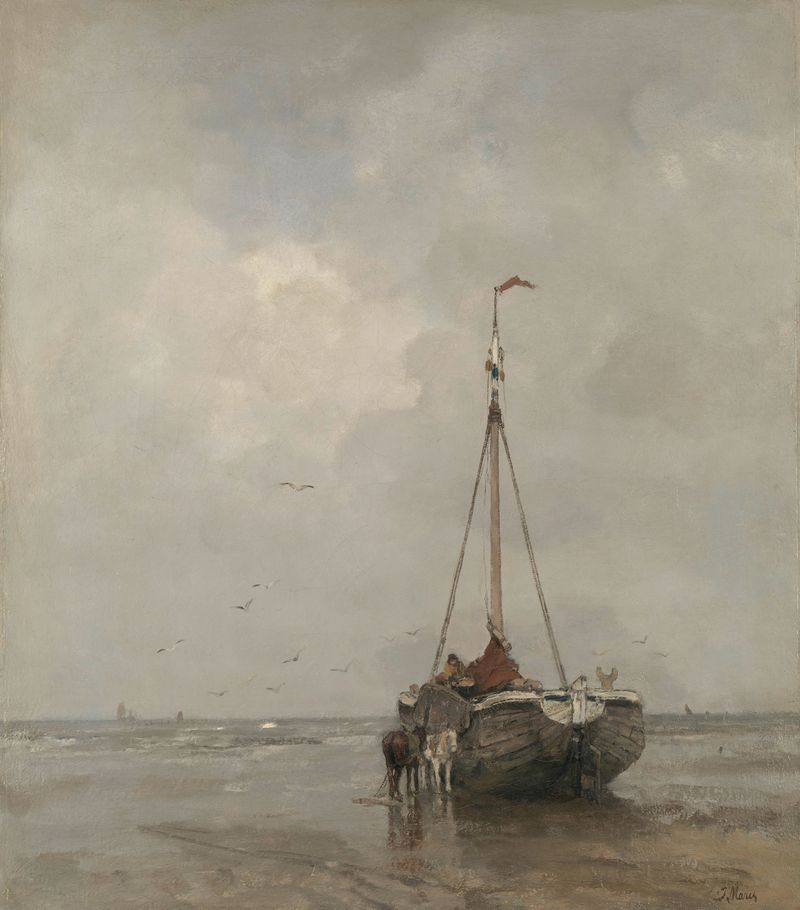
Bluff-bowed Fishing Boat on the Beach at Scheveningen
Jacob Maris
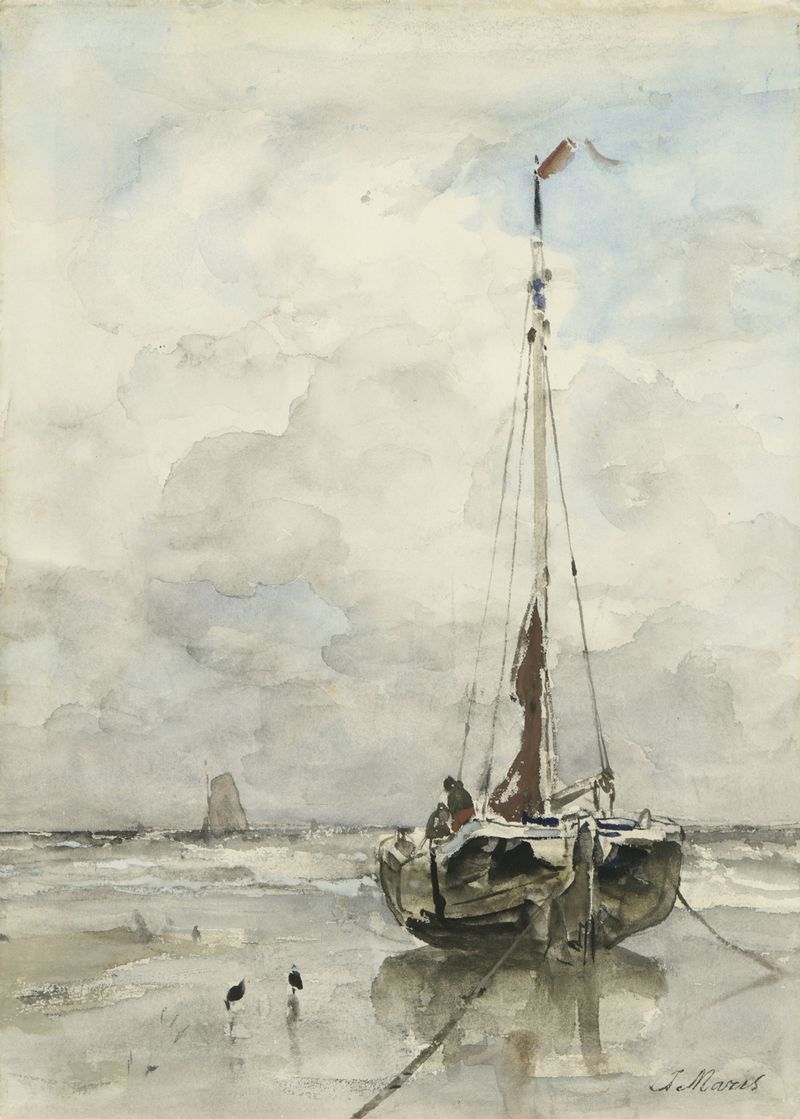
Visserspink aan het strand
Jacob Maris
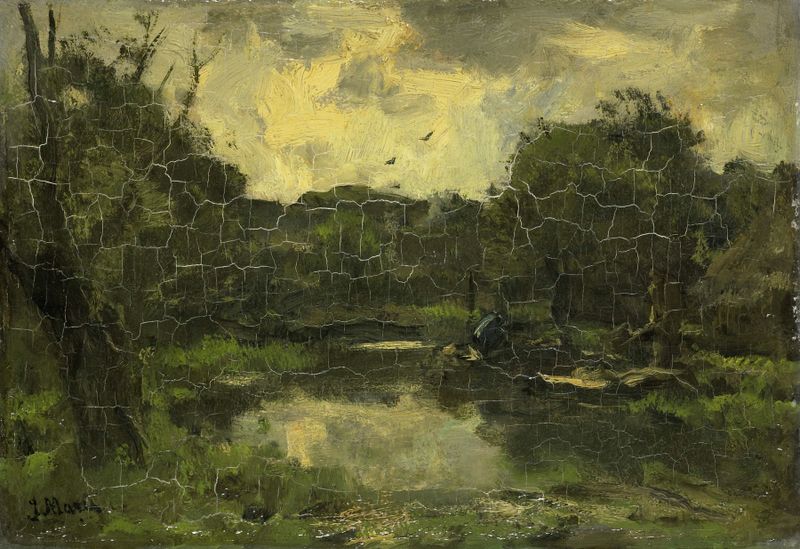
Landschap met schuit
Jacob Maris
Havengezicht
Jacob Maris
Schepen in de haven van Dordrecht
Jacob Maris





