
Traghetto, No. 2 — History & Facts
Who listens when art speaks of silence? The stillness captured within Traghetto, No. 2 echoes a profound melancholy that lingers long after the viewer departs. Look to the soft, muted hues that blend seamlessly across the canvas, where shades of gray and blue envelop the scene. Notice how the delicate strokes suggest a fleeting moment, as a lone gondola glides silently through the mist-cloaked waters.
The careful composition leads the eye along the diagonal line of the boat, drawing attention to the solitary figure, whose posture conveys both purpose and introspection amidst the enveloping silence. Within this tranquil landscape lies a tension between solitude and connection. The water, calm yet reflective, hints at unspoken emotions and lost narratives, while the ethereal quality of the fog invites contemplation. The absence of bright colors or bustling figures amplifies the sense of isolation, allowing the viewer to immerse themselves in the poignant stillness.
Each brushstroke seems to whisper a story of longing, evoking a bittersweet atmosphere where the mundane meets the extraordinary. In 1880, Whistler created Traghetto, No. 2 during a period of personal reflection while residing in Venice. The city’s waterways and moody ambiance deeply influenced his work, as he sought to capture the essence of place and emotion.
At this time, he was already well-known for his innovative use of color and tonal harmony, pushing the boundaries of traditional painting as he embraced a more subjective interpretation of reality.
More Artworks by James Abbott McNeill Whistler
Browse all →
Nocturne in Blue and Silver
James Abbott McNeill Whistler
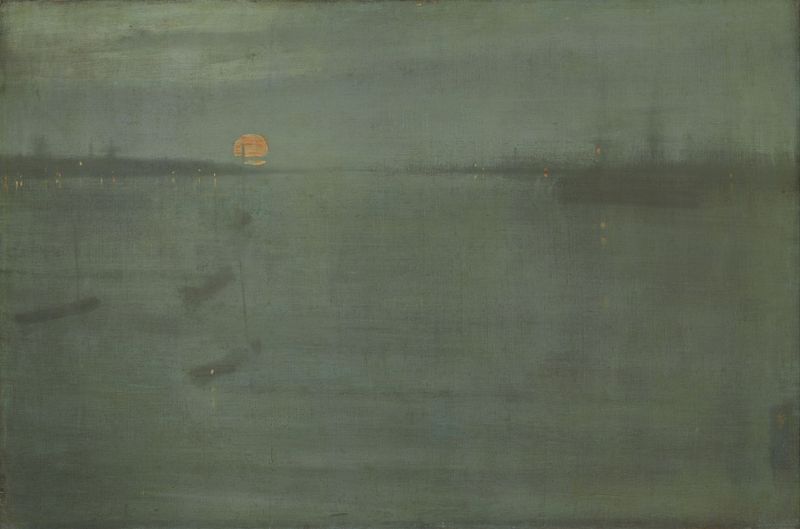
Nocturne: Blue and Gold–Southampton Water
James Abbott McNeill Whistler
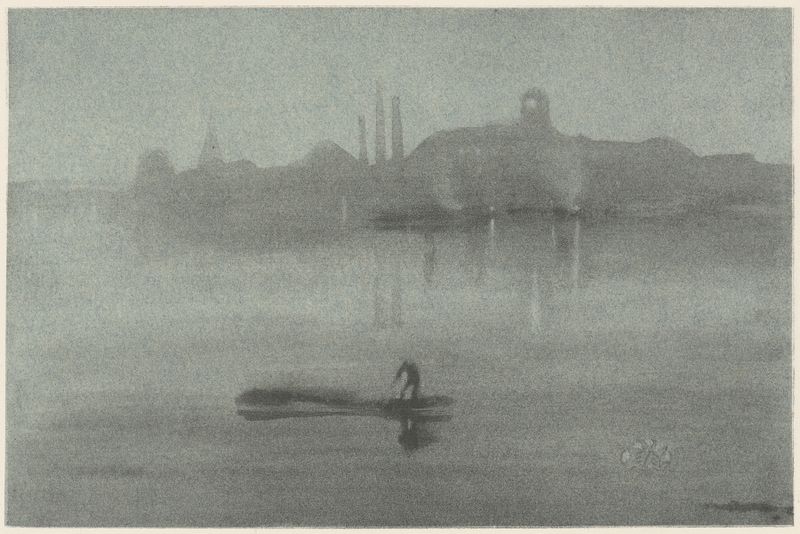
Nocturne
James Abbott McNeill Whistler
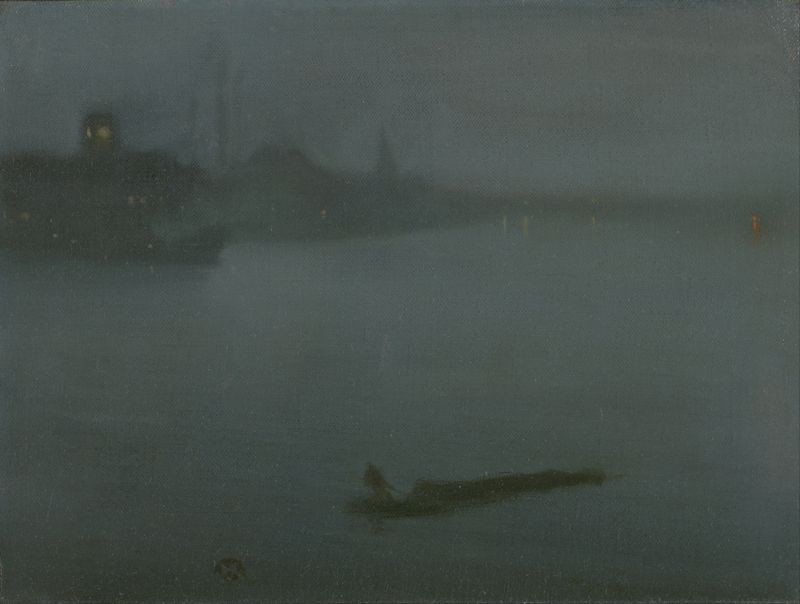
Nocturne in Blue and Silver
James Abbott McNeill Whistler
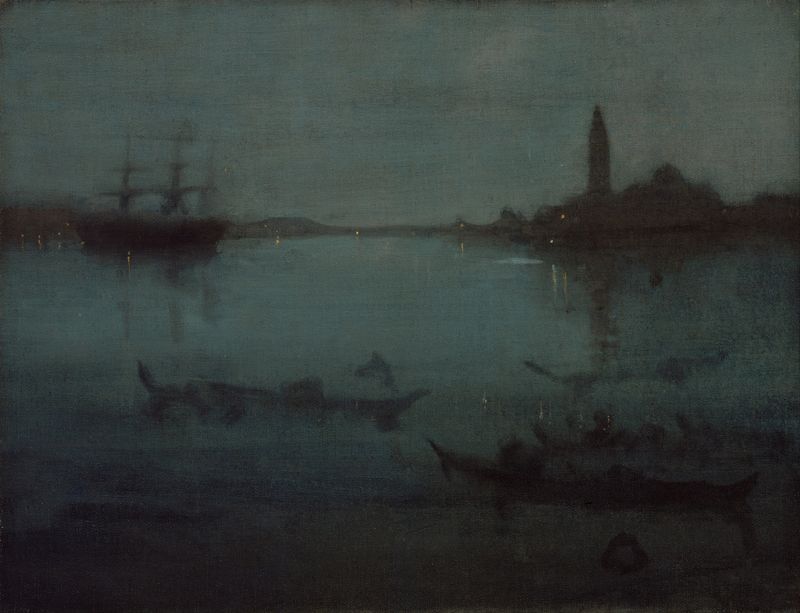
Nocturne in Blue and Silver- The Lagoon, Venice
James Abbott McNeill Whistler
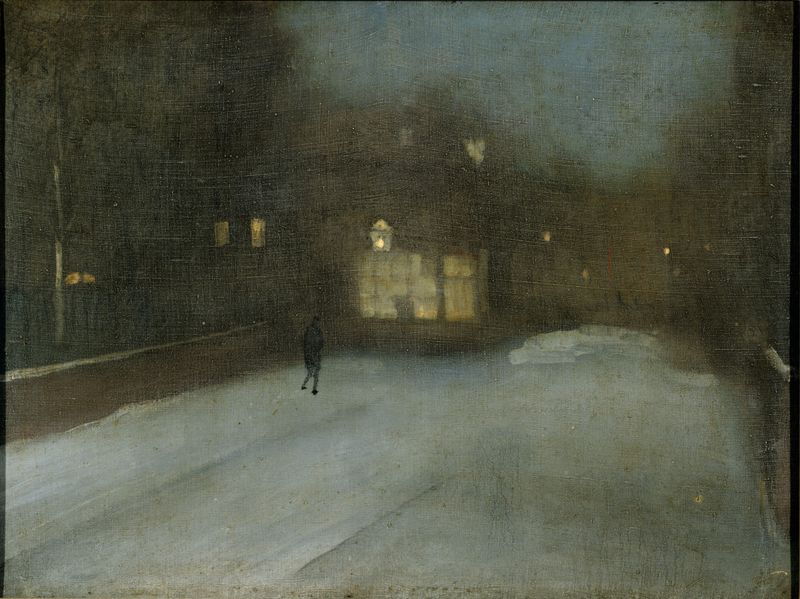
Nocturne in Grey and Gold: Chelsea Snow
James Abbott McNeill Whistler
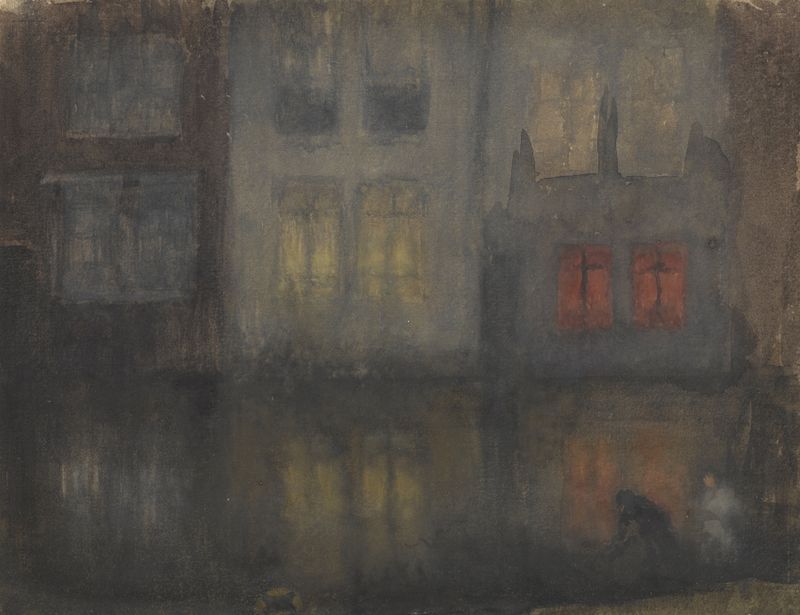
Nocturne: Black and Red—Back Canal, Holland
James Abbott McNeill Whistler
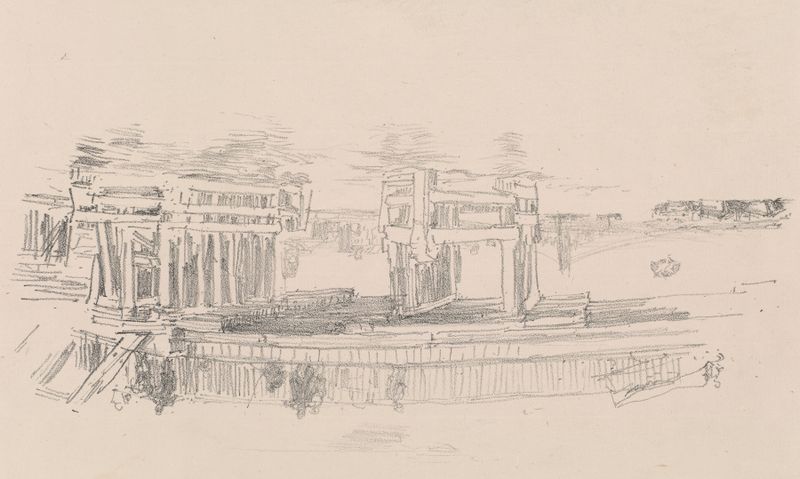
Old Battersea Bridge
James Abbott McNeill Whistler

Nocturne: Blue and Silver–Battersea Reach
James Abbott McNeill Whistler
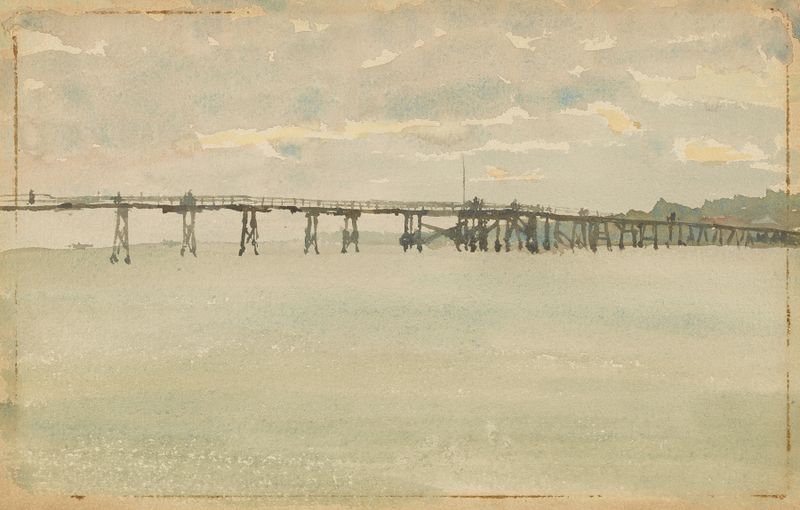
Grey and Silver–Pier, Southend
James Abbott McNeill Whistler




