Tréboul — History & Facts
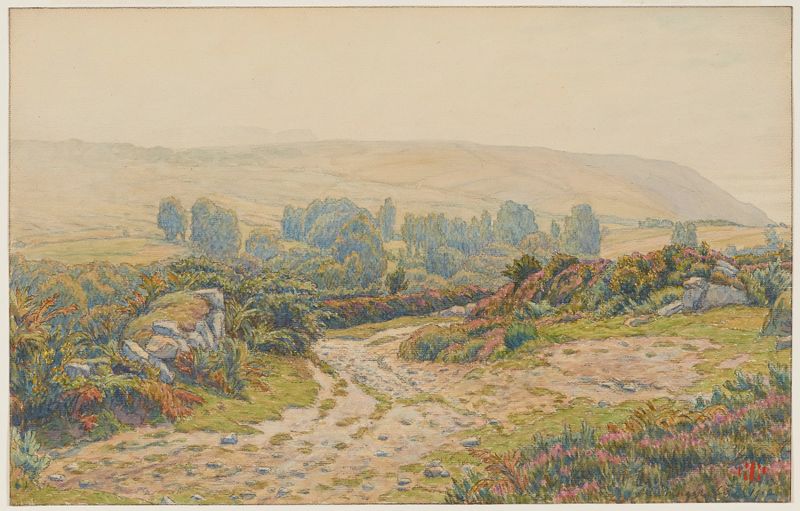
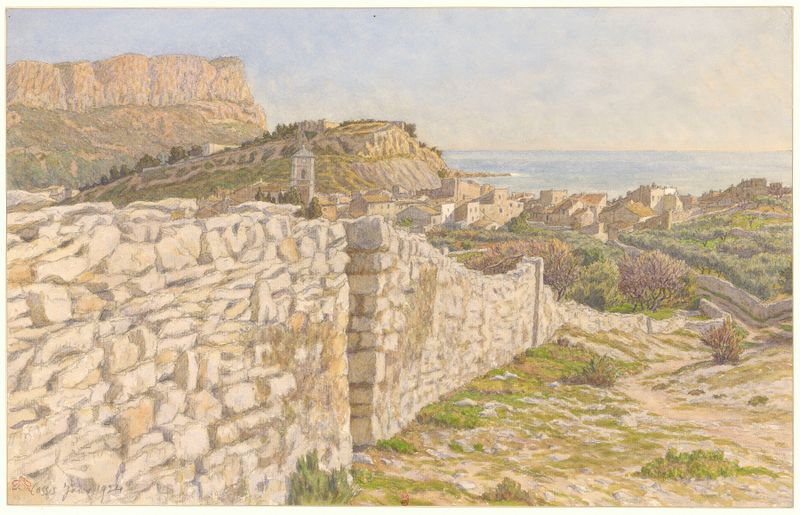
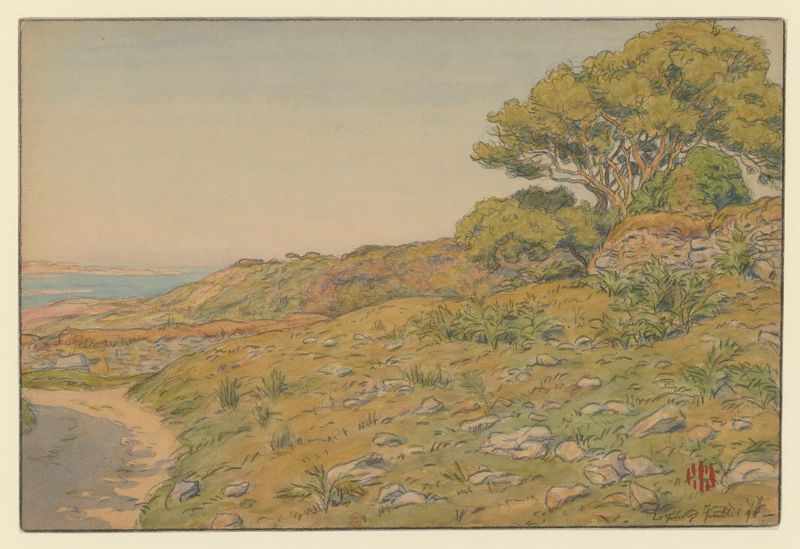
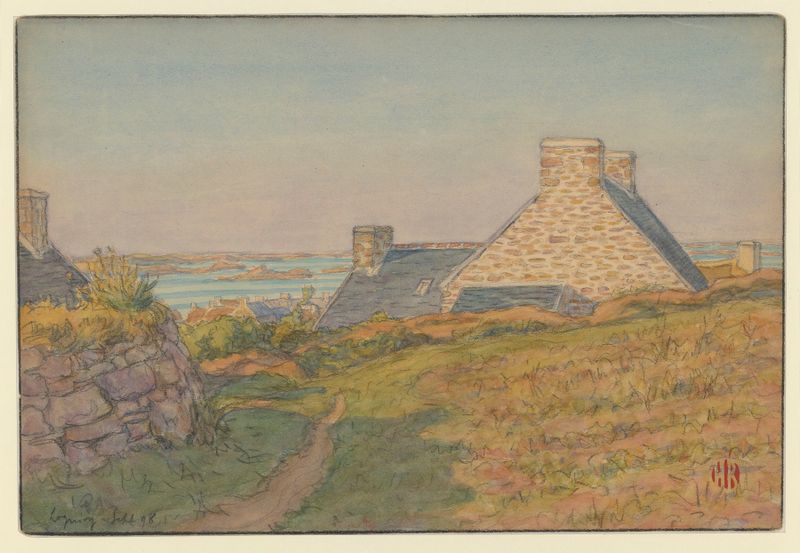
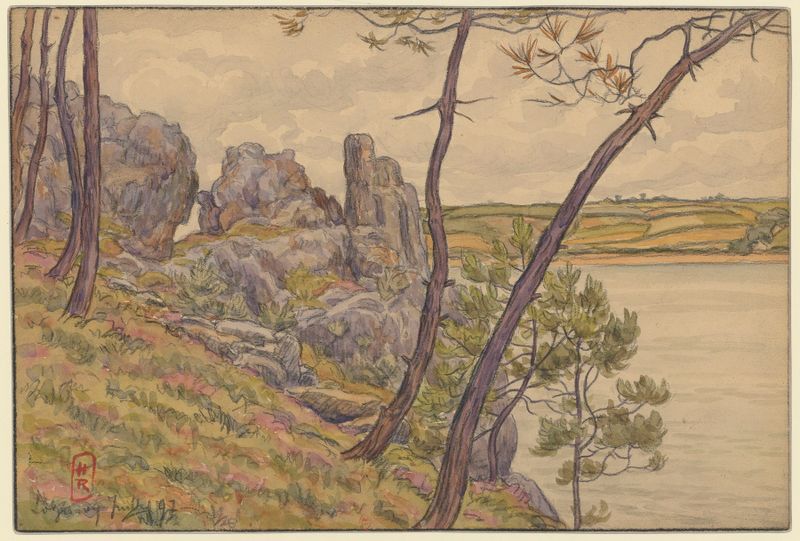
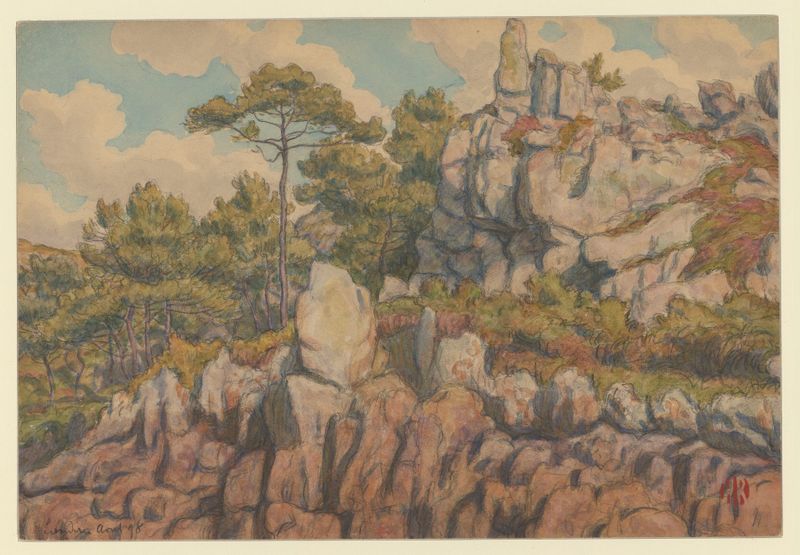
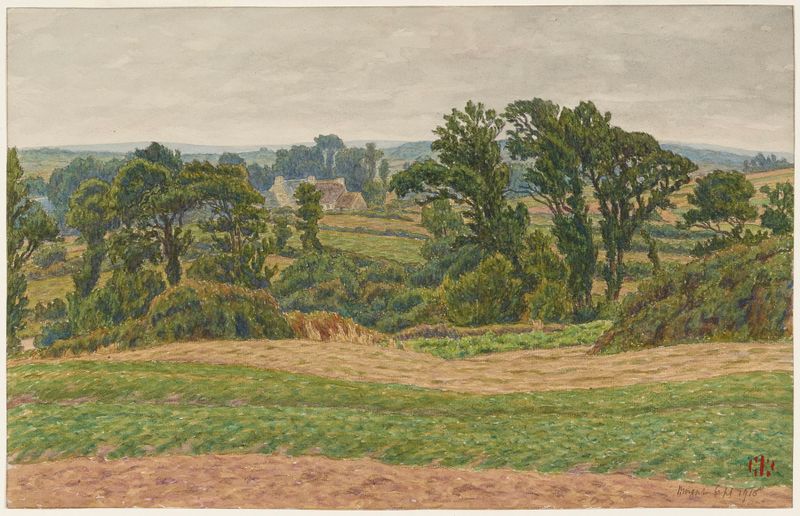
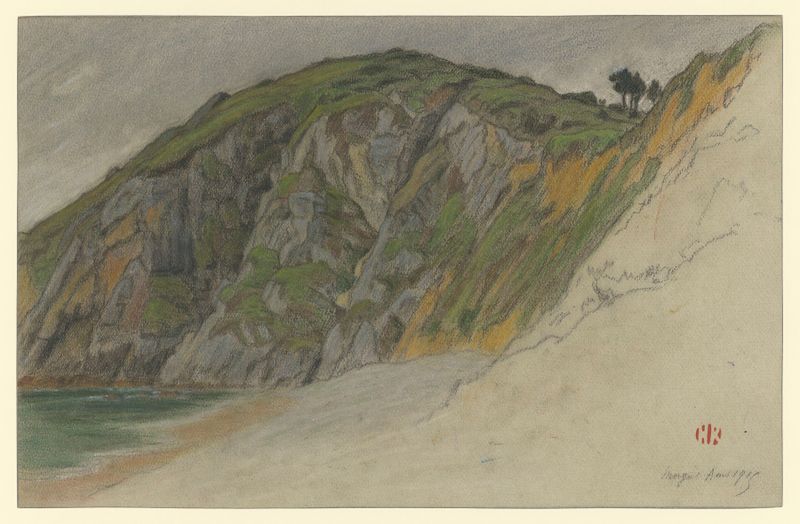
Can paint confess what words never could? In Tréboul, chaos finds its voice through the tumultuous strokes of color and form, whispering secrets of the sea and the shore. Look to the center of the canvas where swirling strokes of blue and green converge, capturing the tumult of waves crashing against rocky outcrops. Notice how the light dances on the water, creating a dynamic play of reflections that draws you in. The composition balances chaos and calm, with the vibrant tones clashing against the quieter hues of the land, inviting the viewer to explore the tension that inhabits this coastal scene. As you delve deeper, consider the jagged forms of the rocks that seem to reach out, challenging the fluidity of the sea.
The blending of colors not only conveys movement but also evokes an emotional undercurrent — a struggle between nature's ferocity and the tranquil beauty of the moment. Hidden within the chaos, there lies a profound sense of awe and respect for the power of the natural world, reminding us that peace often arises from turmoil. In 1912, during a period marked by both personal upheaval and the shifting tides of modern art, the painter found refuge in the landscape of Tréboul. At this time, Rivière was exploring post-impressionist techniques, striving to express emotion through color rather than form.
The tumult of his surroundings and the innovations within the art community shaped his approach, resulting in a work that resonates with the echoes of nature's chaos.