
Tree trunk — History & Facts
In the stillness of Tree trunk, legacy is etched in the rings of time, urging us to ponder its silent witness. The painting invites a contemplation of both nature and humanity's fleeting footprints on its surface, a reminder of our own ephemeral existence. Look to the center, where the gnarled tree trunk commands attention; each crevice and contour tells a story of resilience. The play of light across its bark reveals a rich palette of earthy browns and greens, suggesting a deep connection to the land.
Notice how the meticulous brushwork captures not just the texture but the very spirit of the tree, drawing you into its embrace. The background fades softly, allowing the trunk to emerge almost as a portrait, a testament to strength amidst the natural world. Delve deeper, and you will discover subtle contrasts woven into the work. The tree’s solidity juxtaposes against the delicate hints of foliage, invoking a sense of fragility in nature’s grandeur.
This stark duality reflects a broader conversation about humanity’s relationship with the environment — a legacy of both beauty and destruction. Each ring of the trunk whispers secrets of seasons past, threading the notion of time itself through the artwork’s core. Frederic Edwin Church created Tree trunk in 1865, a pivotal year when the United States was grappling with the aftermath of the Civil War. As an influential figure in the Hudson River School movement, Church was dedicated to portraying the splendor of the American landscape.
During this period, his focus shifted toward more intimate studies of nature, emphasizing a profound connection to the natural world that resonated with the collective spirit of renewal following a time of deep national division.
More Artworks by Frederic Edwin Church
Browse all →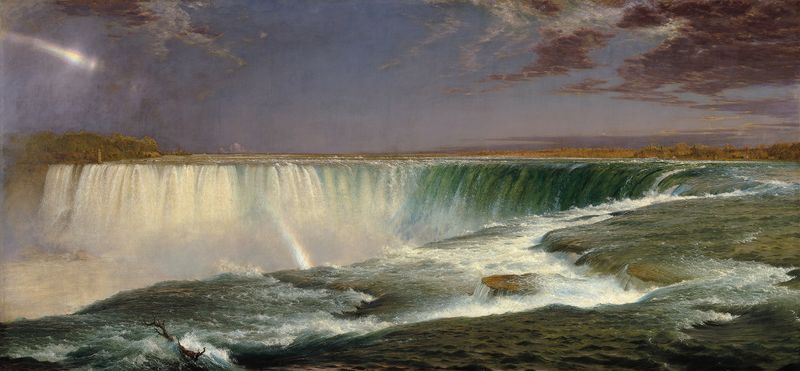
Niagara
Frederic Edwin Church
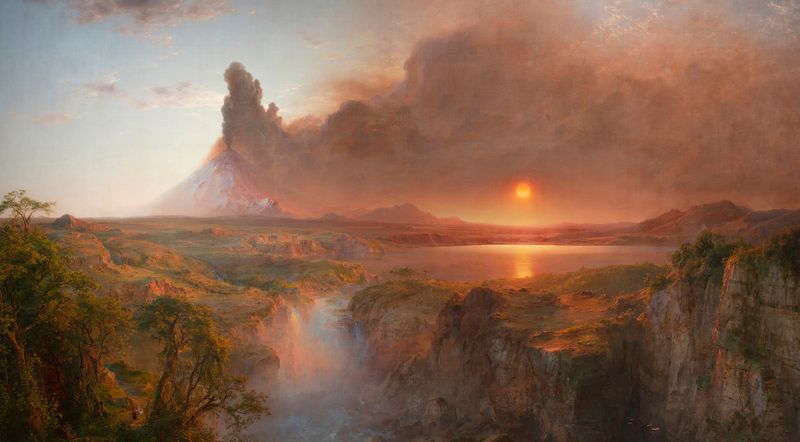
Cotopaxi
Frederic Edwin Church
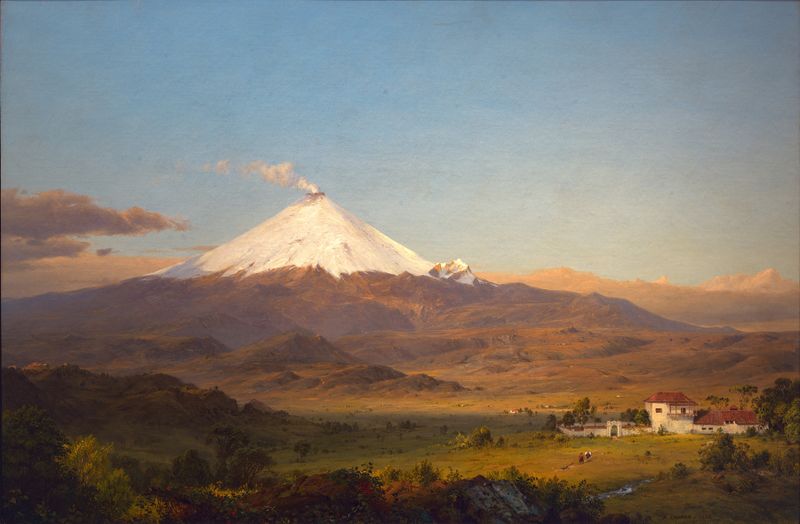
Cotopaxi
Frederic Edwin Church
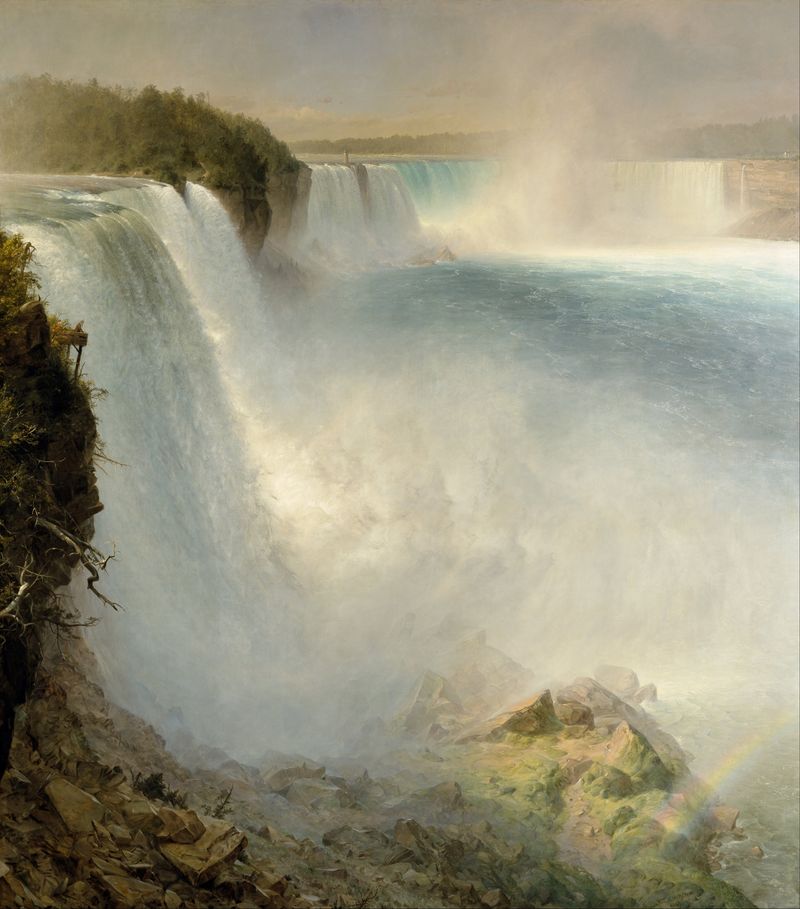
Niagara Falls, from the American Side
Frederic Edwin Church
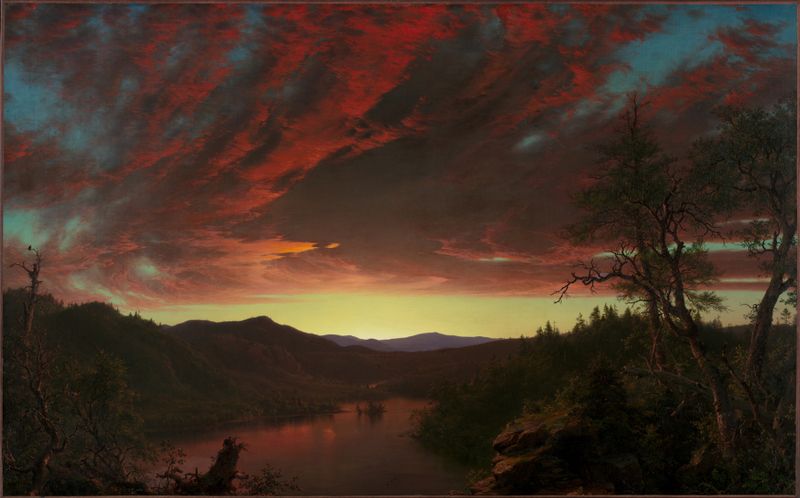
Twilight in the Wilderness
Frederic Edwin Church
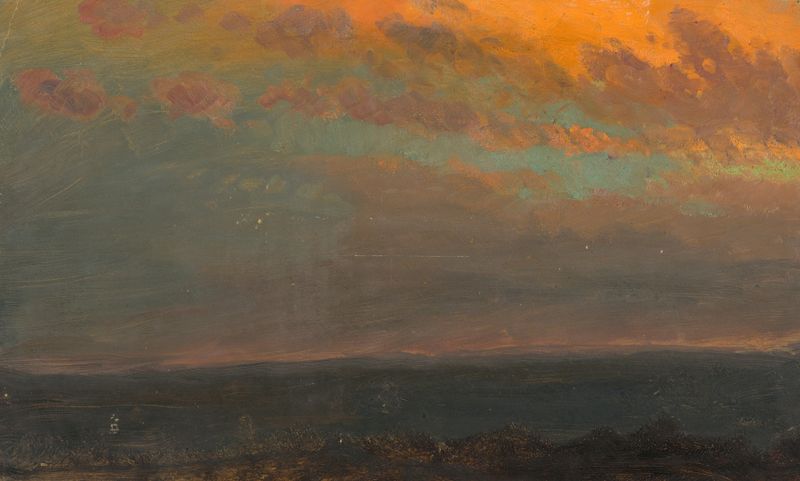
Hudson Valley at Sunset
Frederic Edwin Church
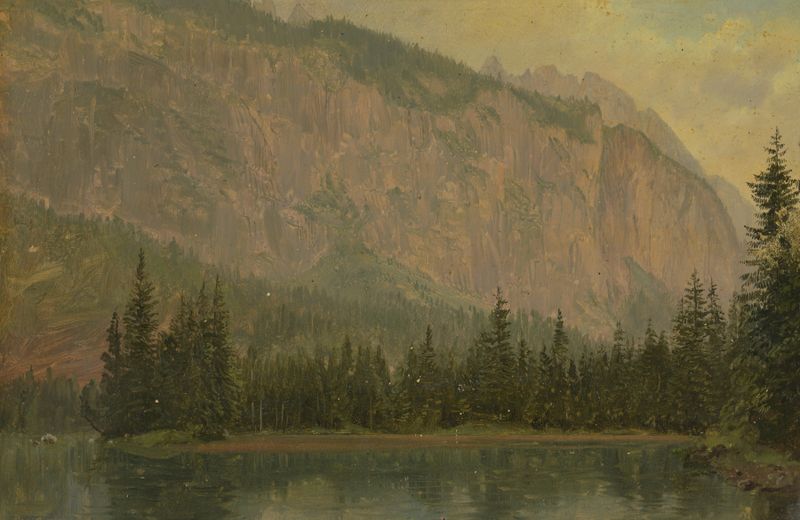
The Hintersee, near Berchtesgaden, Bavaria
Frederic Edwin Church
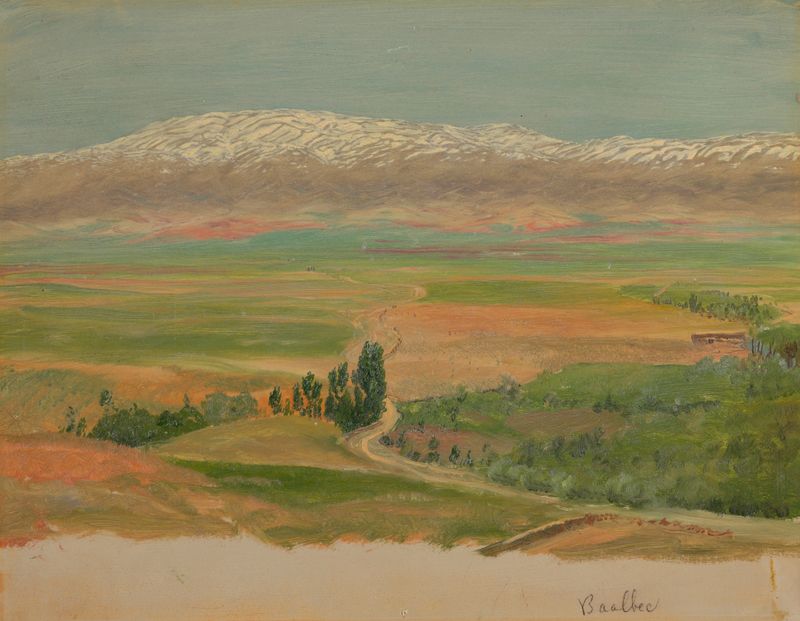
Mountains near Baalbec
Frederic Edwin Church
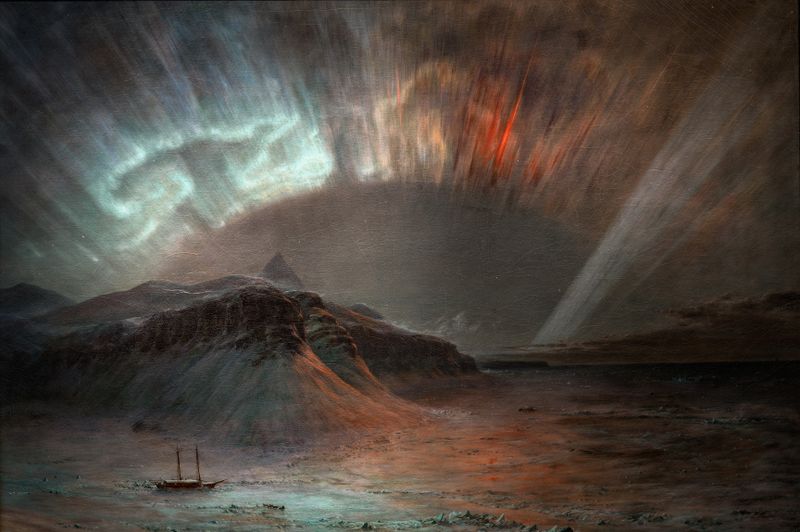
Aurora Borealis
Frederic Edwin Church
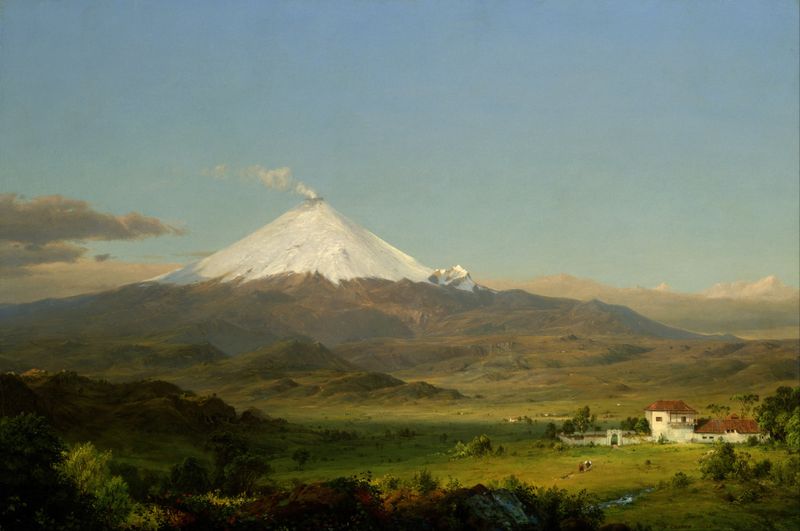
Cotopaxi
Frederic Edwin Church





