
Trees by the River — History & Facts
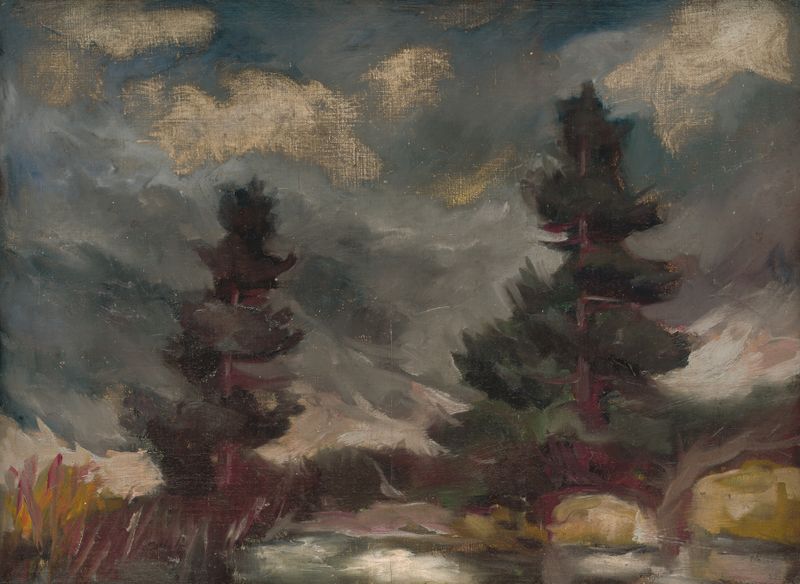
In its stillness, Trees by the River invites us into a quiet revelation, where nature speaks in hushed tones to those who listen. Look to the left at the gentle curve of the river, where the water dances with reflections of lush foliage. The artist employs an earthy palette, with rich greens and browns grounding the scene, while soft blues evoke a serene sky above. The composition is balanced, with towering trees framing the river, creating a natural corridor that draws the eye and heart inward.
Each brushstroke captures the delicate sway of leaves, as if beckoning a breeze that whispers secrets of the moment. Beneath the tranquil surface lies a tension between permanence and transience. The trees stand firm, witnesses to the passage of time, while the flowing water symbolizes change and the fleeting nature of life. There is an emotional interplay between stillness and movement; the trees remain steadfast, yet their reflections ripple, suggesting that even in stability, there is a subtle dance of evolution.
This duality resonates deeply, inviting introspection on our own lives and the moments we cherish. In 1922, Zolo Palugyay painted this piece during a period of experimentation and development in the art world. Based in Hungary, he was immersed in a landscape profoundly influenced by the shifting political and cultural tides of post-World War I Europe. Amidst this backdrop, Trees by the River reflects his desire to capture the essence of nature, offering a sanctuary for the viewer amidst chaos, and revealing his dedication to conveying emotion through a seemingly simple scene.
More Artworks by Zolo Palugyay
Browse all →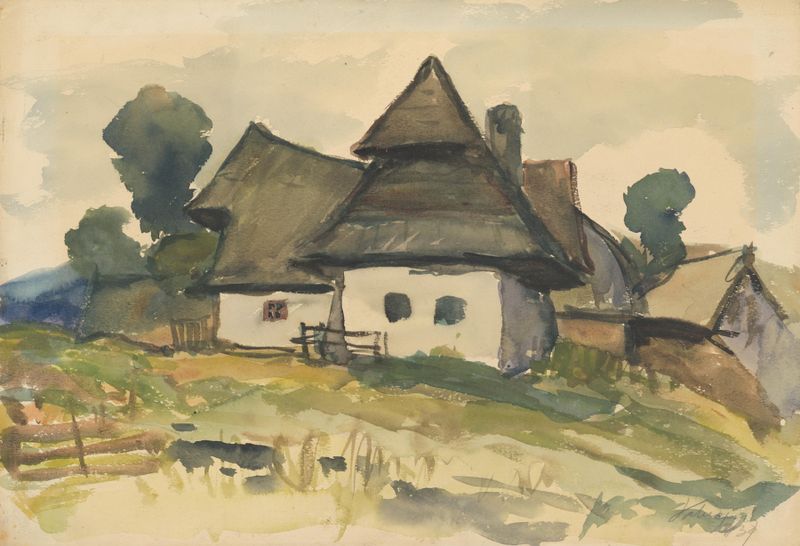
Dedinský motív
Zolo Palugyay
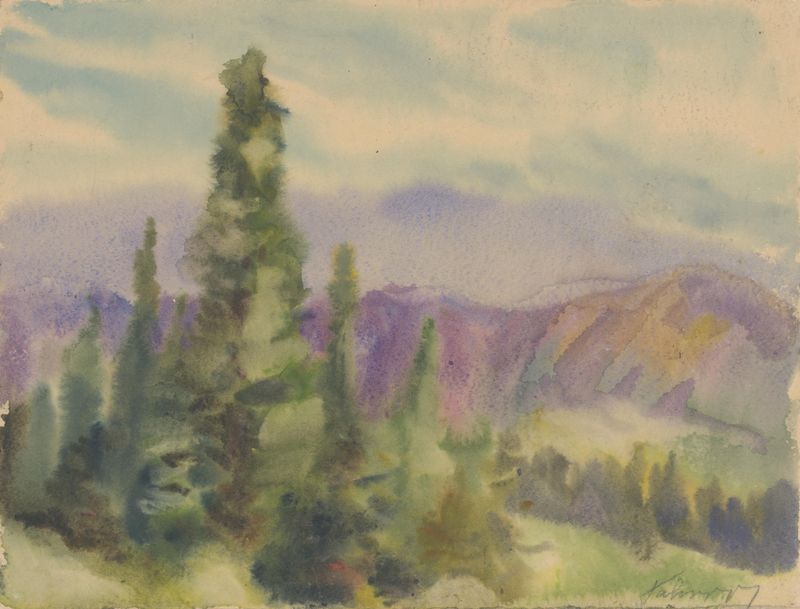
Motif from Liptov Mountains
Zolo Palugyay
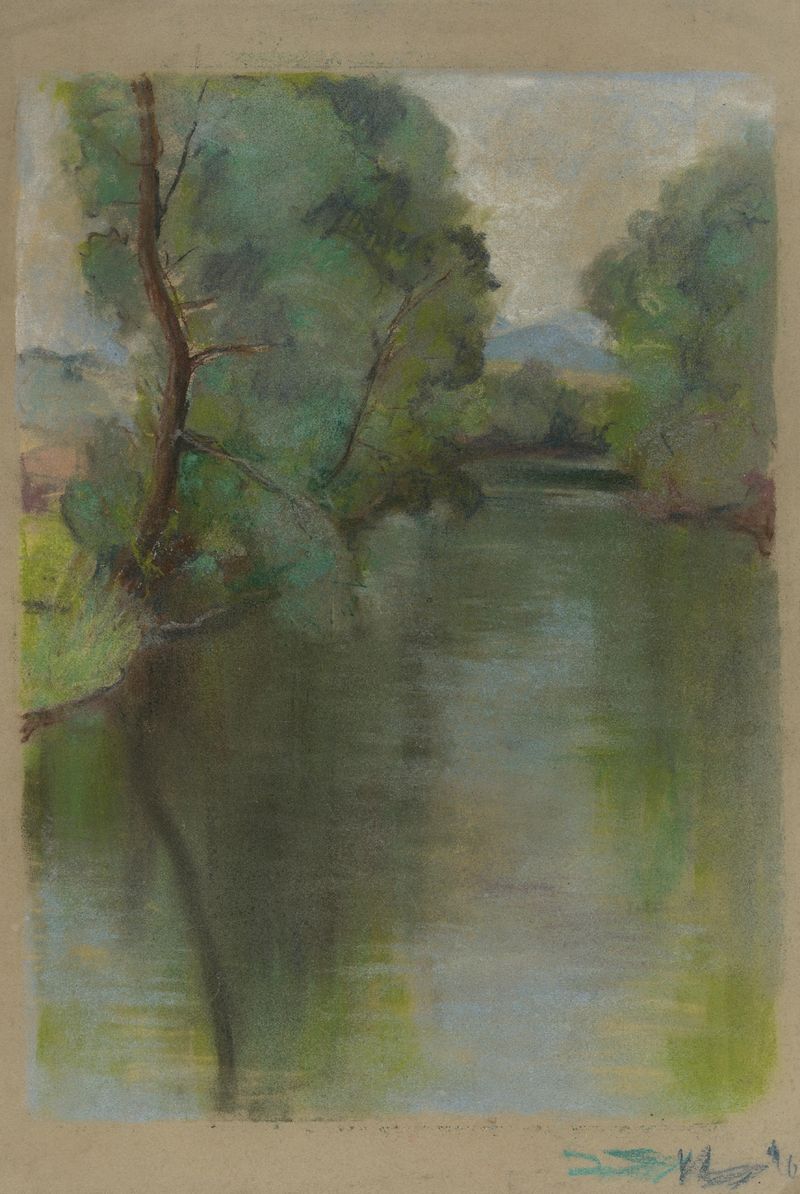
Silent River
Zolo Palugyay
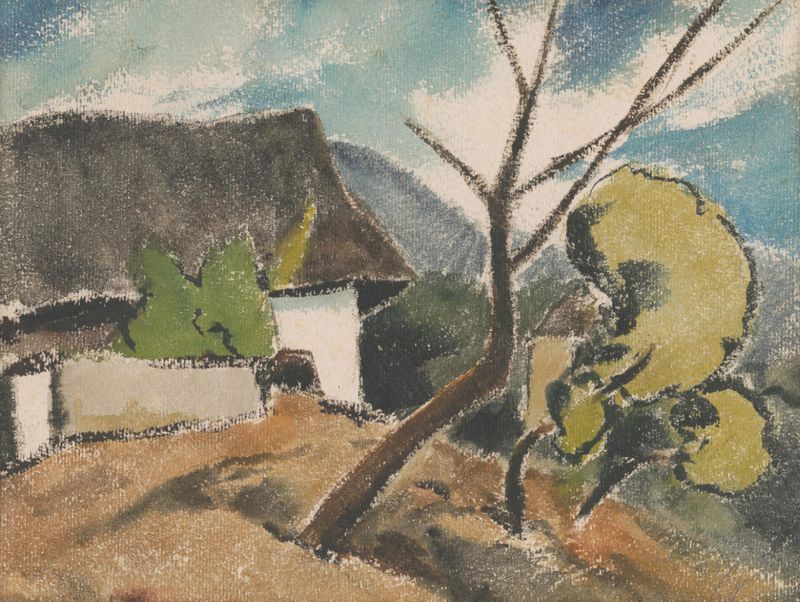
Oravská chalupa
Zolo Palugyay
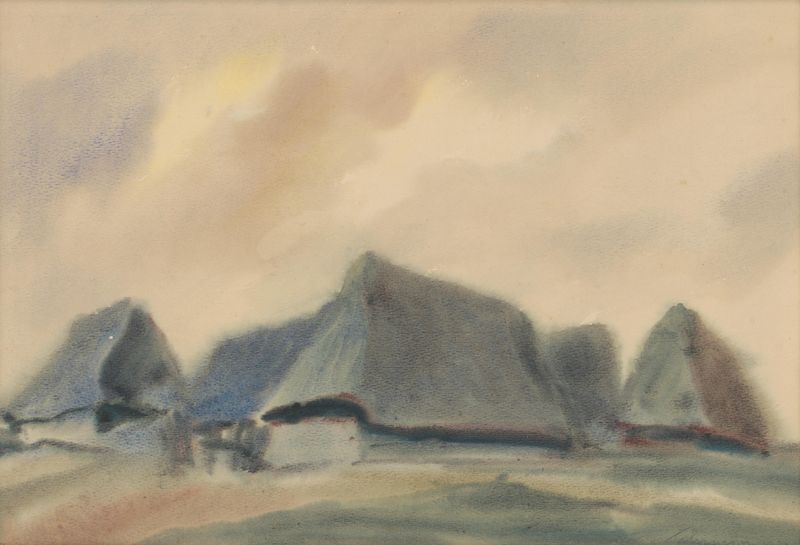
Modré chalupy
Zolo Palugyay
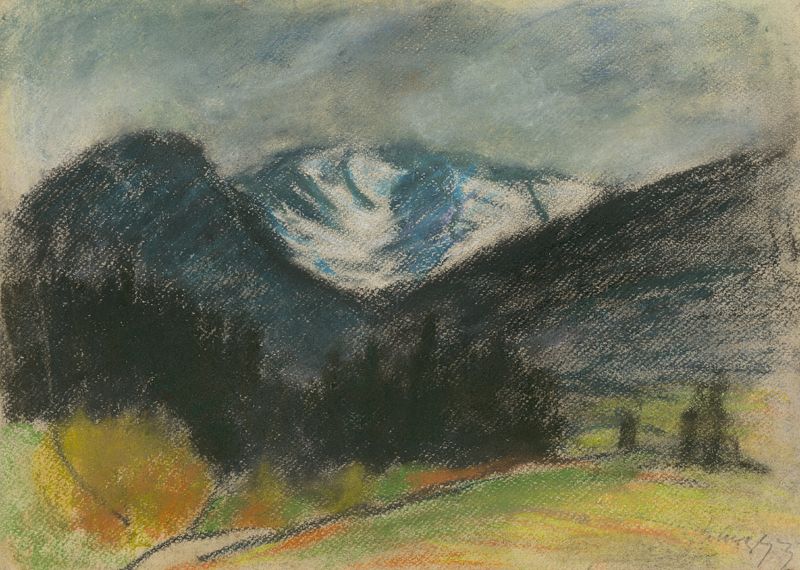
Mountain Landscape with Snowy Peaks
Zolo Palugyay
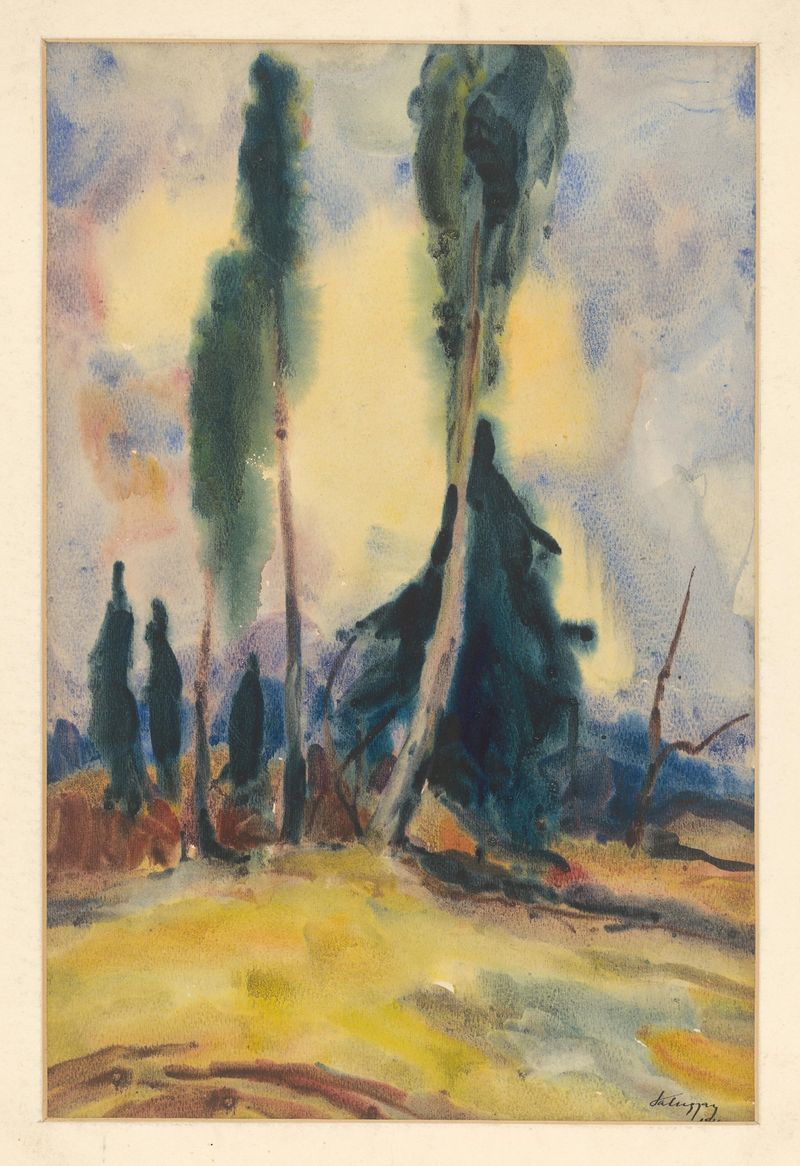
Three Trees on a Plain
Zolo Palugyay
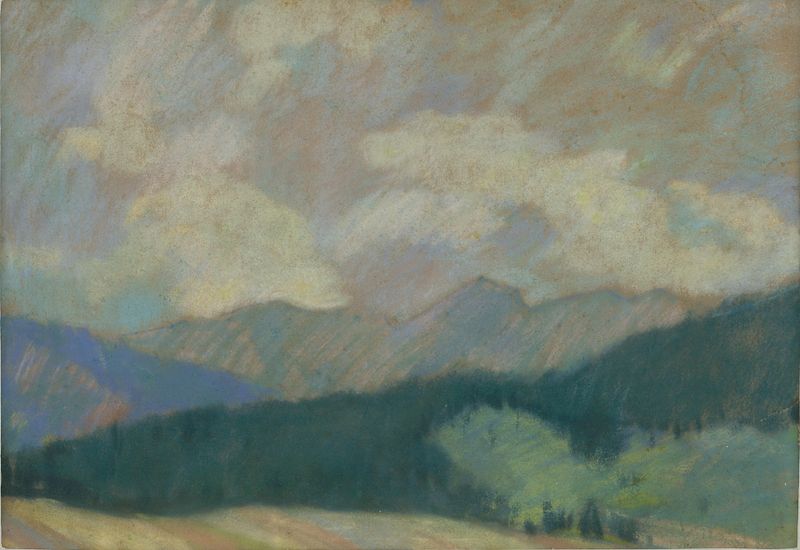
Horská krajina
Zolo Palugyay
Tatra Landscape
Zolo Palugyay
Spring Landscape
Zolo Palugyay





