
Trefoil Knots (Agemaki), Illustration to Chapter 47 of the Tale of Genji (Genji monogatari) — History & Facts
Can paint confess what words never could? In the delicate strokes of this illustration, a profound sense of nostalgia emerges, whispering the secrets of a long-lost era. Look to the center of the composition, where the intricate trefoil knots intertwine, each loop a testament to the painstaking attention of the artist. Notice how the vibrant colors meld seamlessly, with deep indigos and muted golds creating a rich tapestry that draws the eye. The use of negative space invites contemplation, allowing the viewer to ponder the symbolic weight of these motifs, each a bridge between the past and present. Beneath the surface lies a tension that speaks volumes.
The precision of the knots hints at the complexity of relationships, binding together histories and emotions that span generations. The juxtaposition of the decorative elements against a serene backdrop reflects a world where beauty and fragility coexist. Each detail, from the delicate patterns to the subtle shading, reveals a longing for connection – a yearning that echoes through the centuries. During the Muromachi period, specifically around 1509-1510, the artist produced this work at a time when Japanese art was flourishing under the influence of Zen aesthetics.
Tosa Mitsunobu, a prominent figure in the courtly painting tradition, was navigating a world in which the Tale of Genji was revered as a cultural touchstone. This era was characterized by a resurgence of interest in classical literature, and Mitsunobu’s illustration captures that spirit, bridging the gap between narrative and visual artistry.
More Artworks by Tosa Mitsunobu
Browse all →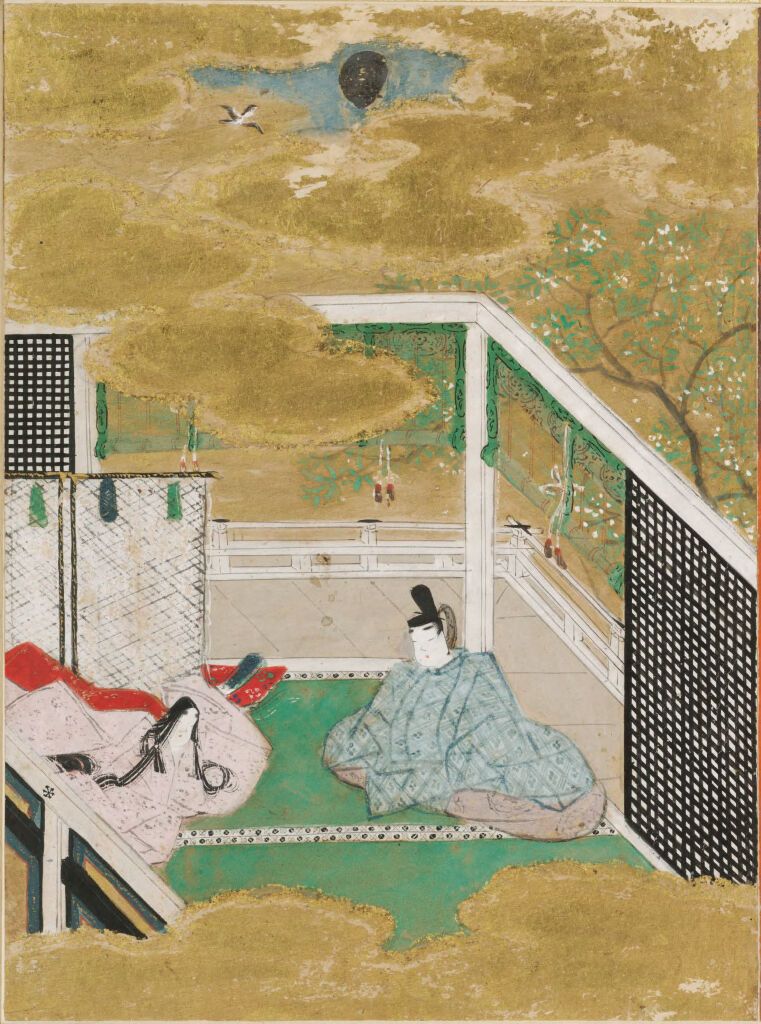
Falling Flowers (Hanachirusato), Illustration to Chapter 11 of the Tale of Genji (Genji monogatari)
Tosa Mitsunobu
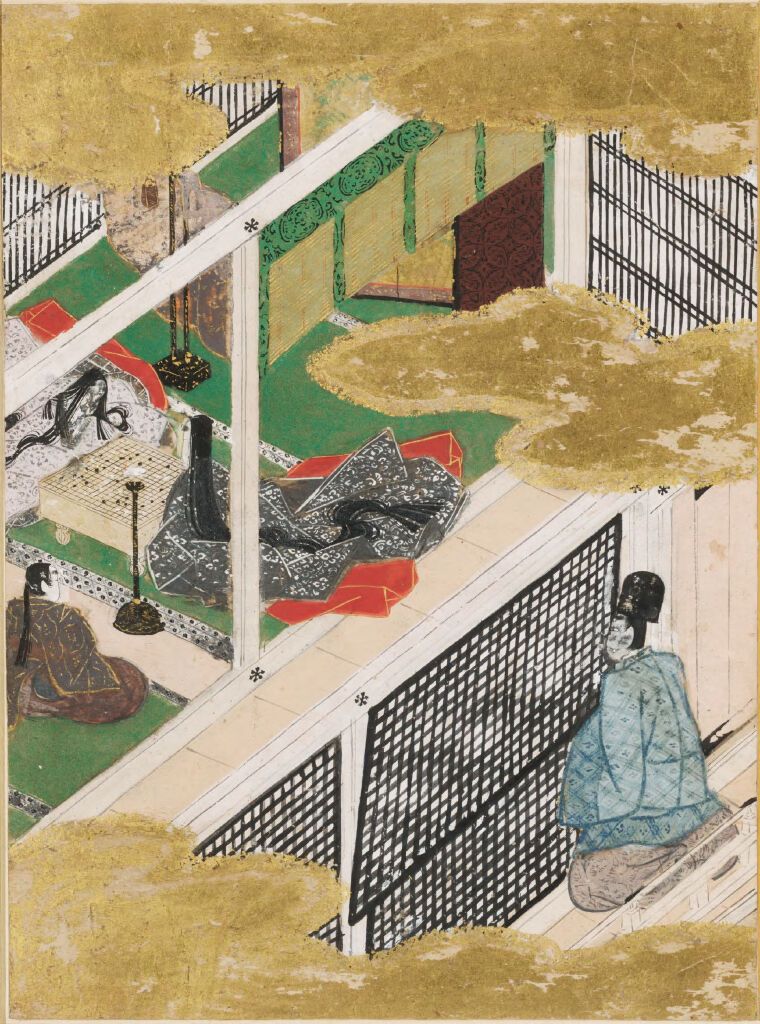
The Cicada Shell (Utsusemi), Illustration to Chapter 3 of the Tale of Genji (Genji monogatari)
Tosa Mitsunobu
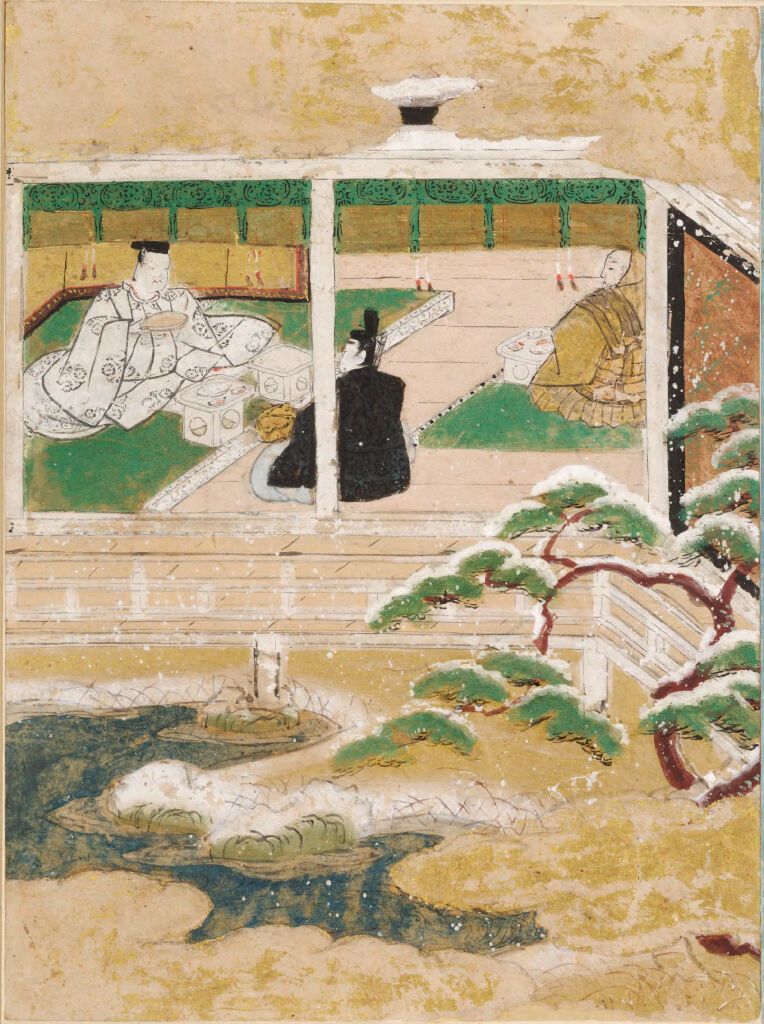
The Seer (Maboroshi), Illustration to Chapter 41 of the Tale of Genji (Genji monogatari)
Tosa Mitsunobu
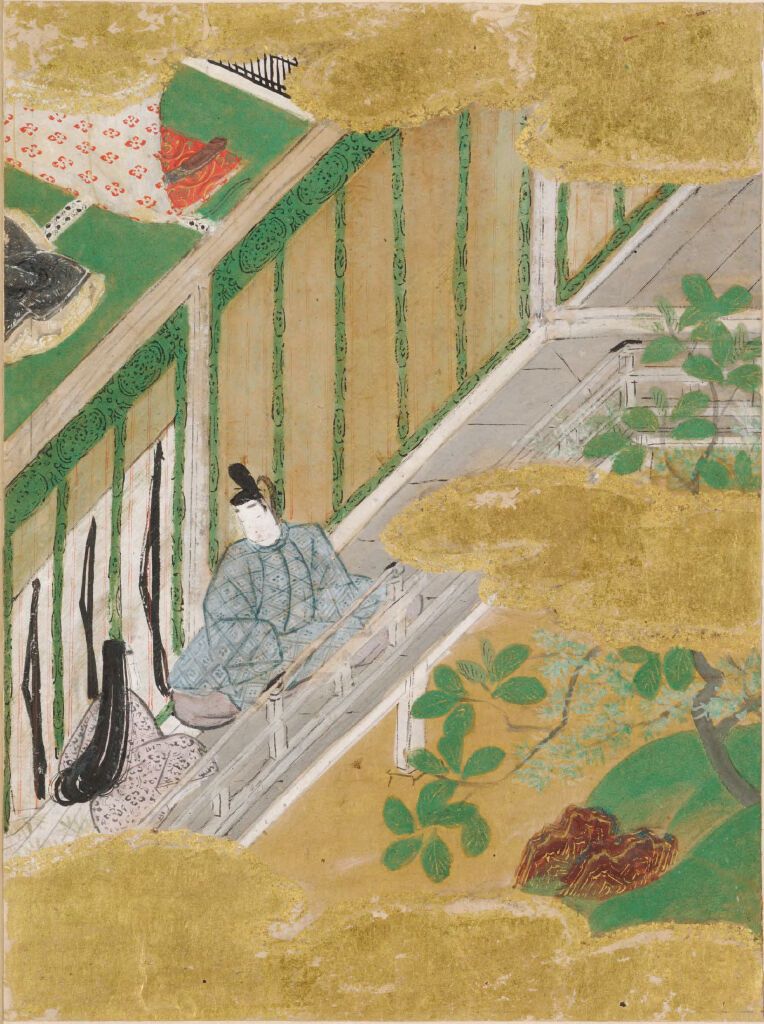
The Oak Tree (Kashiwagi), Illustration to Chapter 36 of the Tale of Genji (Genji monogatari)
Tosa Mitsunobu
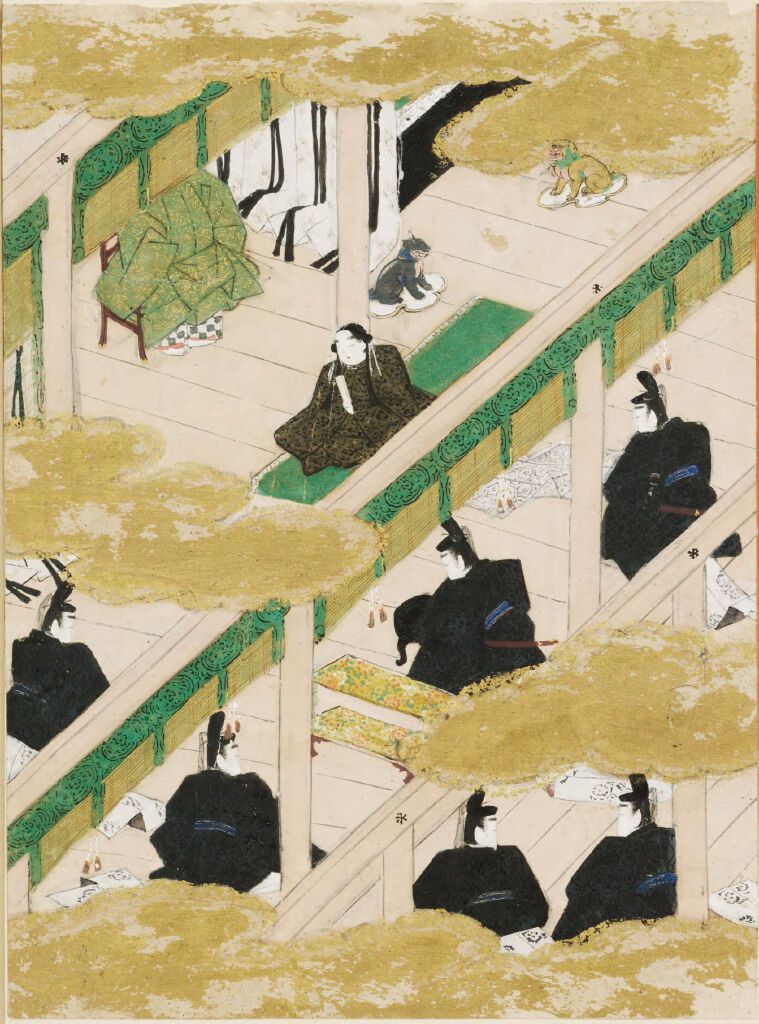
The Paulownia Pavilion (Kiritsubo), Illustration to Chapter 1 of the Tale of Genji (Genji monogatari)
Tosa Mitsunobu
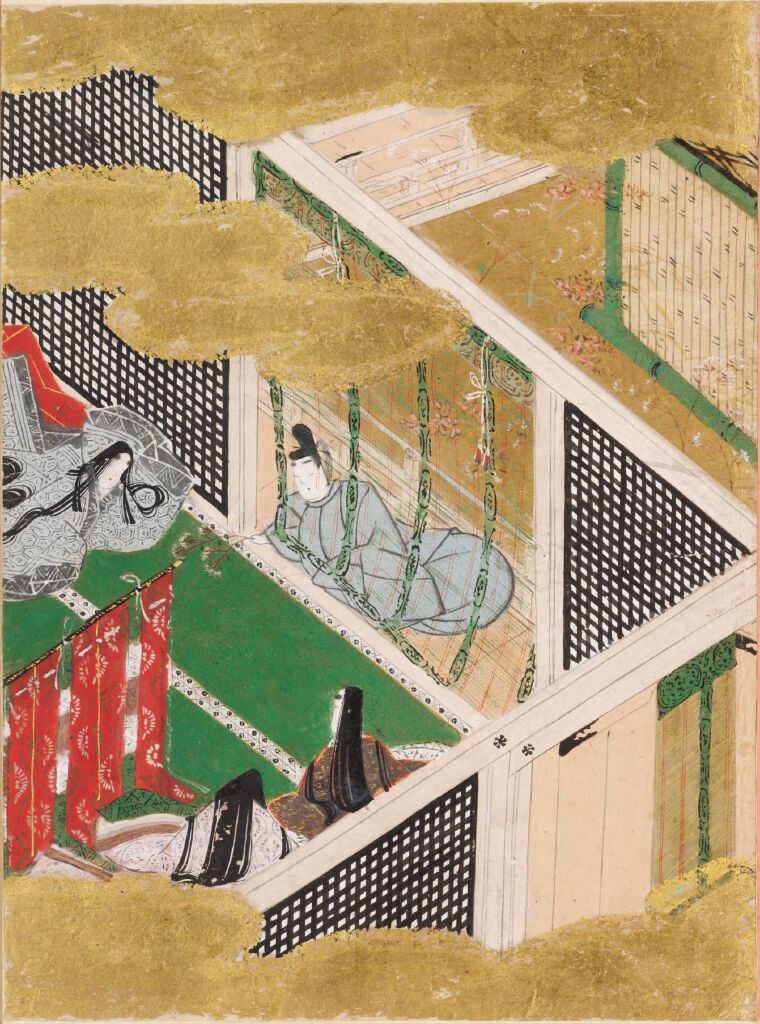
Thoroughwort Flowers (Fujibakama), Illustration to Chapter 30 of the Tale of Genji (Genji monogatari)
Tosa Mitsunobu

Under the Cherry Blossoms (Hana no En), Illustration to Chapter 8 of the Tale of Genji (Genji monogatari)
Tosa Mitsunobu

The Pilgrimage to Sumiyoshi (Miotsukushi), Illustration to Chapter 14 of the Tale of Genji (Genji monogatari)
Tosa Mitsunobu
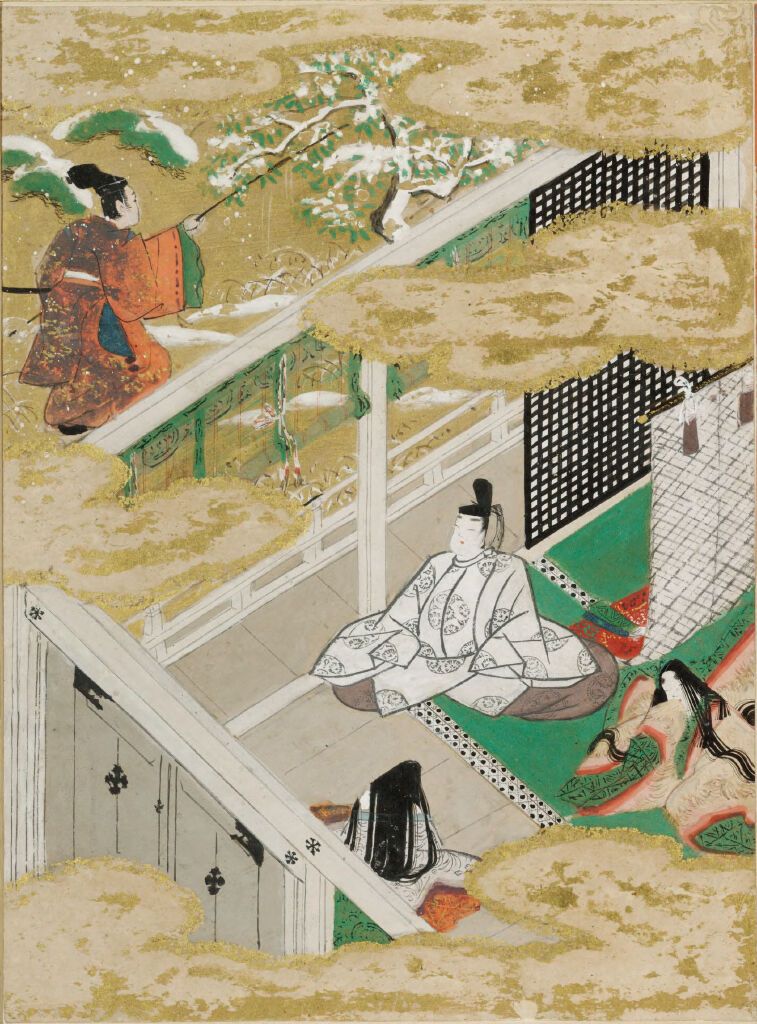
The Safflower (Suetsumuhana), Illustration to Chapter 6 of the Tale of Genji (Genji monogatari)
Tosa Mitsunobu
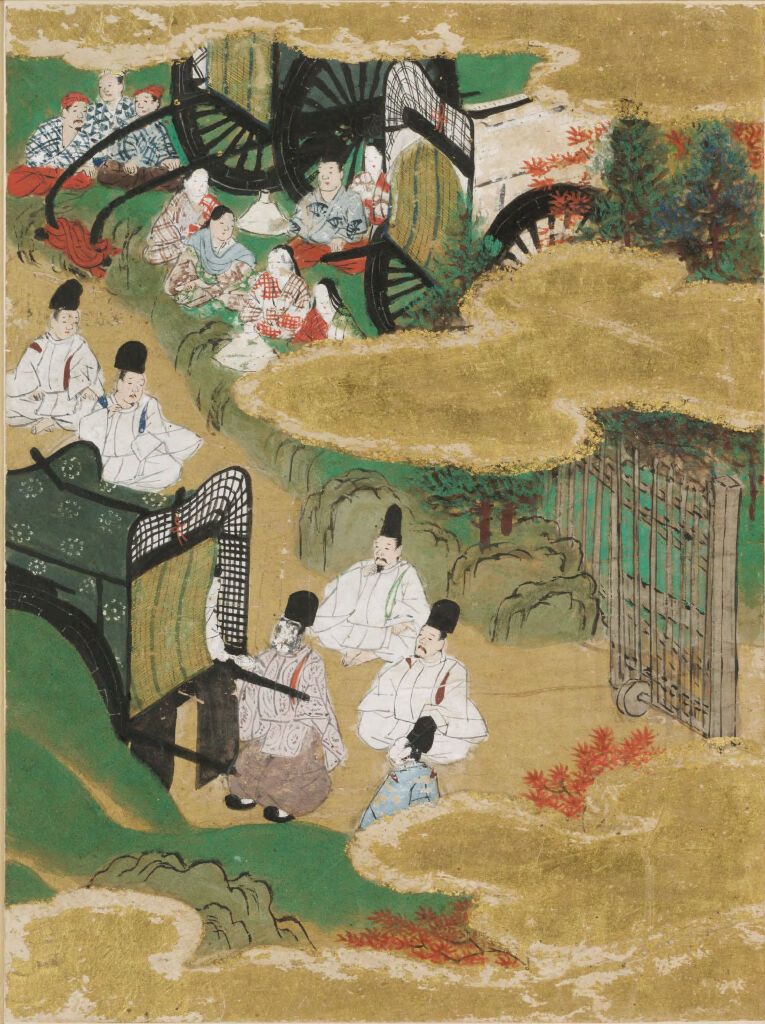
At the Pass (Sekiya), Illustration to Chapter 16 of the Tale of Genji (Genji monogatari)
Tosa Mitsunobu
More Illustration Art
Browse all →Falling Flowers (Hanachirusato), Illustration to Chapter 11 of the Tale of Genji (Genji monogatari)
Tosa Mitsunobu
The Cicada Shell (Utsusemi), Illustration to Chapter 3 of the Tale of Genji (Genji monogatari)
Tosa Mitsunobu
The Seer (Maboroshi), Illustration to Chapter 41 of the Tale of Genji (Genji monogatari)
Tosa Mitsunobu
The Oak Tree (Kashiwagi), Illustration to Chapter 36 of the Tale of Genji (Genji monogatari)
Tosa Mitsunobu
The Paulownia Pavilion (Kiritsubo), Illustration to Chapter 1 of the Tale of Genji (Genji monogatari)
Tosa Mitsunobu
Thoroughwort Flowers (Fujibakama), Illustration to Chapter 30 of the Tale of Genji (Genji monogatari)
Tosa Mitsunobu