
Trigal — History & Facts
In the midst of a golden field, time pauses, holding its breath for the unspoken truths hidden within the swaying wheat. A sense of absence hangs in the air, deeply felt yet invisible, echoing the loss that lingers like a fading memory. Focus on the expanse of vivid yellow and amber hues that dominate the composition, inviting the viewer to wander visually through the waves of grain. Notice how the brushstrokes create a rhythmic dance, leading the eye toward the horizon where earth meets sky, separated by a delicate line of blue.
The contrast between the warm tones of the ripe field and the coolness of the distant sky evokes a quiet melancholy, amplifying the emotional weight of the scene. In the foreground, the intricate details of the wheat are not merely decorative; they symbolize both abundance and transience, a reminder that beauty is often intertwined with loss. There is a tension between the vibrant life of the field and the emptiness that suggests something—or someone—has departed. The gentle breeze hinted at through the movement of the plants whispers of memories past, creating a profound dialogue between nature and human experience. Eliseu Visconti painted Trigal in 1915 during a time when the world was grappling with significant upheaval.
Living in Brazil, he was influenced by the burgeoning modern art movement while reflecting on personal experiences of loss and change. This piece serves as a poignant commentary not just on the landscape, but on the profound sense of longing that permeated the era.
More Artworks by Eliseu Visconti
Browse all →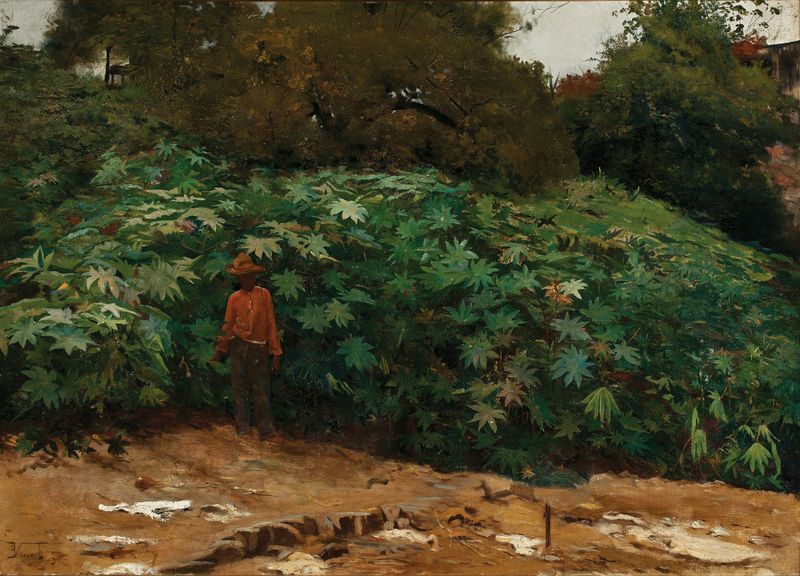
Mamoneiras – Morro de São Bento
Eliseu Visconti
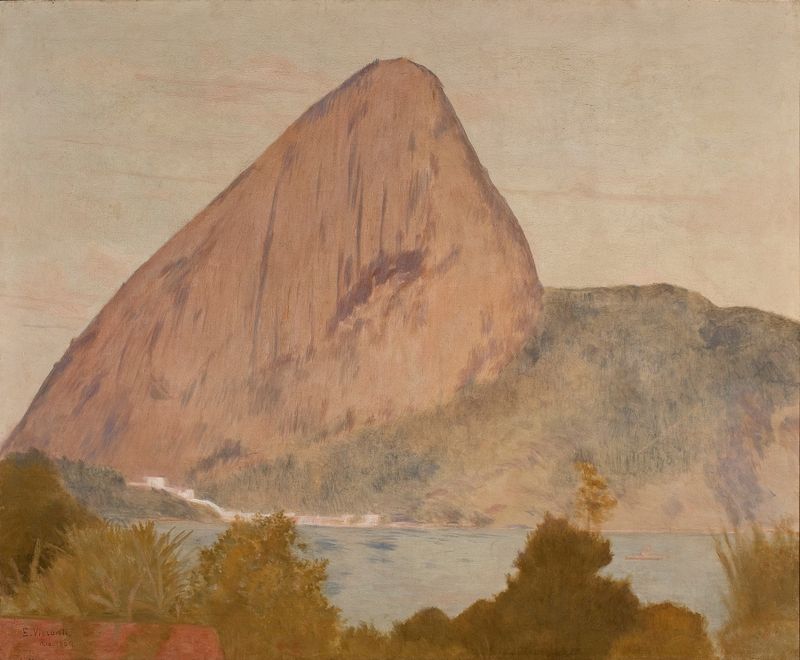
Marina com Pão de Açúcar
Eliseu Visconti

O batismo da boneca
Eliseu Visconti
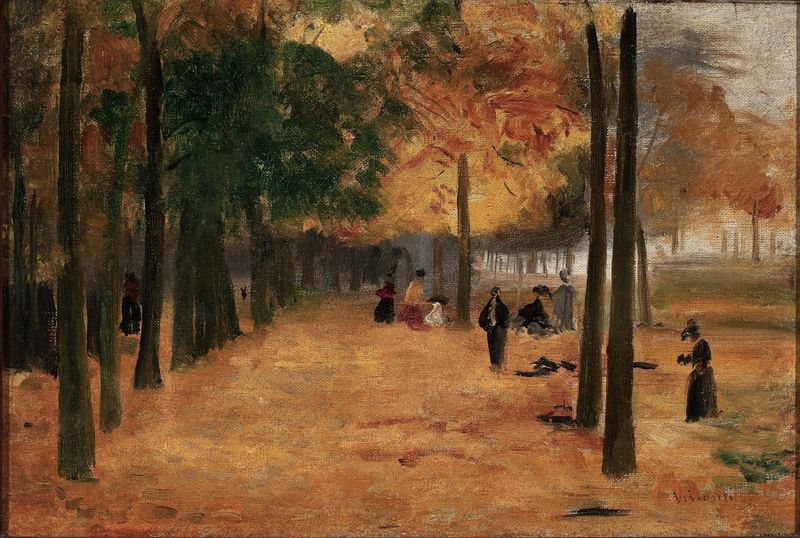
Canto de Luxemburgo (Outono)
Eliseu Visconti
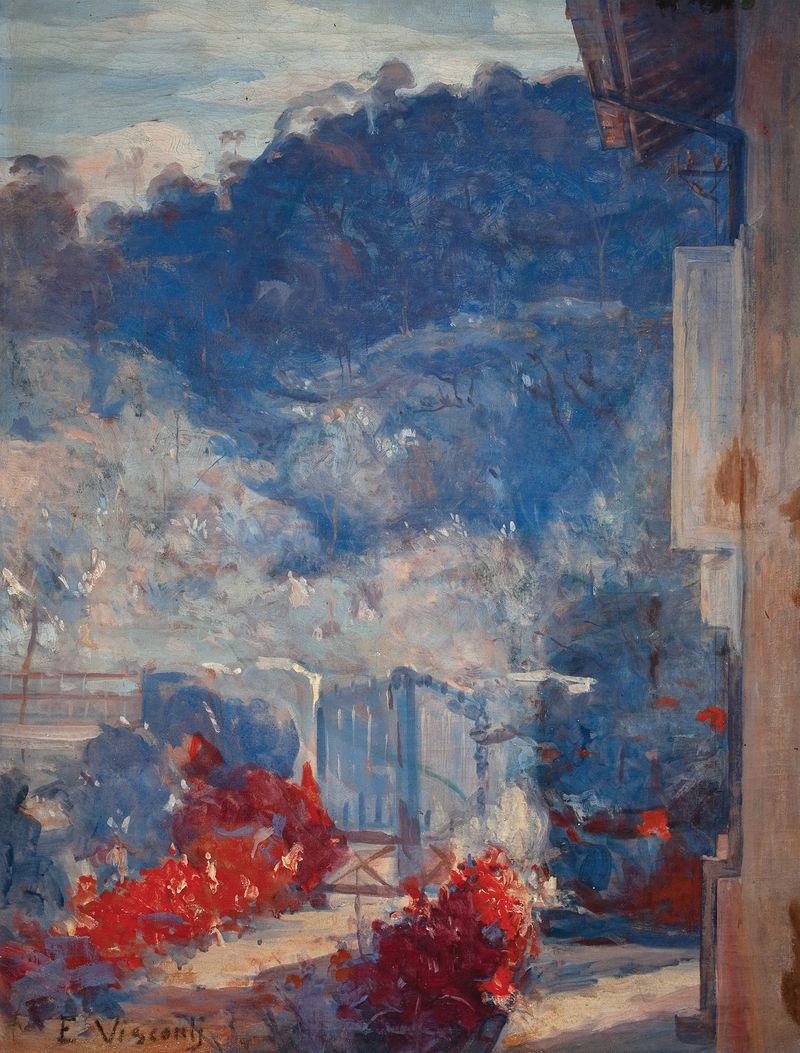
Raios de sol
Eliseu Visconti
Tarde em Saint Hubert
Eliseu Visconti

Efeito matinal
Eliseu Visconti
A Igrejinha (Copacabana)
Eliseu Visconti

A caminho da escola
Eliseu Visconti

Flores da rua
Eliseu Visconti





