
Triomfwagen voor Santa Rosalia — History & Facts
What if beauty was never meant to be finished? In the vivid imagination of the 18th century, this question reverberates through the canvas, promising a dreamlike exploration of art and nature. Look to the center of Triomfwagen voor Santa Rosalia, where a grand and decorated chariot stands majestically, adorned with flowing drapes and intricate motifs. The vibrant colors of ochre, turquoise, and deep greens dance with life, inviting the viewer’s gaze. Notice how the light bathes the scene in a soft, golden hue, illuminating the figures surrounding the chariot, each caught in a moment of reverence or celebration.
The carefully arranged composition, with its swirling patterns and dynamic forms, creates a harmonious rhythm that echoes the very essence of festivity. The chariot symbolizes not just a vehicle of honor but also the ephemeral nature of beauty and joy. Each figure's expression conveys a spectrum of emotions — from devotion to ecstasy — hinting at the underlying tensions between the sacred and the earthly. The interplay of shadow and light not only enhances these contrasts but also evokes a sense of fleeting time, as if inviting us to ponder the transitory nature of such celebrations.
Every detail, from the floral embellishments to the gestures of the attendees, adds depth to this rich tapestry of life. In 1778, Ducros was immersed in the vibrant artistic scene of Rome, where neoclassical ideals were gaining momentum. Having been influenced by his travels and the cultural richness around him, the artist sought to capture the spirit of his time through this work. It reflects a pivotal moment, both personally and within the broader context of artistic evolution, as he navigated the delicate balance between realism and a dreamlike vision.
More Artworks by Abraham-Louis-Rodolphe Ducros
Browse all →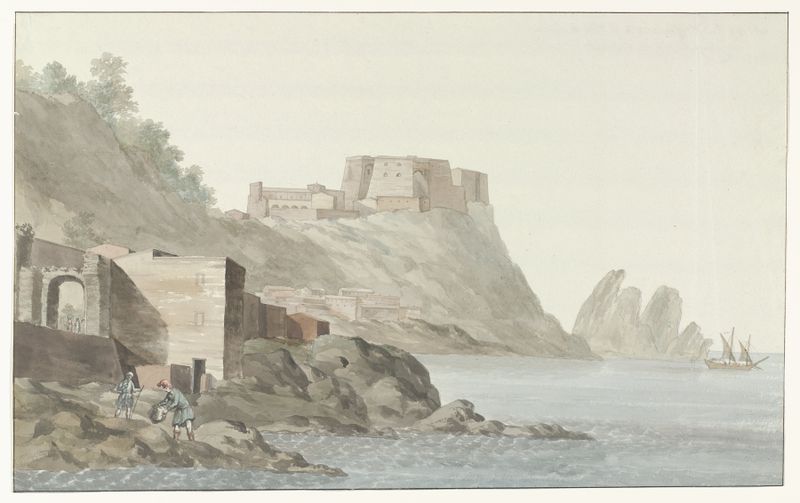
Rots en stad Scilla in de regio Calabrië aan de oostkust
Abraham-Louis-Rodolphe Ducros
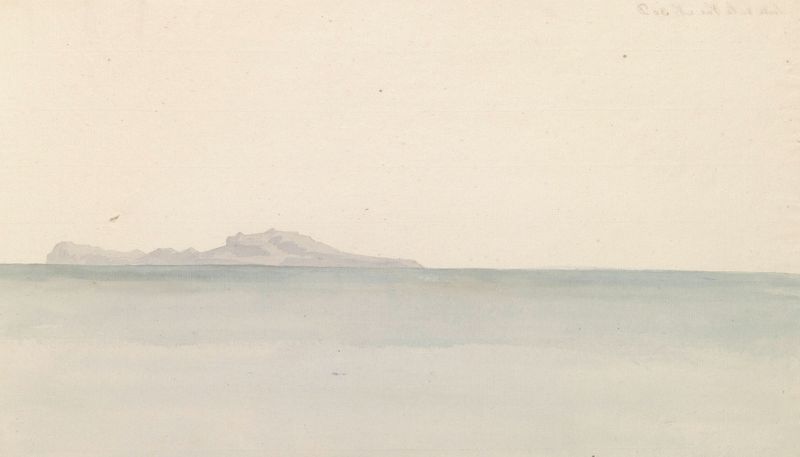
Gezicht op Golf van Napels vanaf kade bij kerk Santa Maria del Carmine
Abraham-Louis-Rodolphe Ducros
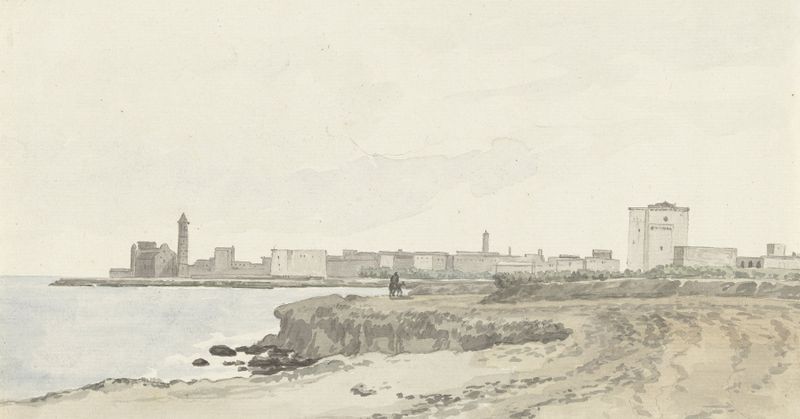
Gezicht op Trani gelegen aan de kust
Abraham-Louis-Rodolphe Ducros
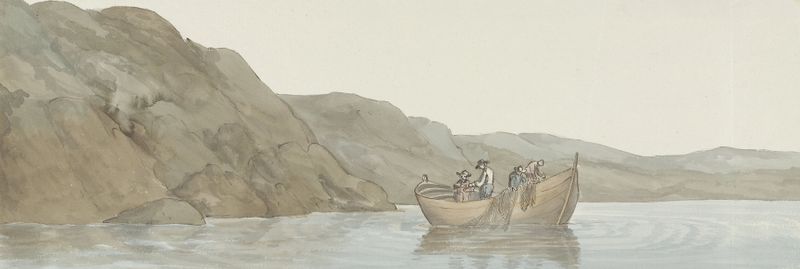
Gezicht op Kaap Paceco in Calabrië nabij de stad Scilla
Abraham-Louis-Rodolphe Ducros
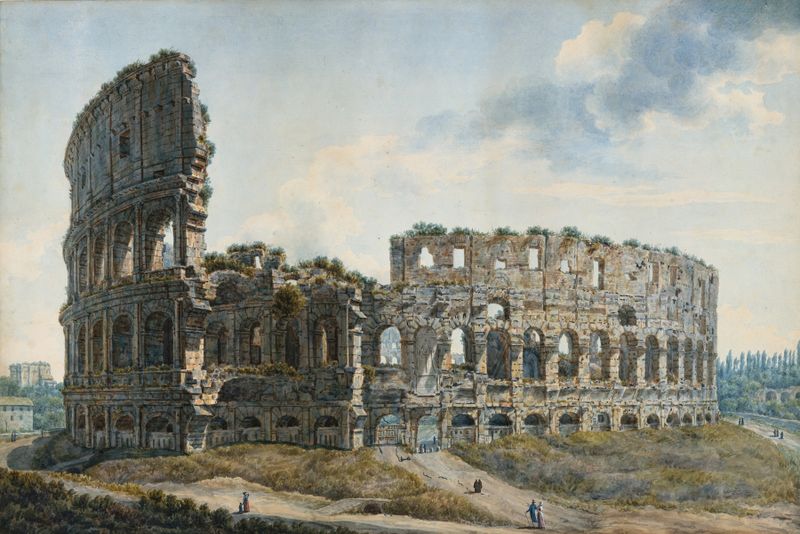
The Colosseum, Rome.
Abraham-Louis-Rodolphe Ducros
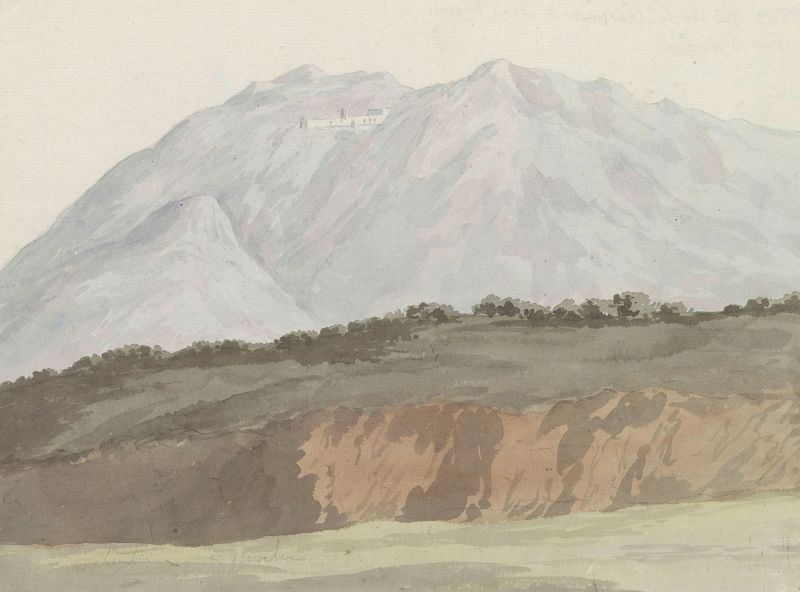
Gezicht op kartuizerklooster van Monte Vergine hoog gelegen boven Avellino
Abraham-Louis-Rodolphe Ducros
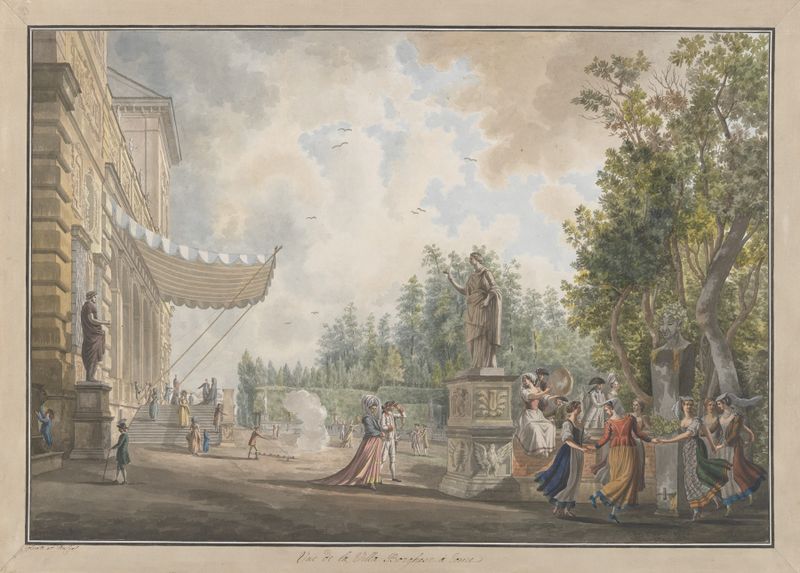
Villa Borghese
Abraham-Louis-Rodolphe Ducros
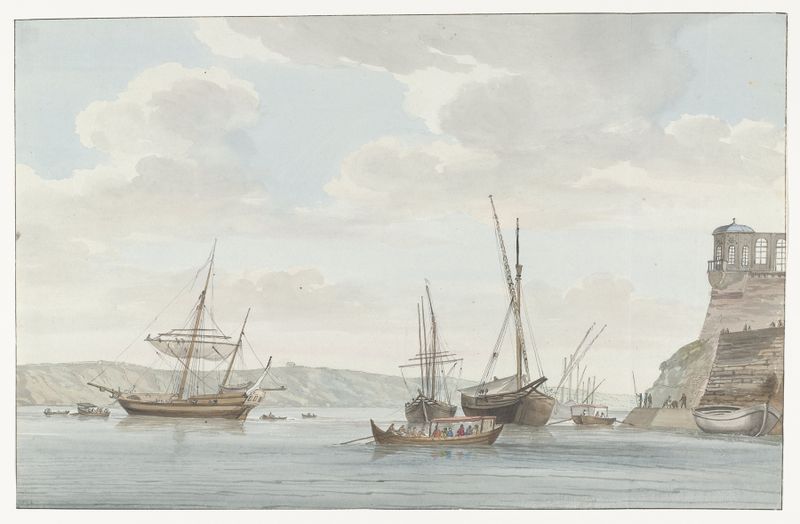
Tuinhuis van de Jardin du Grand Maître uittorend boven de haven met galei schepen op Malta
Abraham-Louis-Rodolphe Ducros
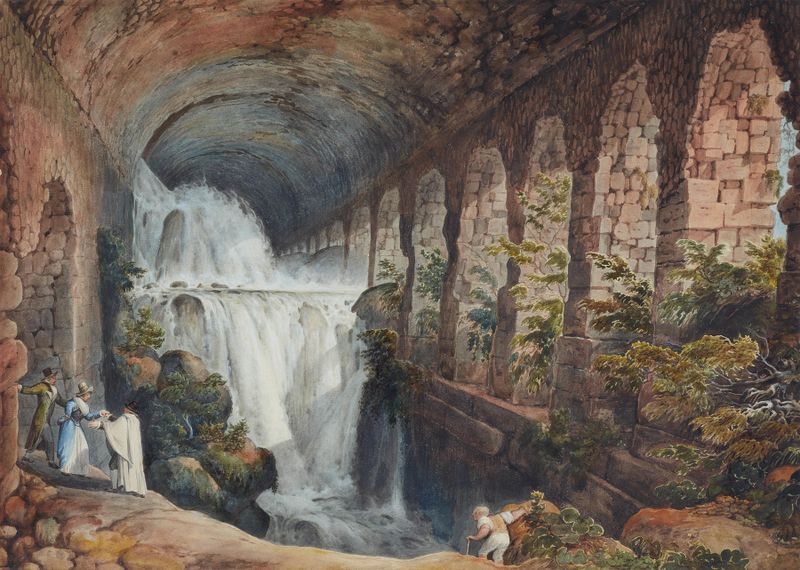
Aquädukt unter der Villa des Maecenas in Tivoli
Abraham-Louis-Rodolphe Ducros
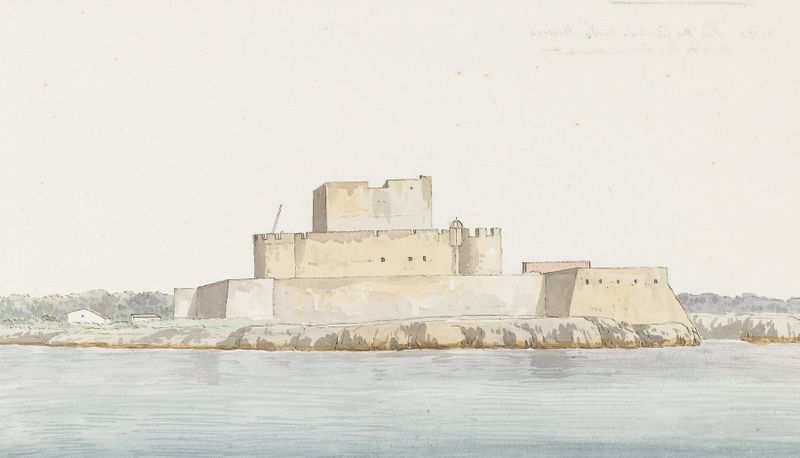
Gezicht op kasteel van San Mauro la Bruca vanaf zee bij aankomst
Abraham-Louis-Rodolphe Ducros
More Historical Art
Browse all →
The Night Watch Militia Company of District II under the Command of Captain Frans Banninck Cocq
Rembrandt van Rijn
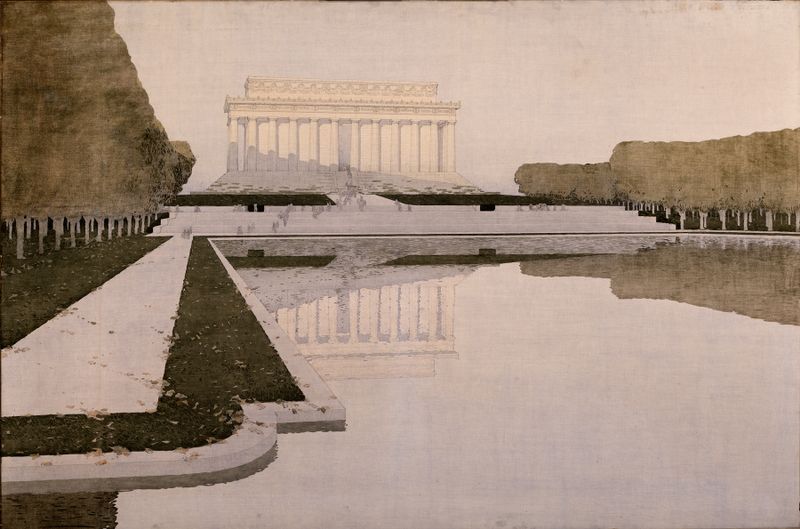
Lincoln Memorial
Henry Bacon
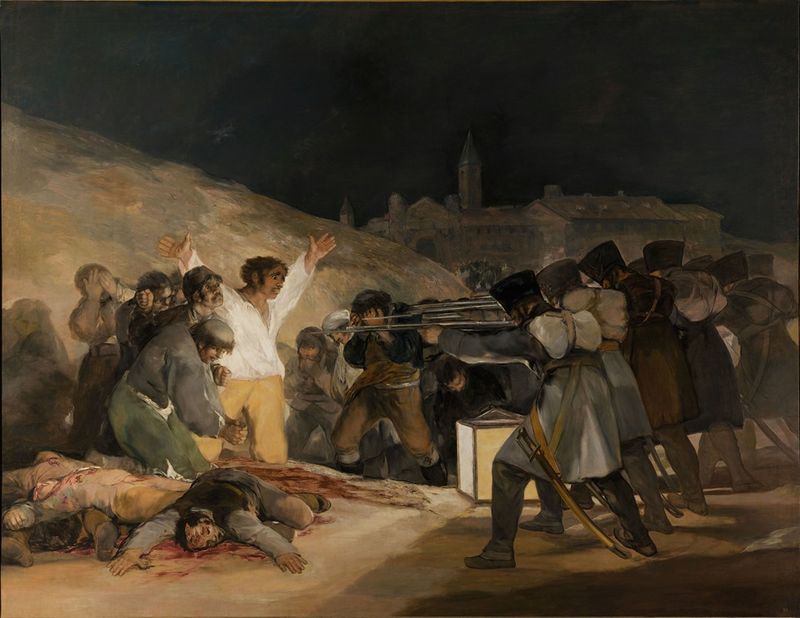
The Third of May 1808
Francisco de Goya

Isaac and Rebecca, Known as ‘The Jewish Bride’
Rembrandt van Rijn
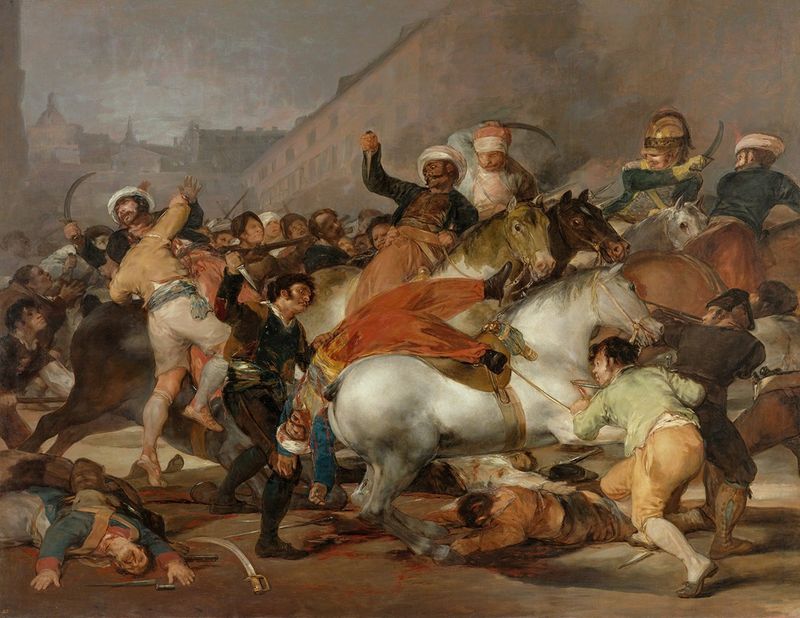
The Charge of the Mamelukes (1814)
Francisco de Goya

De vier ruiters van de apocalyps
Albrecht Dürer