
Tristan and Isolde, Act II; Signal in the Night — History & Facts
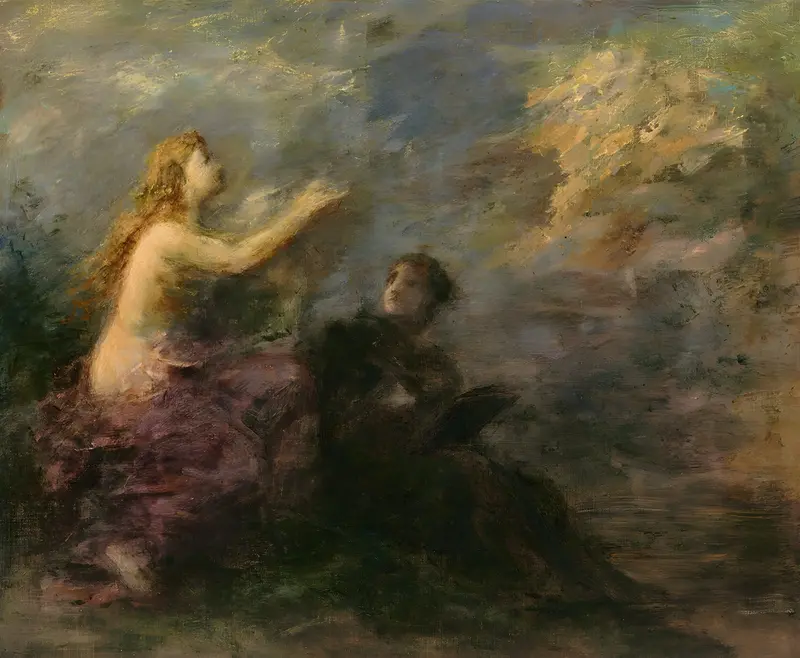
In Tristan and Isolde, Act II; Signal in the Night, Henri Fantin-Latour uses deep, rich colors to create a dramatic atmosphere. The figures of Tristan and Isolde are central, surrounded by a dark, moody background that enhances their emotional intensity. The use of light and shadow adds depth to the scene, highlighting their expressions and gestures.
The overall composition draws the viewer's eye to the poignant moment shared between the two lovers. The painting is executed in oil on canvas, showcasing Fantin-Latour's skillful brushwork and attention to detail. The dimensions are approximately 100 x 150 cm, making it a substantial piece that commands attention. The artist's technique involves layering colors to achieve a sense of realism and emotional depth.
This work reflects the Romantic style, characterized by its focus on emotion and individual experience. Henri Fantin-Latour was known for his depictions of literary and musical themes, often drawing inspiration from opera and literature. This particular work illustrates a scene from Wagner's opera, which was highly influential in the 19th century. An interesting fact about this painting is that it captures a moment of longing and desire, resonating with the themes of love and tragedy present in the opera.
Fantin-Latour's ability to convey such emotions through his art has made this piece notable in his oeuvre.
More Artworks by Henri Fantin-Latour
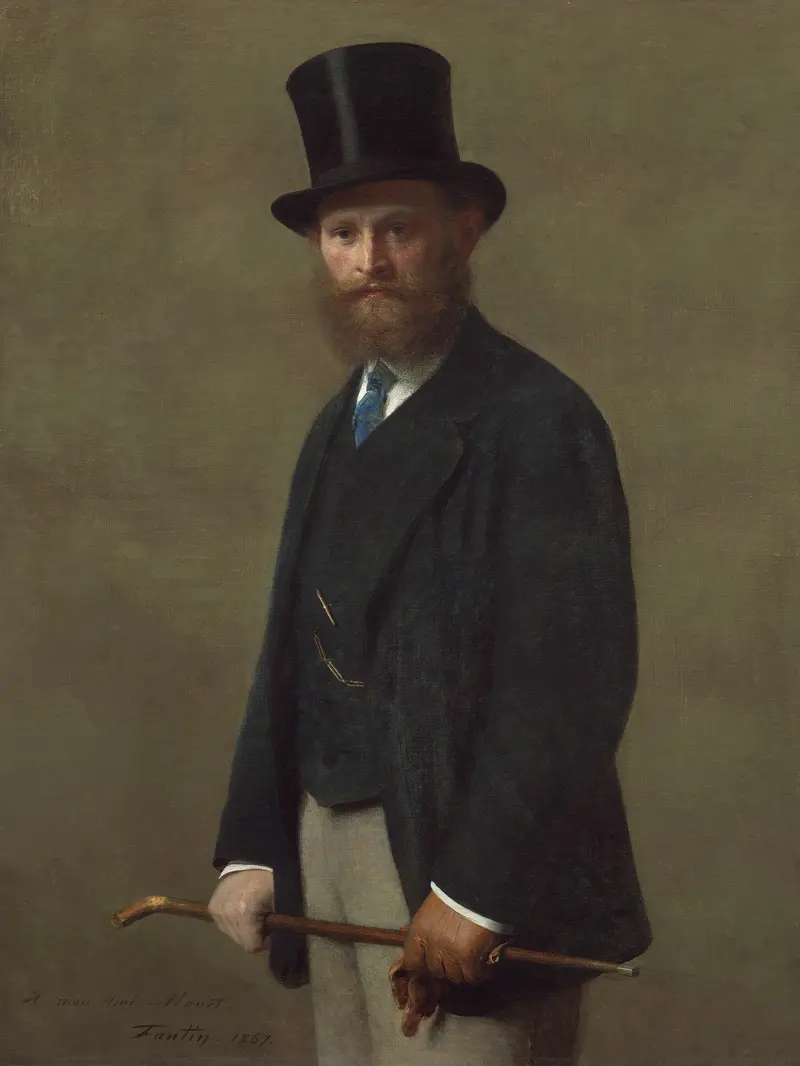
Édouard Manet
Henri Fantin-Latour
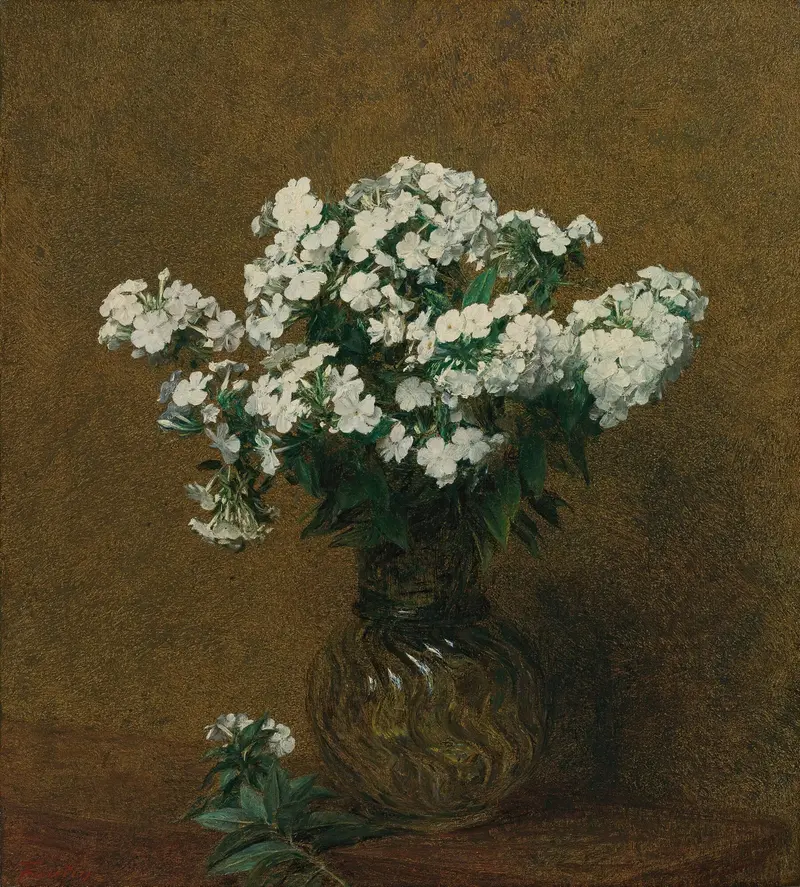
Phlox Blancs Dans Un Vase
Henri Fantin-Latour
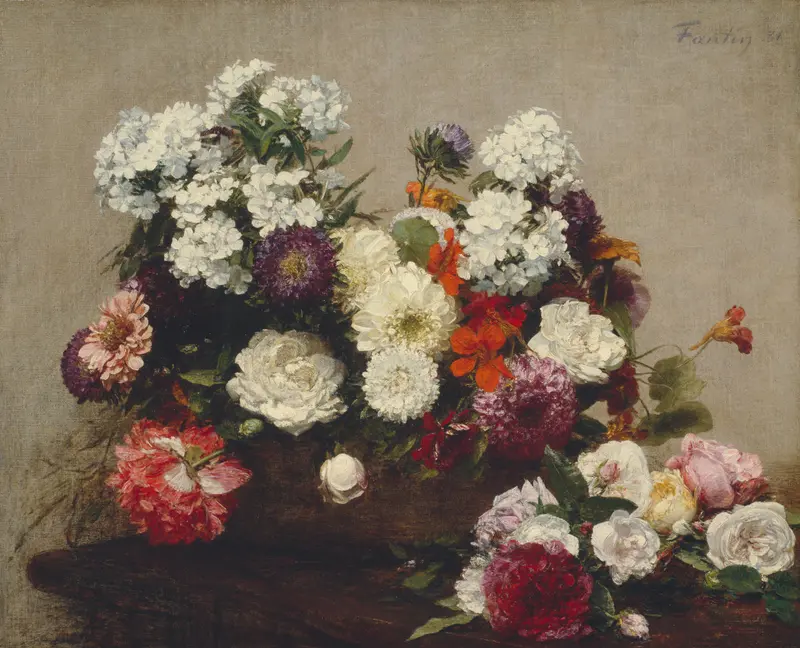
Still Life with Flowers
Henri Fantin-Latour
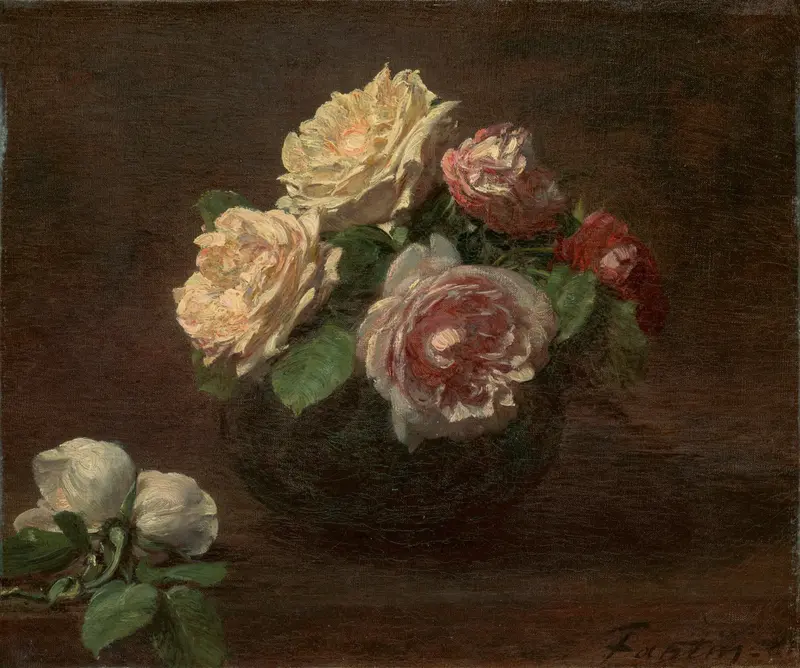
Roses in a Bowl
Henri Fantin-Latour
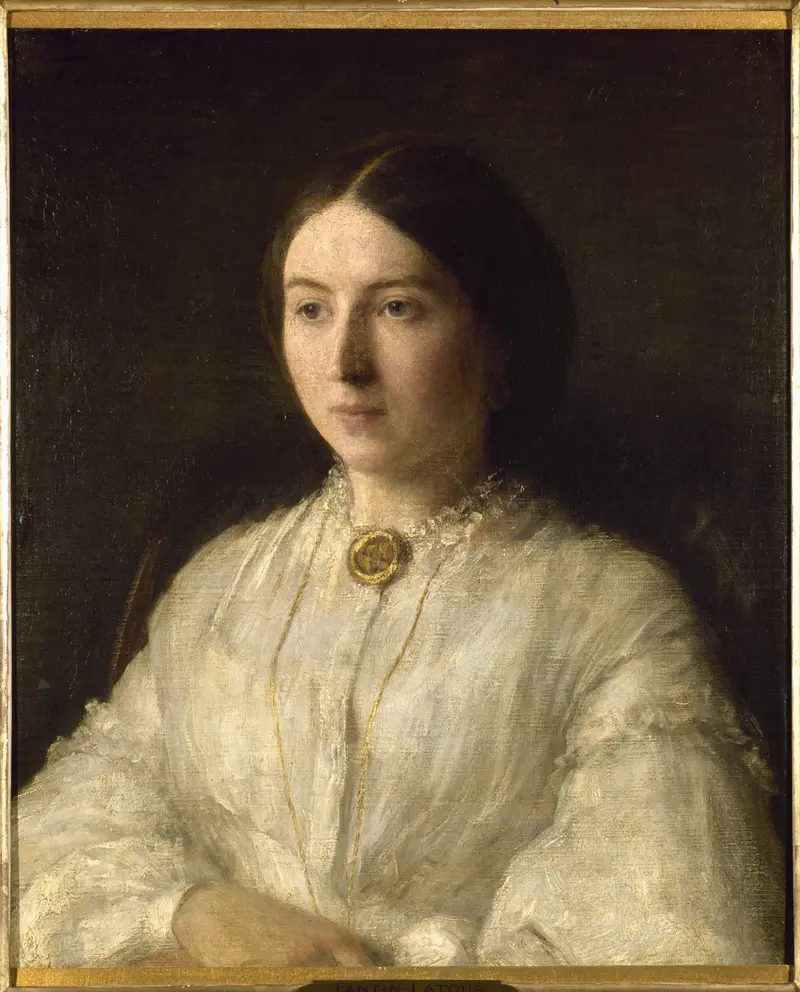
Portrait de Mme Edwin Edwards
Henri Fantin-Latour
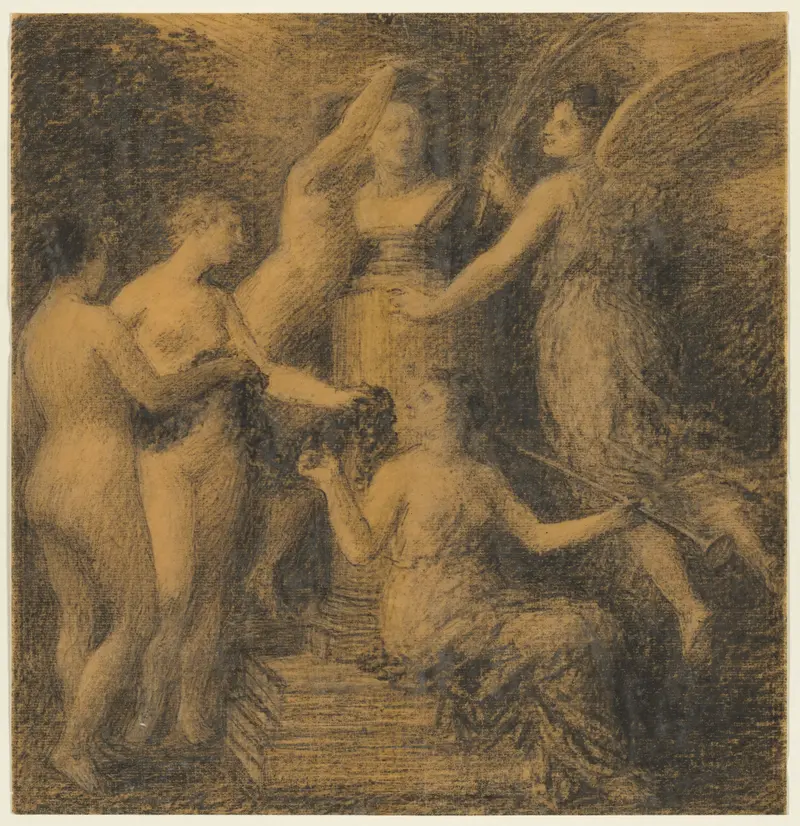
Homage to Rossini
Henri Fantin-Latour
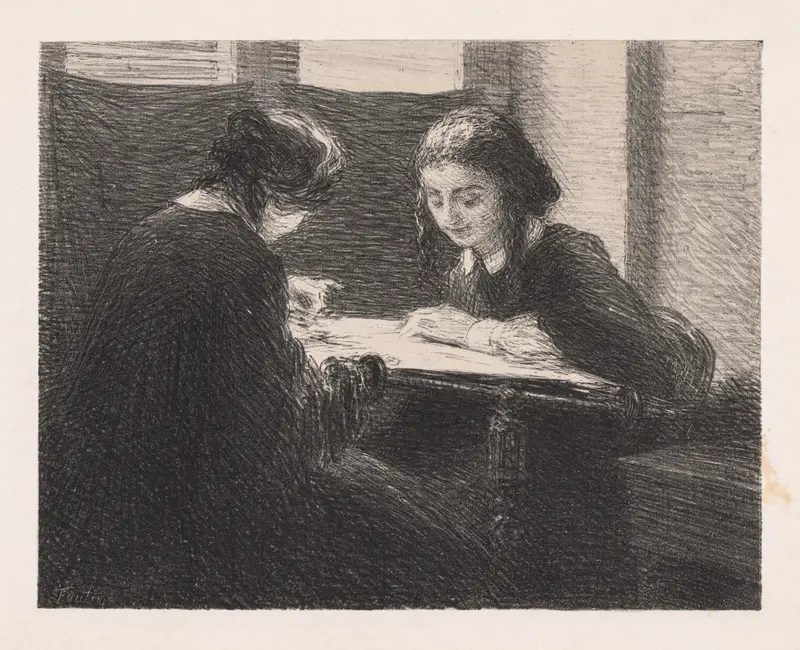
The Embroideres (Les Brodeuses)
Henri Fantin-Latour
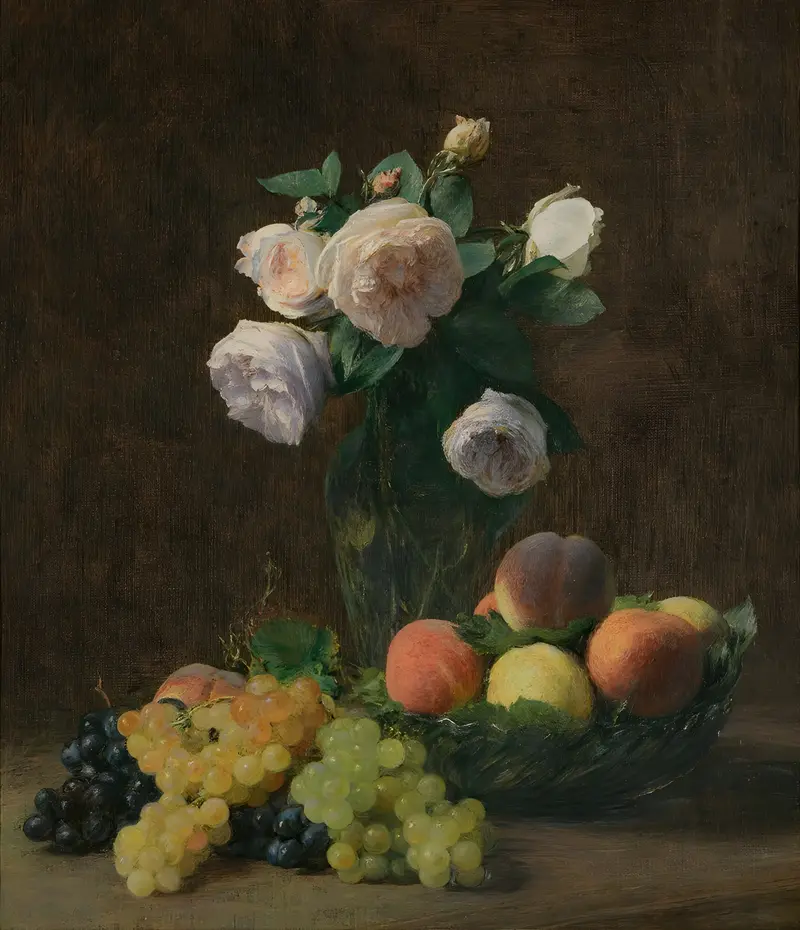
Nature Morte; Vase De Roses, Pêches Et Raisins
Henri Fantin-Latour
Inspiration
Henri Fantin-Latour
Nude study
Henri Fantin-Latour





