
Trois Vaches Dans Un Marais — History & Facts
What if silence could speak through light? In Trois Vaches Dans Un Marais, the stillness of a marshland scene echoes with whispers of longing and betrayal, encapsulating the tension between tranquility and unease. Look to the foreground, where three cows stand like solemn sentinels against the reflective waters. Their soft, muted colors blend with the verdant hues of the marsh, yet the light falls unevenly, highlighting the cows' stillness and hinting at an impending shift. Notice how the brushwork creates a delicate interplay between the serene landscape and the subtle ripples in the water, drawing the eye into the depth of the composition while leaving the viewer yearning for something more. Within this pastoral setting lies a deeper emotional narrative.
The cows, though grounded and tranquil, seem to carry an unspoken weight, perhaps symbolizing lost trust or a betrayal of the natural order. The juxtaposition of their calm presence against the dynamic elements of the marsh sparks a reflection on vulnerability and isolation, suggesting that even in nature, discord can exist beneath the surface. The light that dances across the scene reveals all, yet it also conceals, much like the truths we keep hidden within ourselves. During the mid-19th century, Corot painted in a time of great change in the art world, shifting from Romanticism towards Impressionism.
Though the date of this piece remains uncertain, Corot was deeply inspired by nature's beauty and complexities. He was often in the vicinity of the Barbizon School, where he embraced the interplay of light and shadow, laying groundwork for future artists. This painting reflects his mastery in capturing the ephemeral essence of landscapes, while also hinting at the emotional turmoil often lurking behind tranquil scenes.
More Artworks by Jean-Baptiste-Camille Corot
Browse all →
View of Genoa
Jean-Baptiste-Camille Corot
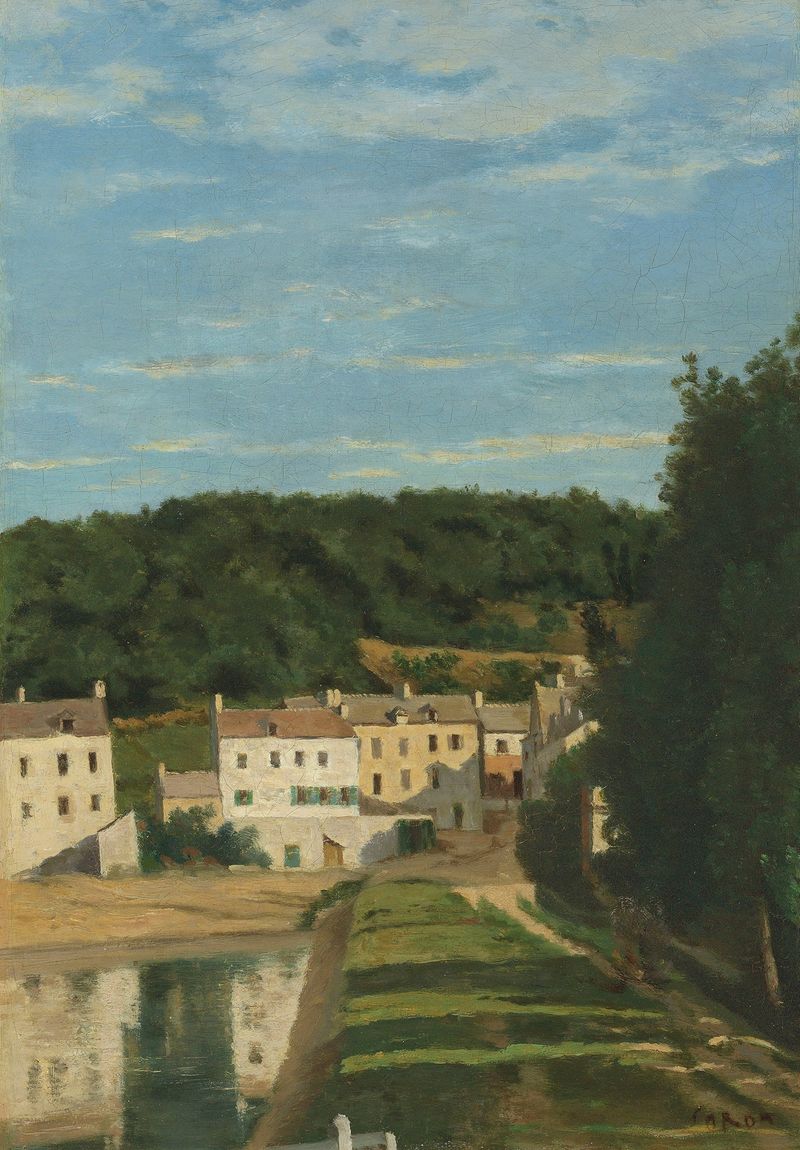
Les Maisons Cabassud À Ville D’avray
Jean-Baptiste-Camille Corot

La solitude. Souvenir de Vigen (Limousin)
Jean-Baptiste-Camille Corot
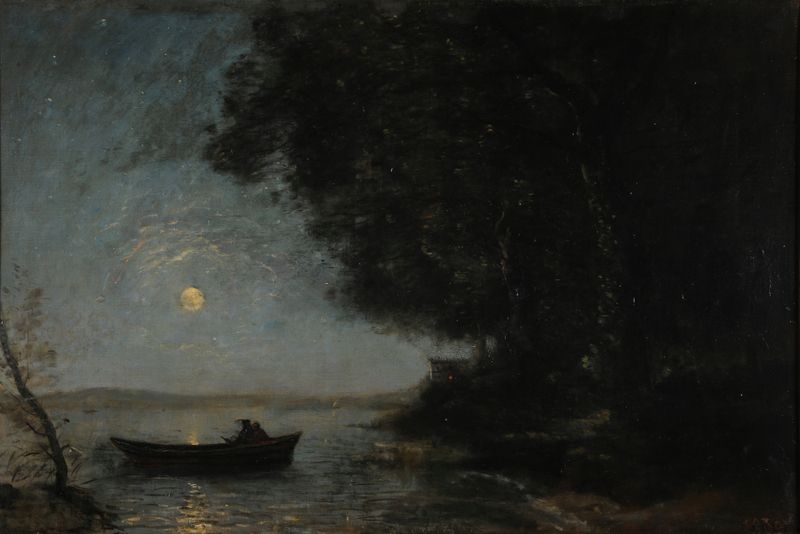
Le lac ; effet de nuit
Jean-Baptiste-Camille Corot
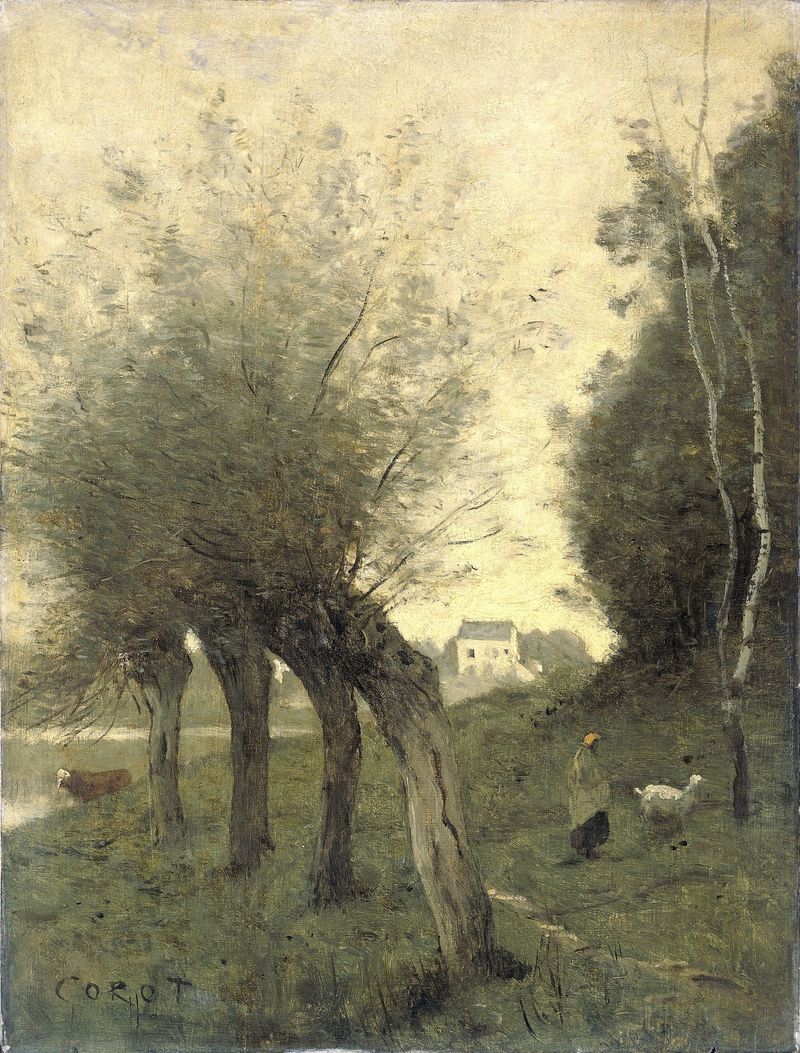
Landscape with Pollard Willows
Jean-Baptiste-Camille Corot
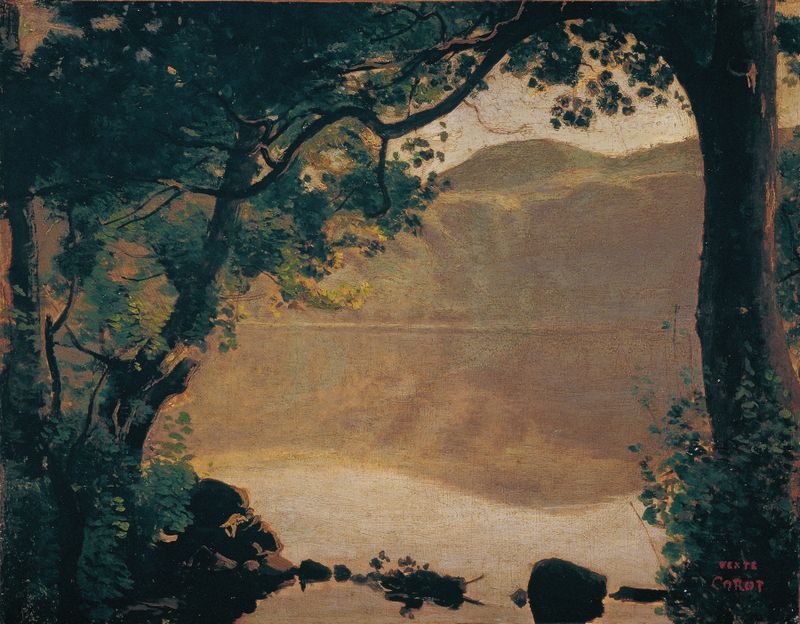
Der Nemisee
Jean-Baptiste-Camille Corot
Les Étangs De Ville D’avray
Jean-Baptiste-Camille Corot
Pond in the Woods
Jean-Baptiste-Camille Corot
Ville D’avray; L’abreuvoir Des Chevaux
Jean-Baptiste-Camille Corot
Le vallon au cavalier
Jean-Baptiste-Camille Corot





