
Trouville (Grey and Green, the Silver Sea) — History & Facts
Where does light end, and longing begin? In the delicate interplay of color and form, Whistler invites us to ponder the boundaries between the tangible and the ephemeral. Look closely at the soft gradients of green and grey that envelop the canvas. The silvery sea stretches wide, almost infinite, as it shimmers under a ghostly sky. Focus on the horizon, where the gentle meeting of sea and sky blurs the line between reality and reflection.
The brushstrokes are fluid and airy, creating a sense of movement that pulls the viewer into the serene yet haunting atmosphere, inviting contemplation. Beneath the surface, contrasts emerge—between light and dark, stillness and the hint of a breeze. The muted colors evoke a longing for something just out of reach, a desire mirrored in the quietude of the scene. Subtle hints of form suggest distant figures, perhaps souls lost in thought, adding layers of emotional depth.
This is not merely a landscape; it's a portal to introspection, revealing the fragility of momentary beauty. Whistler created Trouville (Grey and Green, the Silver Sea) in 1865 during a transformative period in his artistic career. Painted in France, this work reflects the artist's exploration of color harmony and the tonal painting technique he was developing. At a time when the art world was shifting towards Impressionism, Whistler’s focus on mood and atmosphere marked a significant departure from conventional representation, demonstrating his belief in art as a medium for personal expression.
More Artworks by James Abbott McNeill Whistler
Browse all →
Nocturne in Blue and Silver
James Abbott McNeill Whistler
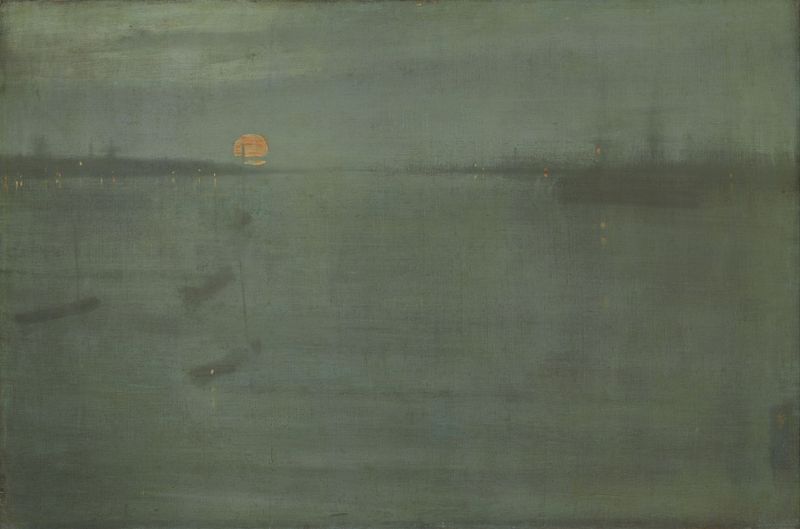
Nocturne: Blue and Gold–Southampton Water
James Abbott McNeill Whistler
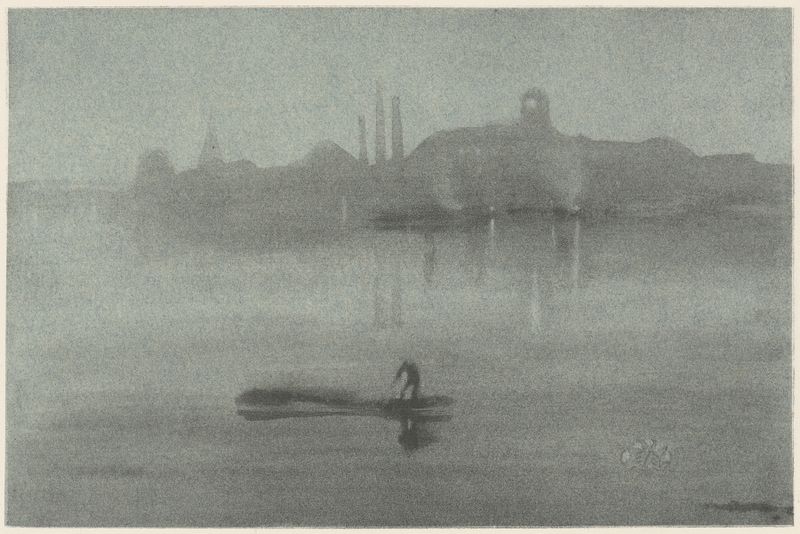
Nocturne
James Abbott McNeill Whistler
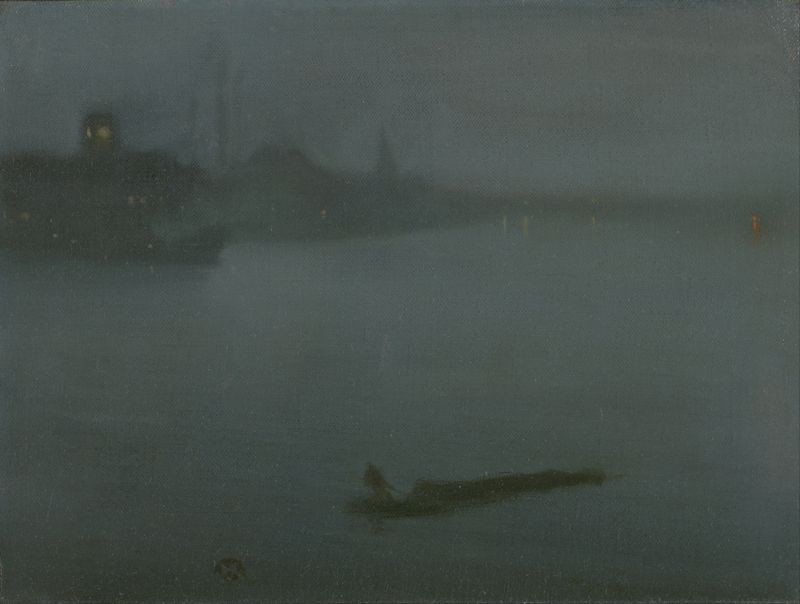
Nocturne in Blue and Silver
James Abbott McNeill Whistler
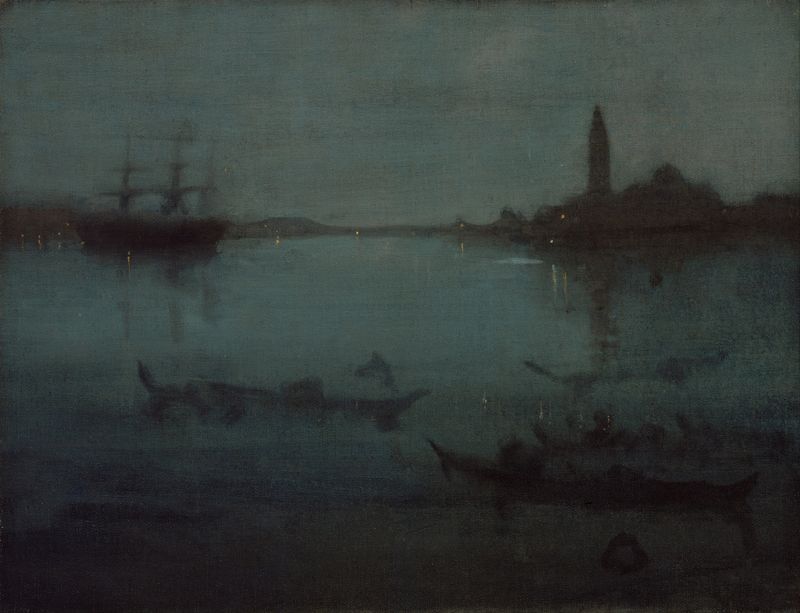
Nocturne in Blue and Silver- The Lagoon, Venice
James Abbott McNeill Whistler
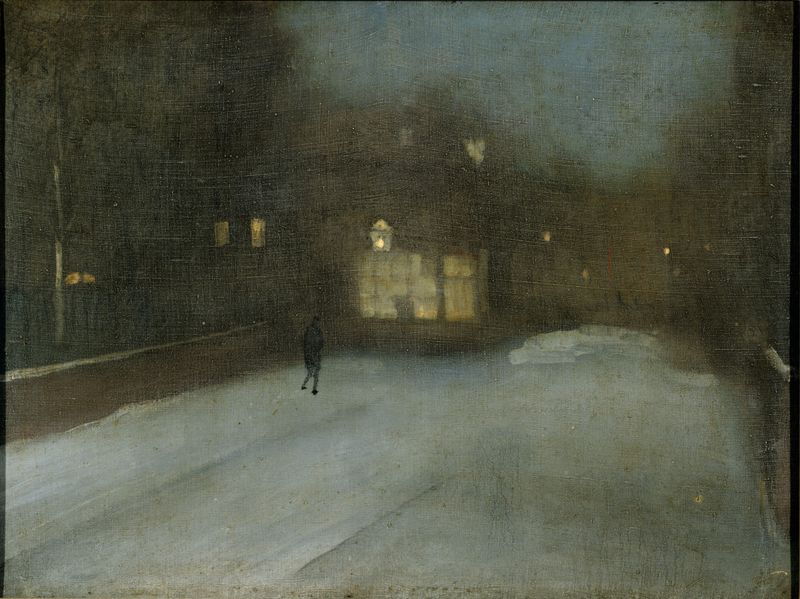
Nocturne in Grey and Gold: Chelsea Snow
James Abbott McNeill Whistler
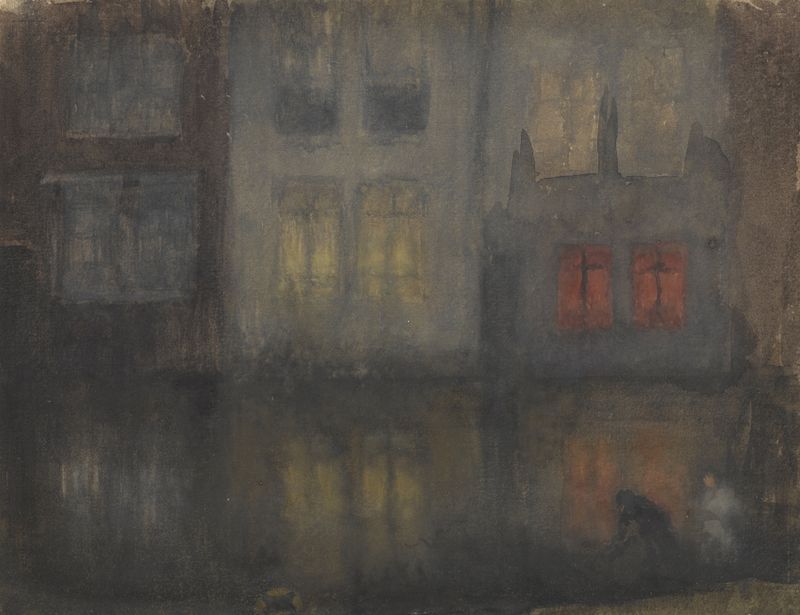
Nocturne: Black and Red—Back Canal, Holland
James Abbott McNeill Whistler
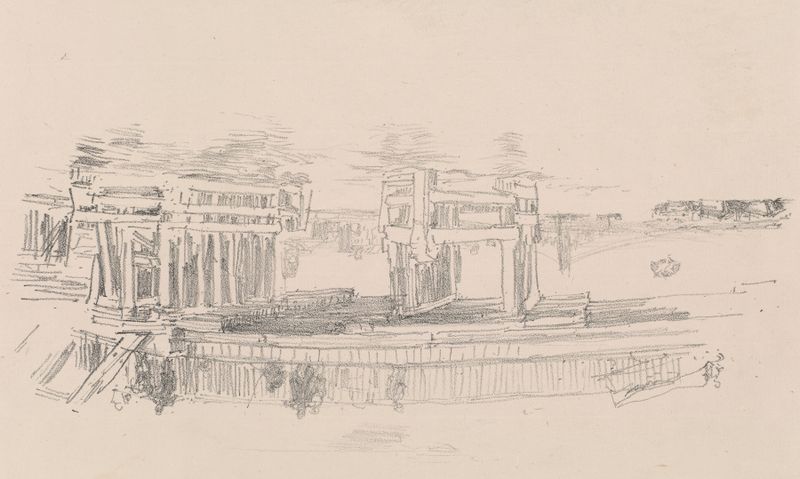
Old Battersea Bridge
James Abbott McNeill Whistler

Nocturne: Blue and Silver–Battersea Reach
James Abbott McNeill Whistler
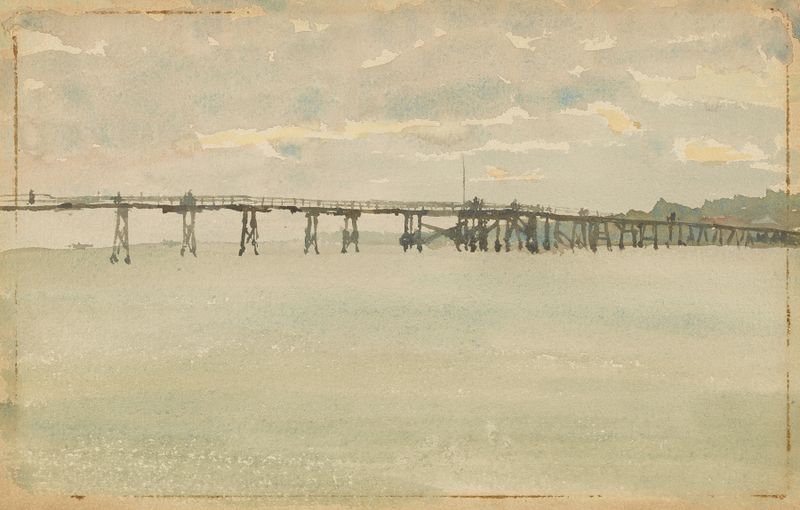
Grey and Silver–Pier, Southend
James Abbott McNeill Whistler




