Tôtes — History & Facts
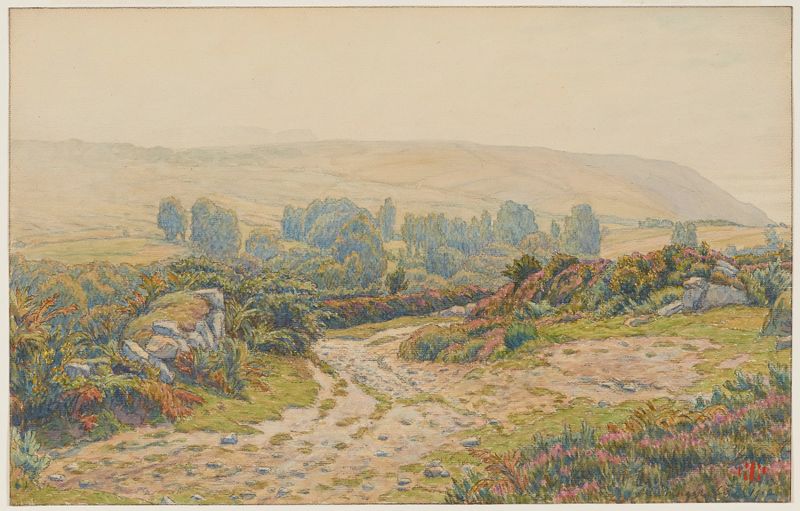
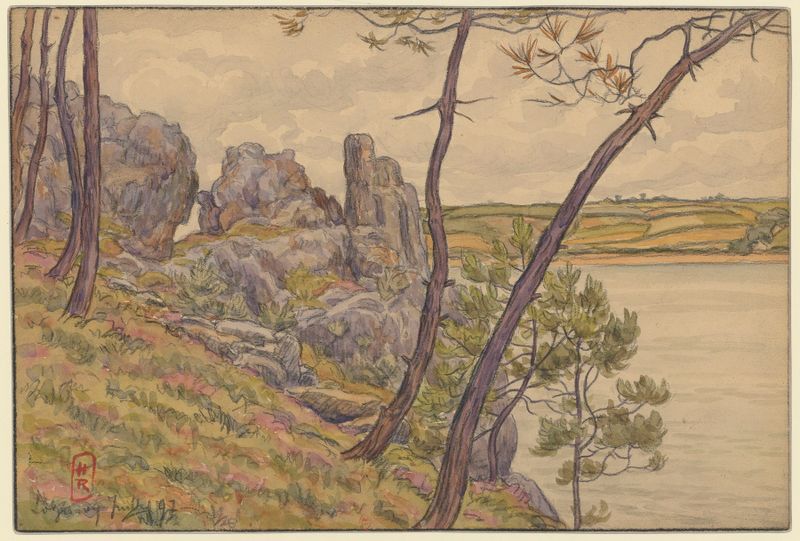
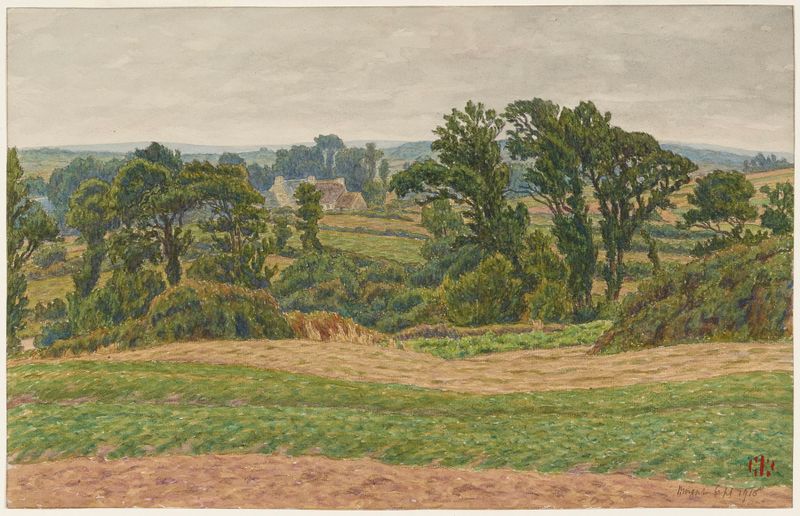
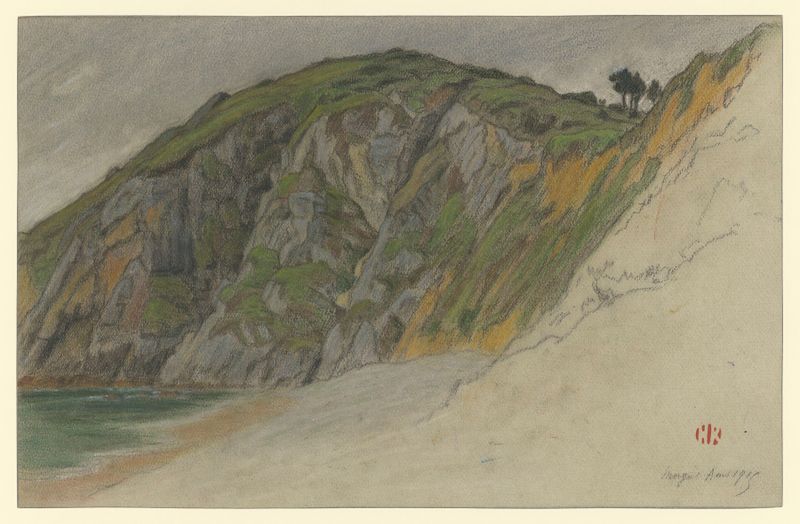
In the tumult of existence, the path to beauty often weaves through madness, where disarray and harmony collide. Look at the swirling blues and greens that dominate the canvas, pulling your gaze toward the tumultuous waters of Tôtes. The energetic strokes invite exploration, revealing the delicate interplay of land and sea, where vibrant hues dance with darker undertones. Notice how the light breaks through the brushstrokes, creating a shimmer on the surface, a fleeting moment captured within the chaos of nature. Beneath the surface, the painting evokes an emotional duality—the serenity of a landscape at once tranquil yet teeming with restless energy.
The sharp contrast between the calm hills and the tumultuous waves speaks to a deeper tension, mirroring the inner struggles that often accompany life’s most beautiful moments. Rivière’s use of color conveys not just the scene’s physical aspects but also a sense of tumultuous emotion, revealing the madness that lies beneath the surface beauty. Created in 1923, this work emerged during a period of significant personal and artistic exploration for the painter. Living in France, Rivière was influenced by the artistic movements of his time, including Impressionism and Post-Impressionism.
As he navigated his own complexities and the broader shifts in the art world, Tôtes encapsulates his quest to reconcile the chaos within himself and the world around him through the transformative power of paint.