
Täuffelen — History & Facts
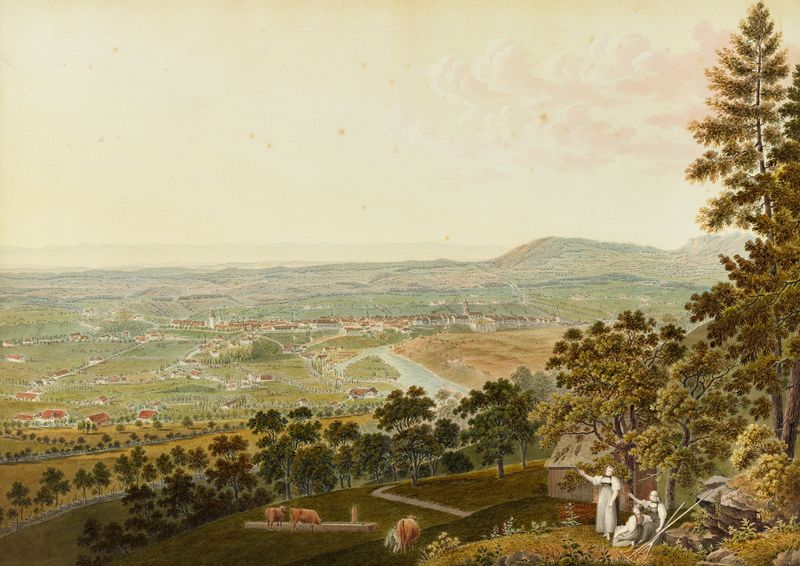
What if silence could speak through light? In the gentle embrace of twilight, the boundaries between dreams and reality blur, inviting viewers to step into a world as transient as a whisper. Look to the center, where a soft glow emanates, illuminating the delicate brushstrokes that weave an ethereal landscape. The colors are muted yet rich, with a palette of blues and soft pinks that evoke serenity and introspection. Notice how the light falls upon the horizon, casting elongated shadows that dance like fleeting memories, while the gentle curves of the hills suggest a secretive conversation between nature and the observer.
Each stroke is intentional, a careful choreography of hues that guides your eyes from one element to the next. Beneath this dream-like façade lies a deeper discourse on solitude and contemplation. The absence of defined figures heightens the sense of quietude, allowing viewers to project their own narratives into the scene. The juxtaposition of shadow and light signifies the tension between clarity and obscurity, suggesting emotions that are often unspoken yet profoundly felt.
This interplay creates an atmosphere where the viewer is invited to pause, linger, and reflect on their own inner landscapes. Jakob Samuel Weibel painted Täuffelen during a period of artistic exploration in the late 19th century. Living in Switzerland, he was influenced by the growing interest in Impressionism and the symbolic use of color and light to convey mood. At this time, the art world was shifting, embracing new techniques that broke away from traditional representations, and Weibel found himself at the forefront of this transformative era.
More Artworks by Jakob Samuel Weibel
Browse all →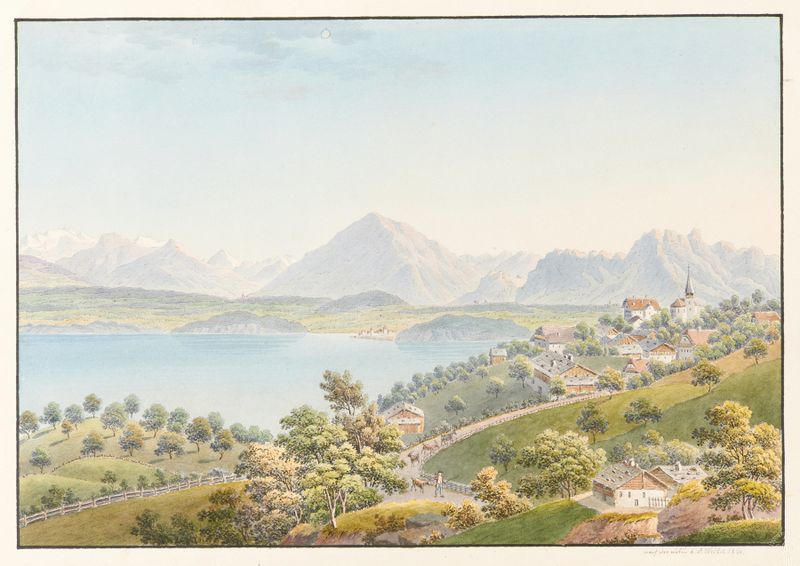
Vue dessiné depuis le Village de Sigriswil, audessus du Lac de Thoune
Jakob Samuel Weibel
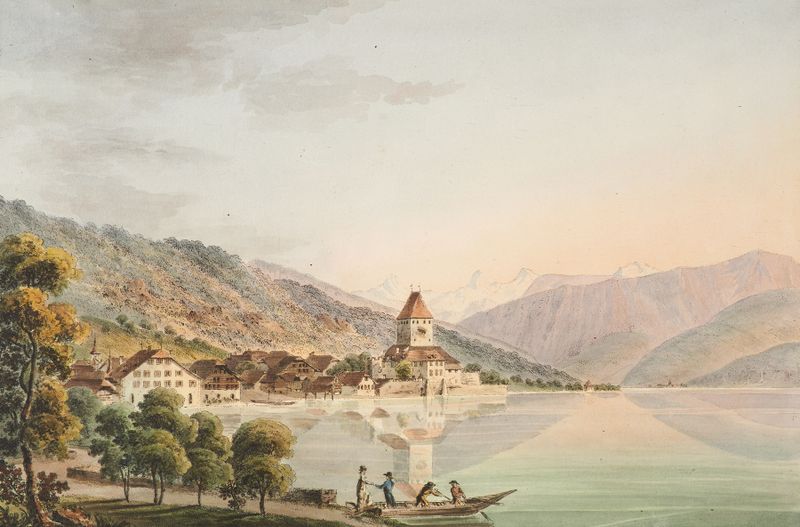
Vûe du Chateau d’Oberhofen au Lac de Thoune
Jakob Samuel Weibel
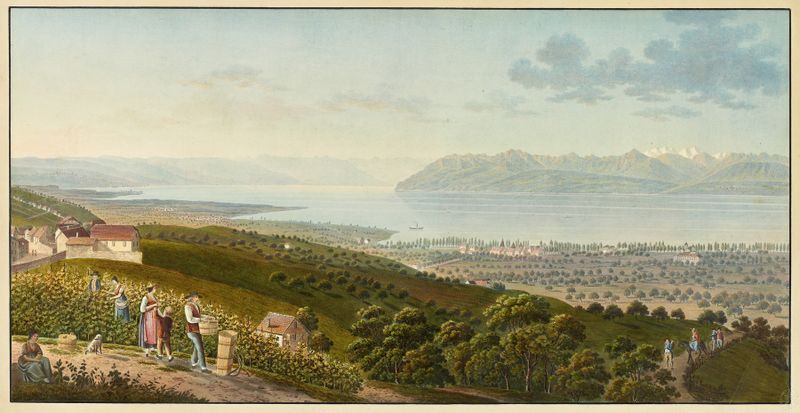
Vue genérale du Lac de Geneve
Jakob Samuel Weibel
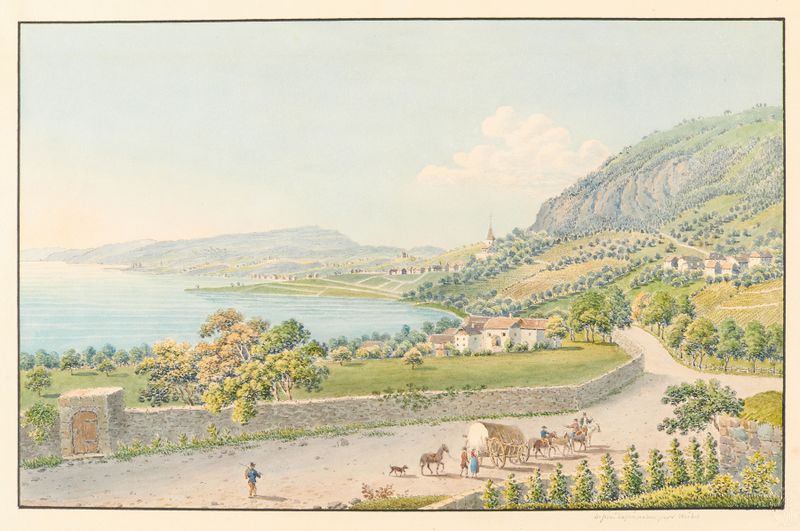
Vue des environs de Montreux et de Clarens
Jakob Samuel Weibel
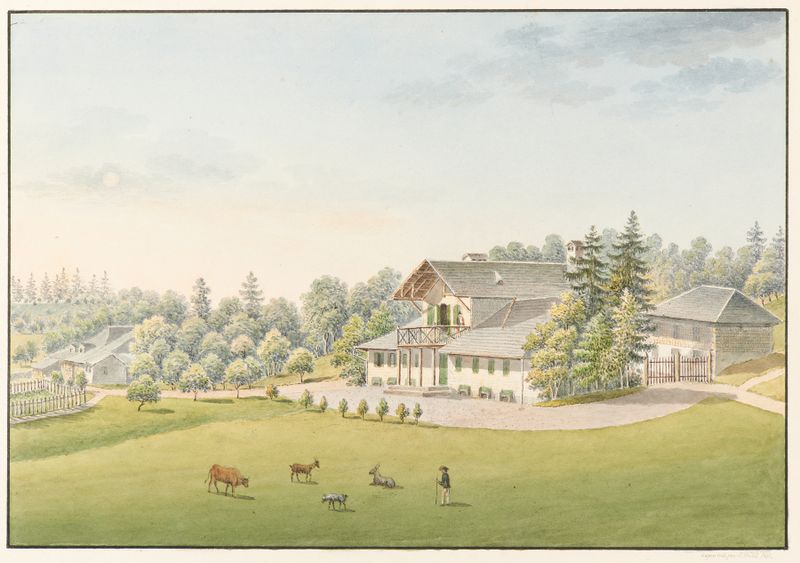
Vue du nouveau Châlet de Vernand
Jakob Samuel Weibel
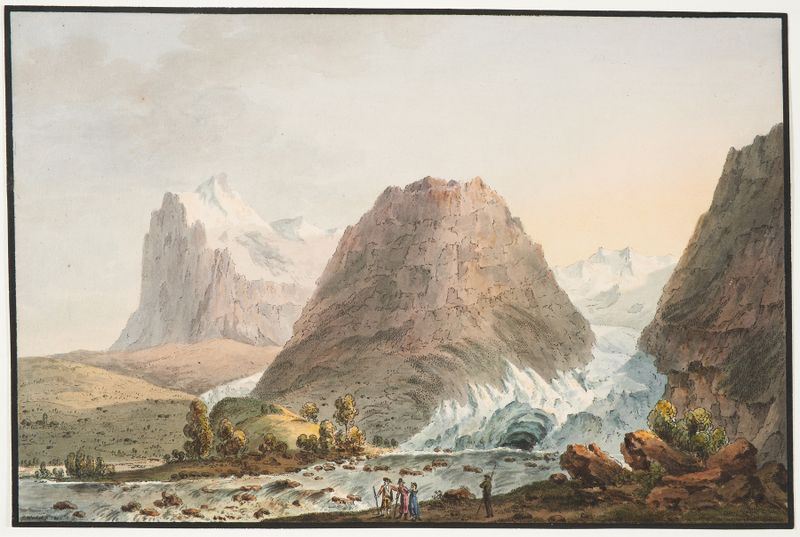
Vûe des Glacieres de Grindelwald
Jakob Samuel Weibel
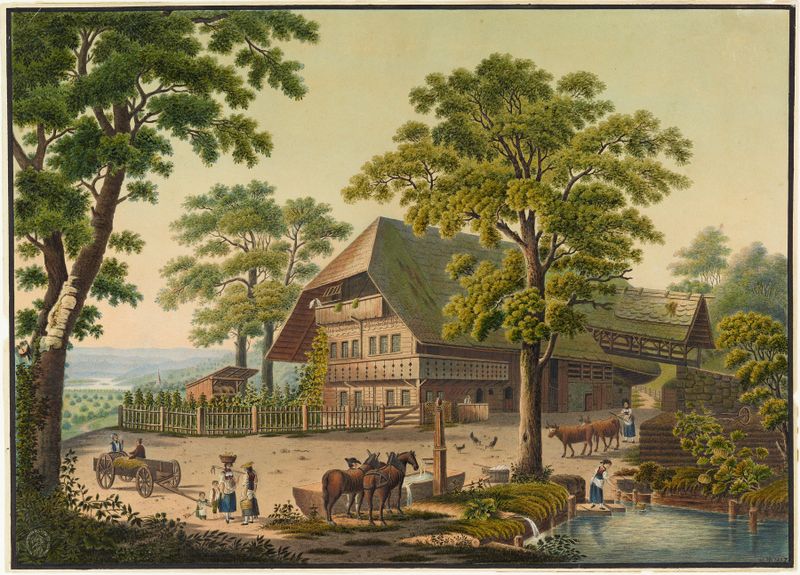
Maison de paysan près Wichtrach
Jakob Samuel Weibel
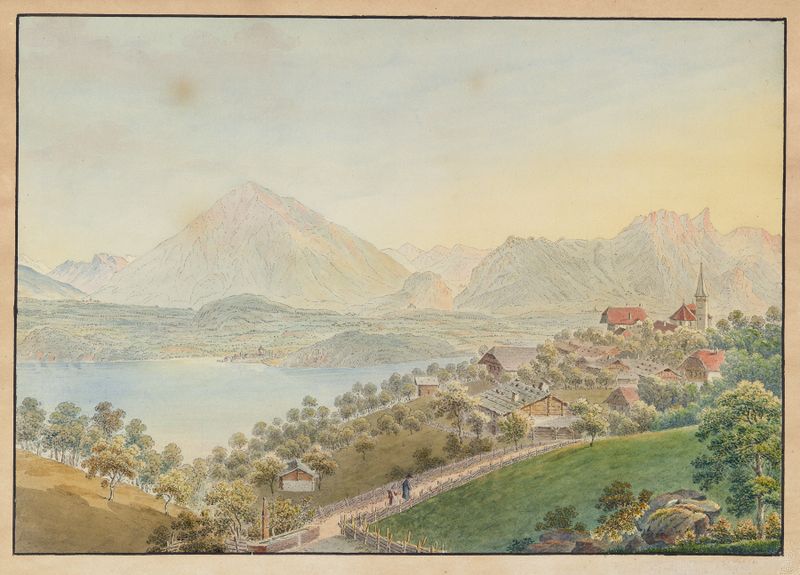
Ansicht von Sigriswil mit Niesen und Thunersee
Jakob Samuel Weibel
Ansicht Berns und der Aare vom Gurten aus
Jakob Samuel Weibel

Lausanne Ville capitale du Canton de Vaud
Jakob Samuel Weibel





