
Turkish Encampment — History & Facts
In the stillness of the canvas, the past beckons, inviting us to step into a world where nostalgia weaves its delicate threads through time. Look to the center of the painting, where vibrant tents unfurl under a vast azure sky, their colors rich and inviting. Notice how the sunlight caresses the fabric, casting shadows that dance upon the ground. The figures, clad in traditional garb, are engaged in daily tasks — some preparing food, others conversing animatedly, their gestures alive with energy.
The meticulous attention to detail in the brushwork reveals not just a scene, but a moment frozen in time, echoing the everyday lives of a people rich in culture. Beneath the surface, contrasts emerge: the serene beauty of the encampment juxtaposed with the subtle tension of transient existence. The tents symbolize both home and impermanence, a reminder of the constant movement of life. The expressions on the figures' faces hint at longing and camaraderie, capturing the bittersweet essence of belonging to a place that is both familiar and fleeting.
Each element invites contemplation on the balance between permanence and change, a universal theme that resonates through generations. Luigi Mayer painted this piece in 1810 while traveling in the Ottoman Empire, capturing the essence of Turkish life amidst a time of cultural exchange in Europe. Living in a period marked by fascination with the East, he was inspired by the vibrant landscapes and diverse peoples he encountered. This work reflects not only his artistic journey but also the broader narratives of exploration and connection that defined that era in art history.
More Artworks by Luigi Mayer
Browse all →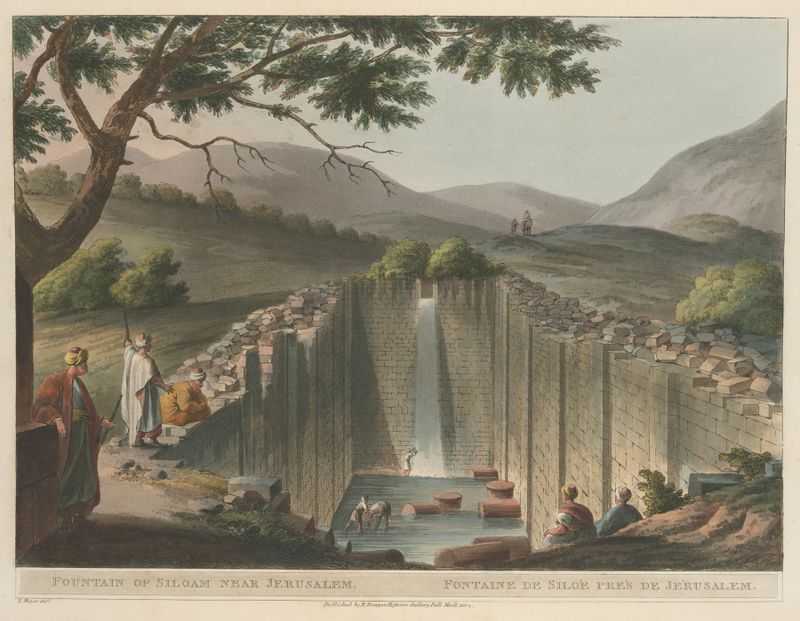
Fountain of Siloam Near Jerusalem
Luigi Mayer

View of the Dardanelles
Luigi Mayer
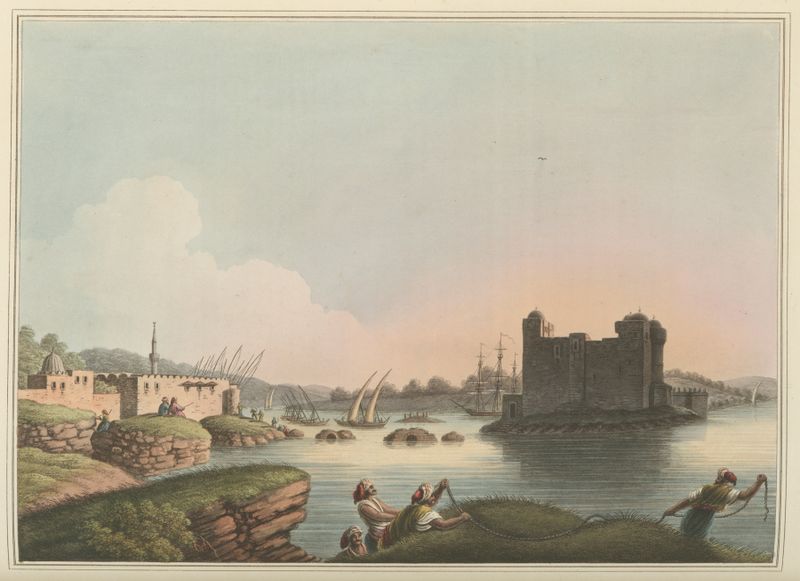
Port of Latachia
Luigi Mayer

Stadium at Ephesus
Luigi Mayer

Ancient Temples at Agrigentum
Luigi Mayer
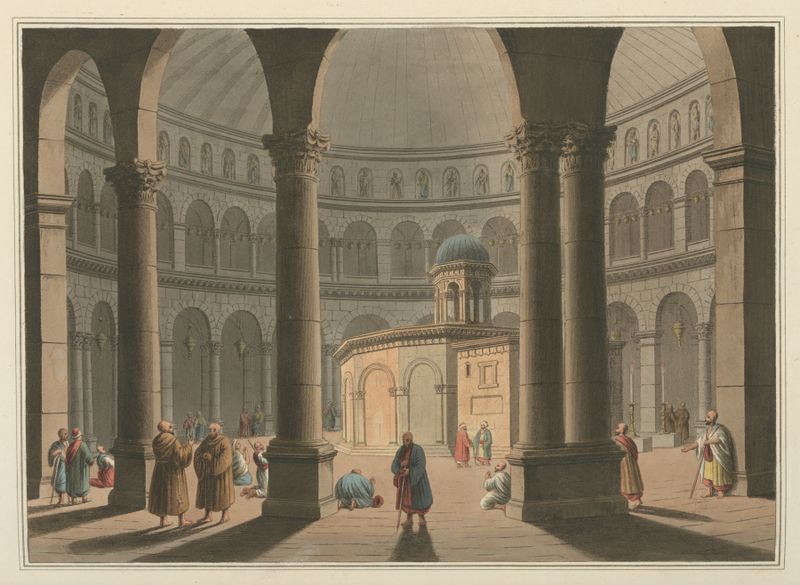
Church of the Holy Sepulchre
Luigi Mayer
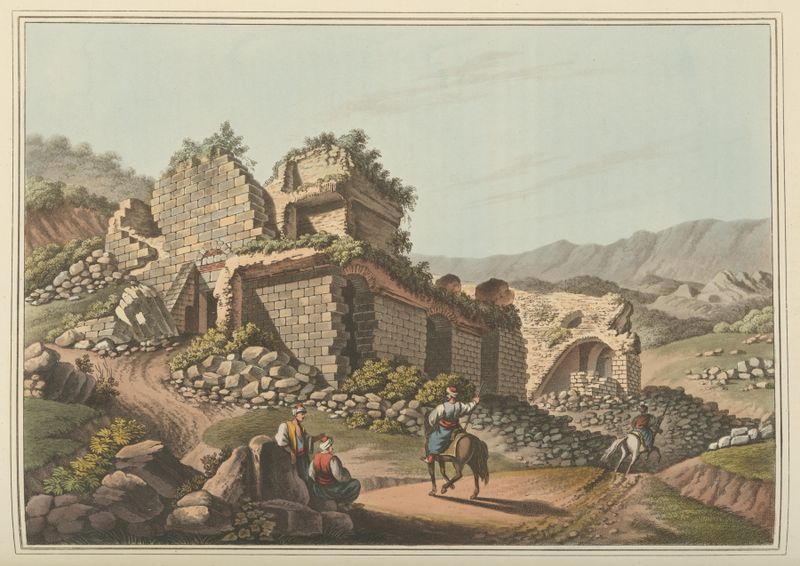
Theatre at Ephesus
Luigi Mayer
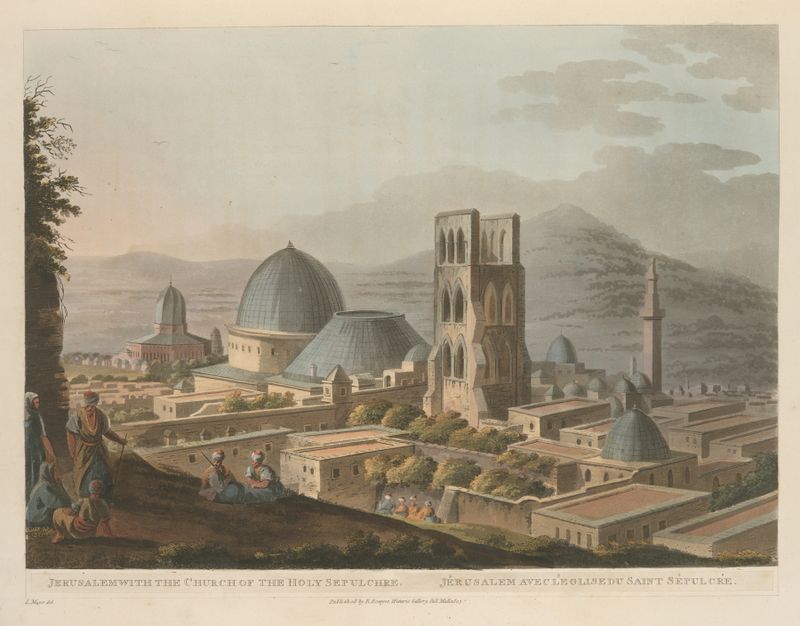
Jerusalem with the Church of the Holy Sepulchre
Luigi Mayer
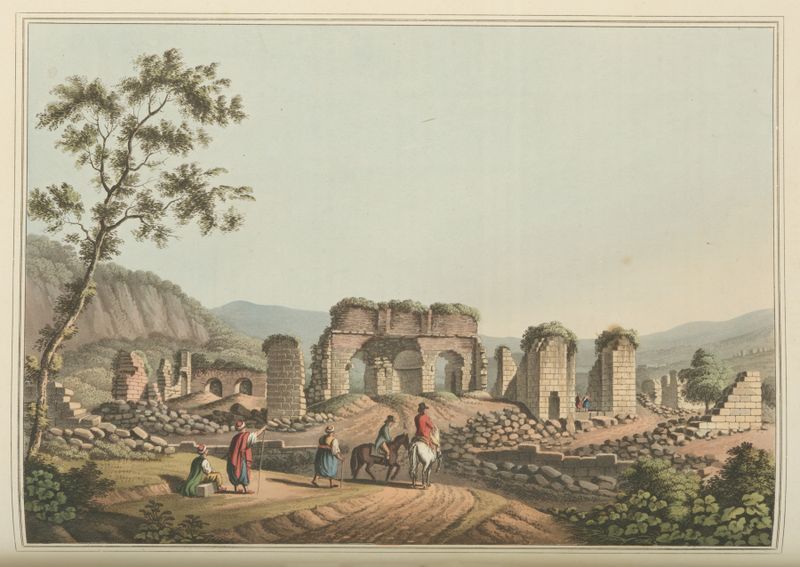
Ruins of the Temple of Diana at Ephesus
Luigi Mayer

Crater in the Island of Volcano
Luigi Mayer





