Twee bogen, vier pijlkokers en een speer — History & Facts
In a world where decay intertwines with beauty, the remnants of life whisper stories of what once was, framing the essence of existence within lost moments. Focus on the delicate interplay of shadows and light that Hollar expertly captures. The central bows, arching gracefully, draw your eye first, their wood grain etched with time, while the four arrow quivers stand sentinel, hinting at past pursuits. Notice how the muted palette—earthy browns and soft greys—speaks to an autumnal stillness, as if nature itself holds its breath, cradling memories of vibrant life that have withered away. The juxtaposition of the ornamental bows and the stark emptiness of the quivers evokes a powerful tension.
Each element seems to sigh under the weight of nostalgia—symbols of adventure now rendered inert. The careful detailing invites contemplation of mortality and the passage of time, suggesting that within the beauty of the crafted, there lies an inevitable decay. This interplay reveals an emotional landscape, rich with unspoken stories of struggle and longing. In the years 1646 to 1647, Hollar was deeply engaged in the artistic community of London, having fled Europe’s turmoil during the Thirty Years' War.
Influenced by the burgeoning naturalism of the time and the need to document the world around him, he created this piece as part of a series capturing the stillness of life and nature. The political and personal upheavals of his life sharpened his focus on the fleeting beauty of existence, and Twee bogen, vier pijlkokers en een speer stands as a testament to that poignant reflection.
More Artworks by Wenceslaus Hollar
Browse all →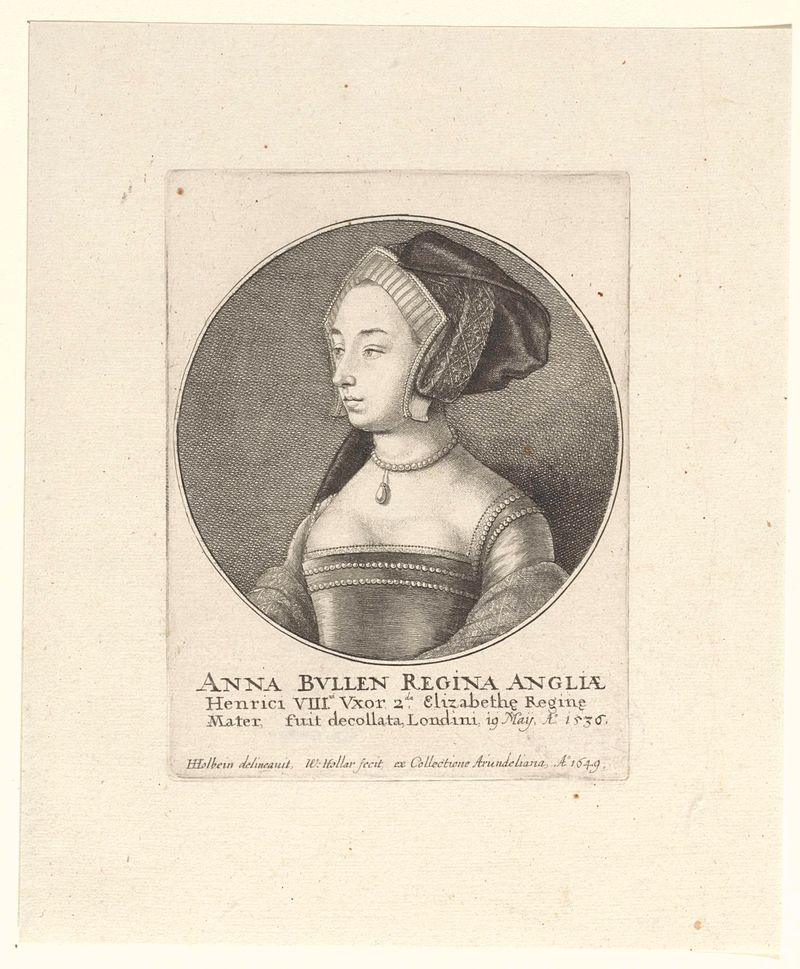
Portret van Anna Boleyn, koningin van Engeland
Wenceslaus Hollar
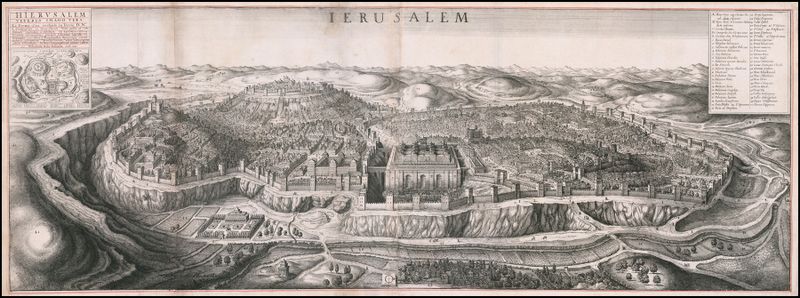
Bird’s eye view of Jerusalem
Wenceslaus Hollar
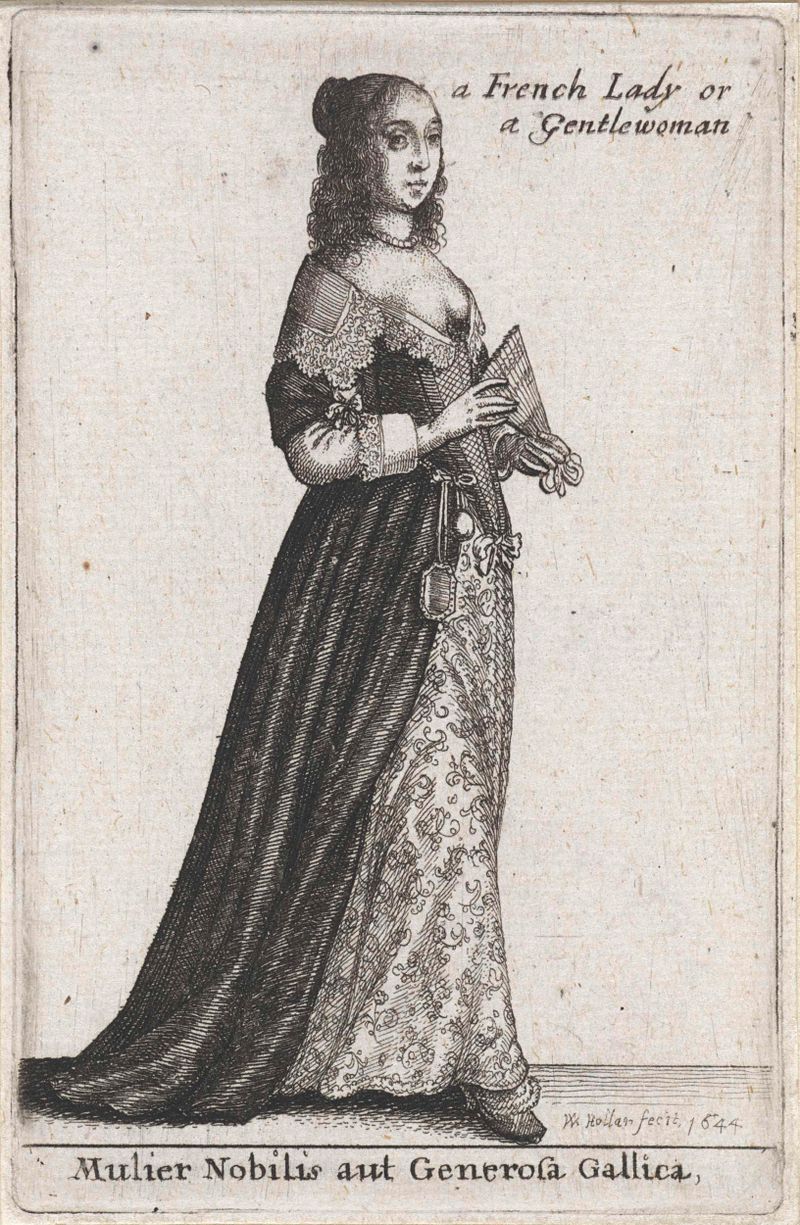
Mulier Nobilis aut Generosa Gallica / a French Lady or Gentlewoman
Wenceslaus Hollar
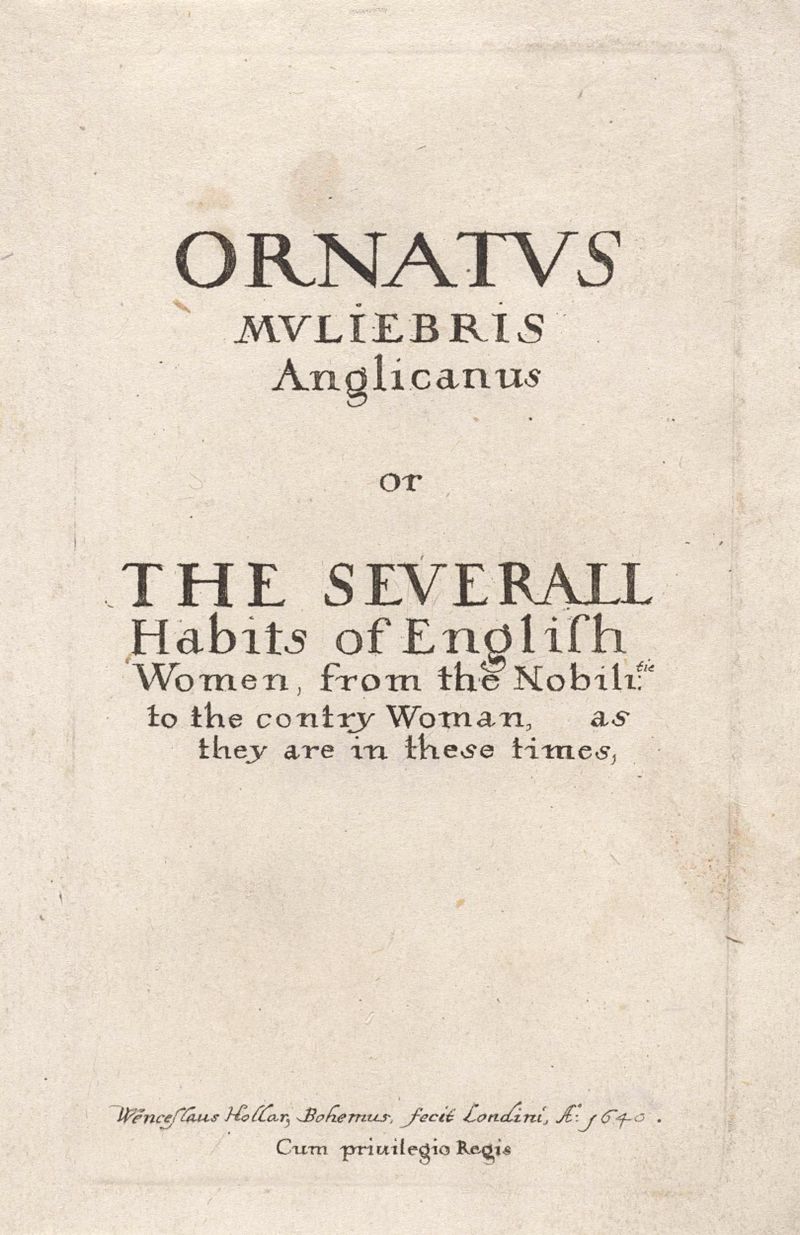
Titelprent voor: Ornatus Muliebris Anglicanus
Wenceslaus Hollar
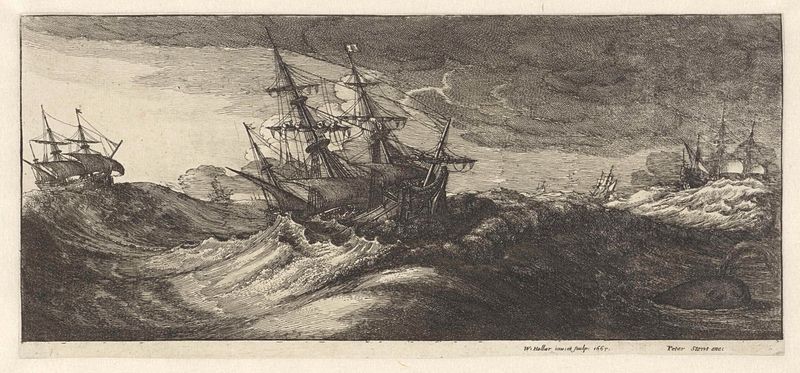
Oorlogsschepen en een walvis in een zeestorm
Wenceslaus Hollar
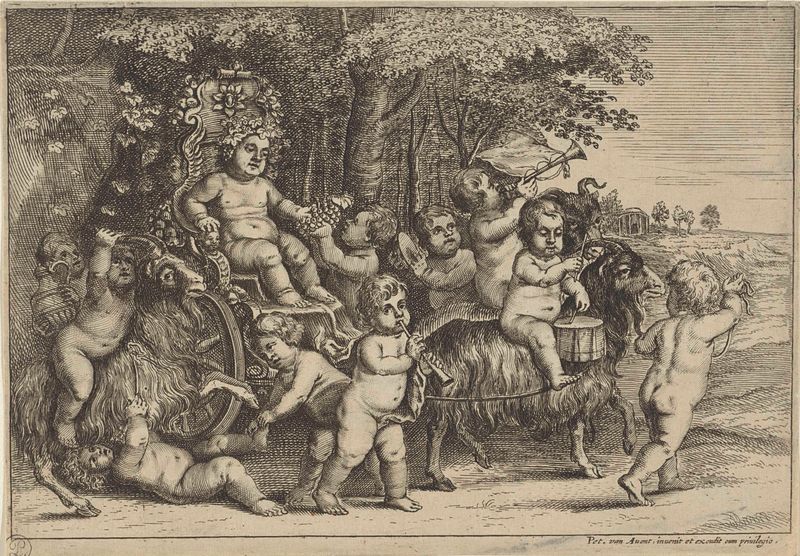
Optocht van bacchant en jongetjes op geiten
Wenceslaus Hollar
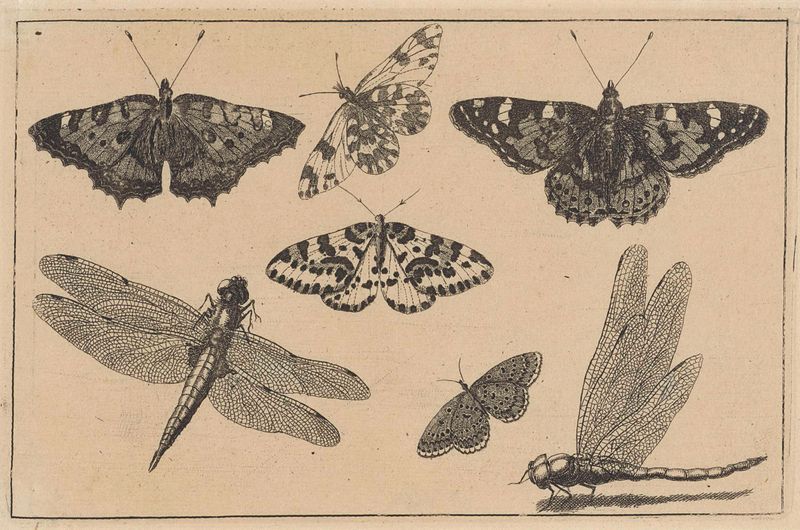
Twee libellen en vijf vlinders
Wenceslaus Hollar
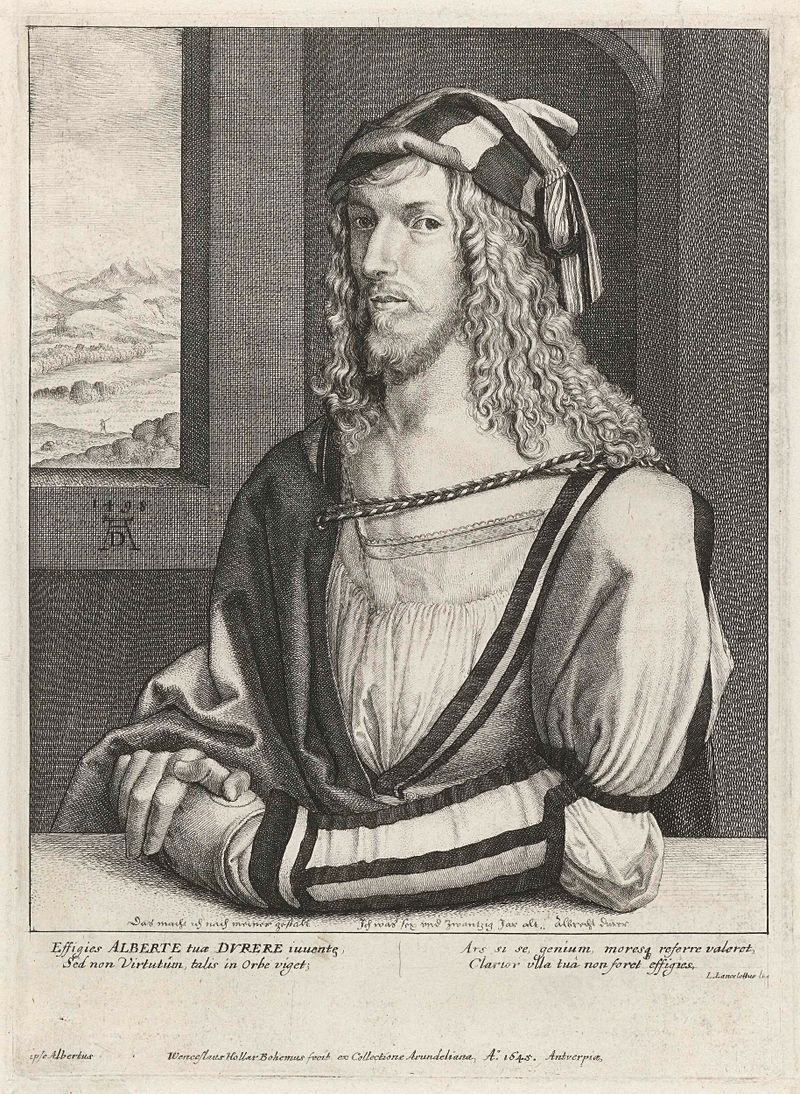
Portret van Albrecht Dürer
Wenceslaus Hollar
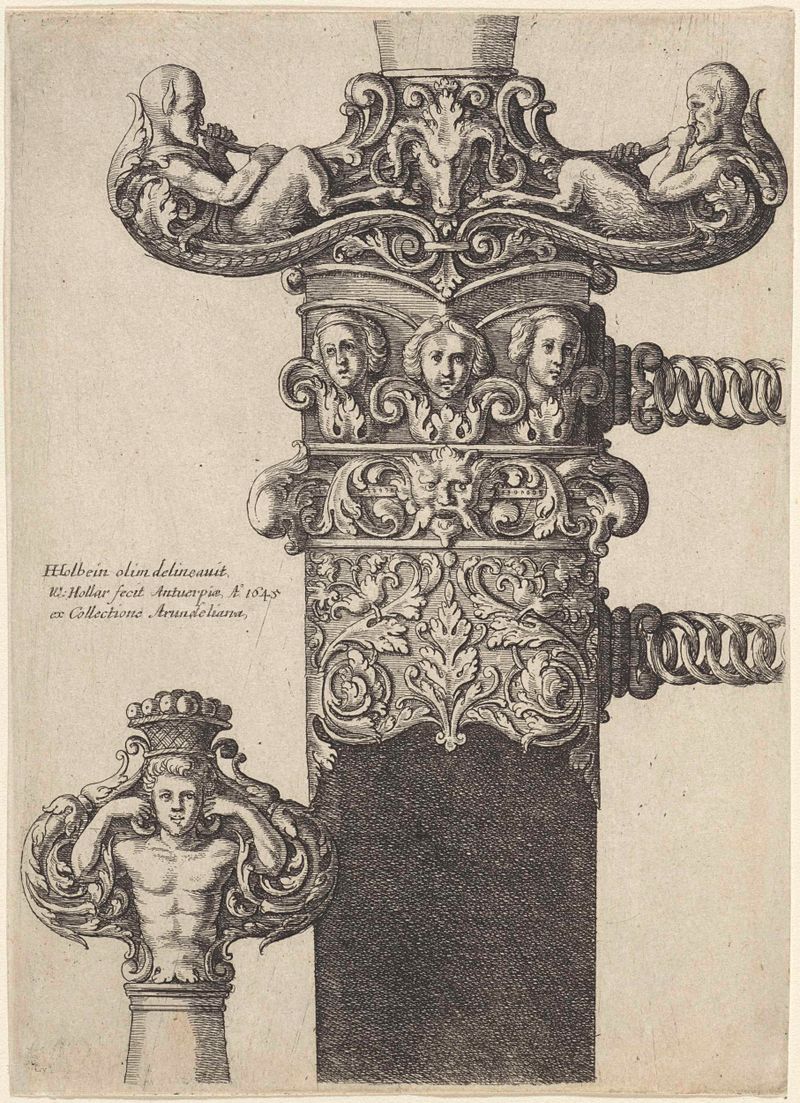
Ornamenteel ontwerp voor een dolk
Wenceslaus Hollar
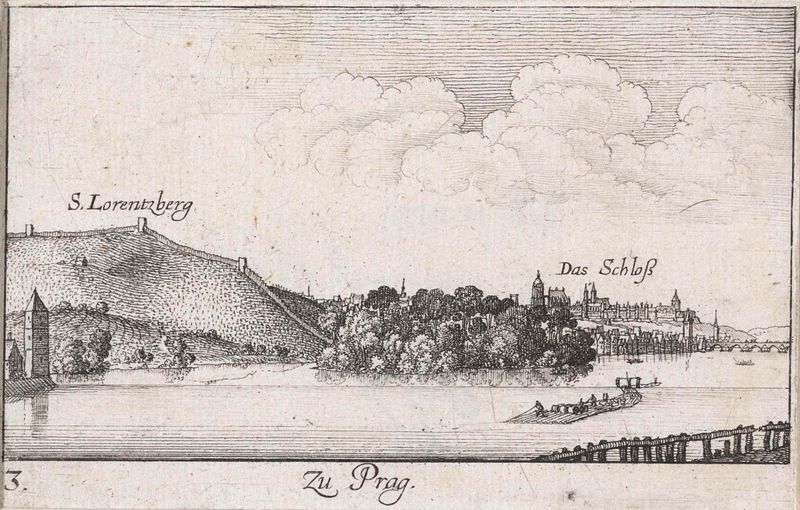
Gezicht op Praag vanaf de Moldau
Wenceslaus Hollar