Twee koeien en een schaap — History & Analysis
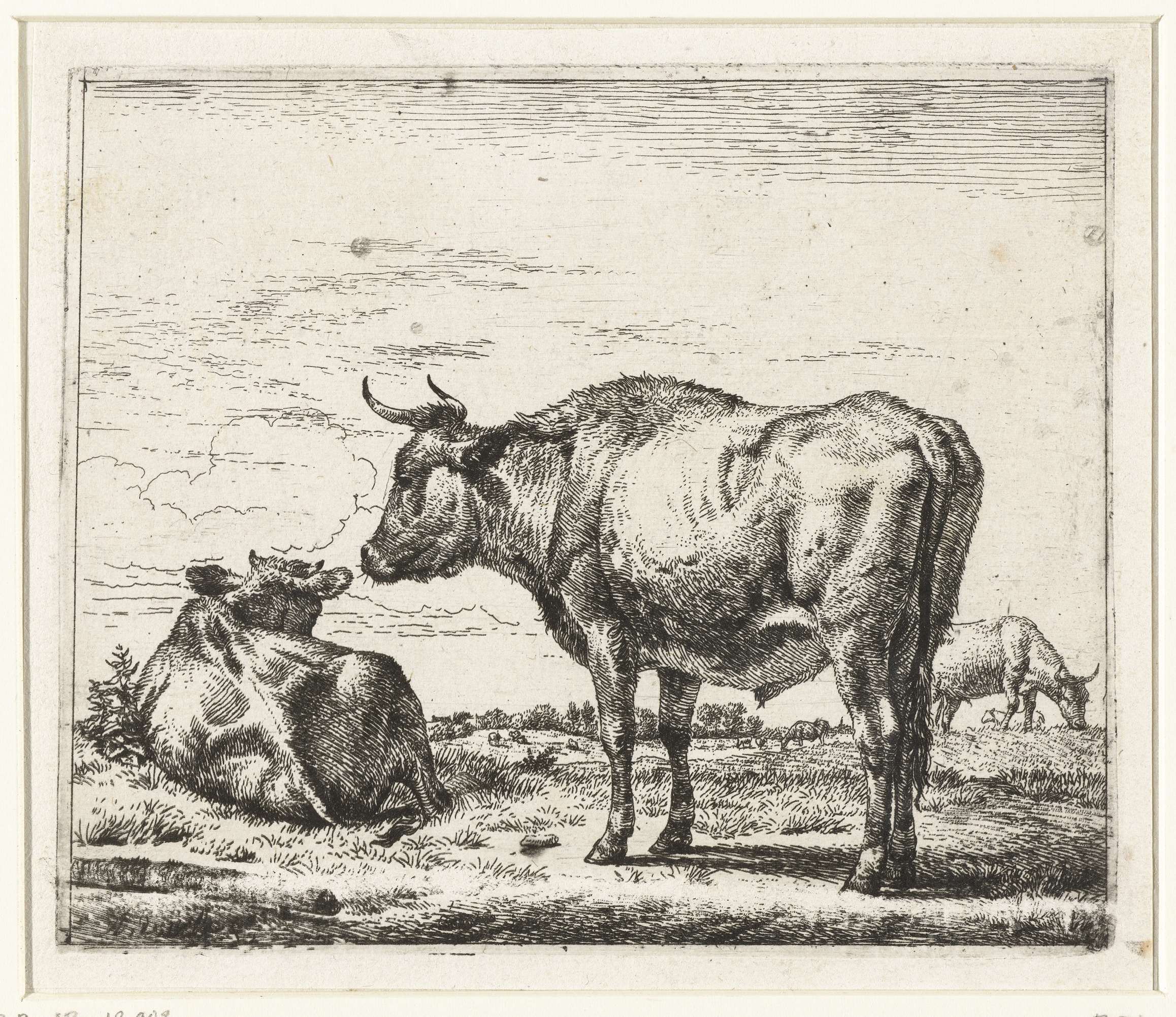
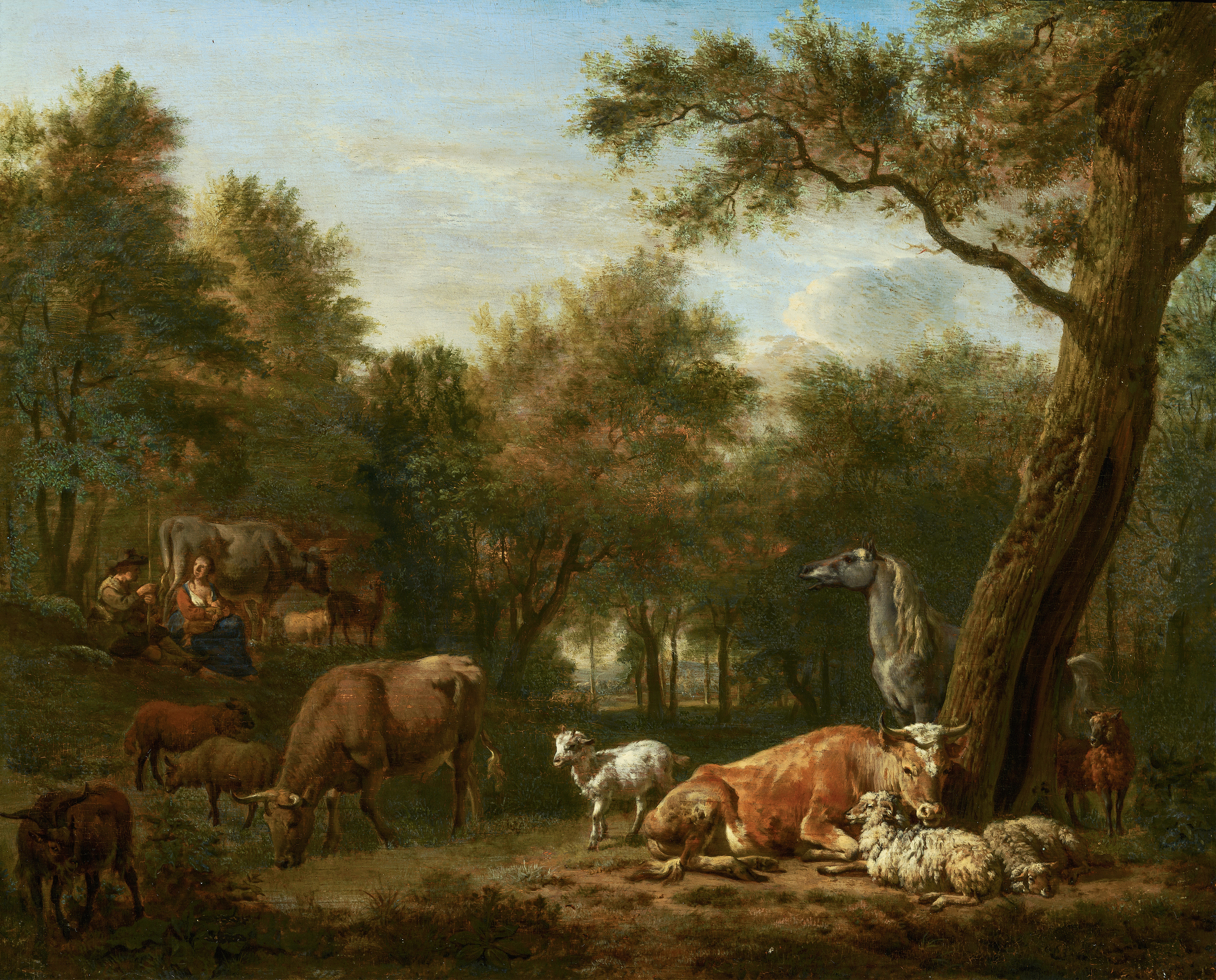
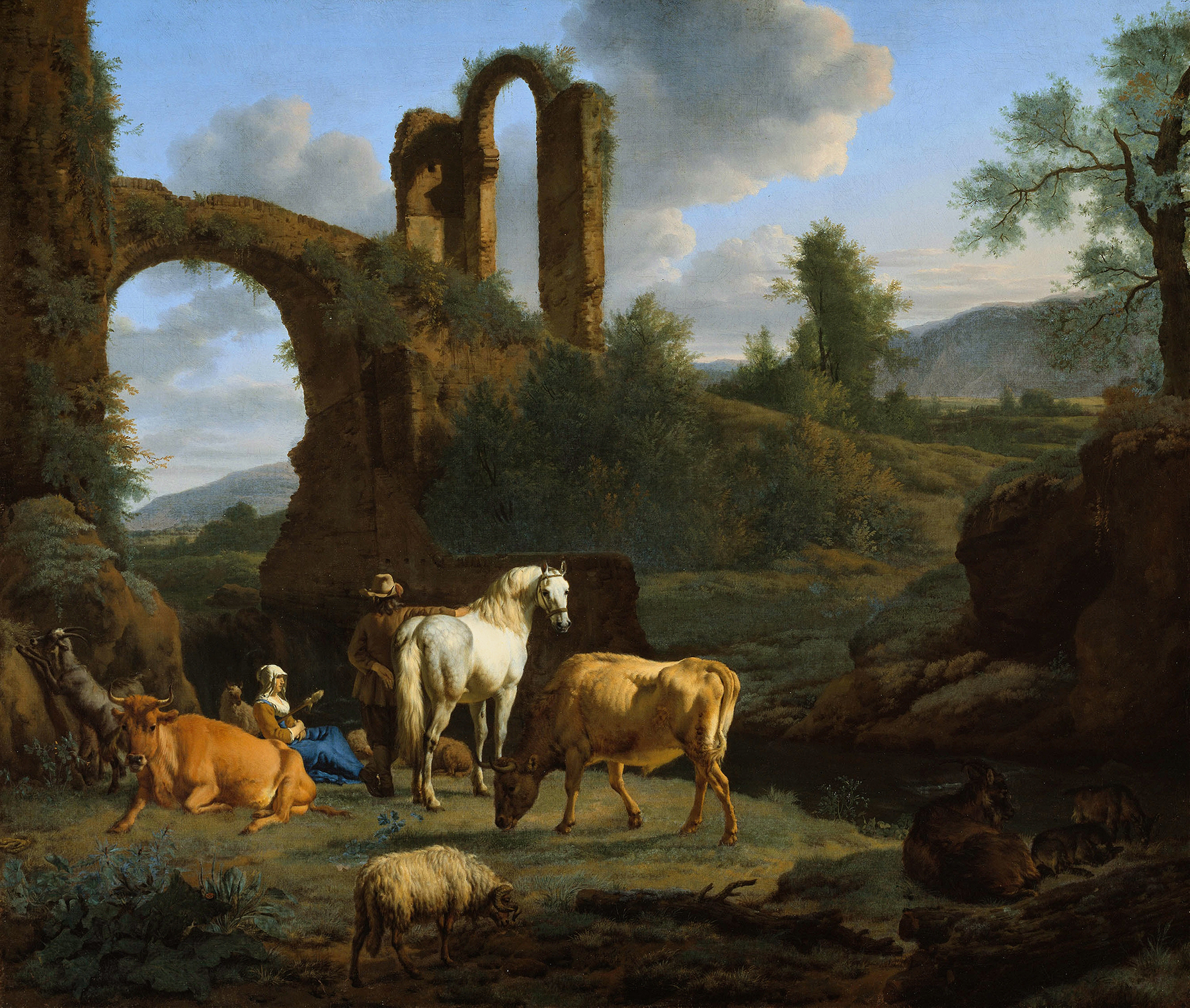
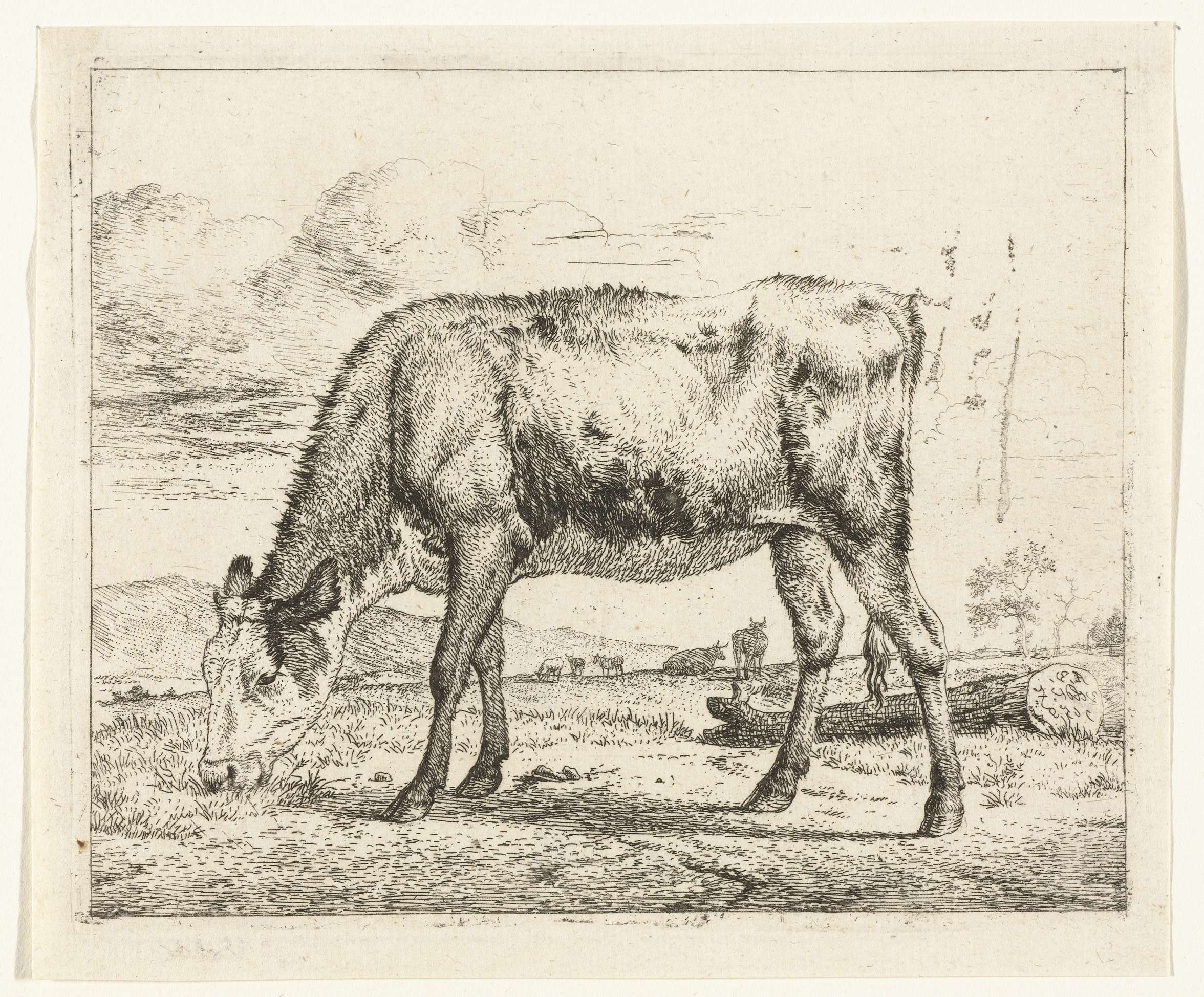
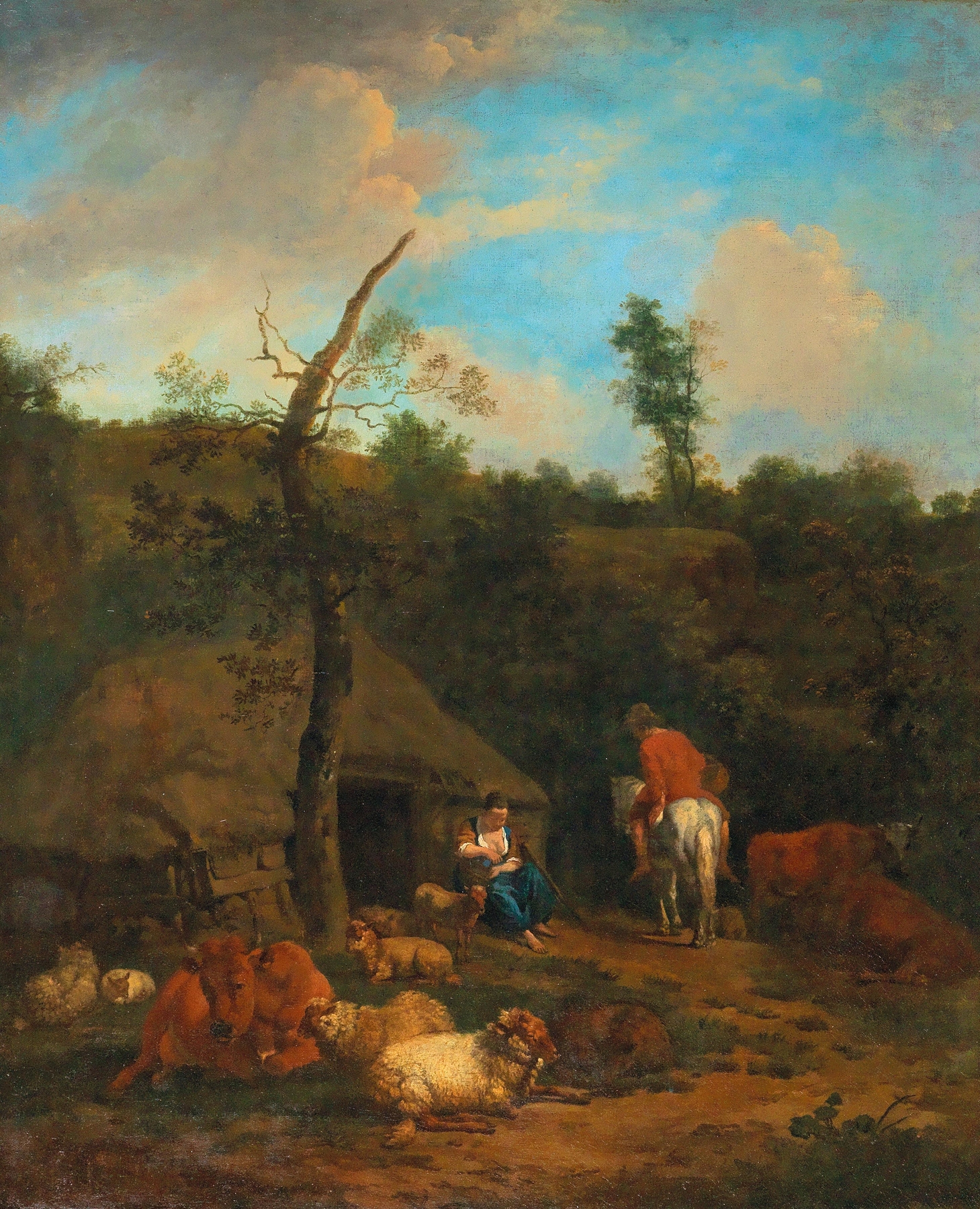
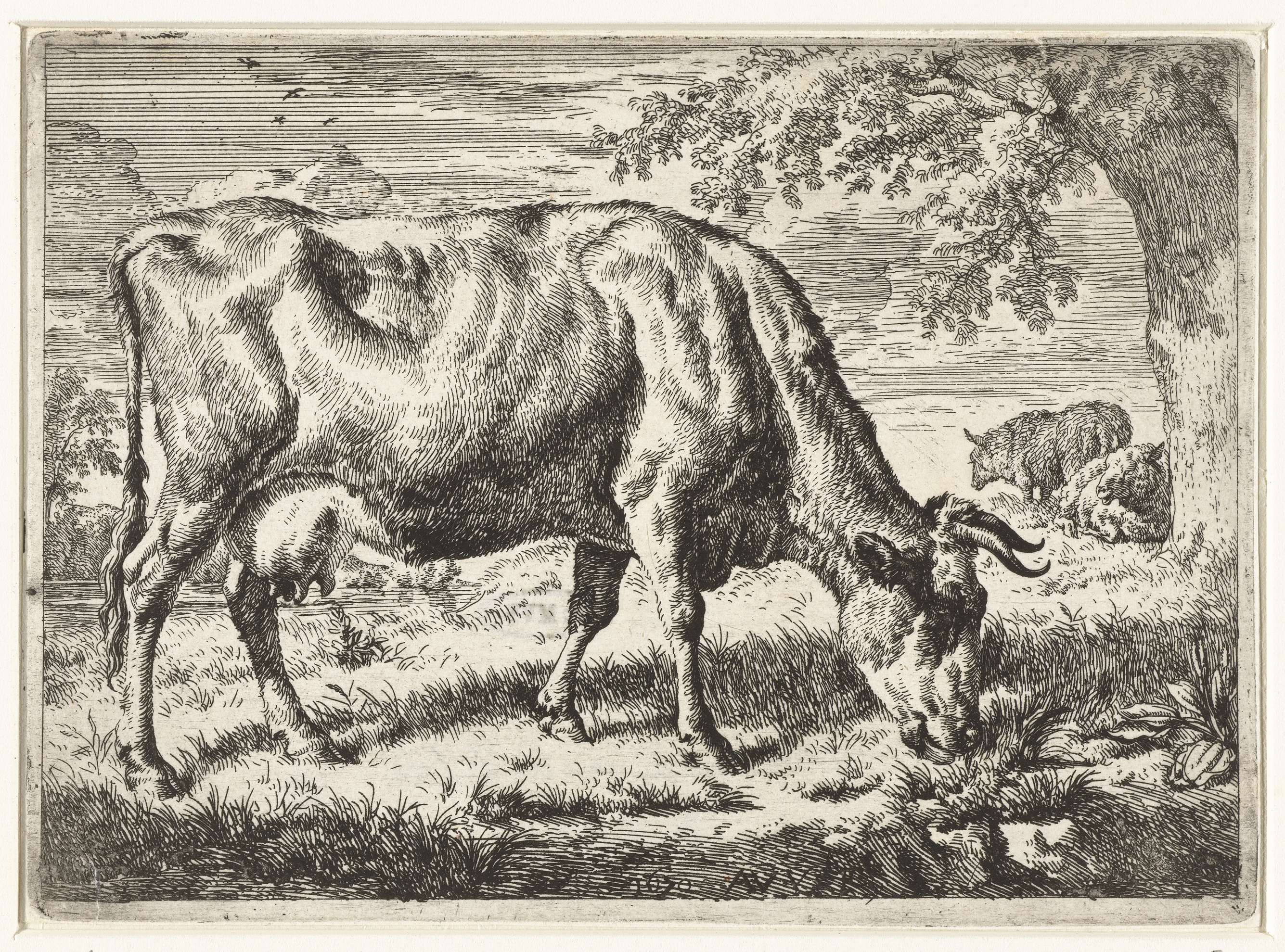
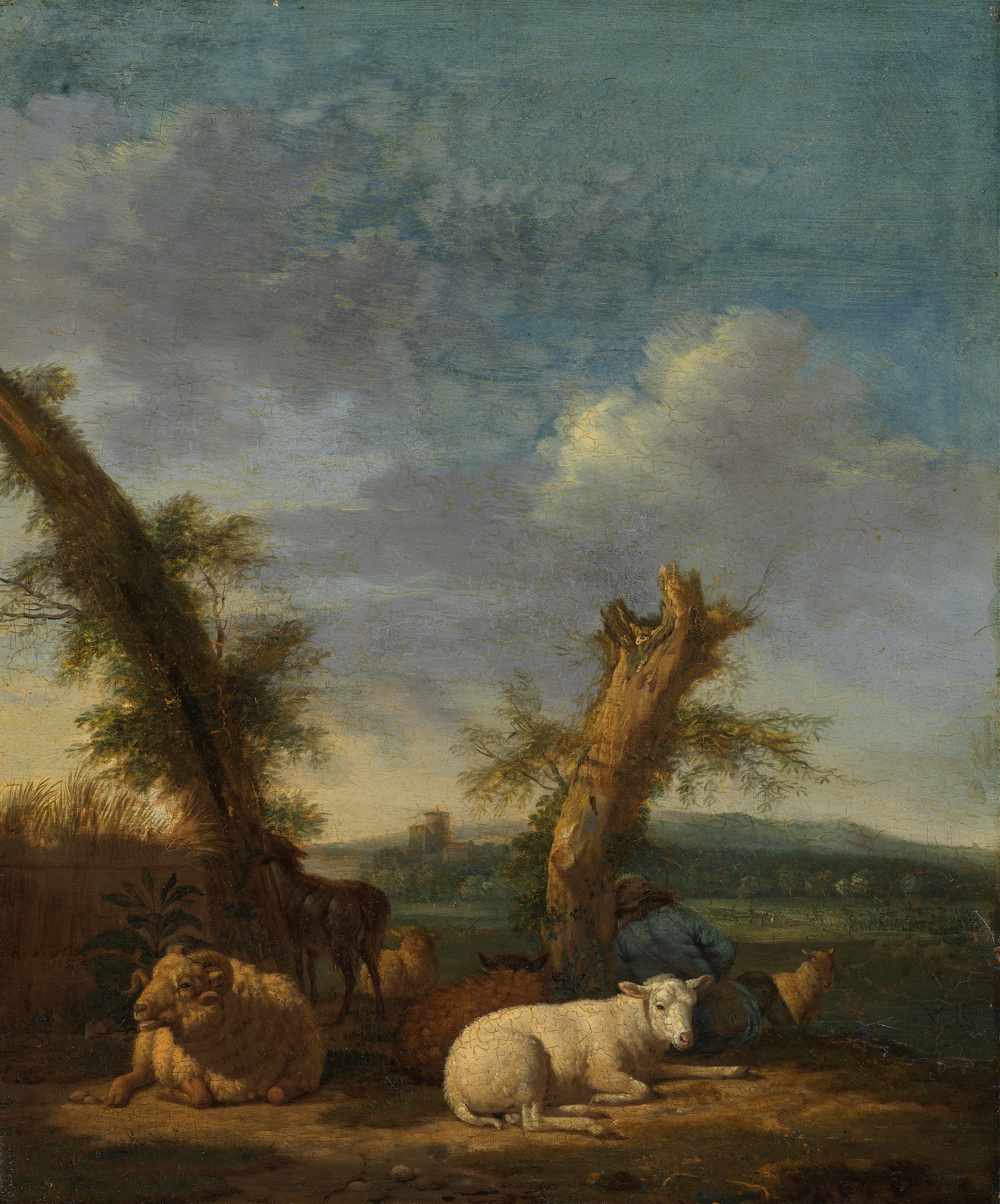
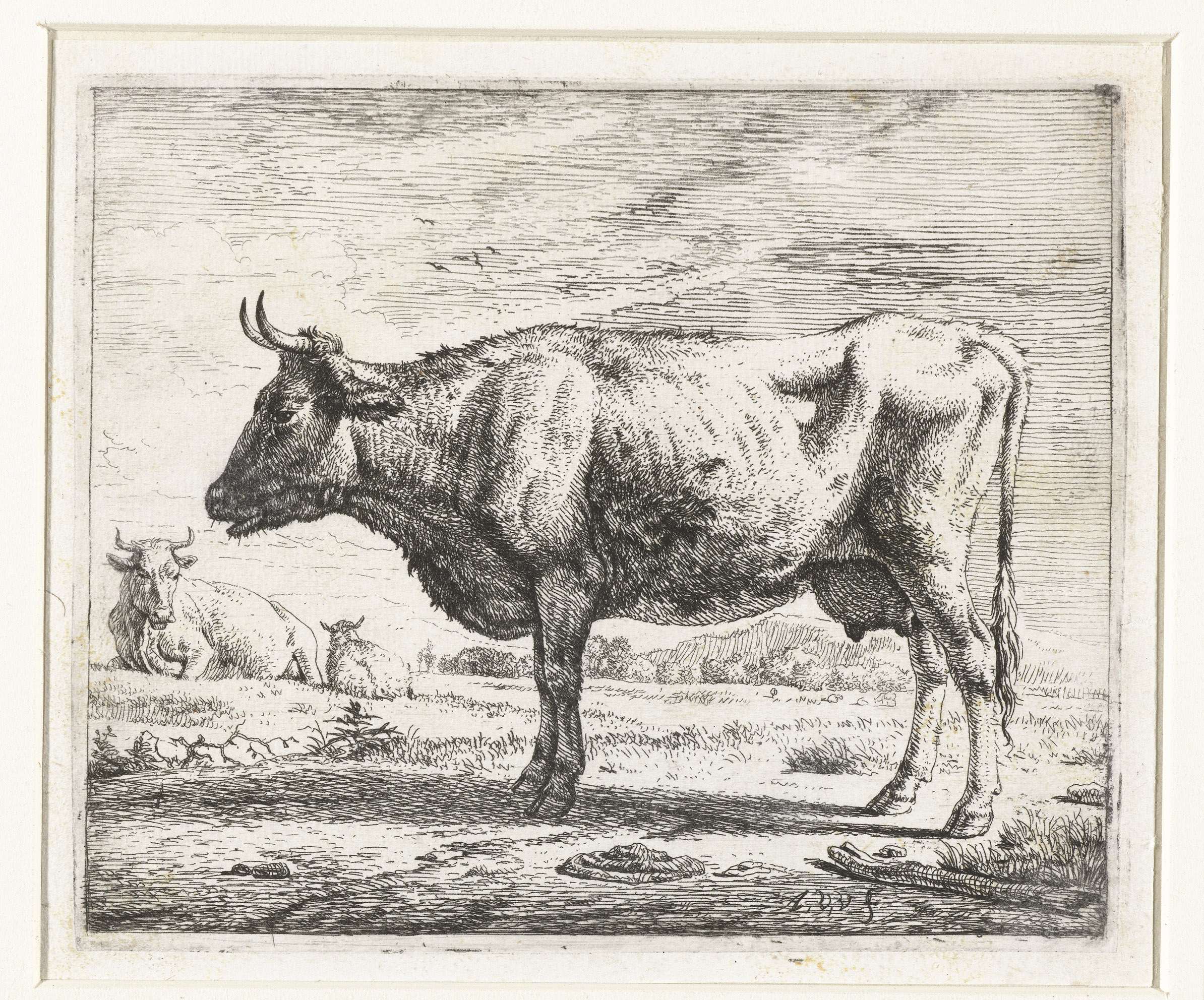
Could a single brushstroke hold eternity? In Twee koeien en een schaap, Adriaen van de Velde captures a fleeting moment, inviting us to contemplate the delicate balance of hope and simplicity amidst the everyday. Look closely at the serene pastoral scene; your gaze should first settle upon the two cows grazing peacefully on the lush green grass. The artist’s deft application of rich, earthy browns and vibrant greens creates a sense of depth and tranquility. Notice how the light dances across the cows’ glossy coats, illuminating their forms while casting gentle shadows that ground them in their tranquil surroundings.
The subtle interplay of light and shadow reveals not only the physicality of the subjects but also the emotional resonance of their serene existence. Beyond the picturesque, a deeper narrative unfolds. The lone sheep, seemingly aloof, symbolizes solitude and introspection amidst the harmony of the herd, suggesting a contrast between community and individuality. The soft brushwork conveys a gentle tenderness, evoking a sense of hope in the mundane.
Each element serves as a reminder that beauty can be found in simplicity, and that within these ordinary moments lies the potential for profound reflection. In the late 1650s, Van de Velde painted this work during a period marked by artistic flourishing in the Netherlands. At this time, he was immersed in capturing the essence of Dutch landscapes and rural life while navigating personal challenges. The world around him was changing rapidly, but his focus remained on the intimate relationship between humanity and nature, allowing his art to resonate with themes of hope and continuity.