
Twee mannen met vijf koeien — History & Facts
Where does light end, and longing begin? In the quiet world of Twee mannen met vijf koeien, a haunting stillness envelops the viewer, inviting contemplation of fleeting moments and the passage of time. Focus on the men in the foreground, standing resolute beside their five cows. Their posture suggests a blend of pride and weariness, captured in the muted earth tones that dominate the palette. Notice how gentle strokes define the animals, their forms almost blending into the landscape, while a soft glow illuminates the men’s faces, revealing the nuances of their expressions, a reflection of enduring toil.
The interplay of light and shadow creates a delicate tension, anchoring the viewer’s gaze amidst the pastoral serenity. Yet, beneath this tranquil surface lies a poignant narrative of decay and loss. The way the cows graze wearily reflects the exhaustion of rural life, while the fading vibrancy of the landscape suggests an inevitable decline. The men’s distant stares evoke a profound yearning, hinting at dreams deferred and the weight of tradition.
Each detail—the cracked earth, the drooping heads of the cows—whispers of resilience in the face of adversity. This artwork emerged between 1470 and 1490, a time when rural life was both a source of sustenance and struggle in Europe. Created by an unknown artist, it captures the essence of a society grappling with change as urbanization began to rise. The painting serves not only as a testament to the agrarian lifestyle but also as a relic of an era on the brink of transformation, resonating with the echoes of history.
More Artworks by Unknown Artist
Browse all →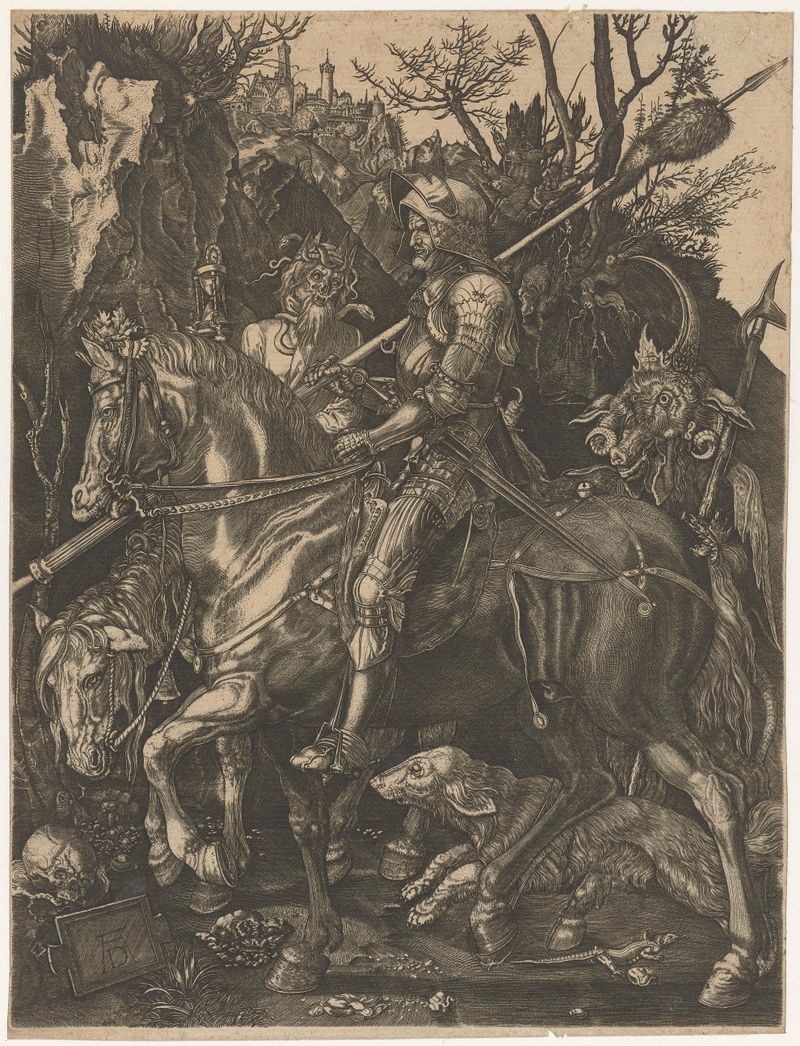
Ridder, Dood en Duivel
Unknown Artist
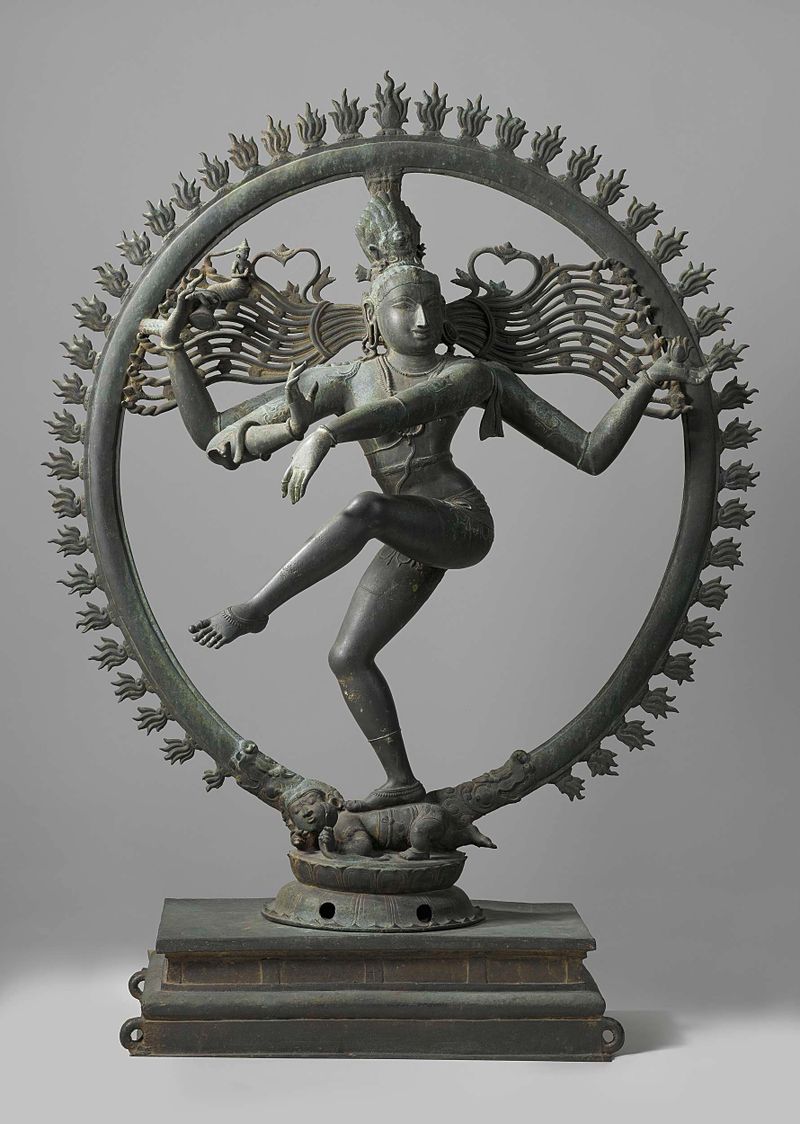
Shiva Nataraja
Unknown Artist
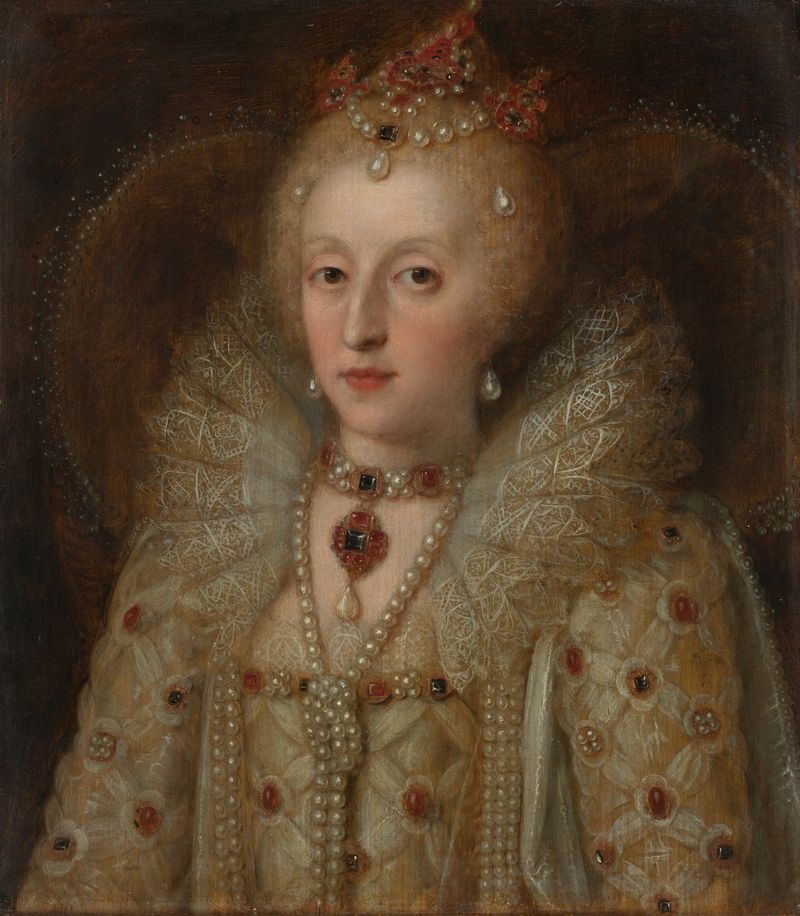
Portrait of Elizabeth I, Queen of England
Unknown Artist
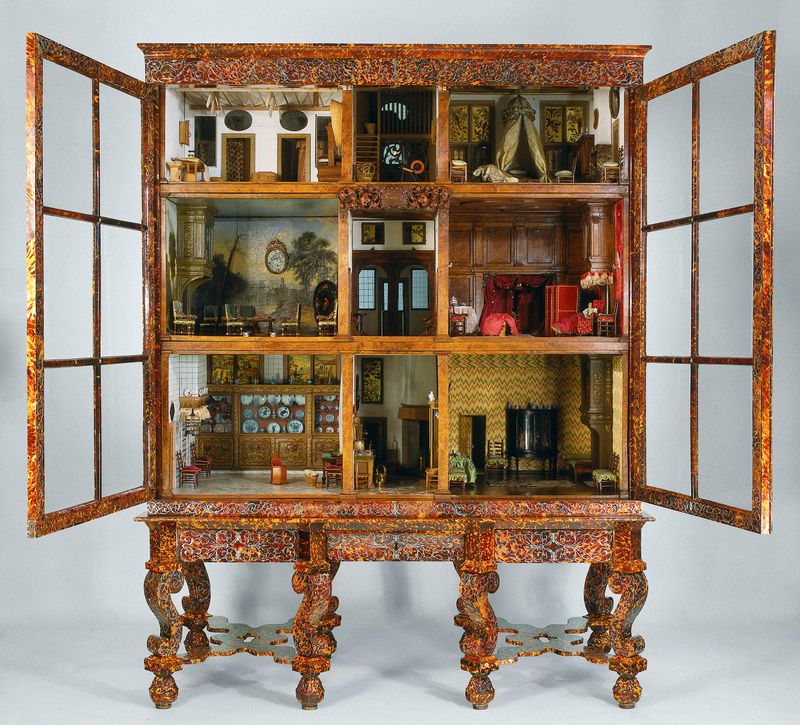
Dolls’ house of Petronella Oortman
Unknown Artist
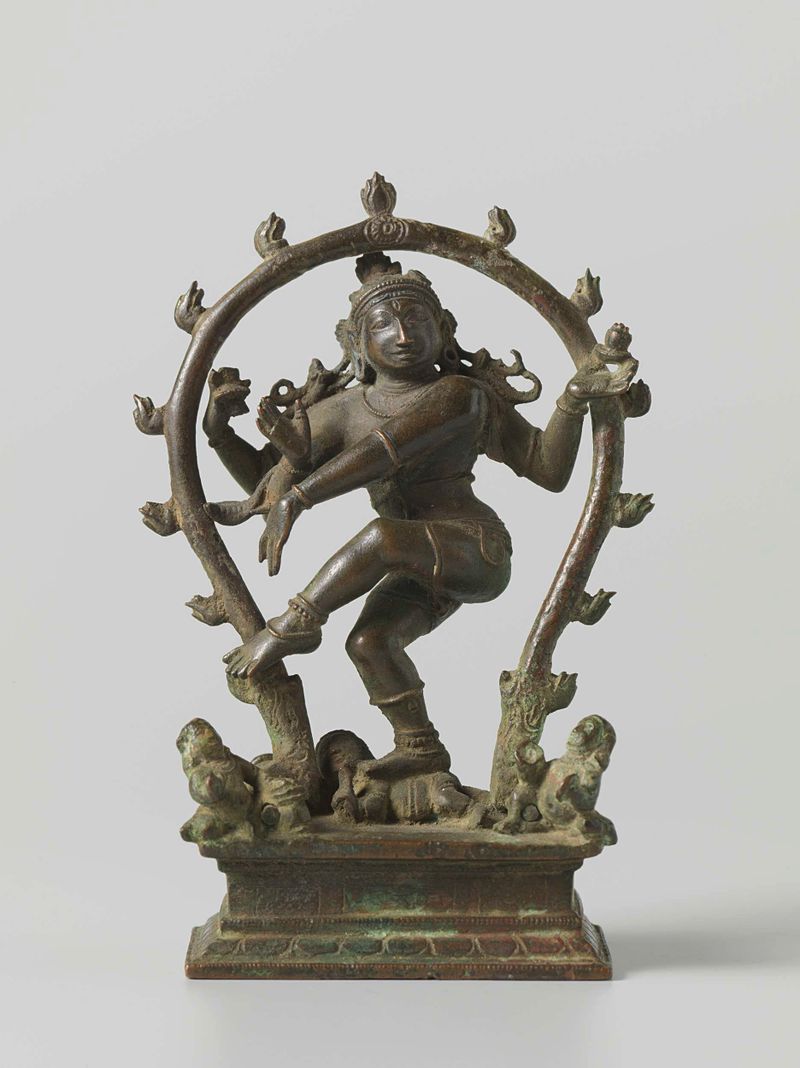
Shiva Nataraja
Unknown Artist

The Tale of Genji
Unknown Artist

The Tale of Genji
Unknown Artist

Cong
Unknown Artist
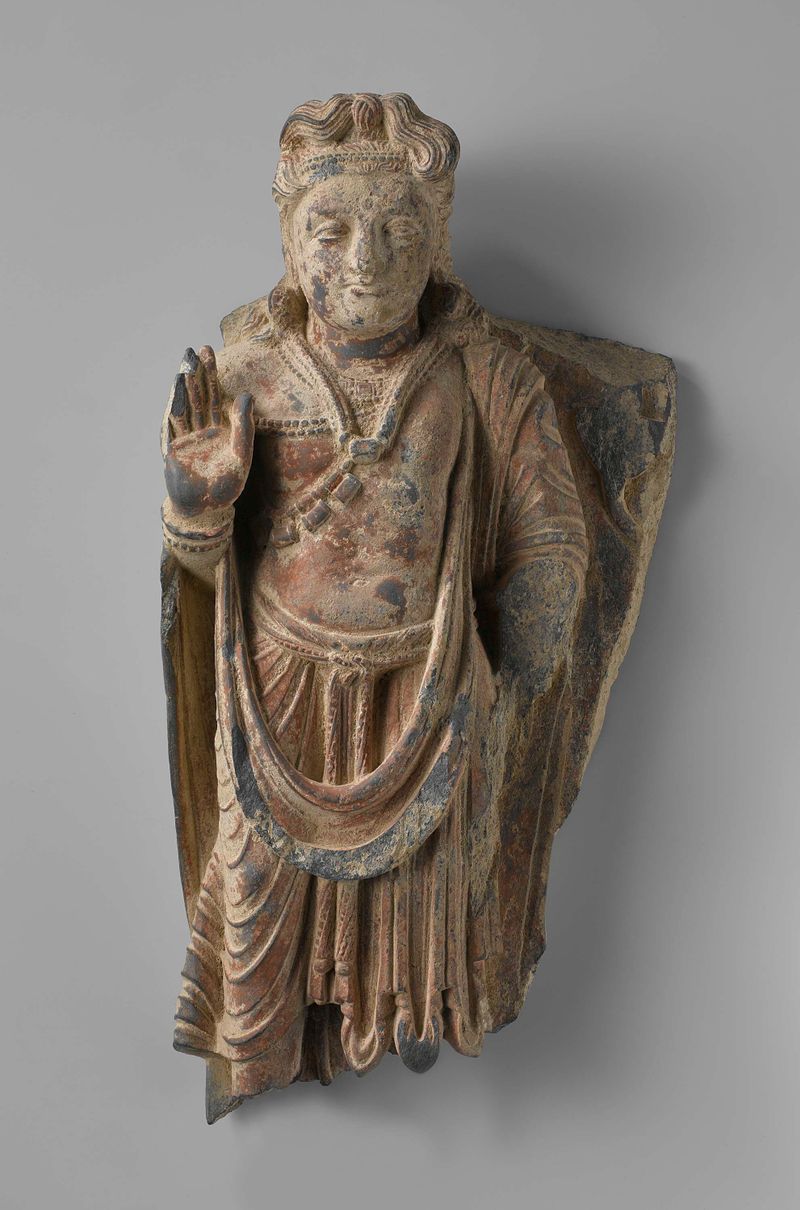
The bodhisattva Maitreya
Unknown Artist

Teabowl with a 'hare's fur' glaze
Unknown Artist





