
Twee scènes uit het leven van Maria en twee Passiescènes: Besnijdenis van Christus, Presentatie van Christus in de tempel, Kruisafneming, Opstanding — History & Facts
Is this a mirror — or a memory? In Twee scènes uit het leven van Maria en twee Passiescènes, the boundaries between the sacred and the personal dissolve, inviting us to ponder the profound connections between deep faith and the human experience. Focus your gaze first on the intricate detail of the figures in the foreground. Notice how the delicate lines of Callot's etching create a vivid interplay of light and shadow, rendering the emotional weight of each scene palpable. The stark contrast between the serene expressions of the holy characters and the somber undertones of their circumstances captures a poignant tension.
The muted color palette, accentuated by gentle hatching, guides the eye seamlessly across the narrative, each moment unfolding like a delicate thread in a larger tapestry. Delve deeper into the nuanced interactions that unfold within the scenes. The act of presentation in the temple, bathed in a hushed reverence, contrasts sharply with the agony of the crucifixion, suggesting a cycle of hope and despair. Each gesture, from the protective stance of Mary to the sorrowful embrace of Christ, encapsulates the essence of sacrifice and devotion.
These moments resonate not just through their religious significance but as echoes of universal human emotion, exploring the themes of loss and redemption that transcend time. Created between 1635 and 1661, this work emerged during a period of profound artistic and cultural change in Europe. Callot, working primarily in France, was influenced by the baroque movement and the complexities of his time, marked by political upheaval and religious strife. His mastery of the etching technique allowed for an intimate exploration of these themes, crafting a visual dialogue that continues to resonate with viewers today.
More Artworks by Jacques Callot
Browse all →
Titelprent voor de prentreeks 'De kleine apostelen' (Het martelaarschap van de apostelen)
Jacques Callot
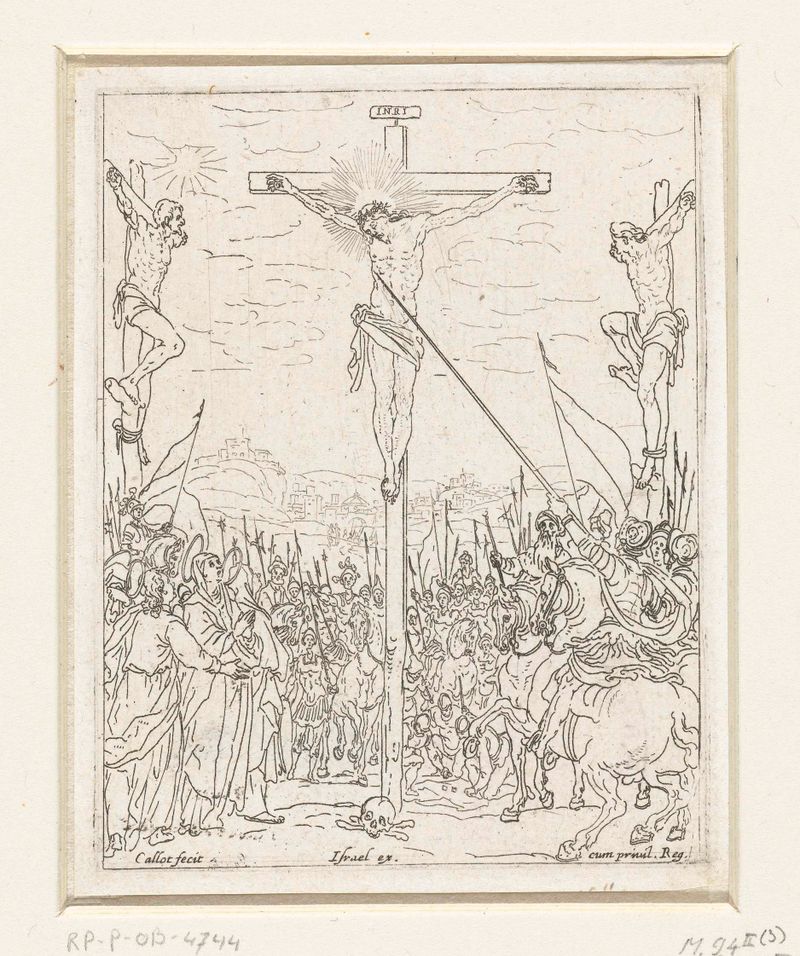
Kruisiging
Jacques Callot

De doortocht door de Rode Zee
Jacques Callot

De verloren zoon als zwijnenhoeder
Jacques Callot

Annunciatie
Jacques Callot
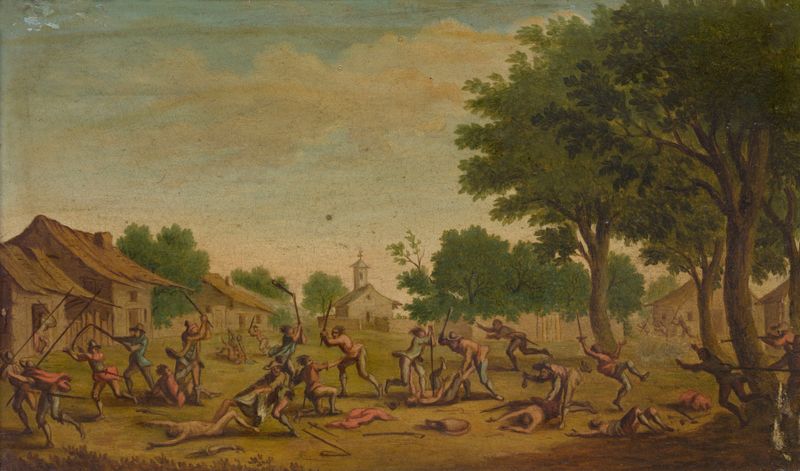
Village Fight
Jacques Callot

Titelprent voor prentreeks 'Het leven van Maria'
Jacques Callot
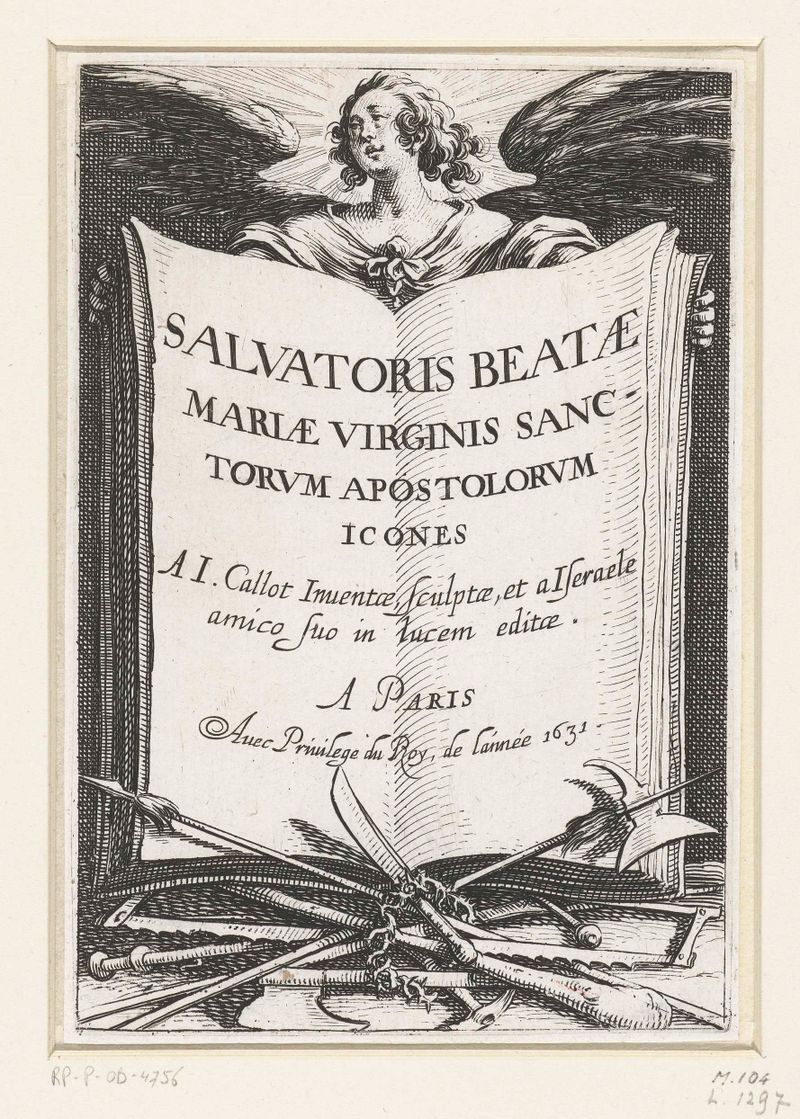
Titelprent voor de prentreeks 'De grote apostelen' (Christus, Maria en de apostelen)
Jacques Callot

Christus aan het volk getoond (Ecce homo)
Jacques Callot
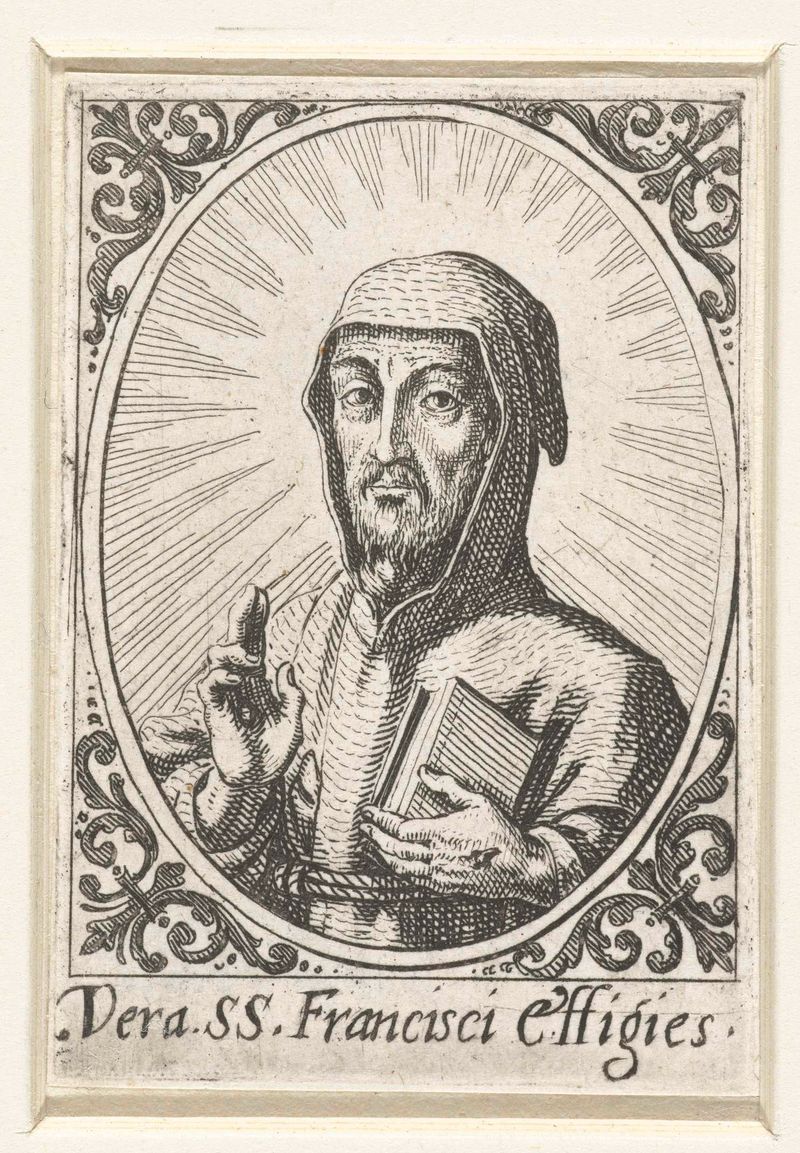
Portret van de Heilige Franciscus
Jacques Callot
More Religious Art
Browse all →
The Return of the Prodigal Son
Rembrandt van Rijn

The Garden of Earthly Delights
El Bosco

Count Orgaz’ funeral
El Greco

The Hundred Guilder Print: the central piece with Christ preaching, the plate arched
Rembrandt van Rijn

The Descent from the Cross
Rogier van der Weyden

The return of the prodigal son
Rembrandt van Rijn