Twee zittende en vier staande jachthonden — History & Facts
Is this a mirror — or a memory? In Twee zittende en vier staande jachthonden, Wenceslaus Hollar captures the intricate dance between stillness and vitality, revealing the ecstasy of life within a moment frozen in time. Look to the left at the two sitting hunting dogs, their bodies poised with an energy held just beneath the surface. Notice the way the light gently caresses their fur, accentuating the contrast between their relaxed poses and alert expressions. The meticulous lines and shading breathe life into the animals, while the delicate detailing showcases Hollar’s masterful etching technique, inviting viewers to explore the nuances of texture and form. As you take in the standing dogs, observe the tension that arises from their varying postures.
The alertness of the four contrasts with the serene calm of their companions, suggesting a complex dynamic between readiness and repose. This juxtaposition hints at a deeper narrative: a moment of impending action, perhaps a hunt, intertwined with the lingering joy of companionship. The carefully balanced composition evokes a sense of anticipation, entwining the viewer in the dogs’ world of instinct and emotion. In 1646, Hollar was living in Antwerp, having fled the turmoil of the Thirty Years’ War.
He was deeply engaged in the flourishing art scene, marked by a revival of interest in naturalism and detail. This piece reflects his keen observation of the world around him, capturing both the artistry of nature and the evolving styles of his time, which emphasized the interplay of life and the environment.
More Artworks by Wenceslaus Hollar
Browse all →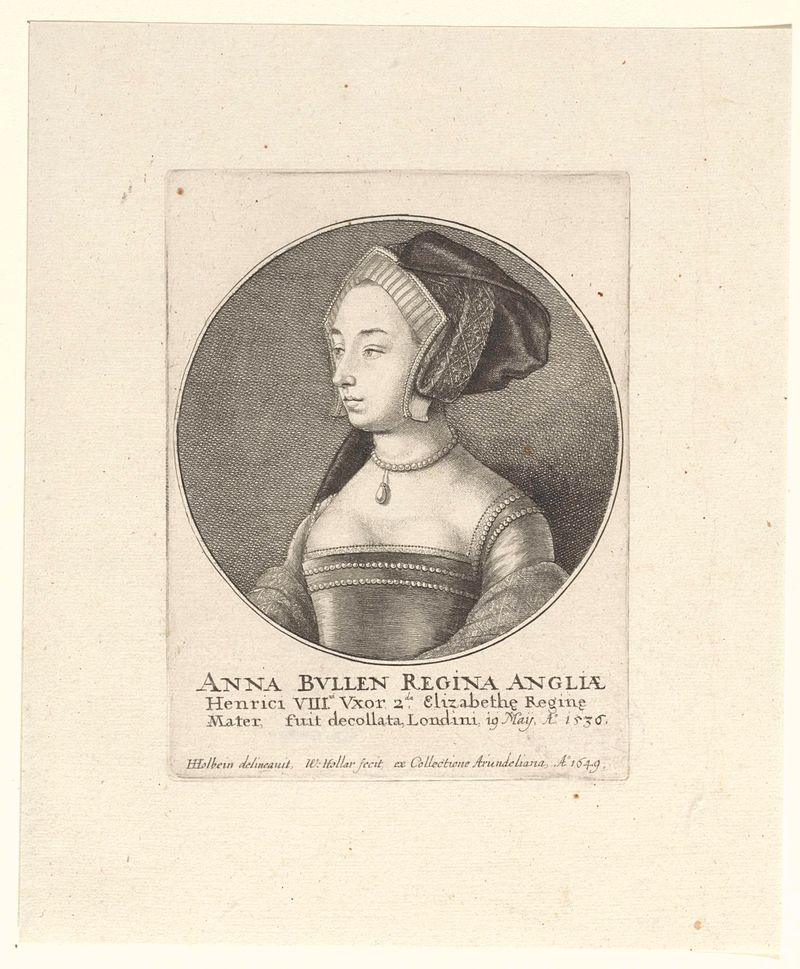
Portret van Anna Boleyn, koningin van Engeland
Wenceslaus Hollar
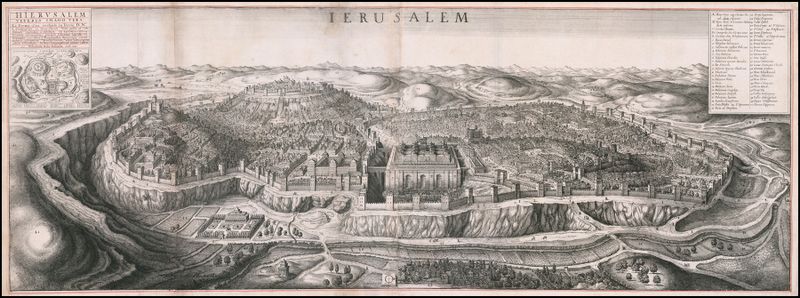
Bird’s eye view of Jerusalem
Wenceslaus Hollar
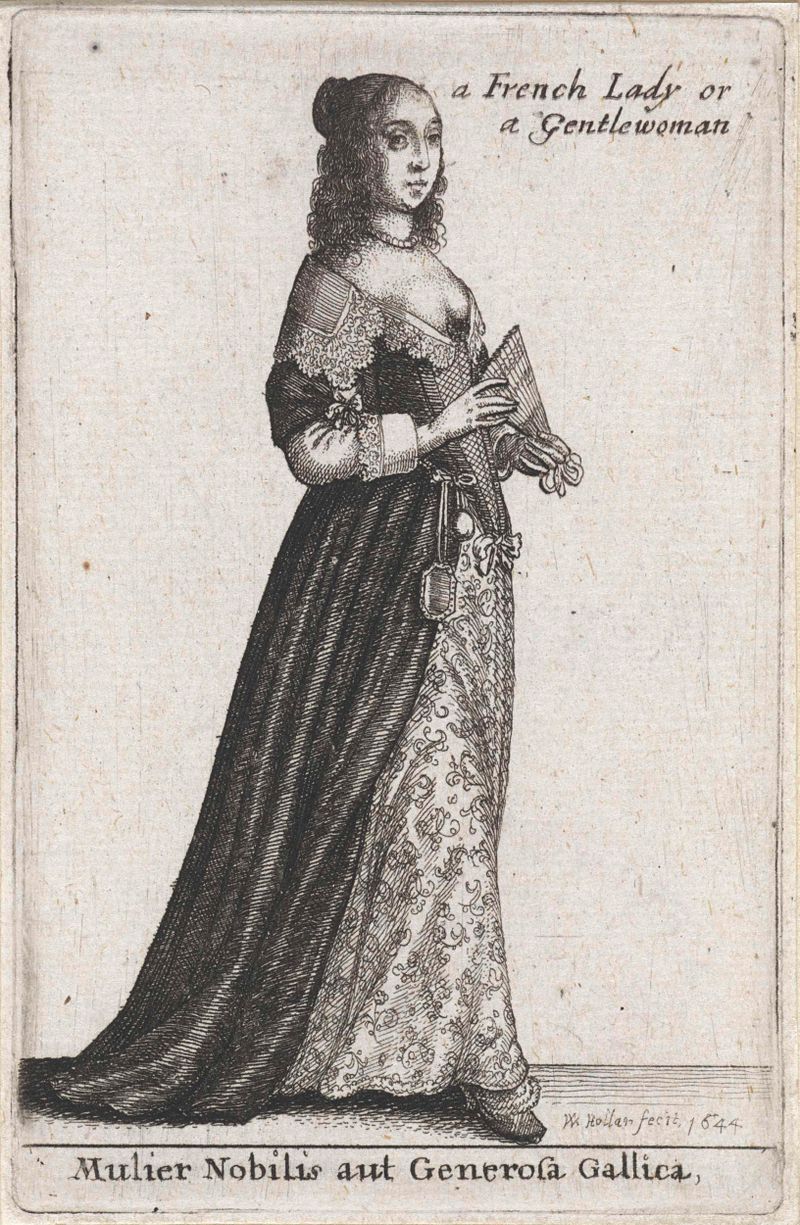
Mulier Nobilis aut Generosa Gallica / a French Lady or Gentlewoman
Wenceslaus Hollar
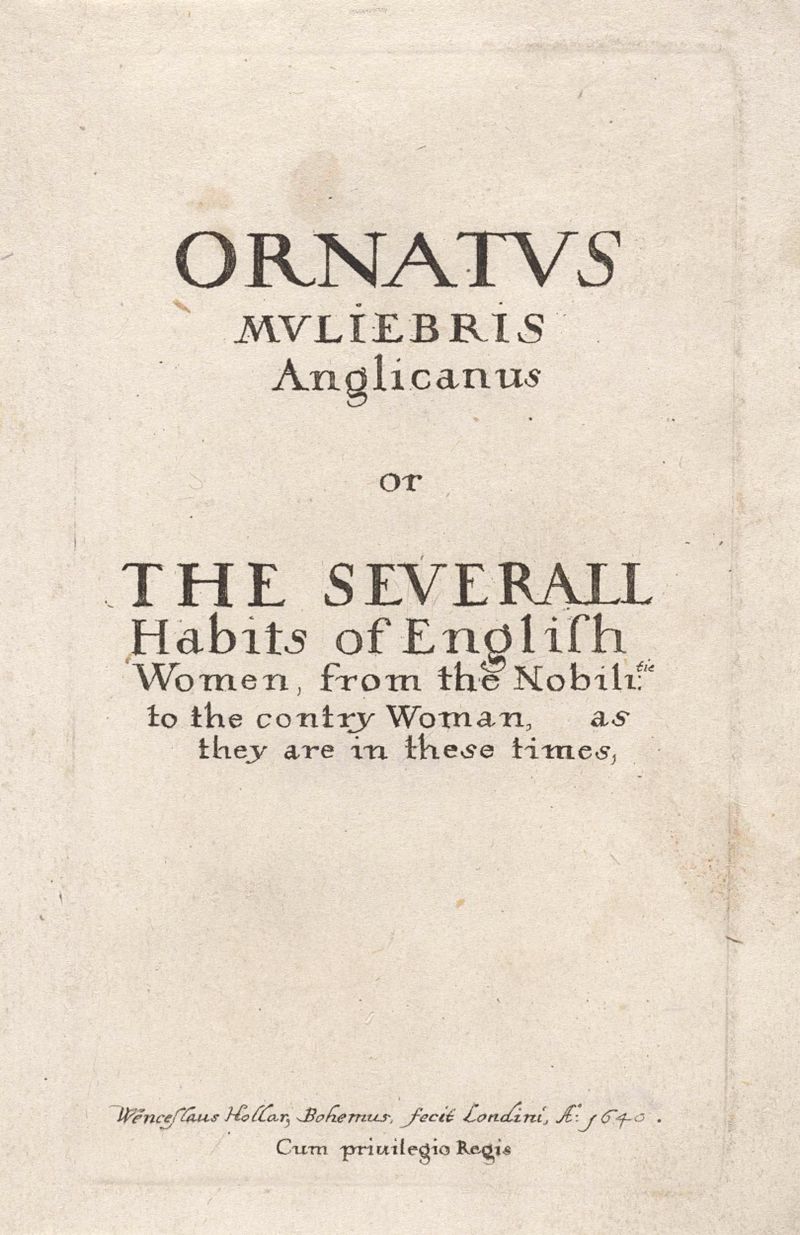
Titelprent voor: Ornatus Muliebris Anglicanus
Wenceslaus Hollar
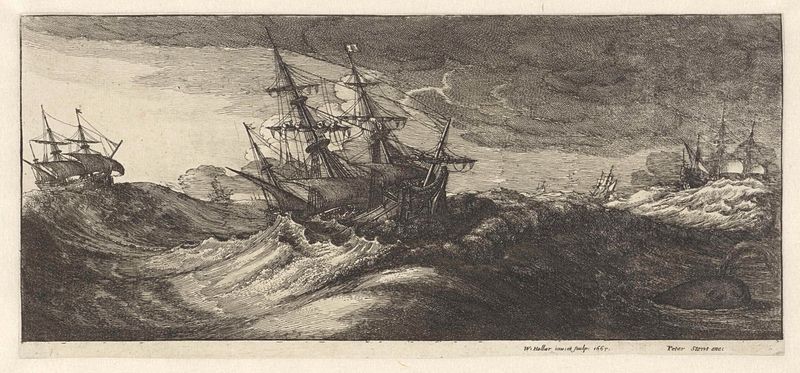
Oorlogsschepen en een walvis in een zeestorm
Wenceslaus Hollar
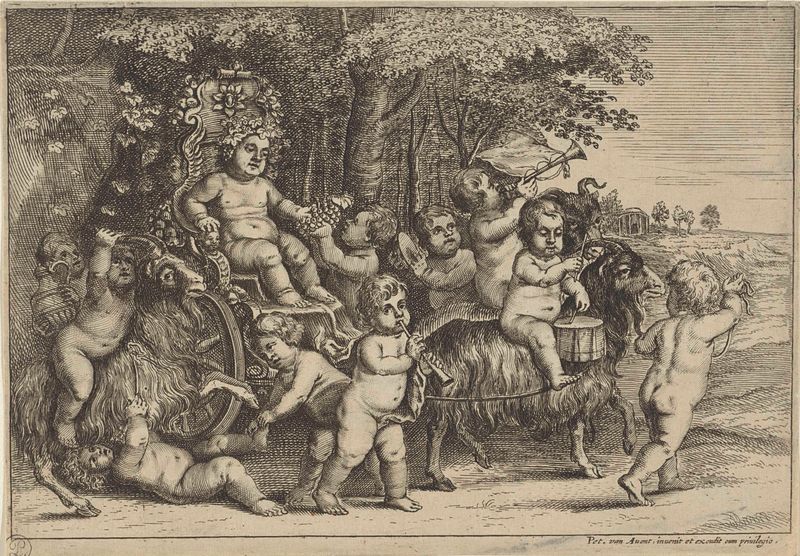
Optocht van bacchant en jongetjes op geiten
Wenceslaus Hollar
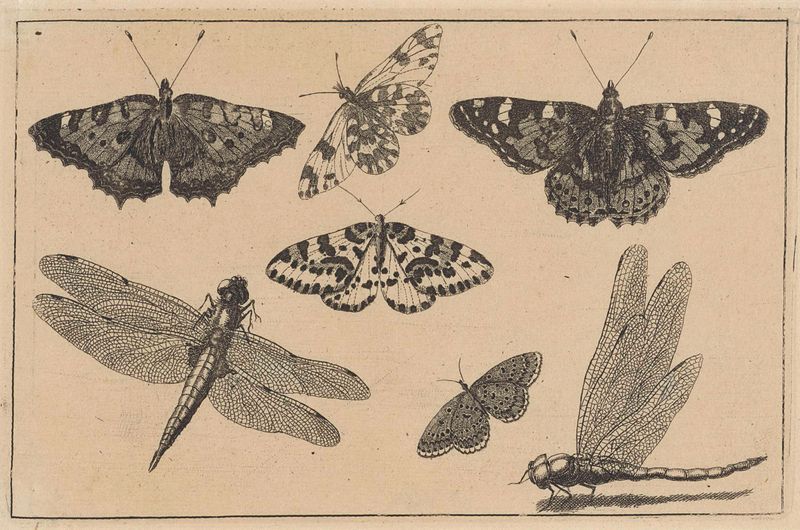
Twee libellen en vijf vlinders
Wenceslaus Hollar
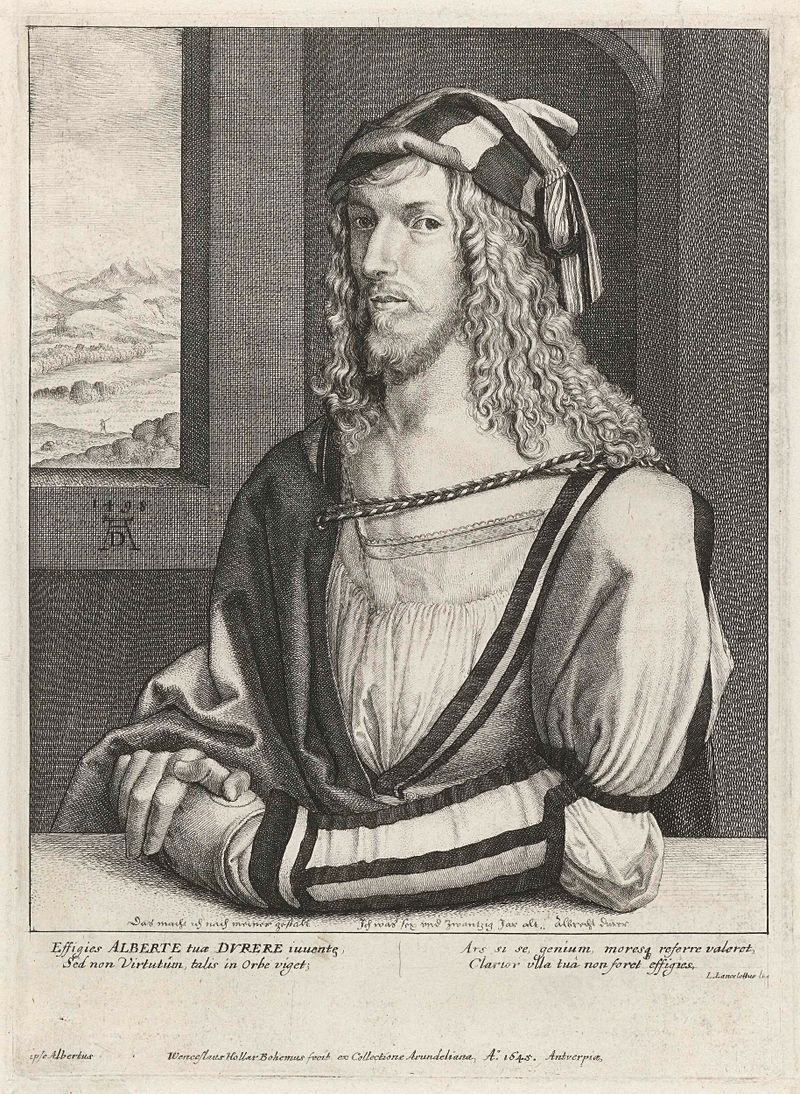
Portret van Albrecht Dürer
Wenceslaus Hollar
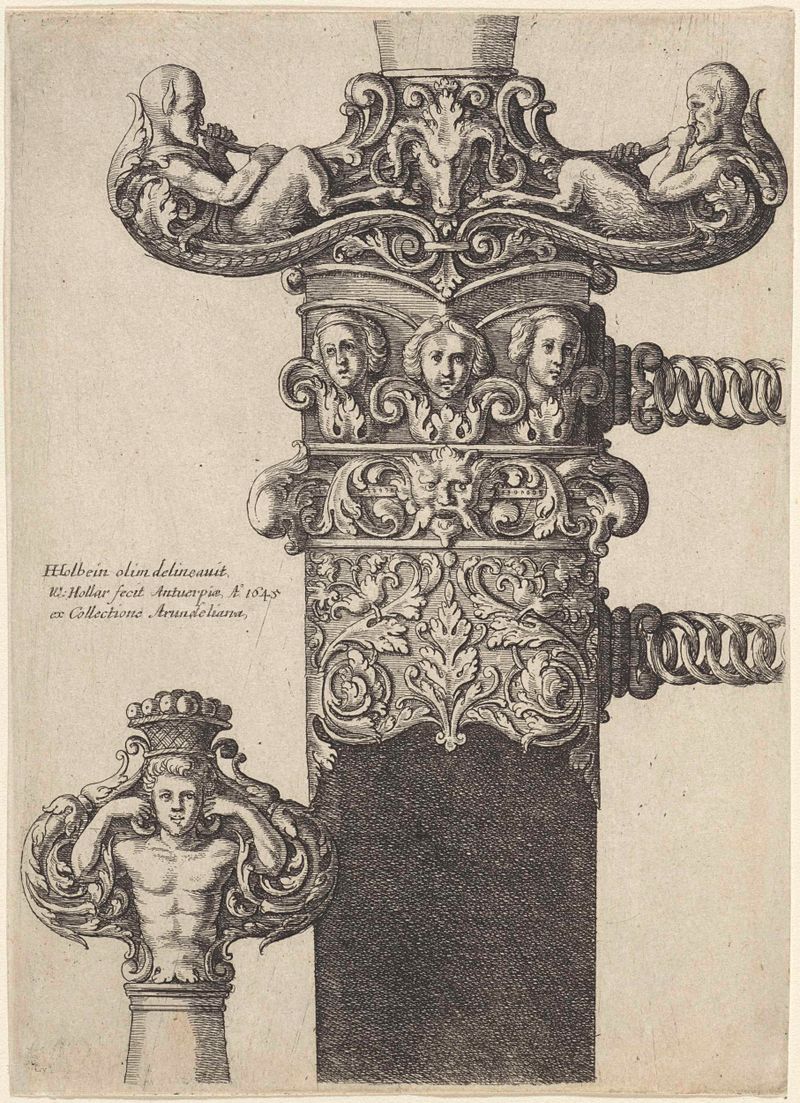
Ornamenteel ontwerp voor een dolk
Wenceslaus Hollar
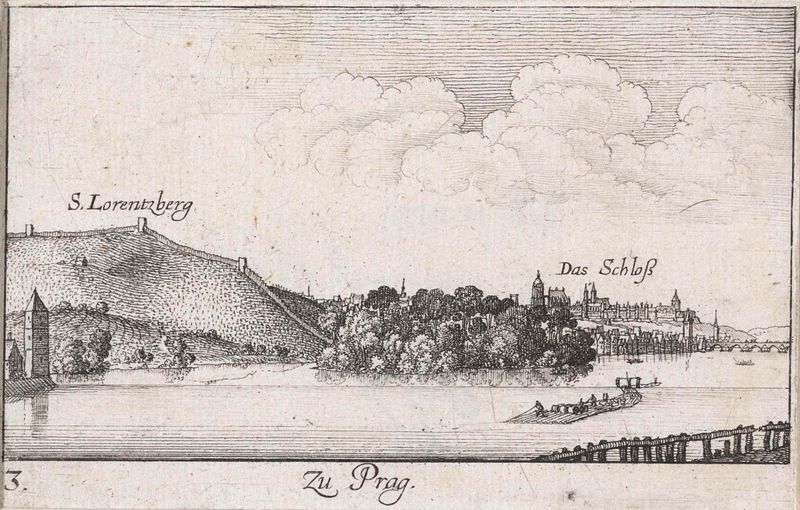
Gezicht op Praag vanaf de Moldau
Wenceslaus Hollar