Twee zwanen — History & Facts
In the delicate balance of nature and artistry, beauty whispers its secrets, inviting us to listen closely. Look to the center of the composition, where two swans glide elegantly across a tranquil pond, their graceful necks forming a heart in the mirrored water. The soft brush of light highlights the gentle contours of their feathers, shimmering in shades of white and cream. Surrounding them, lush foliage frames the scene, its rich greens and earthy tones grounding the ethereal quality of the swans.
Every detail, from the ripples in the water to the intricate textures of the leaves, speaks to the artist's meticulous attention to nature's beauty. Beyond the serene appearance lies a deeper narrative of duality — the swans symbolize love and fidelity, yet their stillness suggests an underlying vulnerability. The harmonious composition contrasts with the inevitable passage of time, reminding viewers that beauty is fleeting. Each stroke captures not just the physical forms but an emotional resonance that evokes introspection and longing, inviting us to ponder our own relationships with beauty and nature. Wenceslaus Hollar created Twee zwanen between 1654 and 1662 in the midst of a tumultuous period in Europe, marked by political upheaval and religious strife.
Living in exile in England, he sought solace in the natural world, capturing its essence while reflecting his own feelings of displacement. This artwork emerges from a time when artists began to embrace the landscape genre, blending observation with emotion, and Hollar's work stands as a testament to that evolving vision.
More Artworks by Wenceslaus Hollar
Browse all →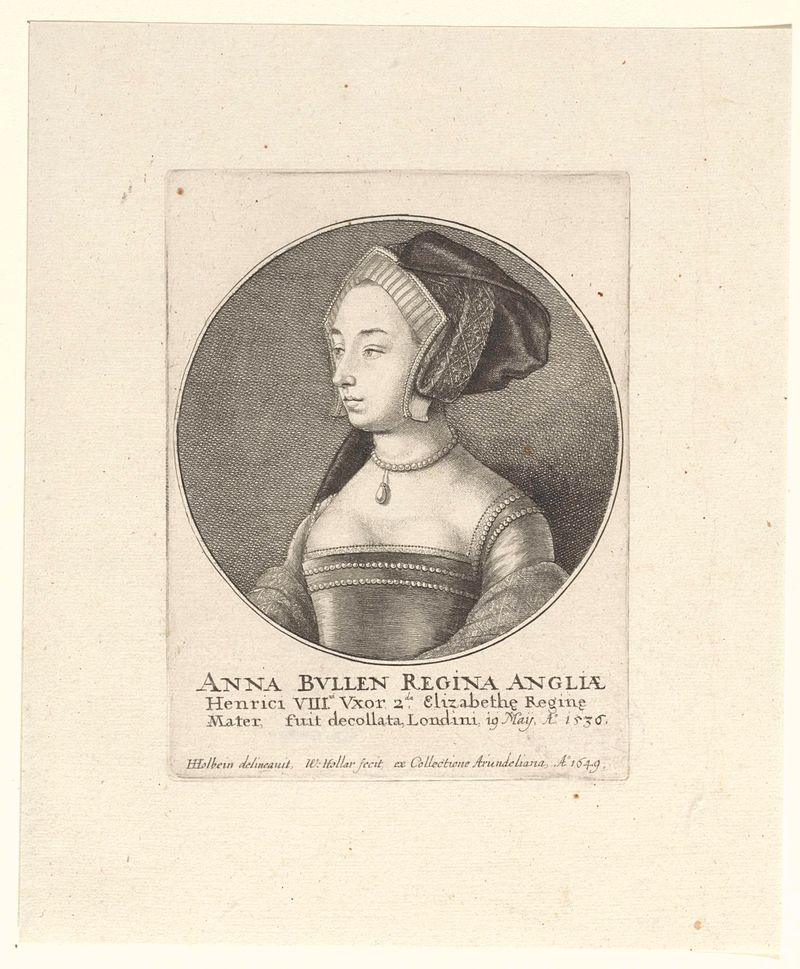
Portret van Anna Boleyn, koningin van Engeland
Wenceslaus Hollar
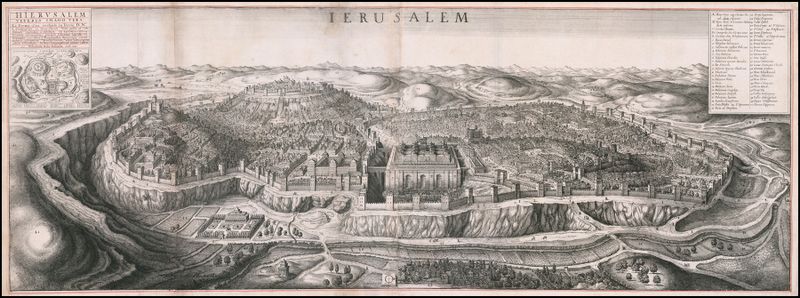
Bird’s eye view of Jerusalem
Wenceslaus Hollar
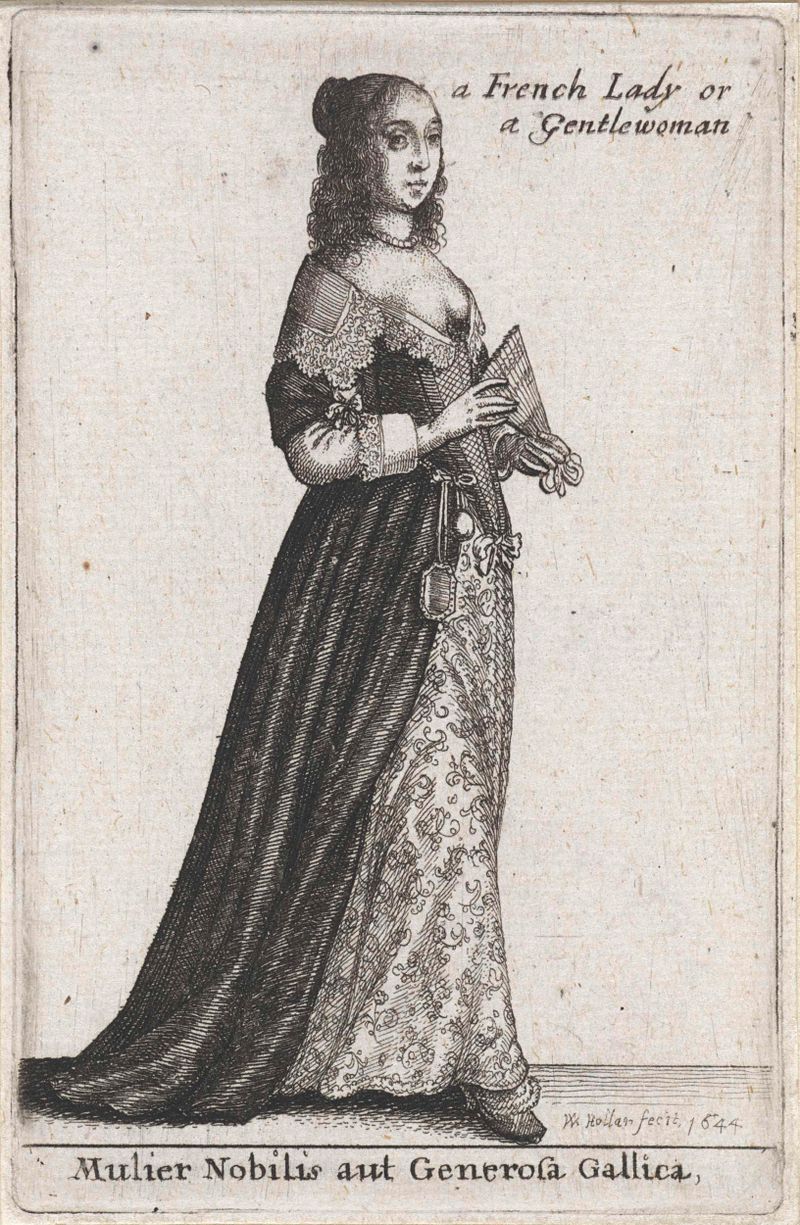
Mulier Nobilis aut Generosa Gallica / a French Lady or Gentlewoman
Wenceslaus Hollar
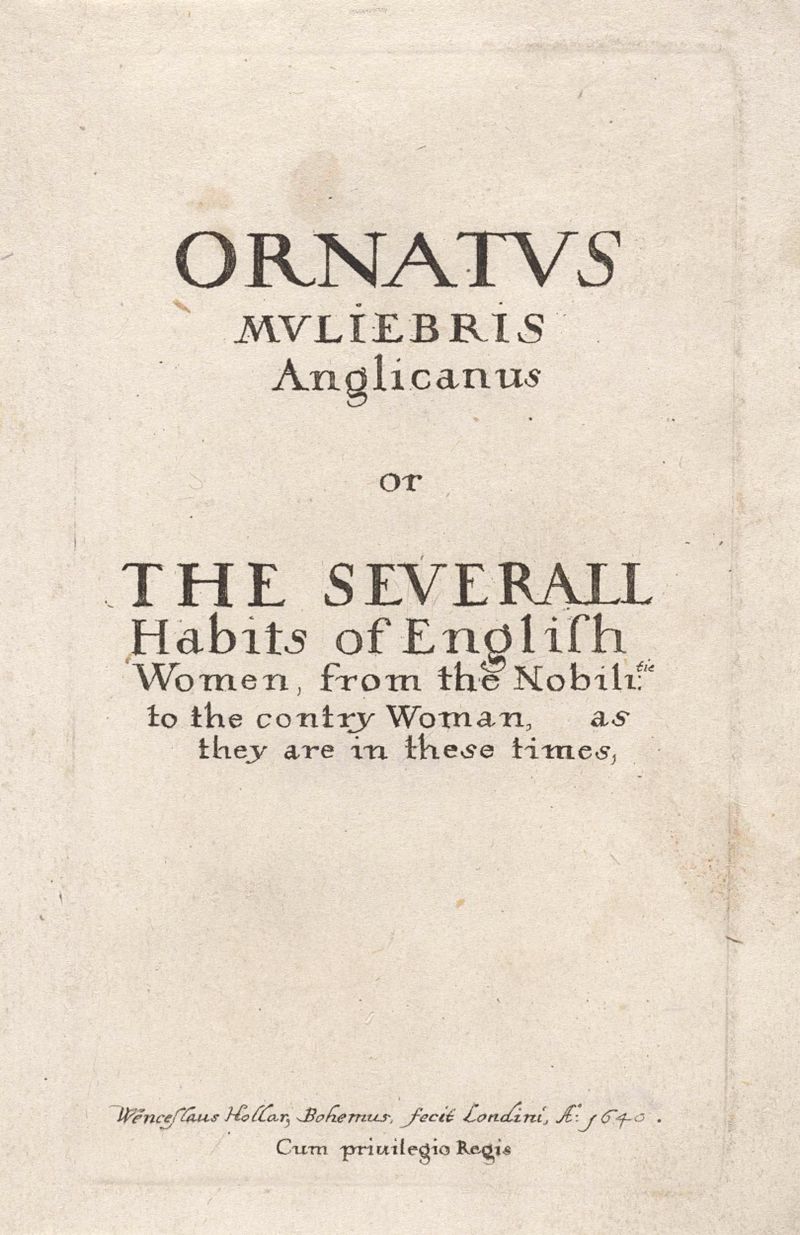
Titelprent voor: Ornatus Muliebris Anglicanus
Wenceslaus Hollar
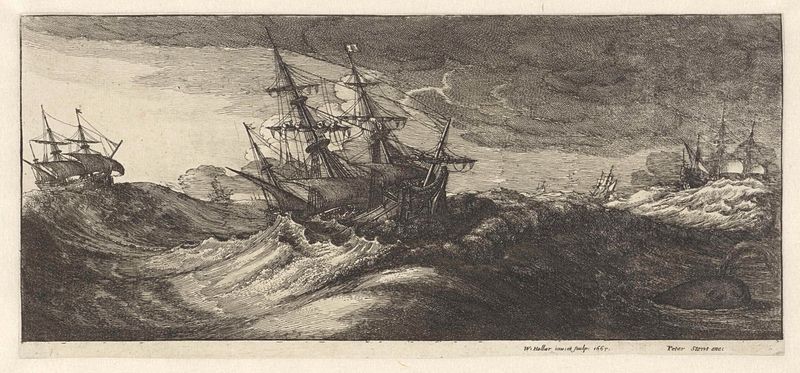
Oorlogsschepen en een walvis in een zeestorm
Wenceslaus Hollar
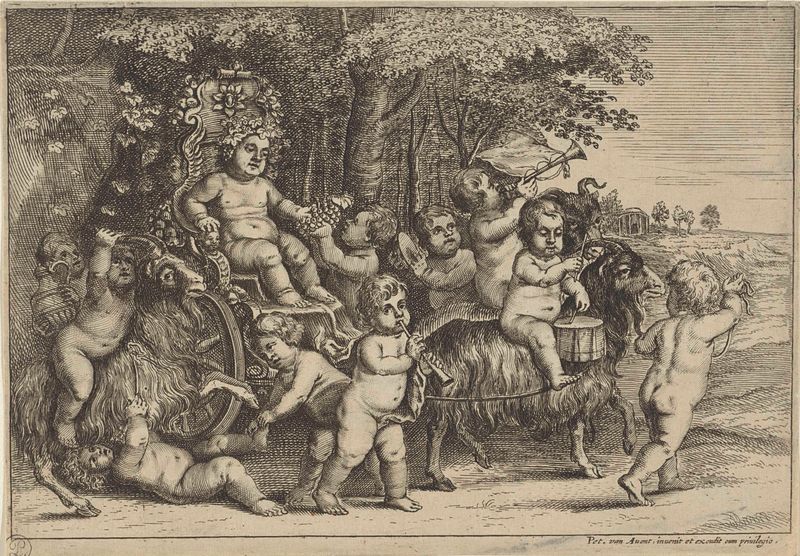
Optocht van bacchant en jongetjes op geiten
Wenceslaus Hollar
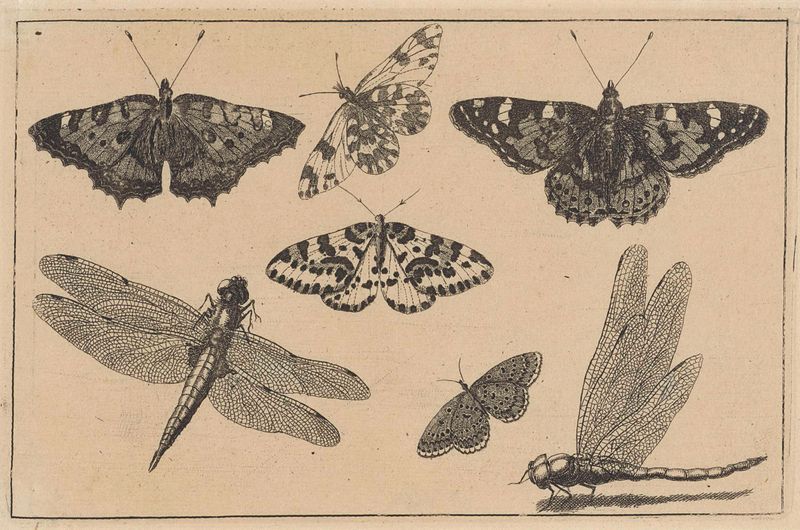
Twee libellen en vijf vlinders
Wenceslaus Hollar
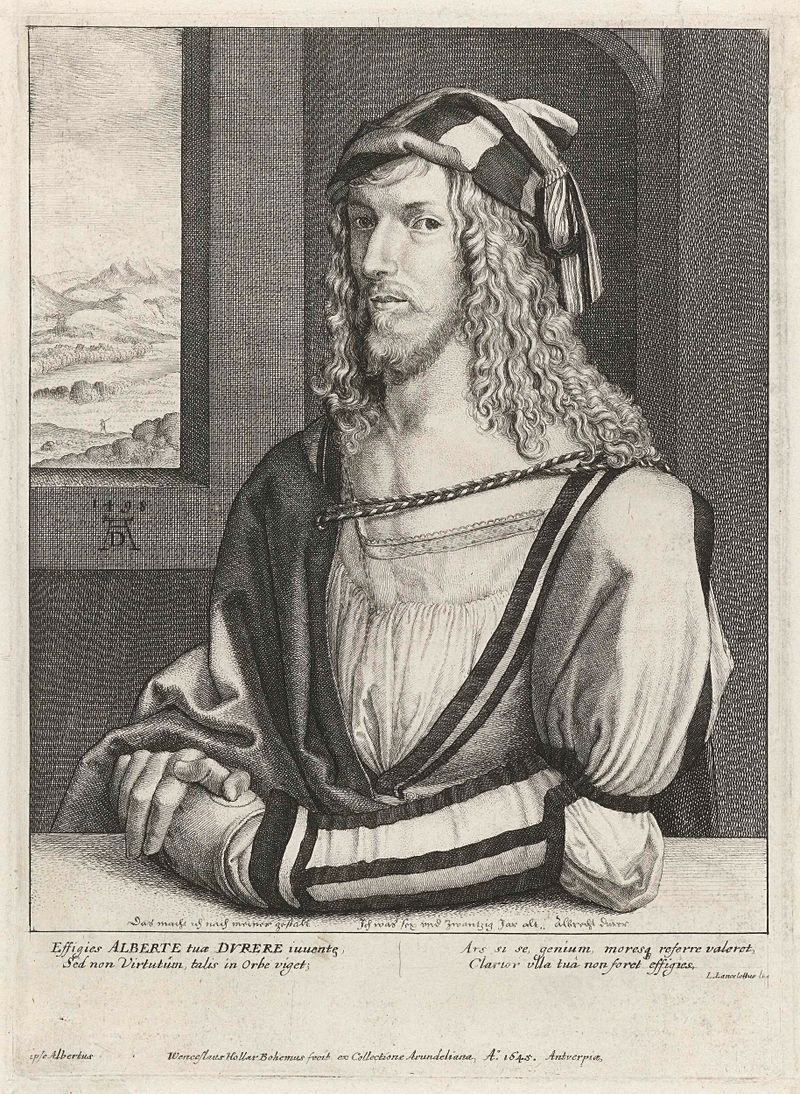
Portret van Albrecht Dürer
Wenceslaus Hollar
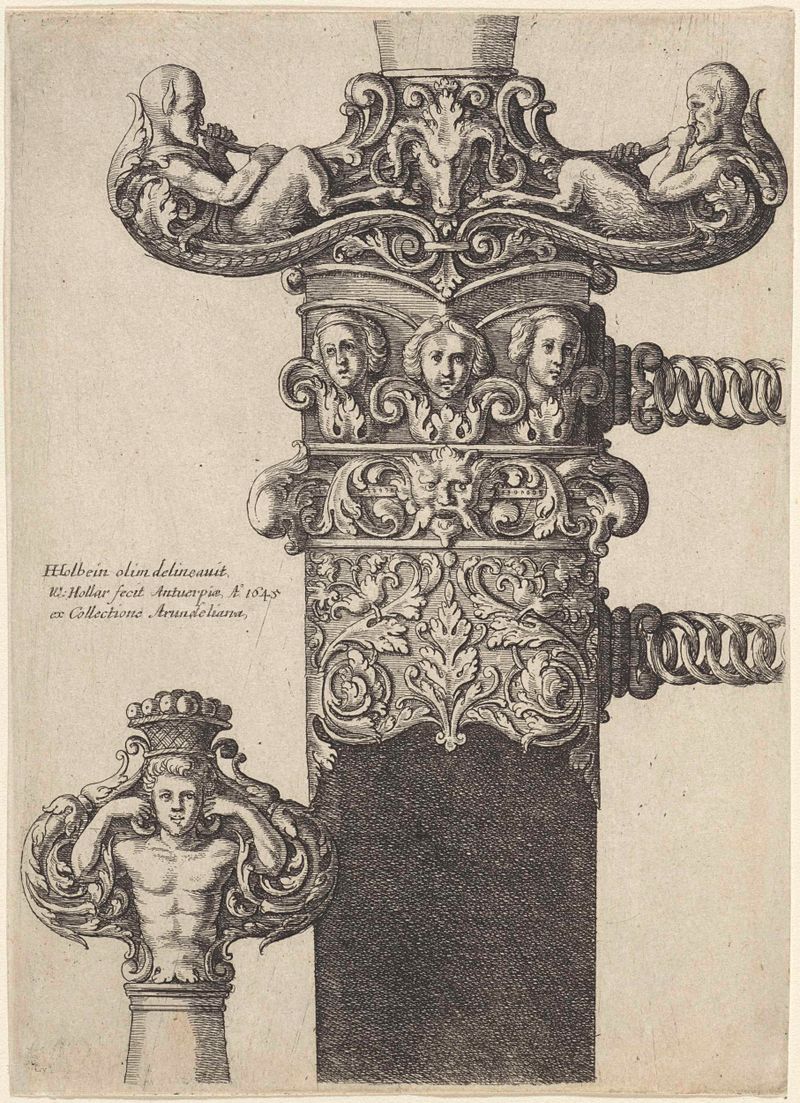
Ornamenteel ontwerp voor een dolk
Wenceslaus Hollar
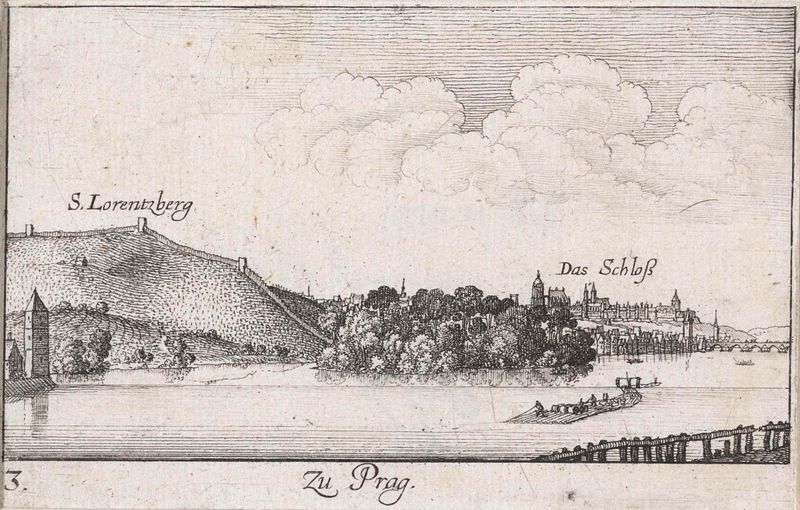
Gezicht op Praag vanaf de Moldau
Wenceslaus Hollar