
Two Cows — History & Facts
No one knows exactly when John Linnell painted Two Cows, but the work stands out for its unflinching devotion to rural life at a time when England was rapidly industrializing. Linnell, a contemporary and sometimes rival of John Constable, was known for his passionate belief that the English countryside deserved the same reverence as religious or historical subjects. This painting is often discussed in relation to the artist’s commitment to truthfully representing the rural poor and their animals, a stance that set him apart from many of his peers.
The absence of a grand narrative or allegory here was, in itself, a quiet act of rebellion against academic conventions. In Two Cows, Linnell invites the viewer into a moment of stillness: two cattle, rendered with careful attention to their anatomy and character, stand in a sunlit field. The animals are neither idealized nor sentimentalized; their heavy bodies and patient gazes speak to the daily rhythms of agricultural life. The earth beneath their hooves is painted with the same care as their hides, emphasizing the connection between animal and landscape.
Unlike Constable’s more atmospheric scenes, Linnell’s approach is direct and intimate, focusing the viewer’s attention on the dignity of the animals themselves. The light, likely an afternoon glow, highlights the textures of fur and grass, underscoring Linnell’s fascination with natural observation. The provenance of Two Cows remains uncertain, as does its original commission, if any. Linnell produced numerous studies of animals throughout his career, often as part of larger landscapes but occasionally as focused portraits like this one.
While the painting’s early history is obscure, it is now recognized as a fine example of the artist’s dedication to rural subjects and his technical skill in rendering animal life. Today, Two Cows is valued both for its quiet realism and as a testament to Linnell’s place within the broader movement of 19th-century British landscape painting. Its survival allows us to glimpse not only the animals themselves but also the values and concerns of the world in which they were painted.
More Artworks by John Linnell

A View Near Hampstead
John Linnell
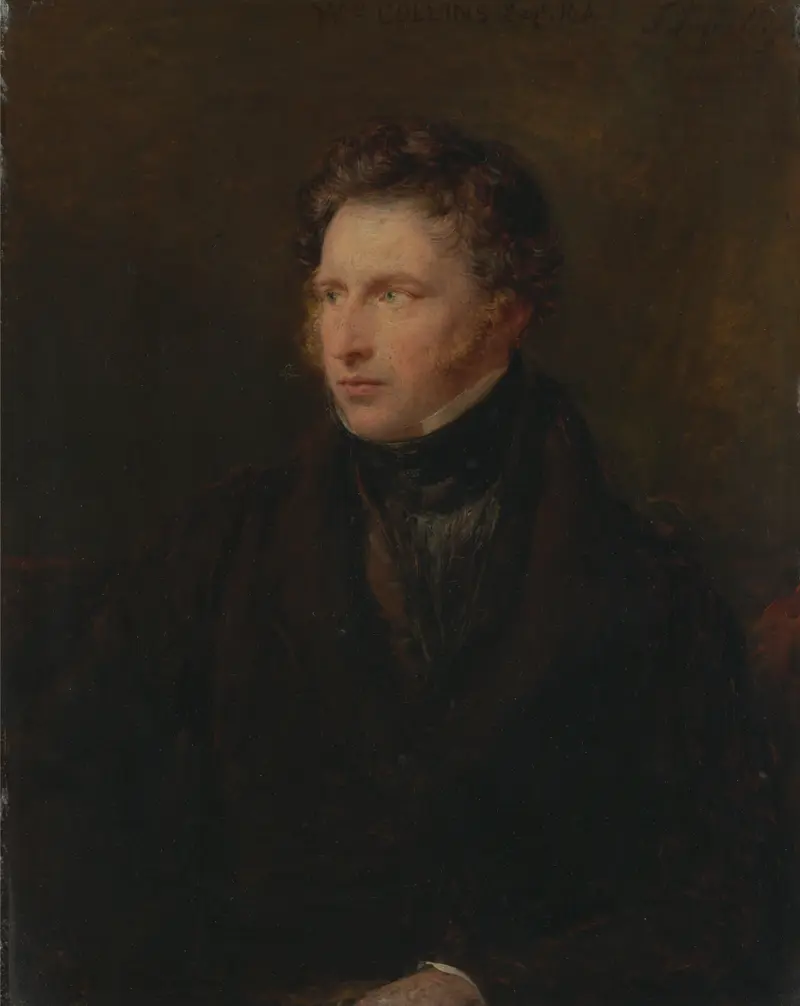
William Collins, R.A.
John Linnell
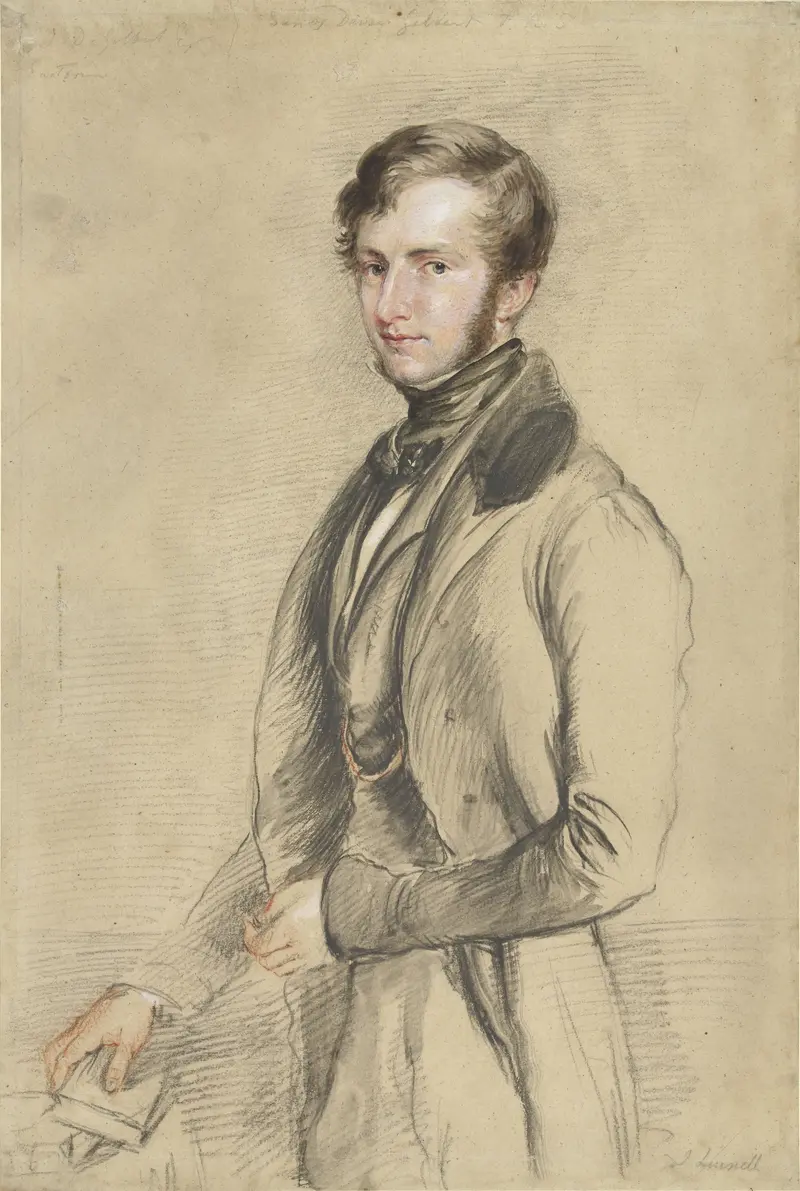
Portrait of John Davies Gilbert
John Linnell
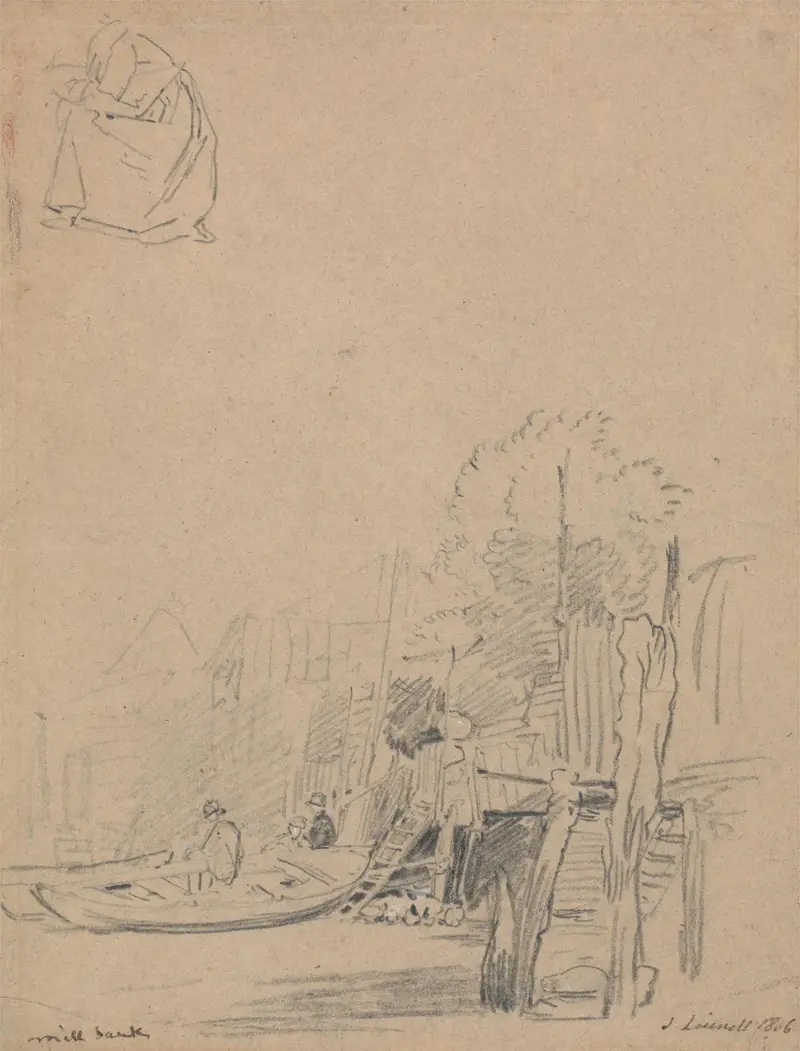
Millbank
John Linnell
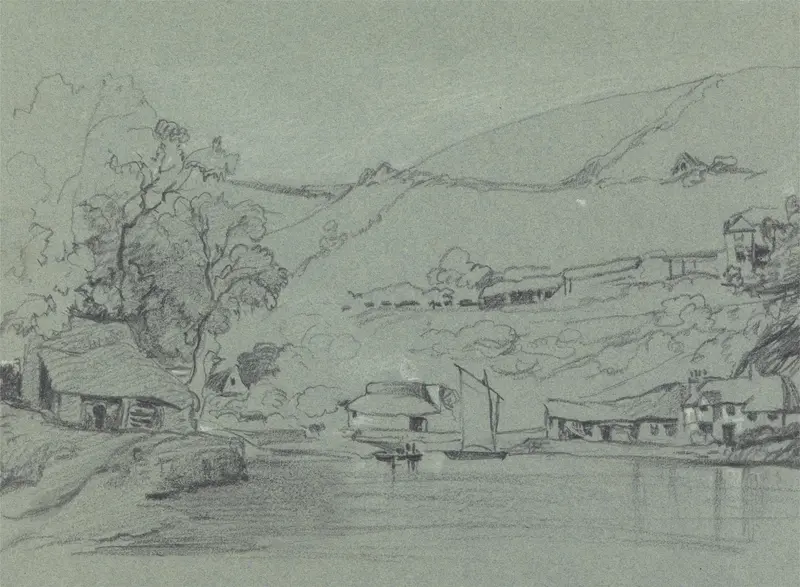
Scene in Kent
John Linnell
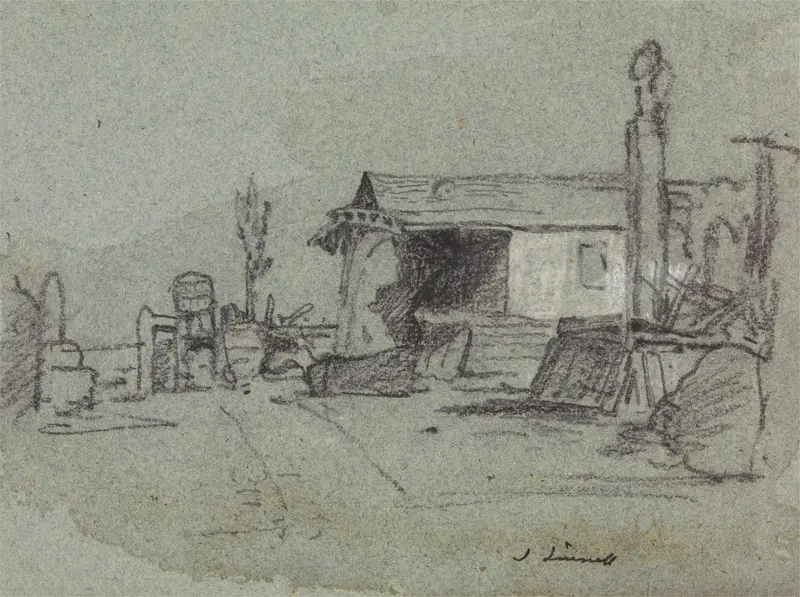
A Scene in the Edgware Road, London
John Linnell
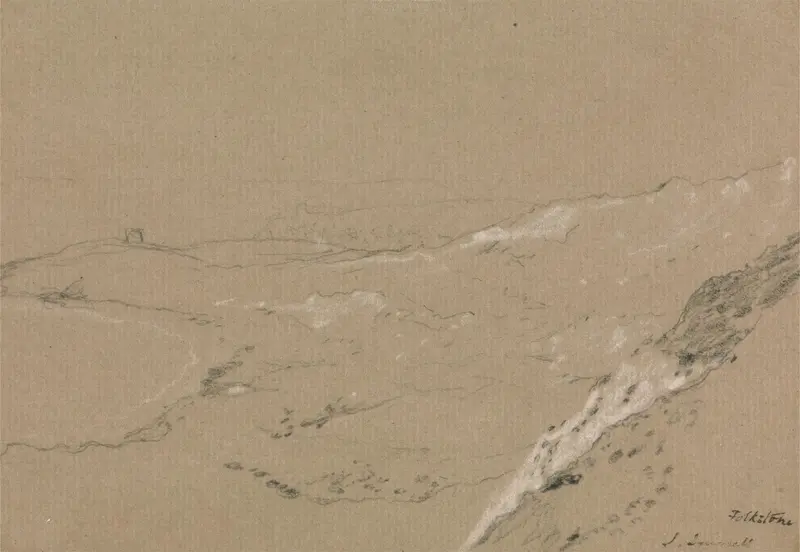
Folkestone
John Linnell
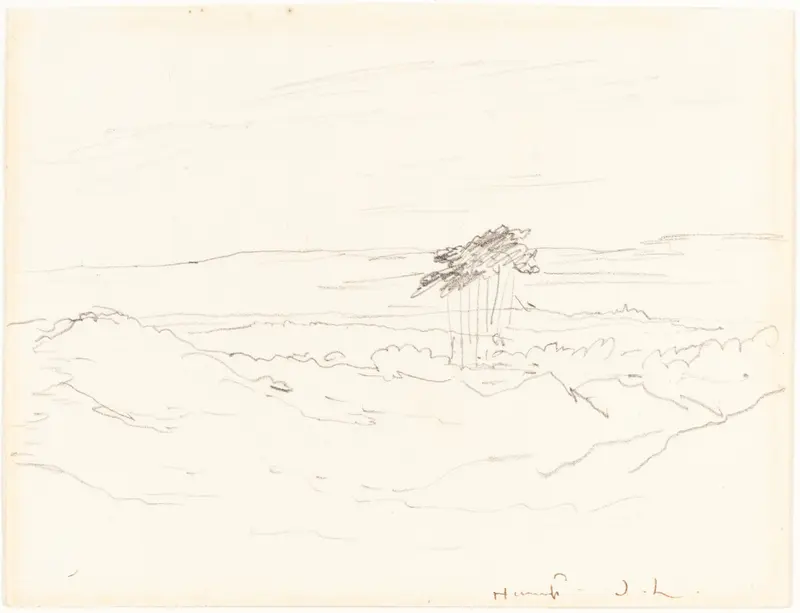
Hampstead Heath
John Linnell
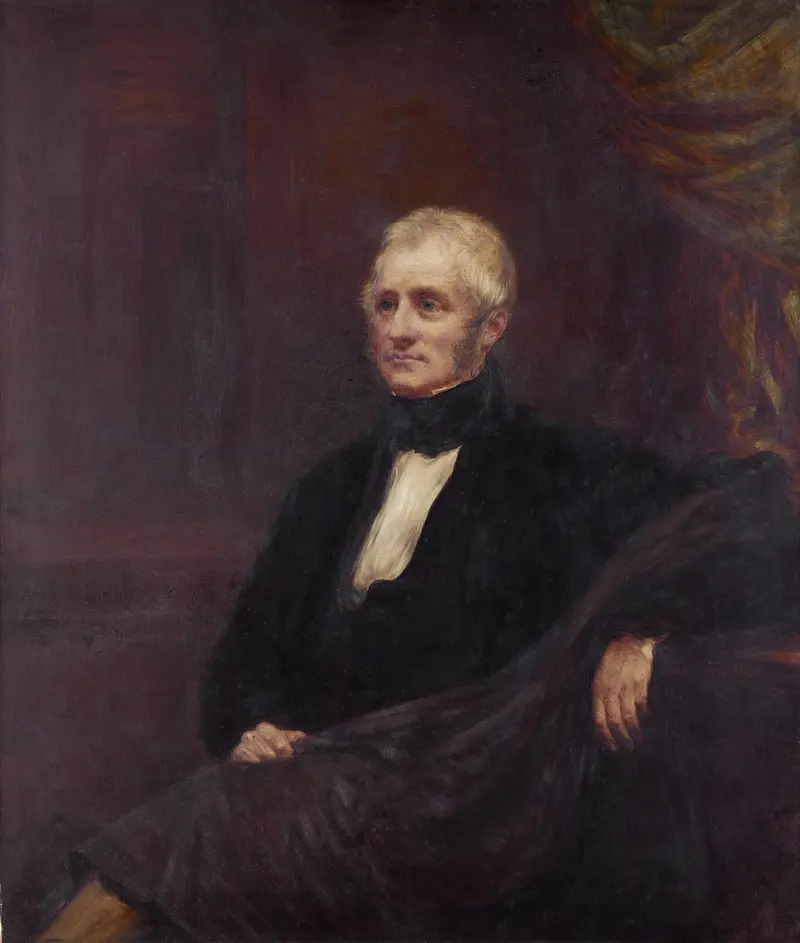
Henry Stephen Fox-Strangways, 3rd Earl Of Ilchester
John Linnell
View at Mr. Sheppard’s, The Ridge, Gloucestershire
John Linnell





