Two Designs — History & Facts
No two scholars agree on the origins or purpose of Two Designs, one of the more enigmatic works associated with Jules Schmalzigaug. The piece has long been a subject of debate, not least because neither its date nor its medium is firmly established. What is certain is that it stands at a crossroads in Schmalzigaug’s brief but restless career, representing a rare surviving glimpse into his experimental process.
Some have speculated that these designs were preparatory studies for a larger, lost composition; others see them as finished statements in their own right. The two images presented side by side invite the viewer into a world of movement and abstraction, hallmarks of the Futurist movement with which Schmalzigaug was associated. Each design pulses with energy: swirling forms and fractured lines suggest the dynamism of modern life, perhaps echoing the bustling city scenes that fascinated the artist during his time in Italy. Unlike the more mechanistic approach of Giacomo Balla in works such as Abstract Speed + Sound, Schmalzigaug’s designs retain a lyrical, almost organic quality—his lines seem to dance rather than march.
The juxtaposition of the two designs may hint at a visual dialogue, a search for harmony or contrast within the chaos of rapid change. Little is known about the early history of Two Designs, and no records indicate a specific patron or exhibition during Schmalzigaug’s lifetime. The work’s uncertain provenance is typical for many pieces by the artist, who died young and whose reputation grew only after his death. Today, Two Designs is valued as a rare testament to Schmalzigaug’s engagement with the avant-garde currents of his era, and it offers insight into the evolution of abstract art in early twentieth-century Europe.
Its presence in the online gallery allows a wider audience to appreciate both the mystery and the innovation that define Schmalzigaug’s legacy.
More Artworks by Jules Schmalzigaug

A View of Scheveningen
Jules Schmalzigaug
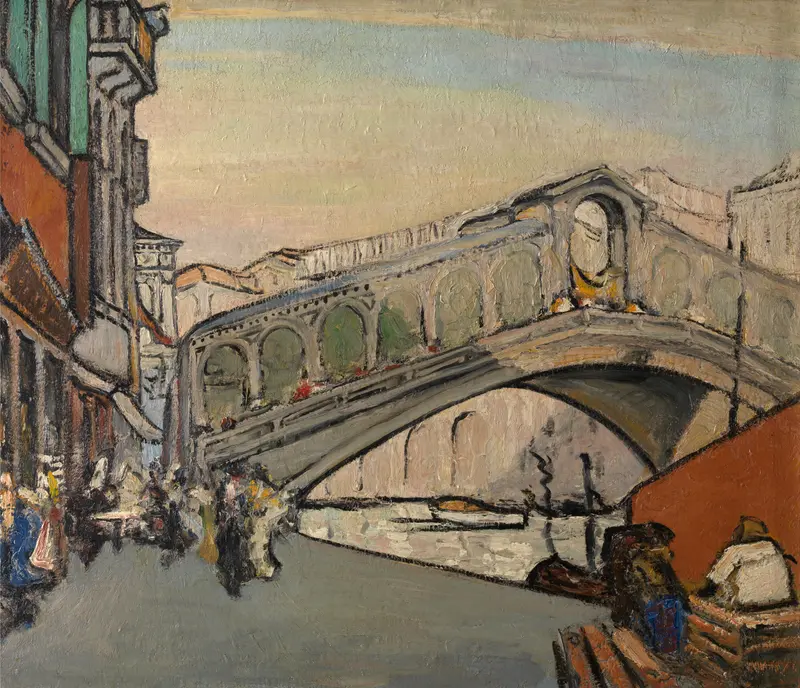
The Rialto Bridge in Venice
Jules Schmalzigaug

Abstract Bouquet
Jules Schmalzigaug
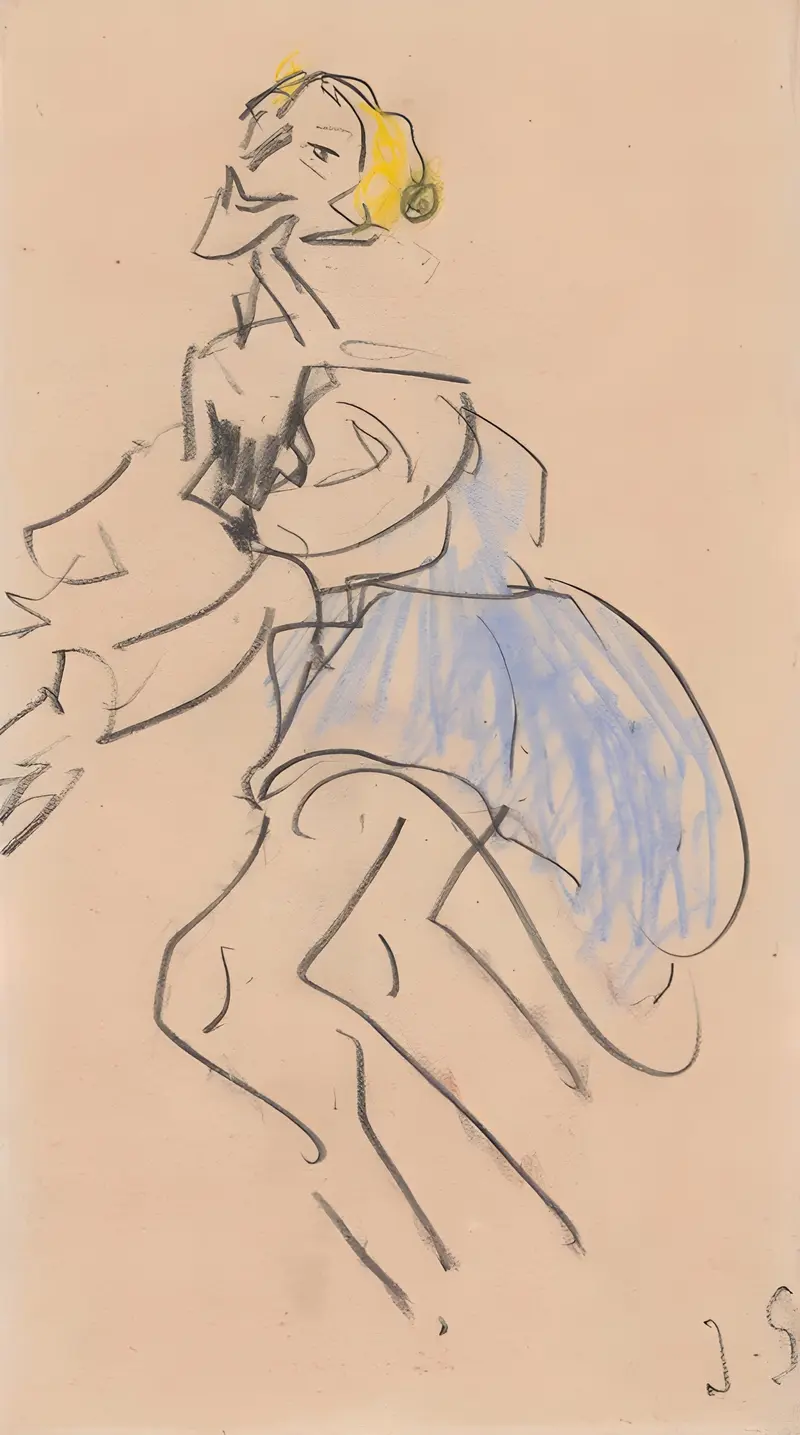
Dancer
Jules Schmalzigaug
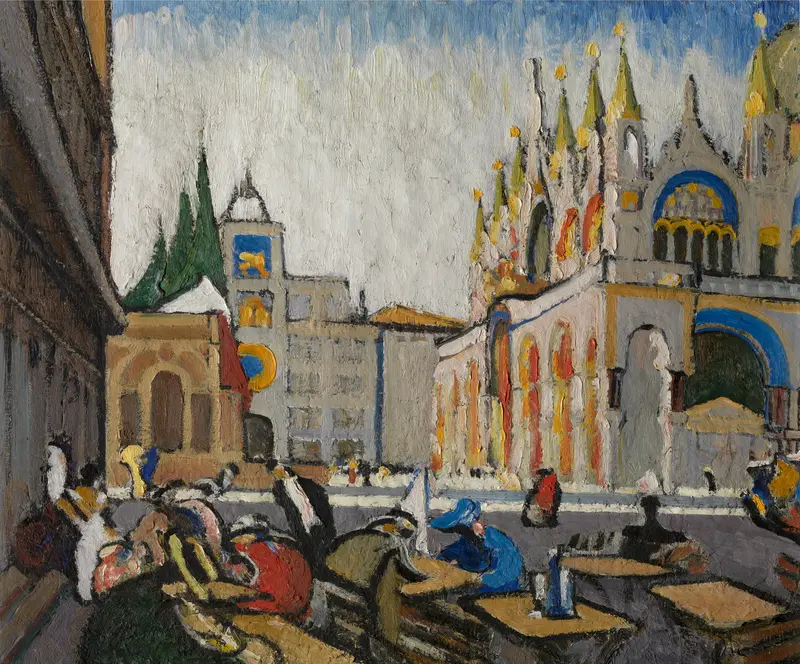
San Marco from the Piazetta
Jules Schmalzigaug
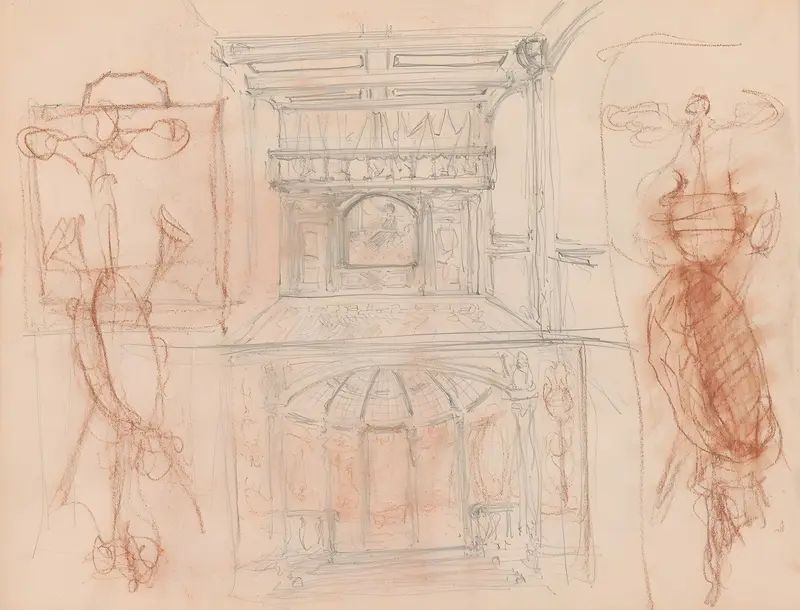
Architectural Elements
Jules Schmalzigaug
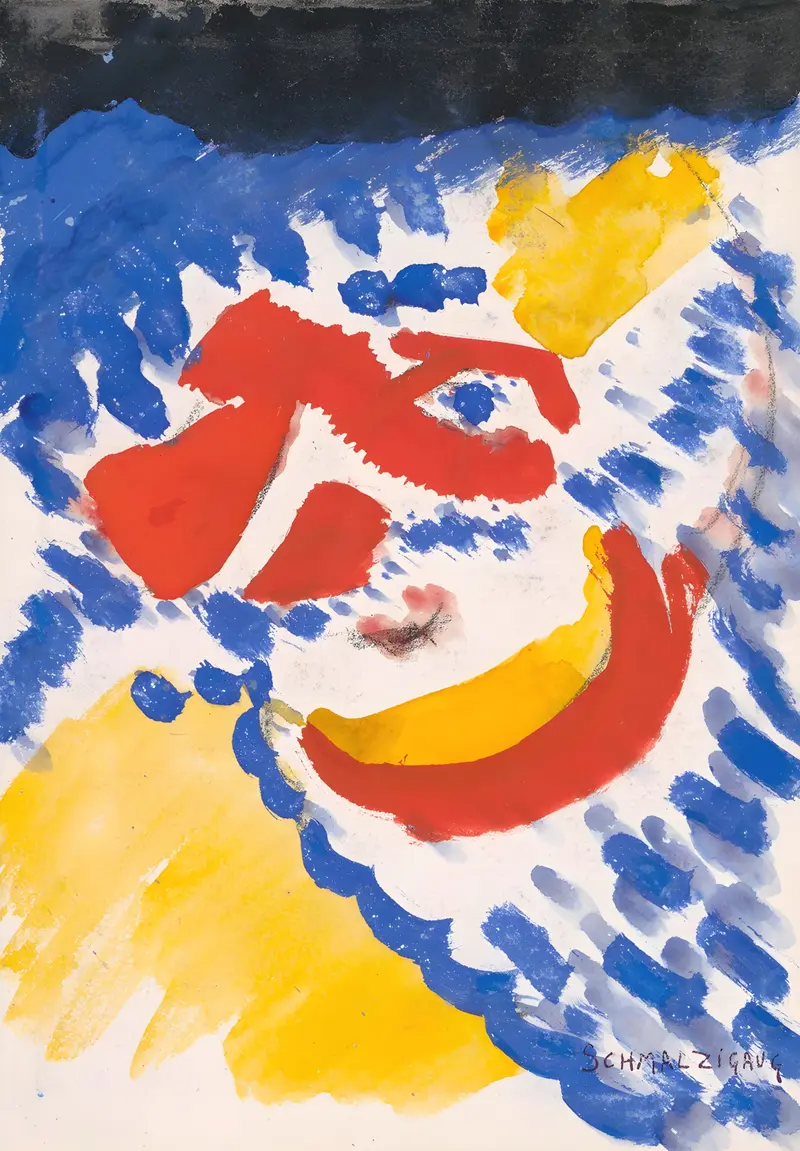
Blue, Red and Yellow Figures
Jules Schmalzigaug
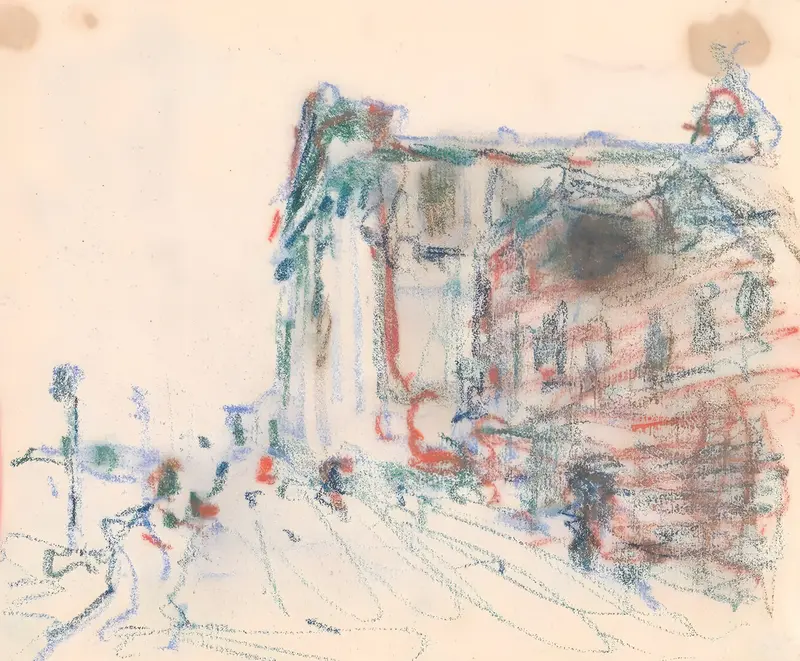
Chiesa dei Gesuati in Venice
Jules Schmalzigaug
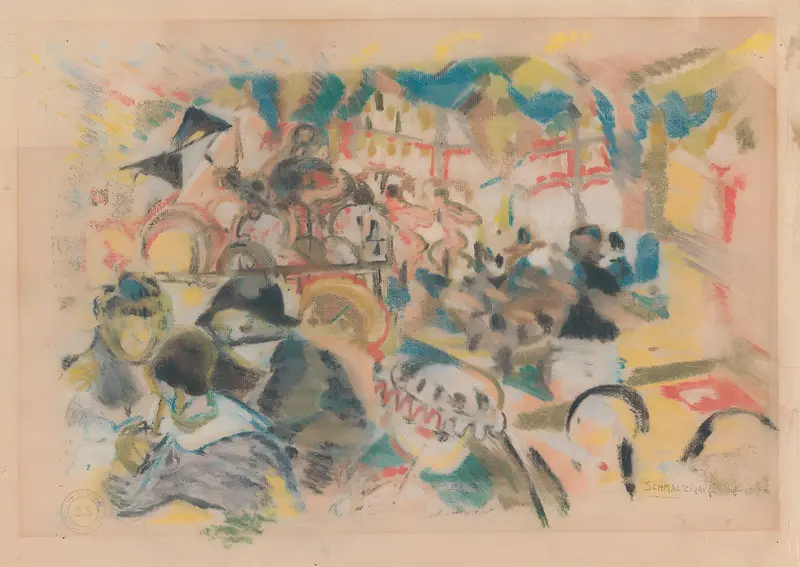
Café-chantant
Jules Schmalzigaug
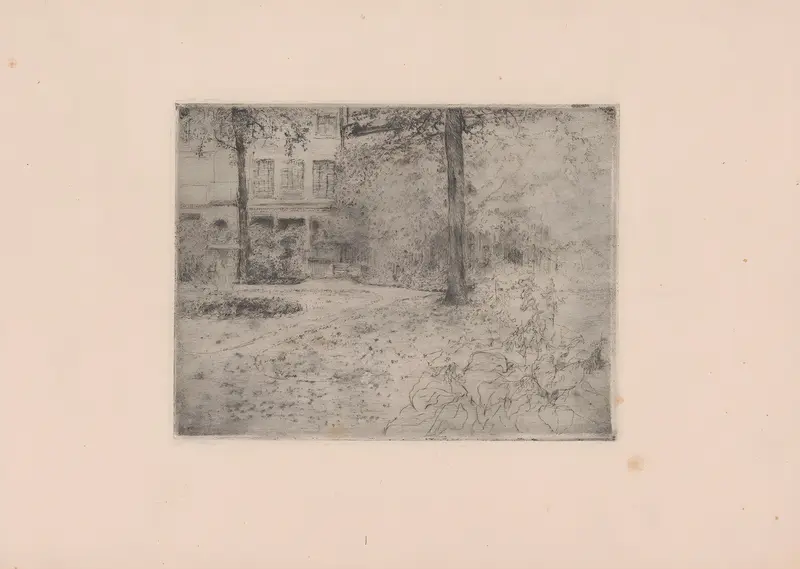
Backyard
Jules Schmalzigaug