
Two Pedestrians — History & Facts
In the delicate interplay of hues, we find ourselves confronted with the fragility of existence, where every brushstroke whispers the inevitability of mortality. Look to the left at the figures, two pedestrians enveloped in muted tones, their forms blending with the urban backdrop. Notice how the subtle gradient of grays and browns creates a sense of somberness, while the play of light casts elongated shadows that stretch toward the viewer. The composition is intentionally sparse, drawing attention to the isolation of the figures amid the bustling cityscape, inviting contemplation on their journey through life. Hidden within the mundane details lies a profound emotional tension; the pedestrians’ lack of interaction speaks volumes about modern solitude.
The subtle nuances of their postures—a slight hunch, the direction of their gazes—echo the struggles of human connection in an increasingly impersonal world. This painting captures not just a moment in time, but a poignant reflection on the transient nature of our paths and the shadows that linger. Zolo Palugyay created Two Pedestrians between 1930 and 1934, a time when the world was grappling with the aftermath of the Great Depression. Living in Europe amidst a rapidly changing artistic landscape, Palugyay embraced modernism while exploring issues of identity and isolation, reflecting the existential anxieties of his era.
His work serves as both a personal and collective meditation on the human experience, encapsulating the silent urgency of life in the face of inevitable mortality.
More Artworks by Zolo Palugyay
Browse all →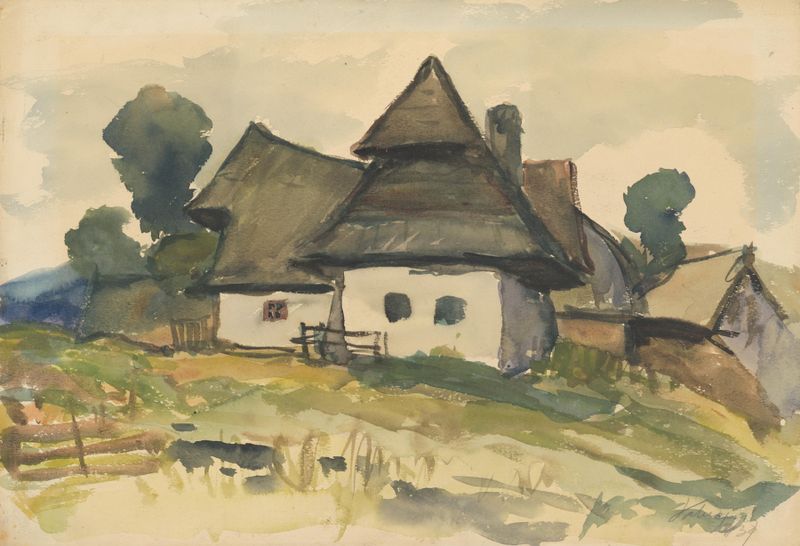
Dedinský motív
Zolo Palugyay
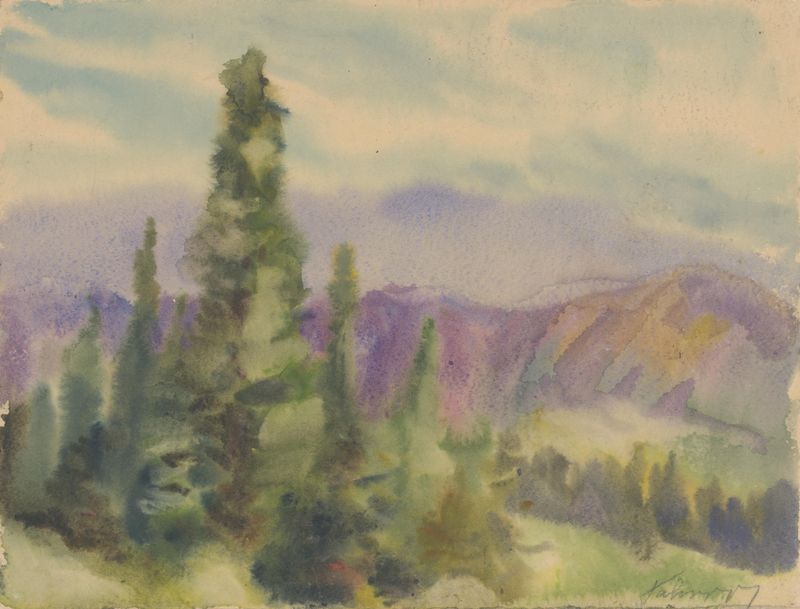
Motif from Liptov Mountains
Zolo Palugyay
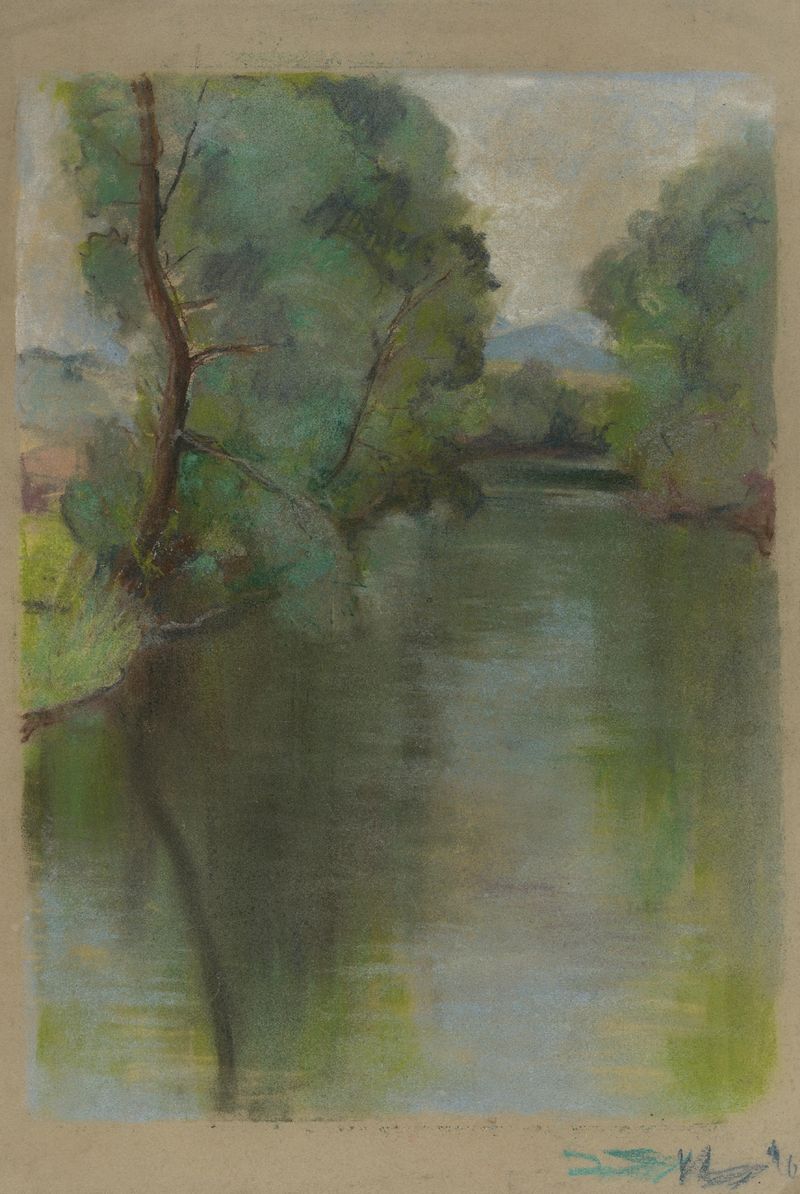
Silent River
Zolo Palugyay
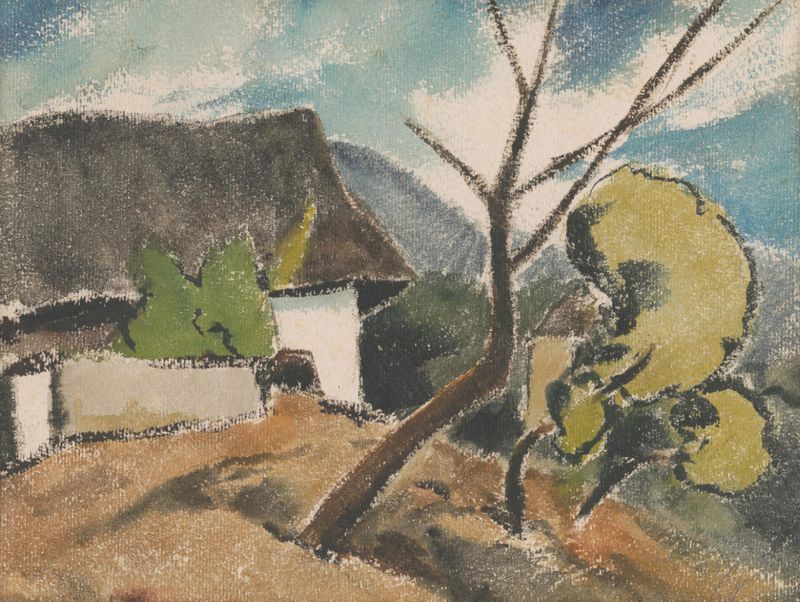
Oravská chalupa
Zolo Palugyay
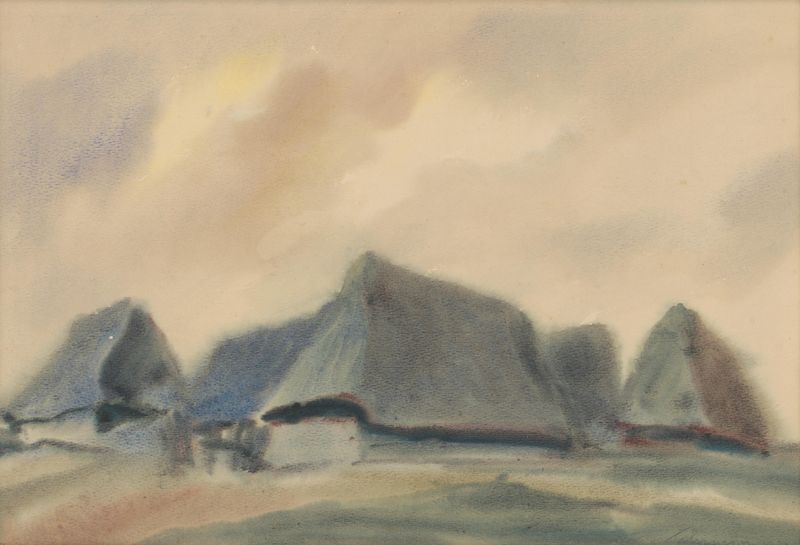
Modré chalupy
Zolo Palugyay
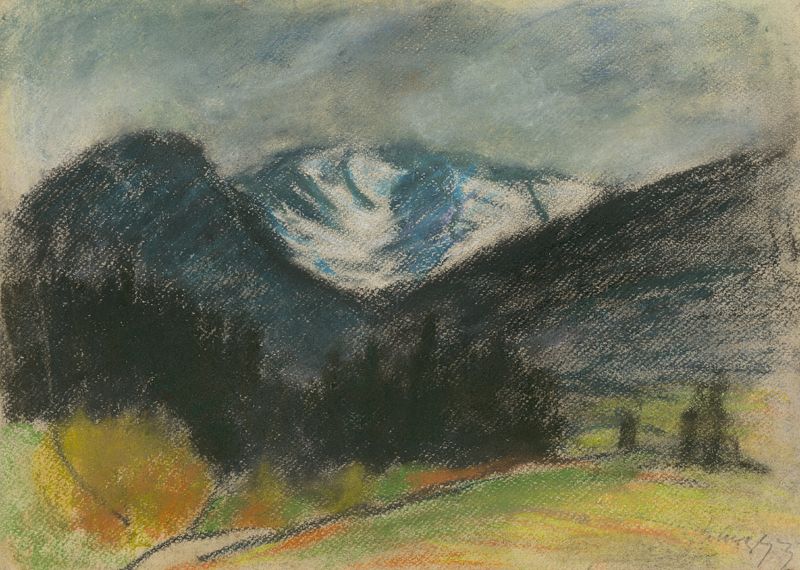
Mountain Landscape with Snowy Peaks
Zolo Palugyay
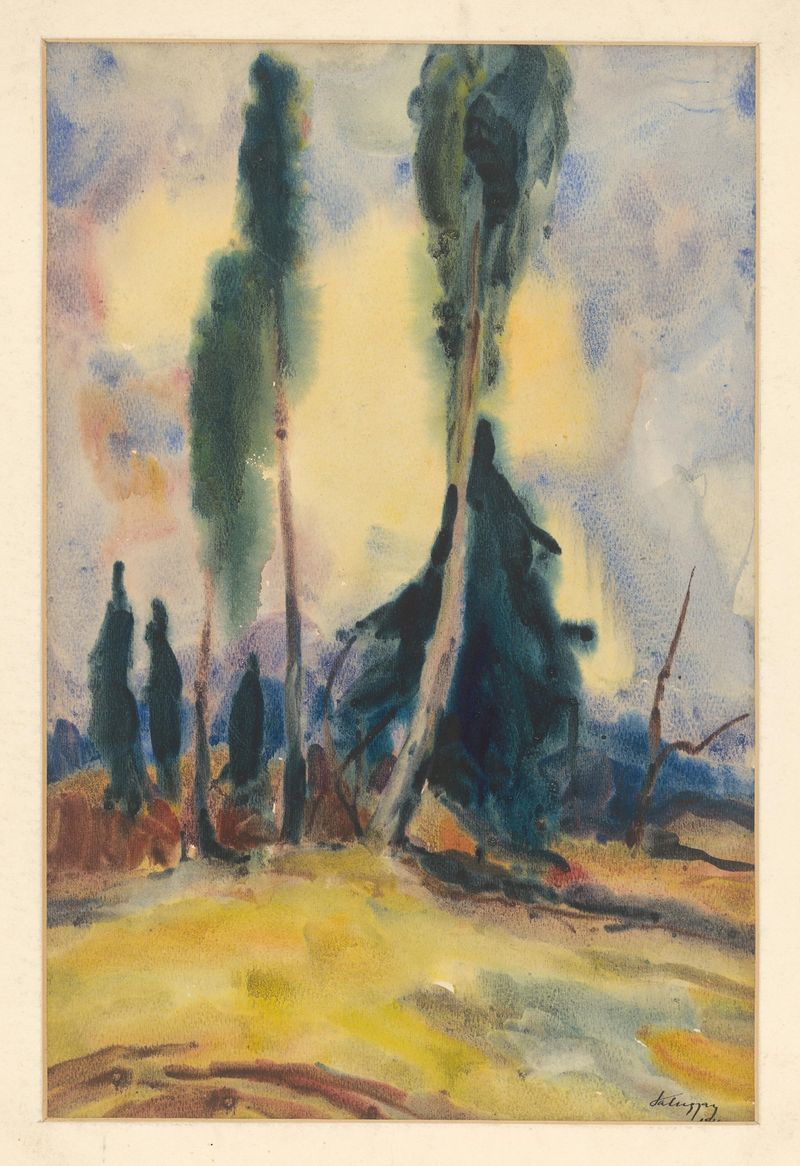
Three Trees on a Plain
Zolo Palugyay
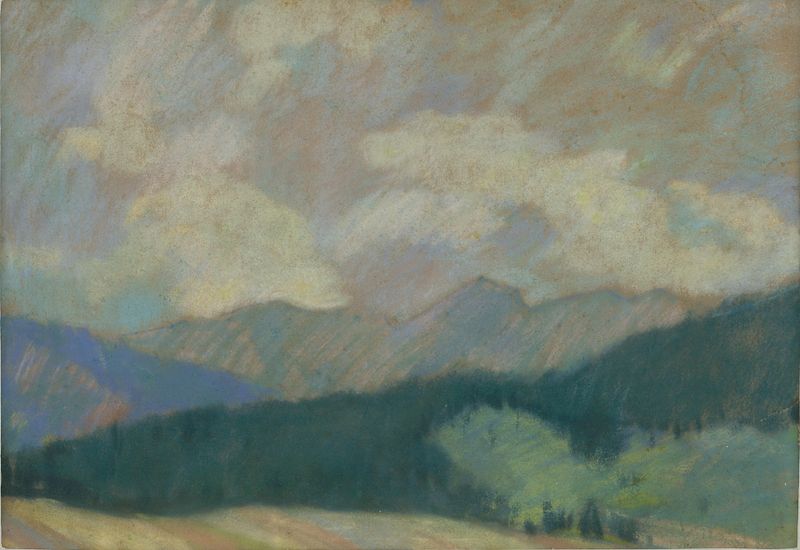
Horská krajina
Zolo Palugyay
Tatra Landscape
Zolo Palugyay
Spring Landscape
Zolo Palugyay





