
Ulhan à cheval — History & Facts
In Ulhan à cheval, Henri de Toulouse-Lautrec captures a mounted ulhan in a dynamic pose. The colors are rich and vibrant, with deep reds and greens dominating the palette. The figure is dressed in traditional attire, showcasing the details of the uniform.
The background is somewhat abstract, focusing attention on the ulhan and his horse. The painting is executed in oil on canvas, a common medium for Toulouse-Lautrec. The brushwork is loose yet deliberate, characteristic of the Post-Impressionism style. The dimensions are approximately 60 x 80 cm, making it a medium-sized work.
The composition emphasizes the movement of the horse and rider, creating a sense of energy. Henri de Toulouse-Lautrec was known for his depictions of Parisian life, particularly the nightlife and entertainment scenes. This work reflects his interest in capturing figures in motion, a theme prevalent in his oeuvre. Interestingly, Ulhan à cheval showcases the ulhans, who were light cavalrymen in the French army, highlighting Lautrec's fascination with military subjects.
The painting likely dates to the 1890s, a period when Lautrec was at the height of his artistic career.
More Artworks by Henri de Toulouse-Lautrec
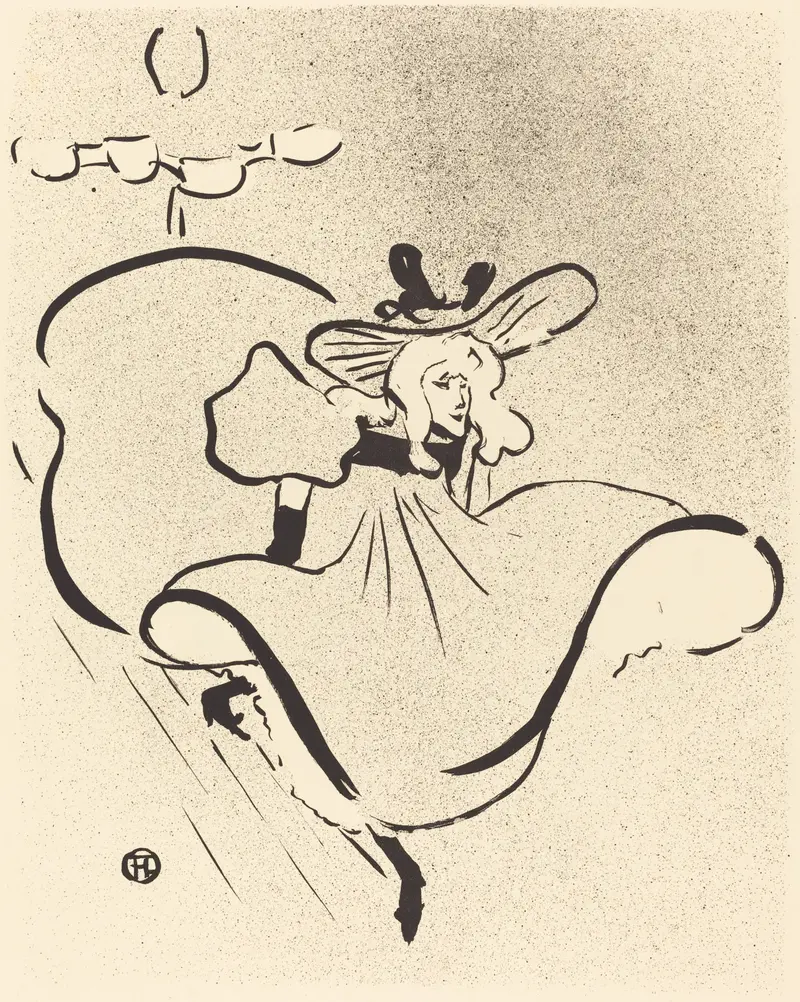
Jane Avril
Henri de Toulouse-Lautrec
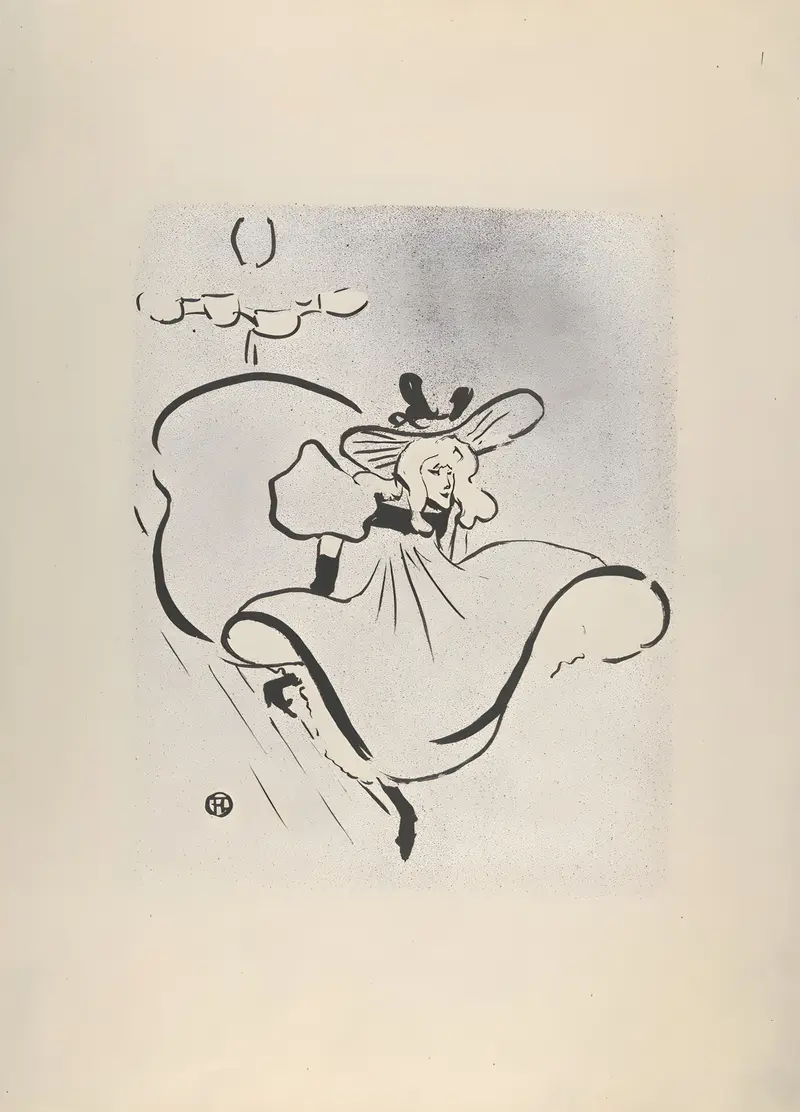
Jane Avril.
Henri de Toulouse-Lautrec

Quadrille at the Moulin Rouge
Henri de Toulouse-Lautrec
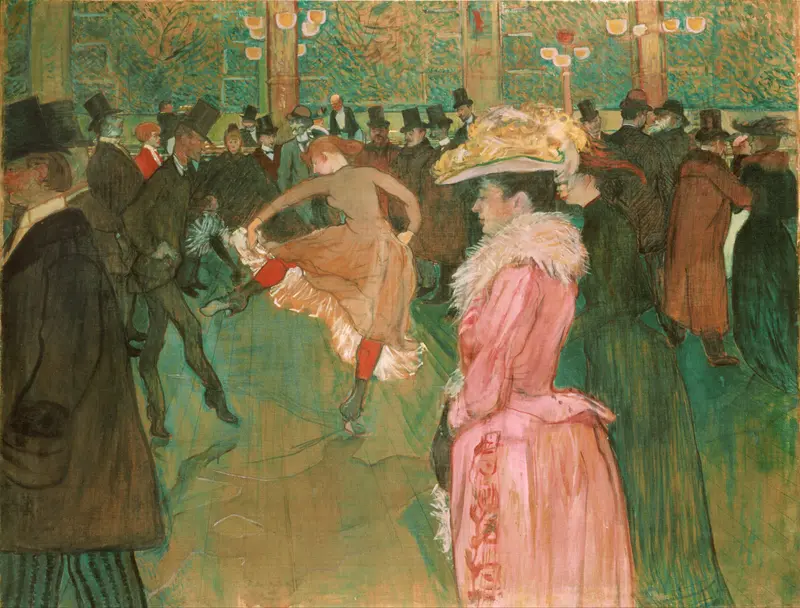
At the Moulin Rouge- The Dance
Henri de Toulouse-Lautrec
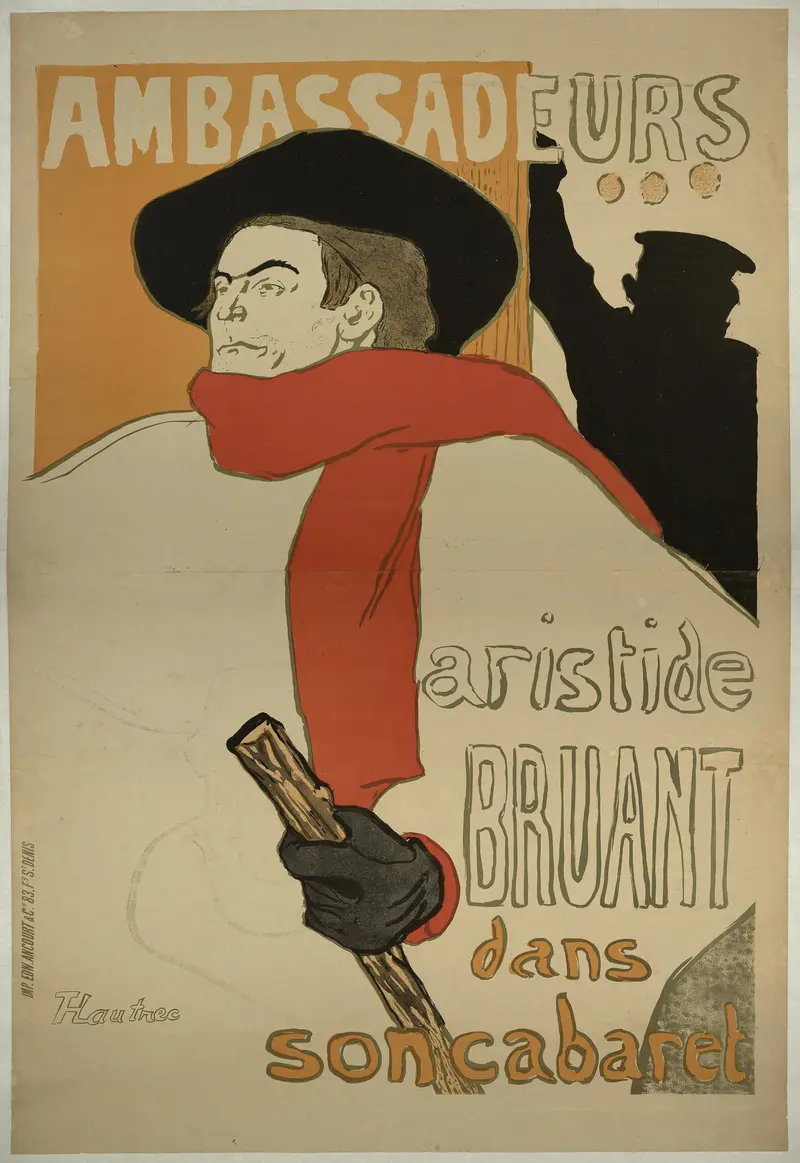
Ambassadeurs. Aristide Bruant dans son cabaret
Henri de Toulouse-Lautrec
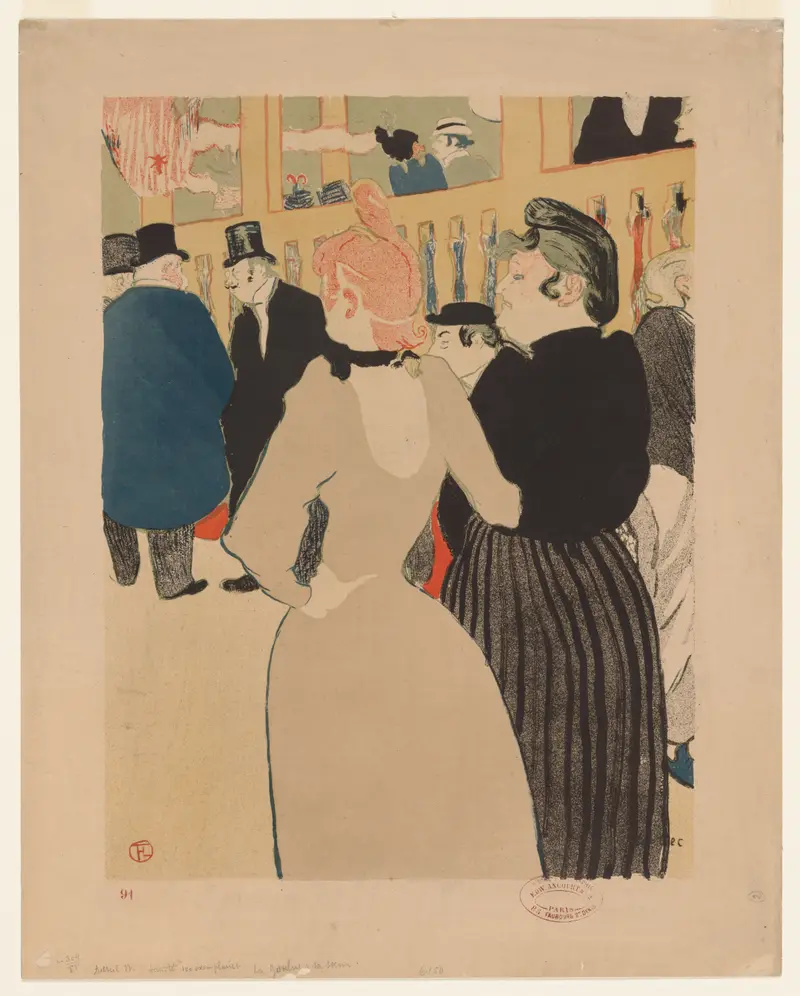
At the Moulin Rouge; La Goulue and Her Sister
Henri de Toulouse-Lautrec
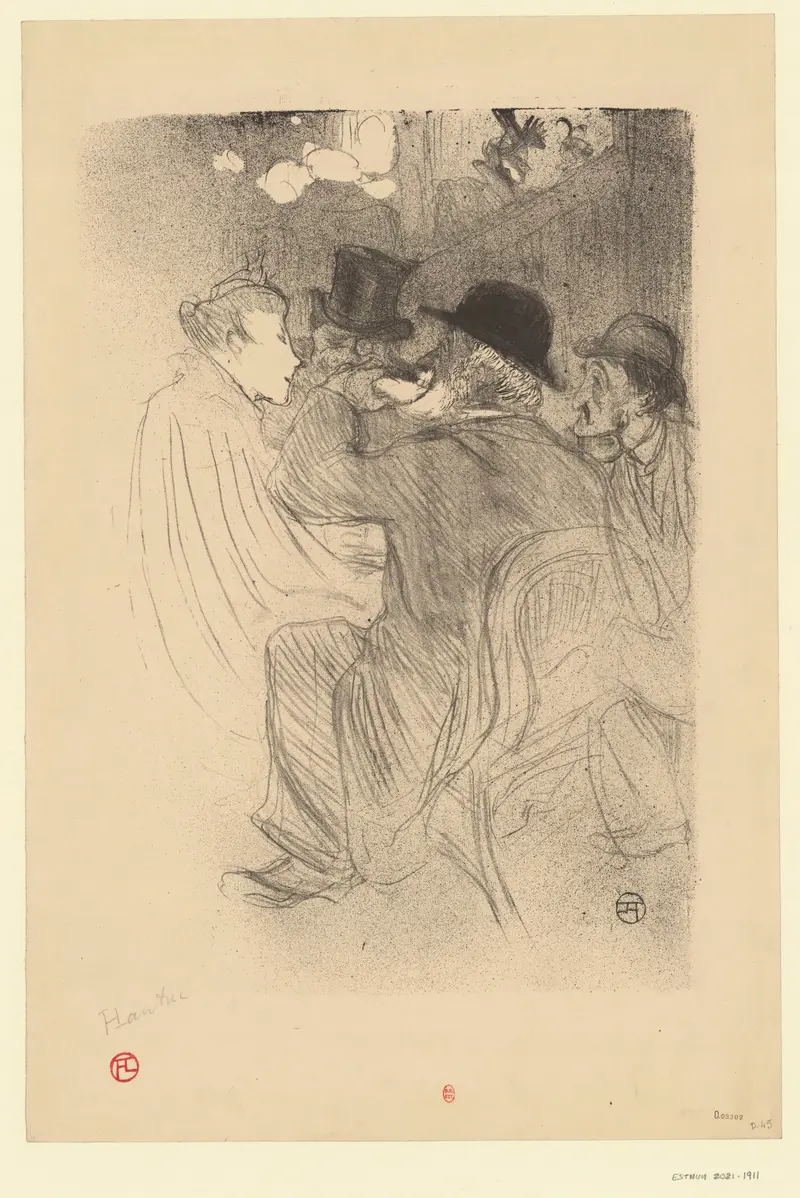
Au Moulin Rouge;Un Rude! Un Vrai Rude!
Henri de Toulouse-Lautrec
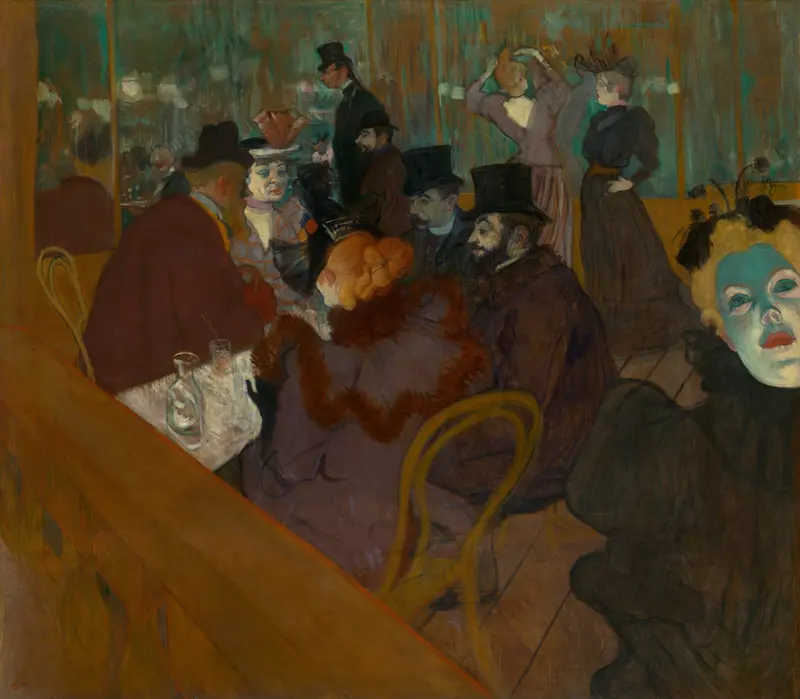
At the Moulin Rouge
Henri de Toulouse-Lautrec
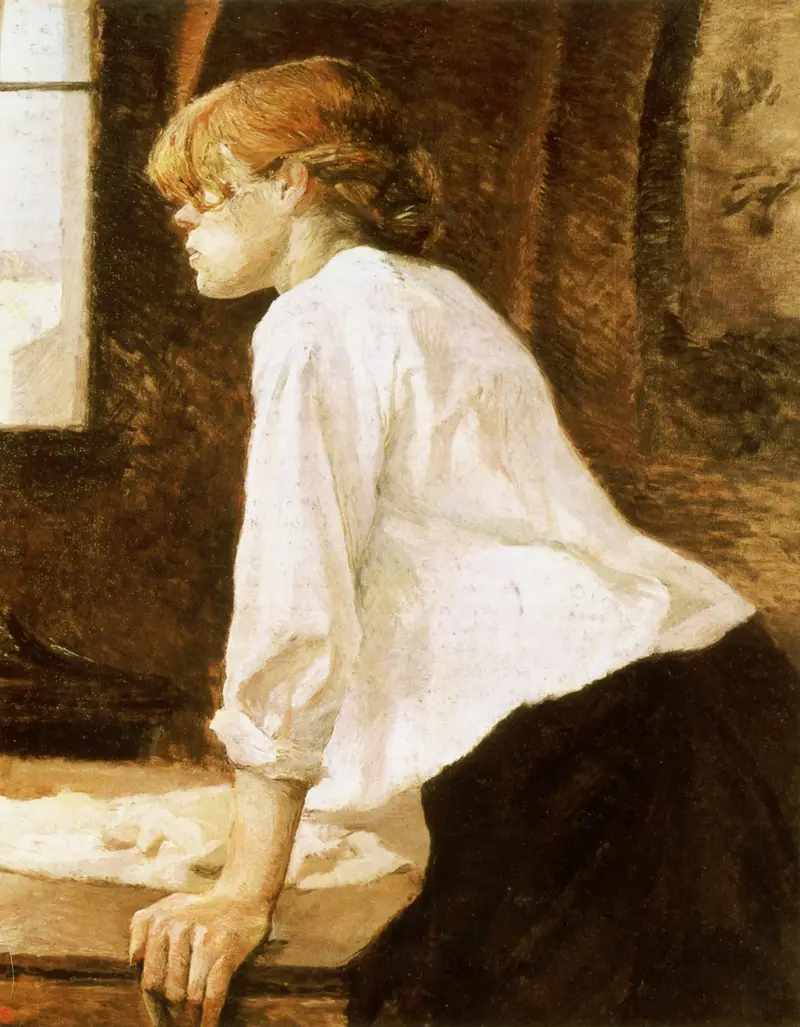
La Blanchisseuse
Henri de Toulouse-Lautrec
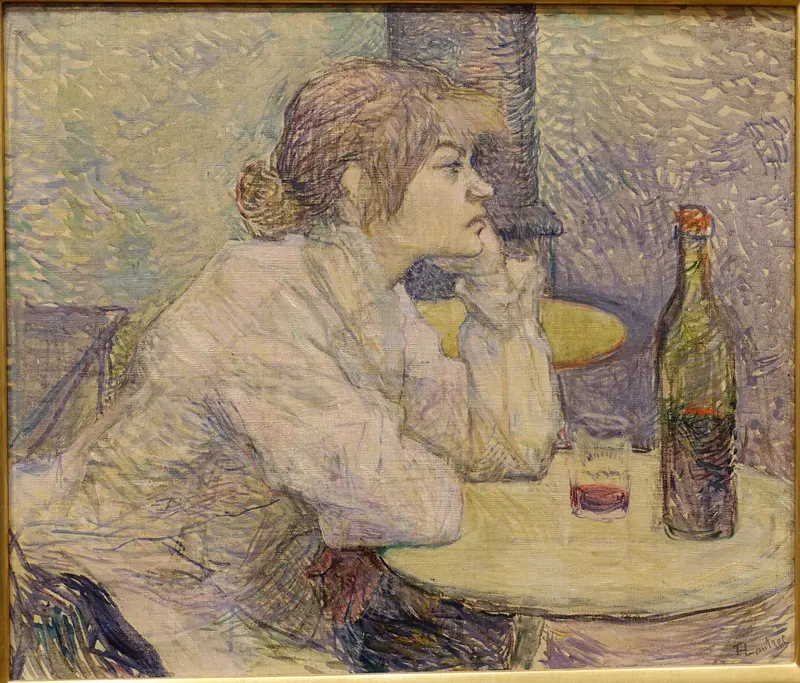
The Hangover (Suzanne Valadon)
Henri de Toulouse-Lautrec



